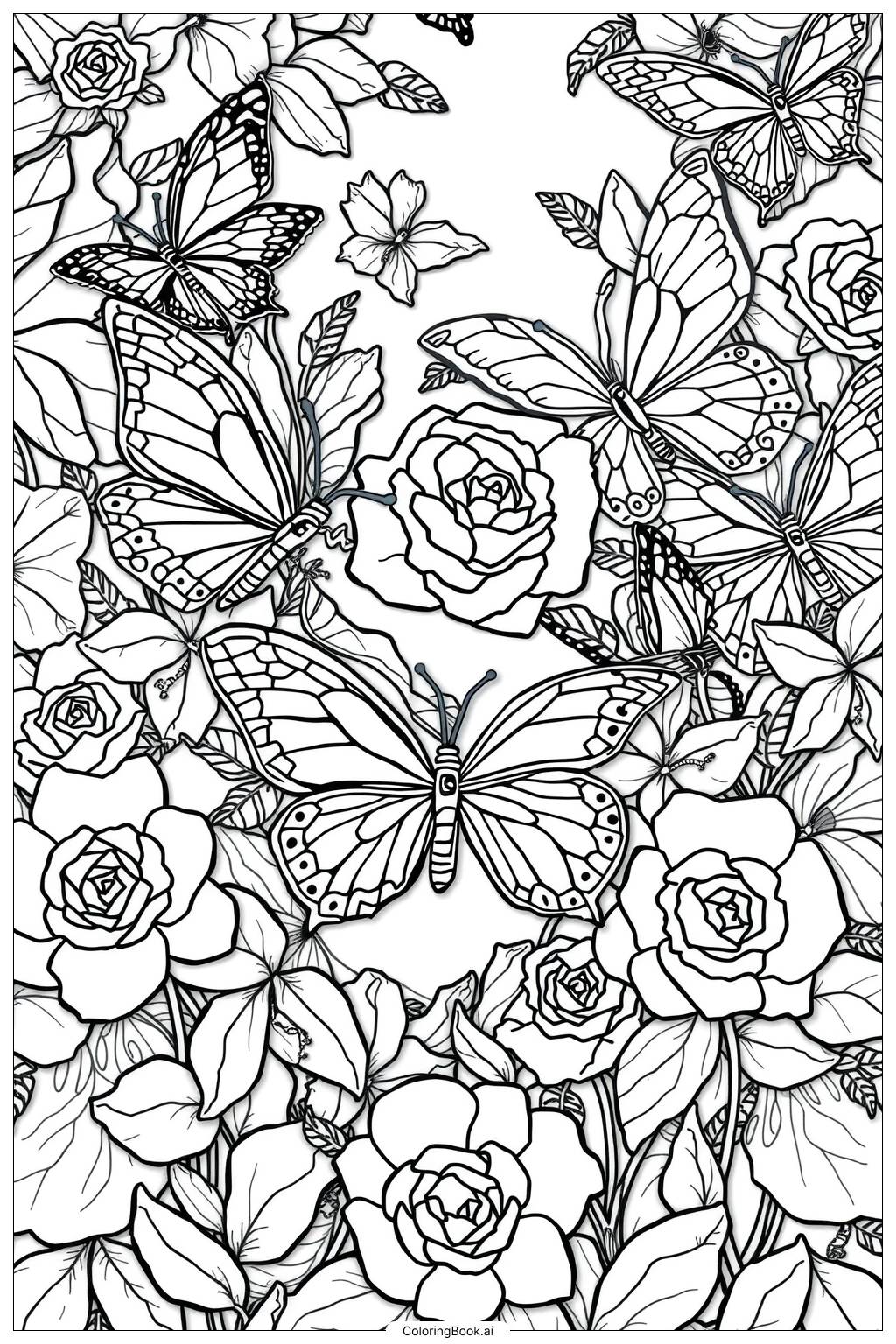
Coloring tips: How to color Roses Butterflies Dance 2 coloring page well?
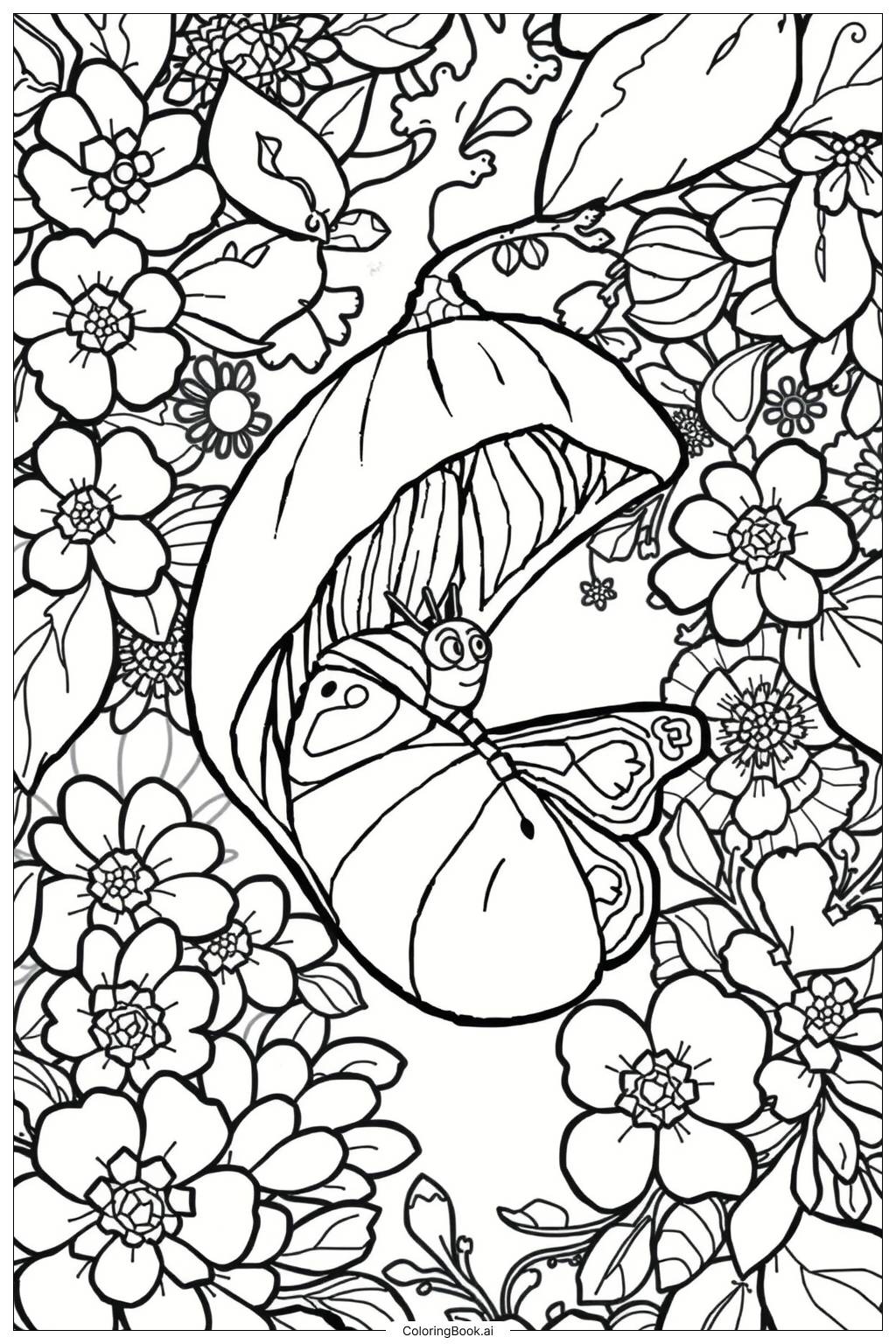
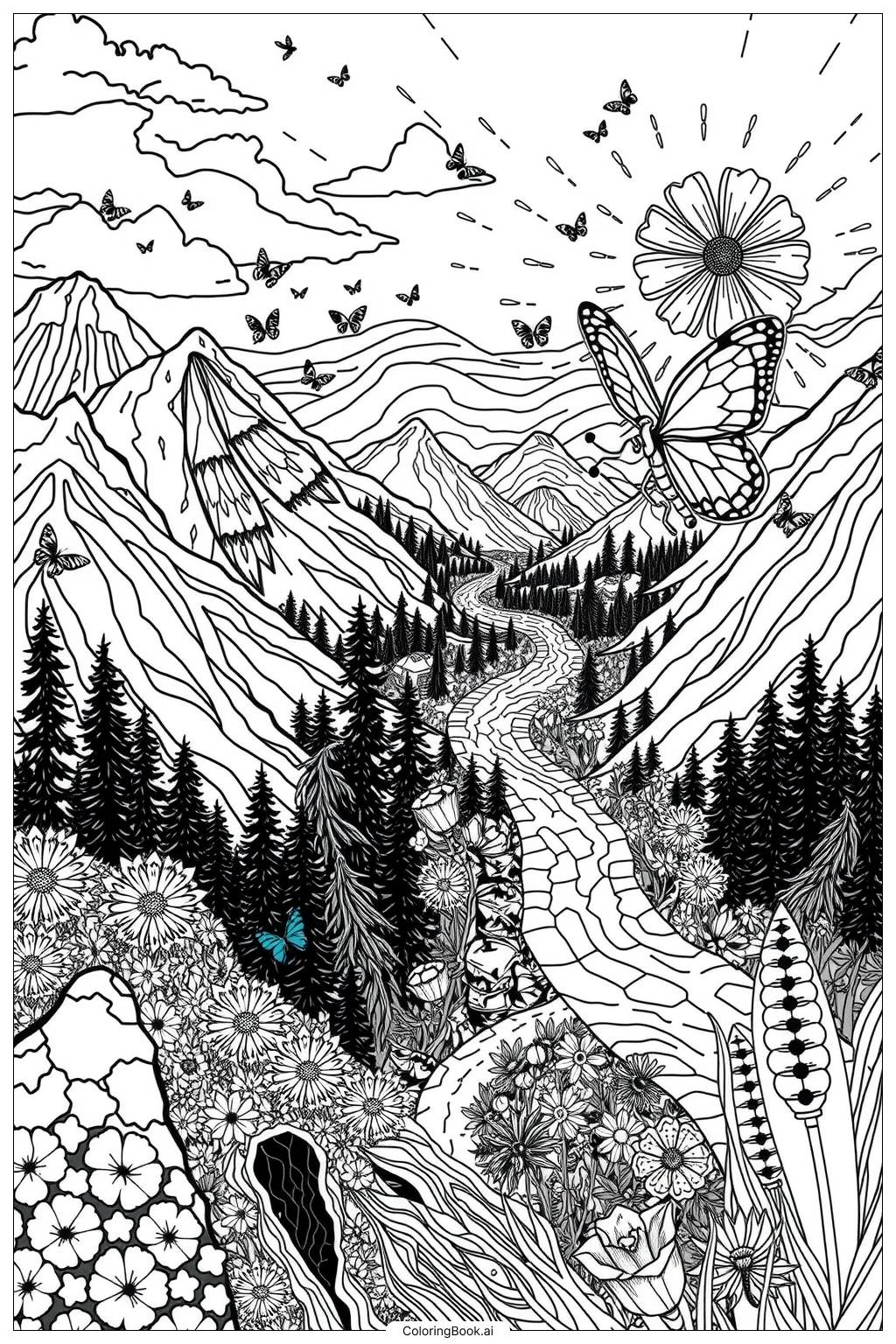
Start with the roses. Use warm reds, pinks, or soft peaches for the petals. Add a slightly darker shade along the inner petal edges to give them depth and a natural curl. For the leaves, try different shades of green — light green for the top surfaces and a deeper green for the undersides and shadows. For the butterflies, this is your chance to get creative. Use bright, bold colors like orange, yellow, purple, or blue. Try to keep the two wings on each side matching so the butterfly looks balanced. You can add dots or streaks in a contrasting color to highlight the wing patterns. The background can be left white for a clean look, or you can add a soft sky blue or pale yellow to give the scene a sunny garden feel. Work slowly on the small details — they really make the image pop.
Coloring challenges: Which parts are difficult to color and need attention for Roses Butterflies Dance 2 coloring page?
• Butterfly Wing Patterns: The butterfly wings contain many small details like dots, veins, and curved lines. Staying inside these tiny shapes takes a steady hand and a fine-tipped colored pencil or marker. Rushing through this area can cause colors to bleed into each other and lose the delicate look of the wings.
• Rose Petal Layering: Roses have many overlapping petals that curve and fold over one another. Getting a realistic look means using at least two or three shades of the same color — one for highlights and one for shadows. This kind of shading can be tricky for younger colorists who are new to blending.
• Leaf Vein Details: The leaves are filled with thin vein lines that divide the surface into small sections. Coloring around these lines without covering them keeps the leaf looking natural and detailed. It requires patience and careful control of the coloring tool.
• Overlapping Elements: In several areas, butterfly wings, rose petals, and leaves overlap. When two different elements share a border, choosing colors that contrast enough to separate them visually is a real challenge. Poor color choices here can make the image look flat or confusing.
• Maintaining Overall Color Harmony: With so many elements — roses, butterflies, and leaves — all sharing the same space, keeping the full picture balanced and visually pleasing is a challenge. Too many bright colors competing at once can feel overwhelming, so planning a color scheme before starting helps a lot.
Benefits of coloring books: Advantages of drawing Roses Butterflies Dance 2 coloring page
Coloring this butterfly and rose scene offers a wonderful range of benefits for kids and teens alike. The detailed wing patterns on the butterflies help build fine motor skills and hand-eye coordination as colorists work to stay within small, defined spaces. Choosing colors for the roses and butterflies encourages creative thinking and helps develop a personal sense of color and style. The flowing, nature-inspired design has a naturally calming effect. Focusing on each flower petal or wing section helps reduce stress and encourages mindfulness — being fully present in a quiet, enjoyable activity. For younger children, identifying the parts of a flower or butterfly while coloring also supports early science learning in a fun, hands-on way. Completing a full page like this builds a sense of accomplishment and pride in one's own creative work. It also makes a beautiful piece of art to display or share with others. Overall, this page turns a simple coloring activity into a meaningful creative experience that nurtures patience, focus, and imagination.