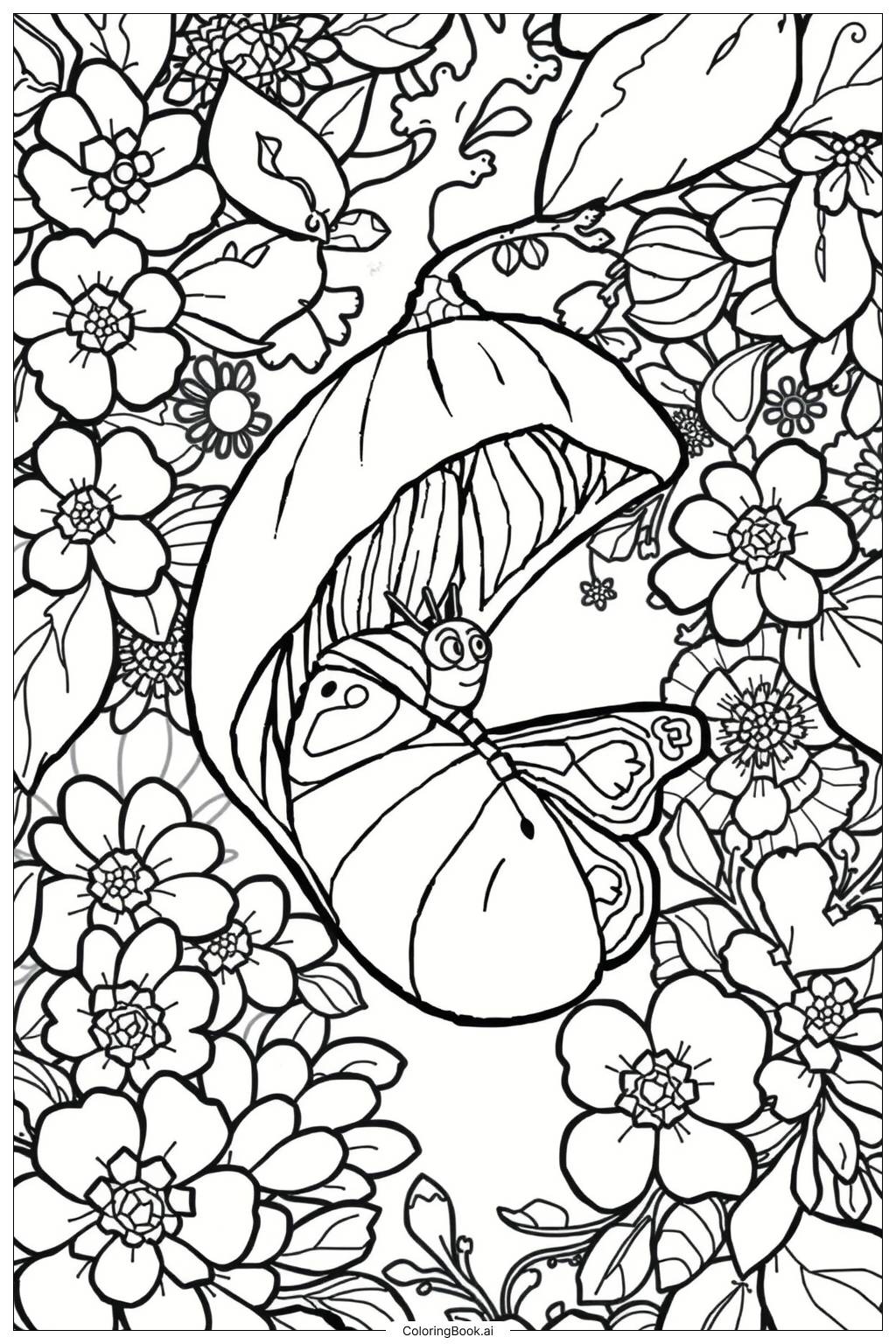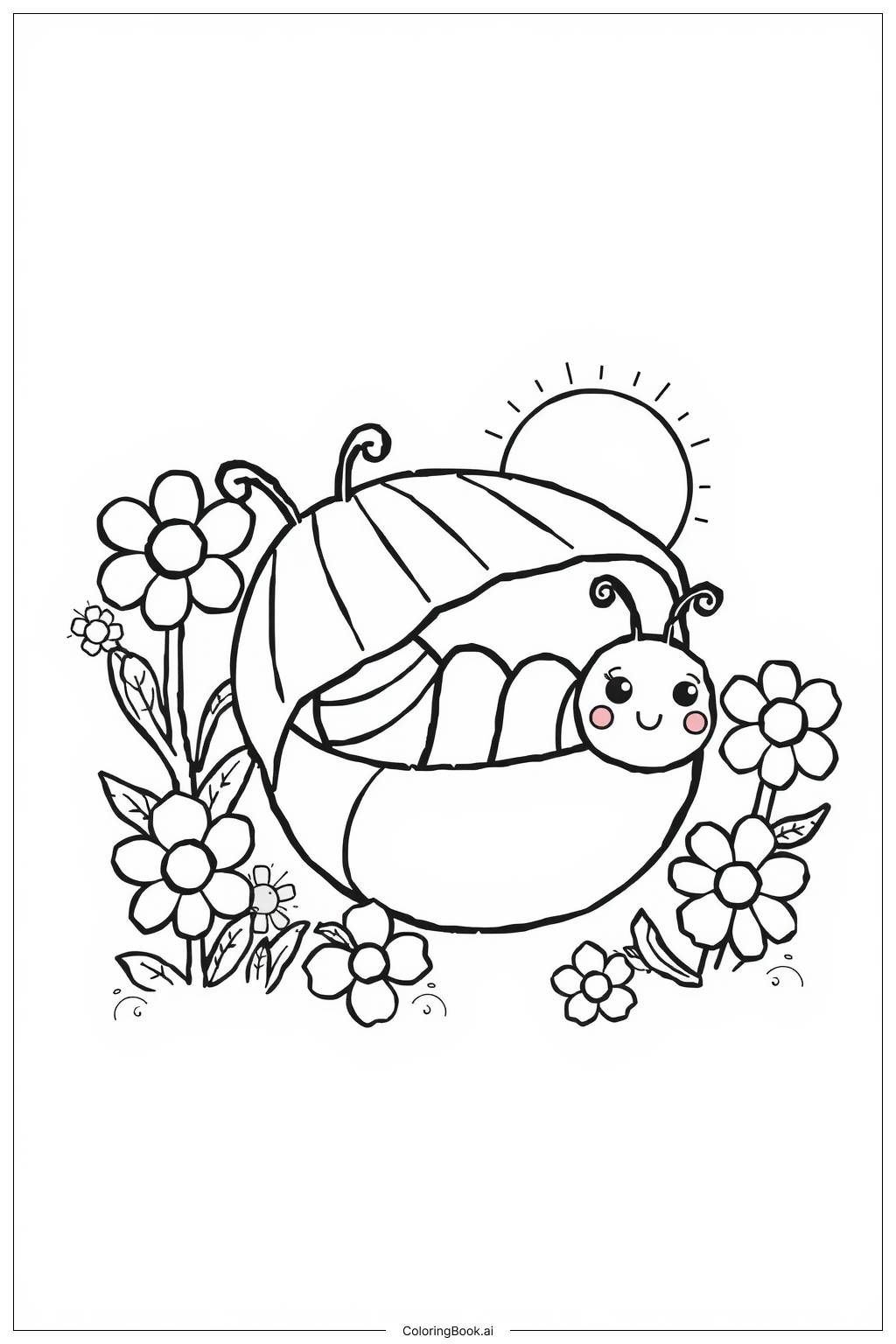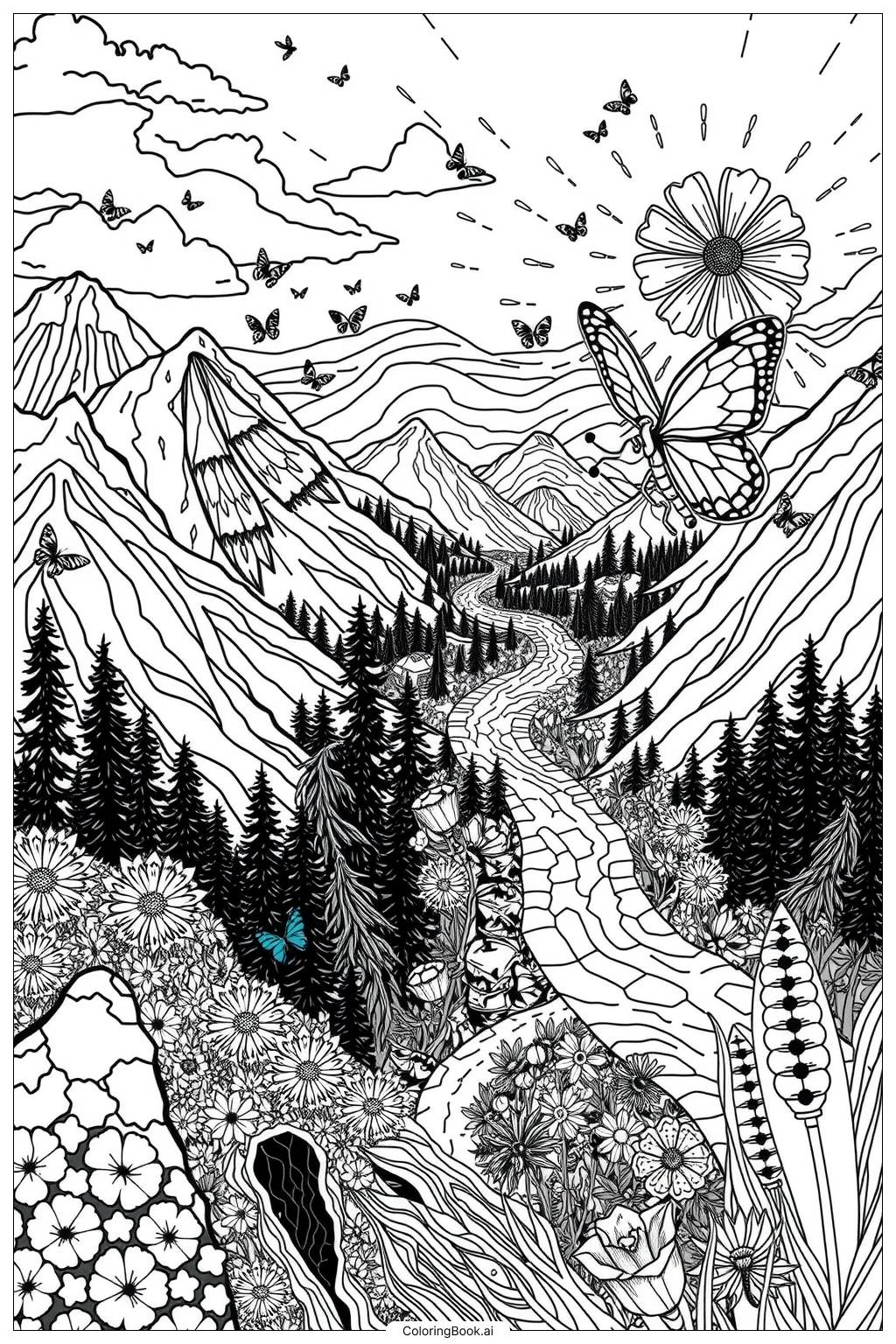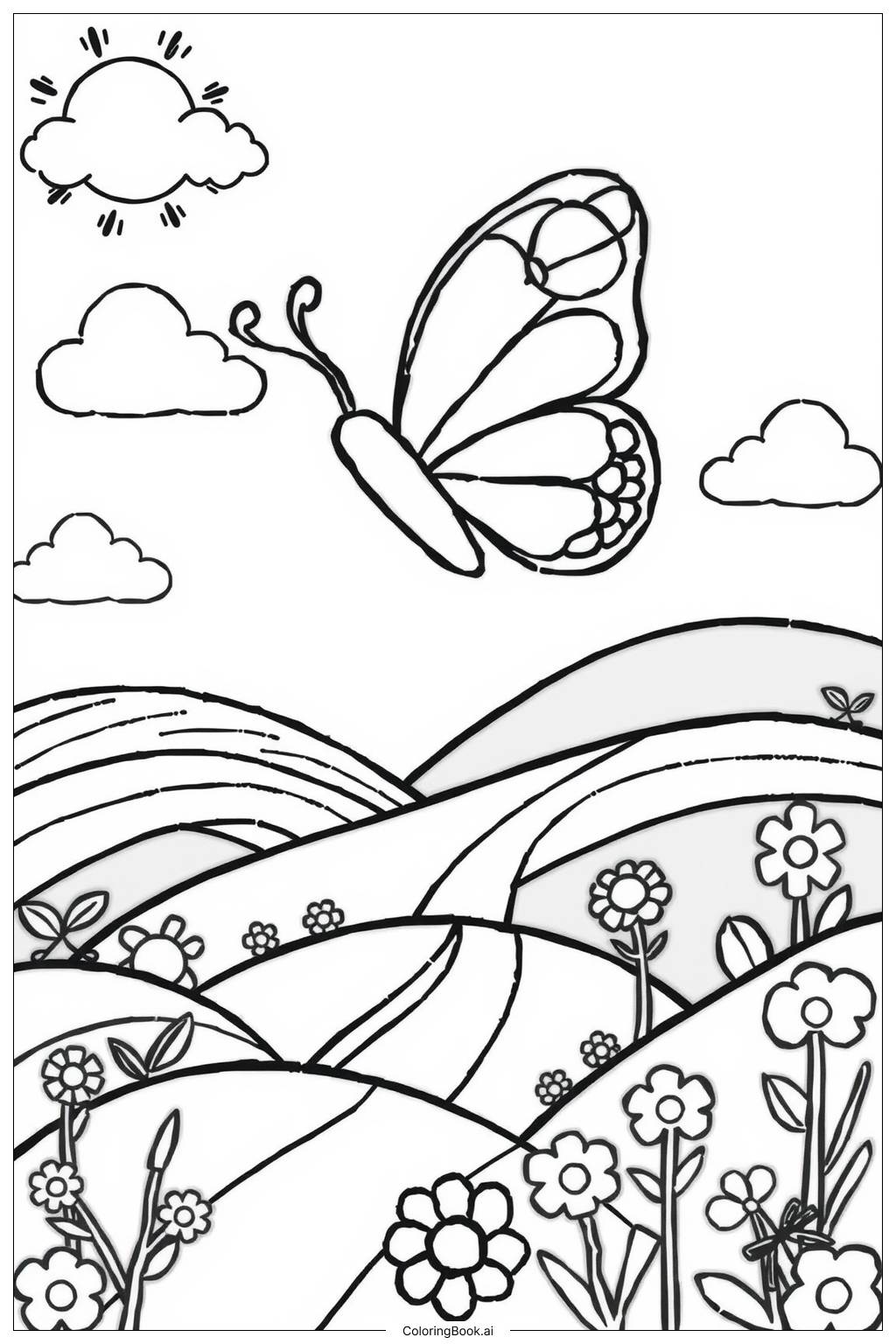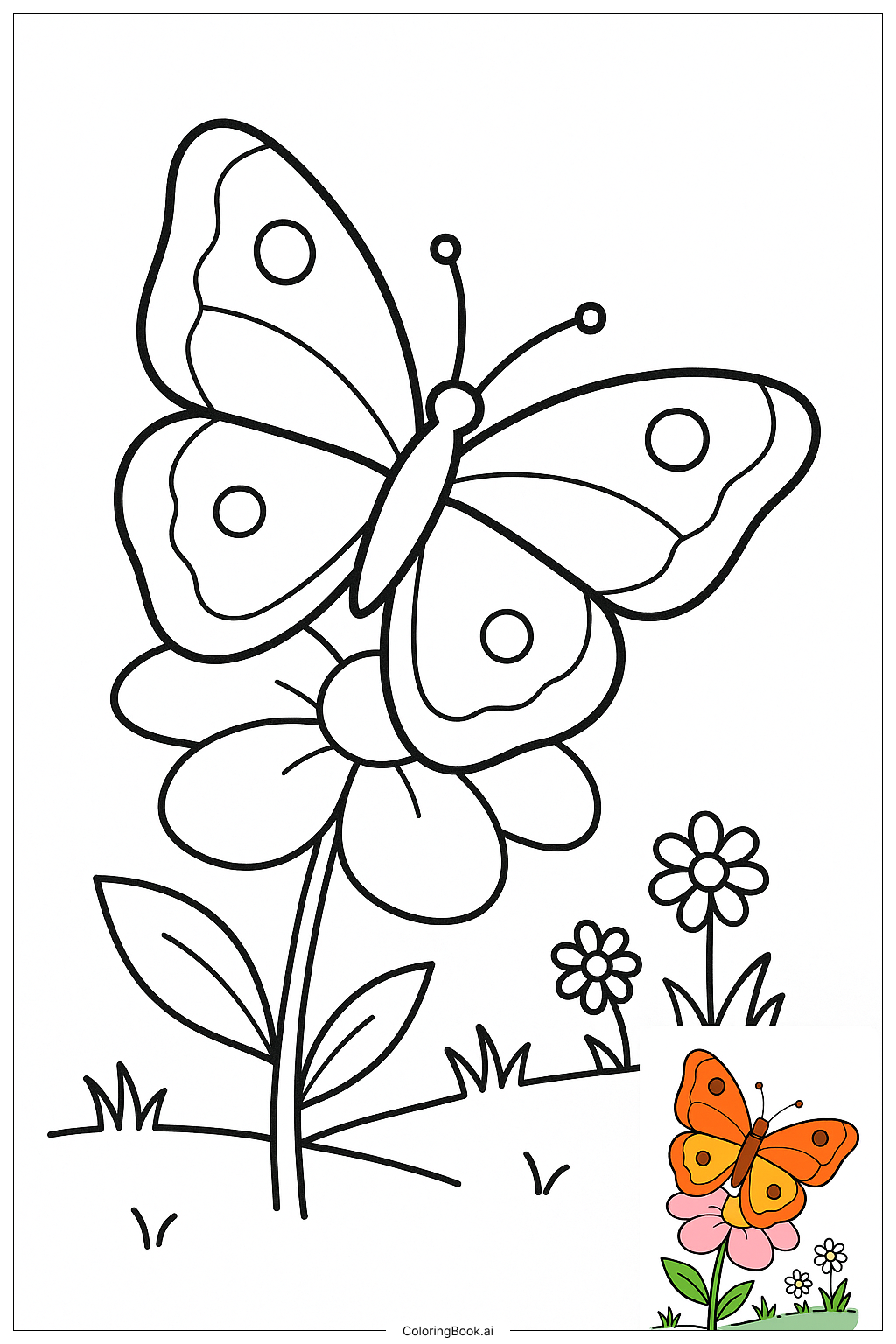
Coloring tips: How to color Realistic Butterfly On Flower Petal coloring page well?
Start with the butterfly wings using warm, vivid colors like orange, yellow, or deep blue. Add black or dark brown along the wing veins and edges to make the pattern pop. Use white or pale yellow for the small spots near the wing tips. Color the butterfly's body in dark brown or black, and make the antennae a matching dark shade. For the flower petal, choose soft pinks, purples, or warm reds. Add a slightly darker shade along the petal edges and a lighter tone in the center to create depth. Blend colors gently where they meet to give the image a natural, realistic feel. Take your time with the small details — they make a big difference!
Coloring challenges: Which parts are difficult to color and need attention for Realistic Butterfly On Flower Petal coloring page?
• Wing Vein Patterns: The butterfly wings are filled with fine, intricate vein lines that divide the wing into many small sections. Coloring each section neatly without crossing over the lines takes careful control and patience. A thin-tipped colored pencil or fine marker works best here.
• Realistic Color Blending: Because this image is meant to look realistic, flat single colors will not be enough. You will need to blend two or more shades together smoothly to create depth and dimension on both the wings and the petal. This blending skill can be tricky for younger colorists.
• Small Spot Details: The wings contain tiny dots and spot markings that require very precise coloring. These small areas are easy to fill in incorrectly or accidentally smear. Using a sharp pencil tip and working slowly helps keep these details clean and accurate.
• Petal Shading: The flower petal has a curved, three-dimensional shape. To make it look natural and lifelike, you need to apply lighter color in the center and darker color toward the edges. Understanding where light and shadow fall on a curved surface is a real challenge for beginners.
• Staying Inside the Lines: The overall image has many fine and closely spaced outlines, especially around the wing borders and body. Keeping colors within these tight boundaries requires steady hands and full concentration, making this a rewarding but challenging coloring experience.
Benefits of coloring books: Advantages of drawing Realistic Butterfly On Flower Petal coloring page
Coloring this butterfly image brings many wonderful benefits. It helps children and adults alike practice focus and patience, since the detailed wing patterns require careful, steady work. This kind of close attention helps train the mind to concentrate for longer periods of time.
Working on the realistic shading and color blending also builds creativity. You get to choose your own color combinations and experiment with light and shadow, which encourages artistic thinking and personal expression.
For younger children, staying inside the fine lines strengthens hand control and fine motor skills. These are important skills that also support handwriting and other everyday tasks.
For older kids and adults, the realistic style of the image makes it a relaxing and satisfying activity. Focusing on the details of the butterfly and flower can help reduce stress and bring a sense of calm, much like meditating.
Coloring nature scenes like this one also sparks curiosity about the natural world. Kids may become more interested in real butterflies, flowers, and garden life after spending time with this image. Overall, this page offers a fun, screen-free way to learn, create, and unwind.