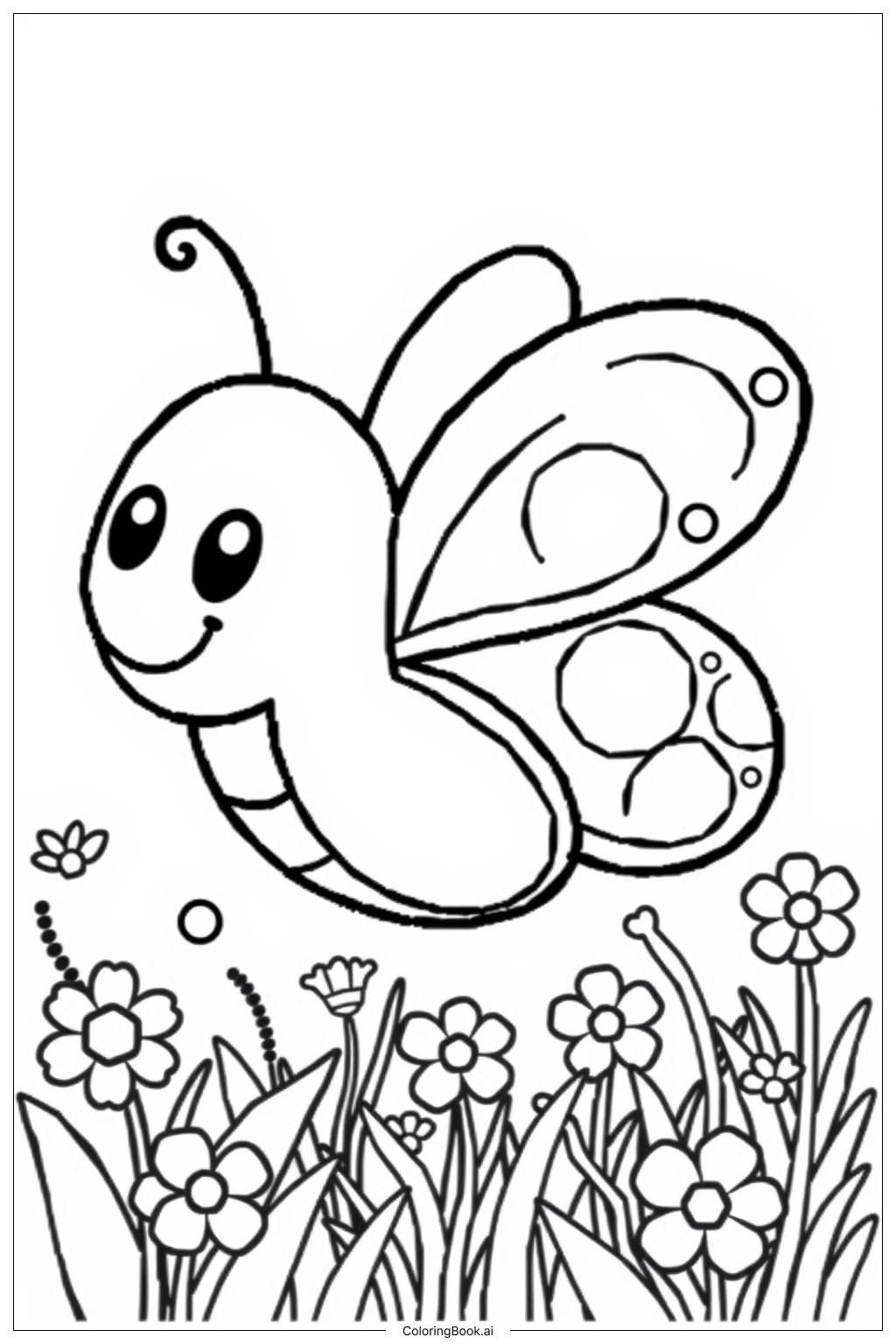
Coloring tips: How to color Preschool Butterfly Draw coloring page well?
This butterfly page is so fun and easy to color! Here are some ideas to make it look amazing:
• Wings: Use bright, cheerful colors like yellow, orange, pink, or sky blue. You can make both wings the same color or try different colors for each one — both look great!
• Wing Patterns: The circles and shapes on the wings are perfect for a second color. Try purple dots on yellow wings, or red spots on blue wings.
• Body: Color the butterfly's body a warm brown, green, or even a fun purple. Keep it simple so the wings stand out.
• Eyes: Use black for the pupils and add a tiny white dot to make them look shiny and alive.
• Antennae: Try a bright contrasting color like orange or red to make them pop.
• Background: If you want, add a blue sky, green grass, or colorful flowers around the butterfly. This makes the whole picture come to life!
Feel free to mix and match any colors you love. There are no wrong choices — just have fun!
Coloring challenges: Which parts are difficult to color and need attention for Preschool Butterfly Draw coloring page?
Coloring this butterfly page looks simple, but there are a few challenges to watch out for, especially for young artists:
• Staying Inside the Lines: The wings have large open areas, which seem easy, but little hands may find it tricky to fill them in neatly without going over the thick outlines. Take your time and move slowly near the edges to keep colors inside the boundary.
• Coloring Small Decorative Details: The tiny circles, dots, and flower shapes on the wings are much smaller than the rest of the image. Switching to a sharp colored pencil or a thin marker for these spots is helpful. Using a wide crayon on these small details can cause colors to bleed into the surrounding area.
• Choosing a Balanced Color Scheme: Because the wings are the biggest part of the image, the colors chosen for them will dominate the whole picture. Picking colors that work well together — and making sure the wing pattern colors stand out from the base wing color — takes a little planning and thought.
• Coloring the Body Without Overpowering the Wings: The butterfly's body runs right down the center between the wings. If you use a very bright or dark color for the body, it can draw too much attention away from the beautiful wings. A medium tone works best here.
• Adding a Background: If kids decide to color in a background, they need to be careful not to accidentally color over parts of the butterfly itself. Coloring right up to the butterfly's outline without crossing it requires a steady hand and patience.
Benefits of coloring books: Advantages of drawing Preschool Butterfly Draw coloring page
Coloring this butterfly page is a wonderful activity for young children. Here is why it is so good for them:
• Builds Fine Motor Skills: Holding a crayon and coloring carefully within the lines helps young children strengthen the small muscles in their hands. This prepares them for writing later on.
• Boosts Creativity: Choosing colors for the wings, body, and patterns lets kids express themselves freely. Every child's butterfly will look unique and special.
• Teaches Color Recognition: As children pick colors and name them, they practice identifying and remembering different colors, which is an important early learning skill.
• Encourages Focus and Patience: Finishing a coloring page takes time and concentration. This gentle activity helps kids practice sitting still and working toward a goal, which builds attention span.
• Supports Emotional Well-Being: Coloring is calming and relaxing. It gives children a quiet, joyful activity that reduces stress and builds confidence when they see their finished work.
• Sparks Curiosity About Nature: A butterfly is a real creature from the natural world. Coloring it can start conversations about butterflies, how they grow, and where they live, encouraging a love of nature from an early age.