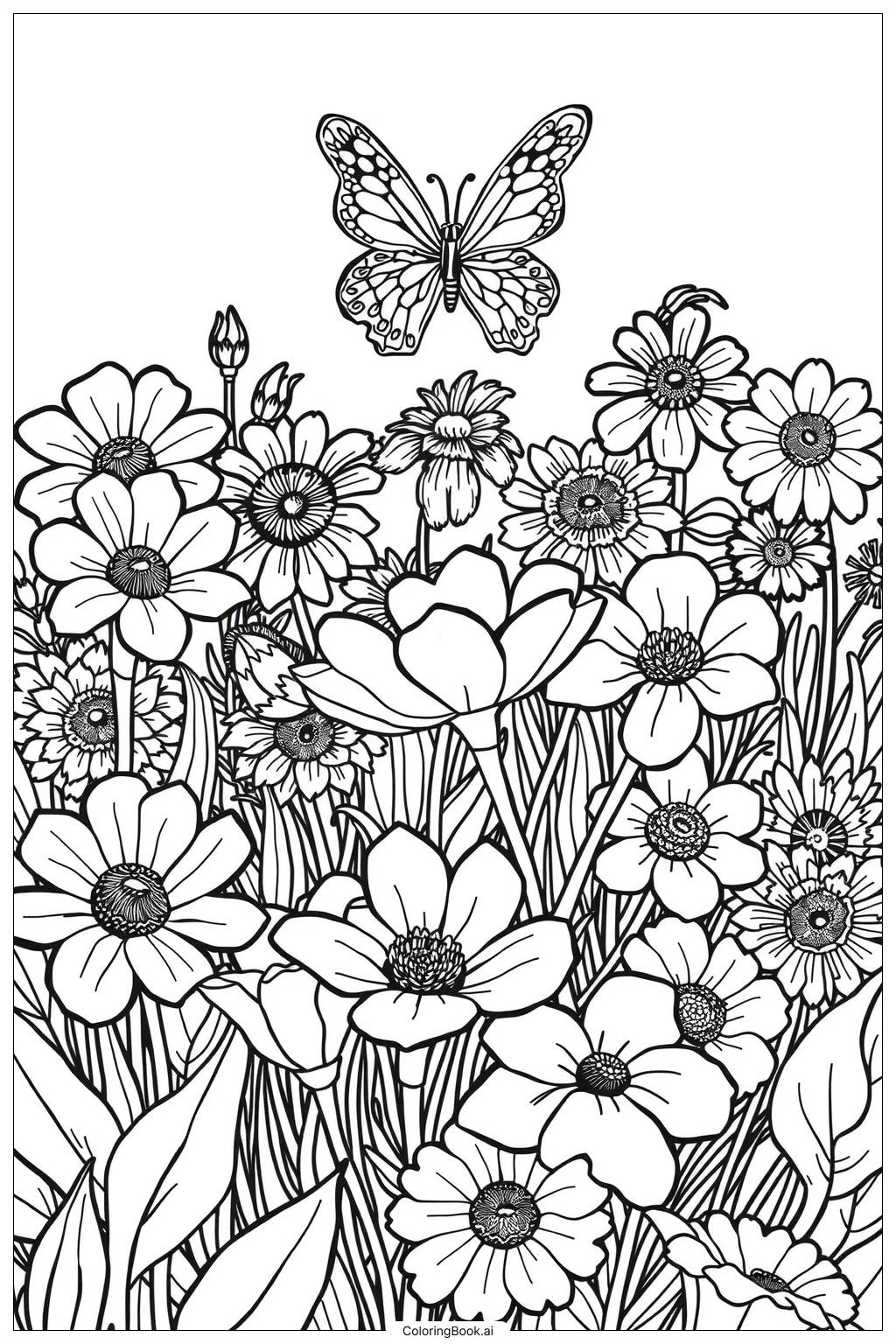
Coloring tips: How to color Morning Flower Meeting-2 coloring page well?
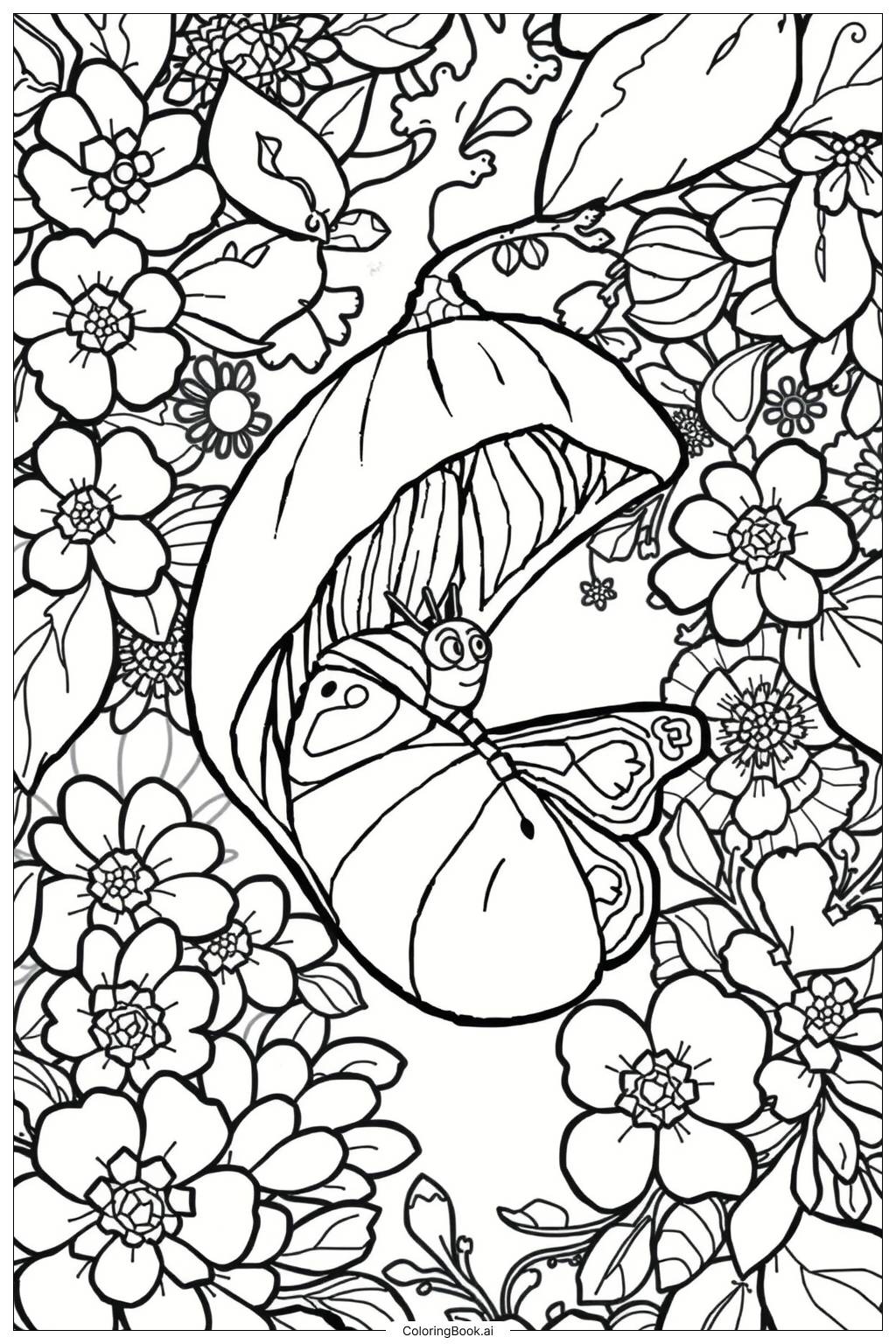
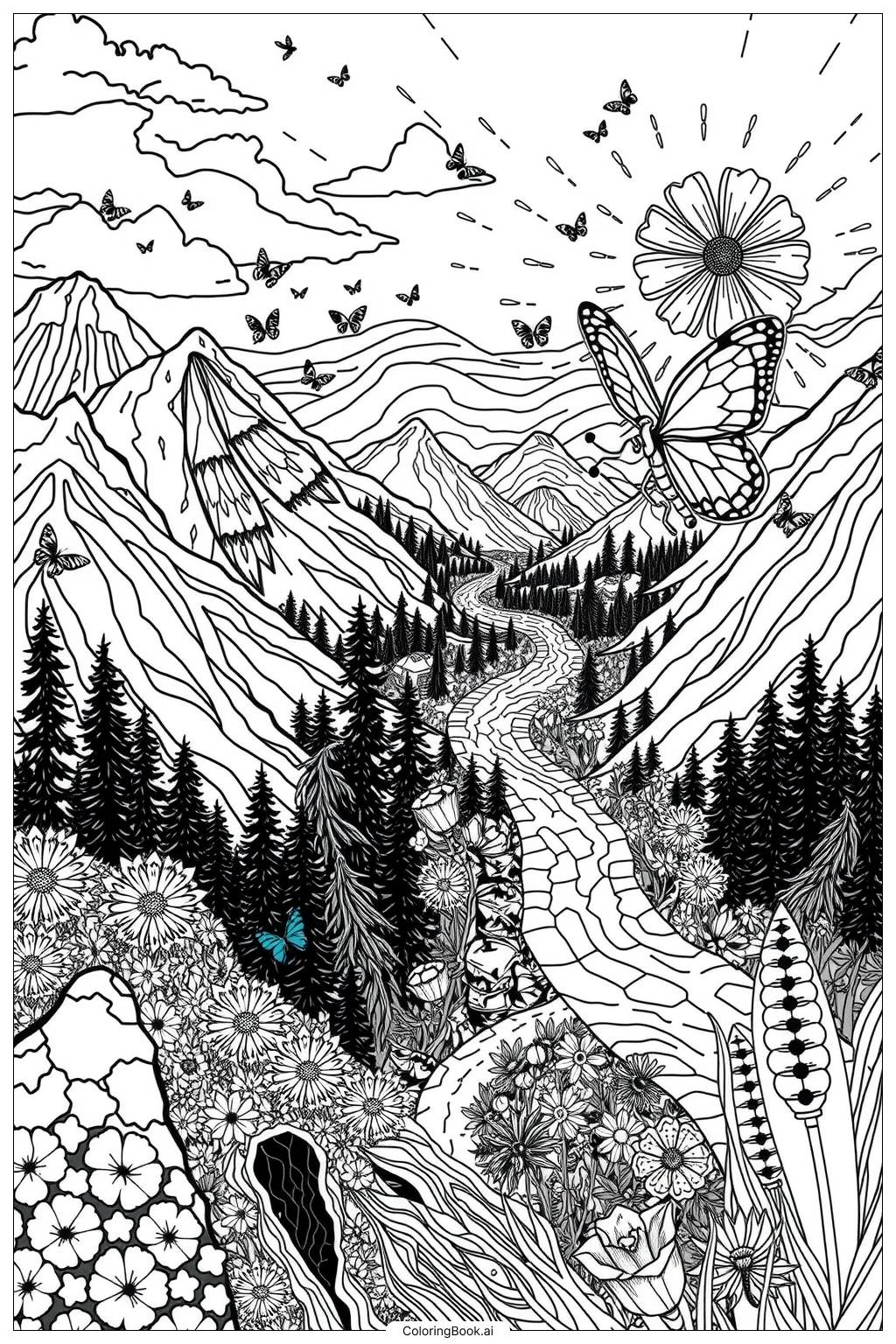
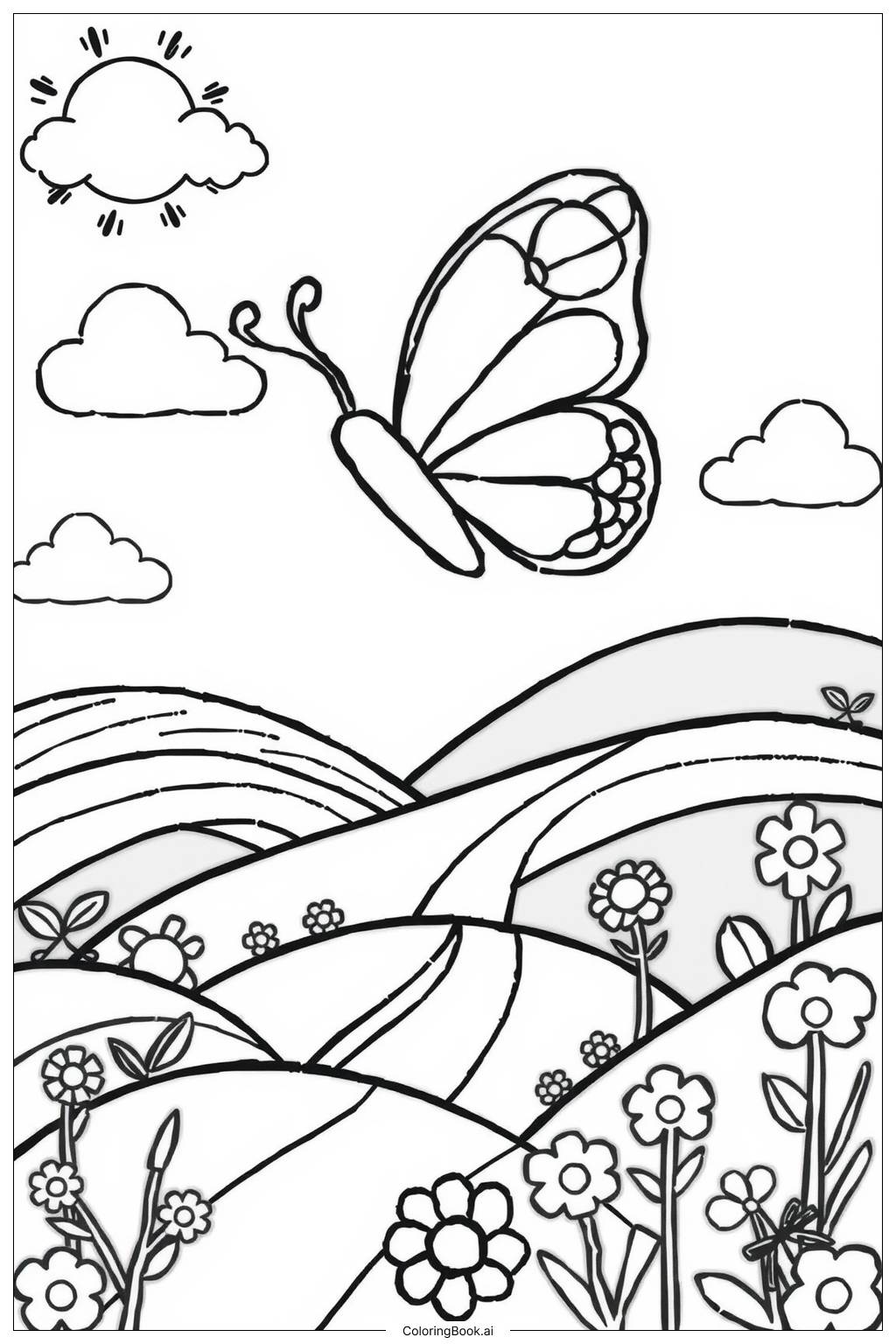
Start with the butterfly wings, as they are the focal point of this image. Use bright, warm colors like orange, yellow, or soft purple. Add darker shades along the wing edges and around the spots to create depth. Keep the body of the butterfly brown or black. For the flowers, choose cheerful colors like pink, red, or light blue for the petals and yellow or orange for the centers. Use different shades of green for the leaves to show light and shadow. Darker green works well near the veins, while lighter green fills the open areas. Color each element one at a time so the colors stay clean and neat. This image works great with colored pencils, crayons, or watercolor paints. Let kids pick their own color combinations to make the scene feel personal and fun.
Coloring challenges: Which parts are difficult to color and need attention for Morning Flower Meeting-2 coloring page?
• Wing Pattern Precision: The butterfly wings contain many small details, including fine veins, curved outlines, and decorative spots. Staying inside these narrow lines requires a steady hand and a sharpened pencil or thin marker. Rushing through this area may cause colors to bleed into each other, so take your time with each section.
• Blending Wing Colors: Butterfly wings often display gradual color transitions from the center to the tips. Achieving a smooth blend, such as shifting from deep orange to pale yellow, can be tricky. Layering colors lightly and building up slowly helps create a more natural look without harsh color jumps.
• Flower Petal Depth: Each flower has multiple layered petals, and making them look three-dimensional takes effort. Using two or three shades of the same color, lighter toward the center and darker near the edges, helps suggest depth. Without shading, the petals can appear flat.
• Leaf Vein Detailing: The leaves feature clearly drawn veins running throughout. Deciding whether to color the veins separately or blend them into the leaf surface is a small but important choice. Leaving veins slightly lighter than the surrounding leaf area creates a more realistic look.
• Overall Color Harmony: This scene includes a butterfly, multiple flowers, and several leaves all at once. Choosing colors that look good together across the whole page requires planning. Picking a simple color palette before starting helps keep the finished image balanced and visually pleasing.
Benefits of coloring books: Advantages of drawing Morning Flower Meeting-2 coloring page
Coloring this butterfly and flower scene offers many wonderful benefits for children and young artists. Working through the fine details of the butterfly wings builds patience and helps develop fine motor skills. Guiding a pencil carefully along small curves and shapes strengthens hand-eye coordination, which supports everyday tasks like writing. Choosing colors for the flowers and butterfly encourages creative thinking and personal expression. There are no wrong color choices here, so kids feel free to experiment and build confidence in their own ideas. The repetitive, focused nature of coloring also has a calming effect, helping children manage energy and settle into a quiet, peaceful activity. Completing a full page gives a real sense of accomplishment, boosting self-esteem and motivation to try more creative projects. For older children, this image also introduces basic concepts of color harmony and shading in a hands-on way. Overall, this coloring page turns a simple activity into a rich learning experience that nurtures both creativity and focus.