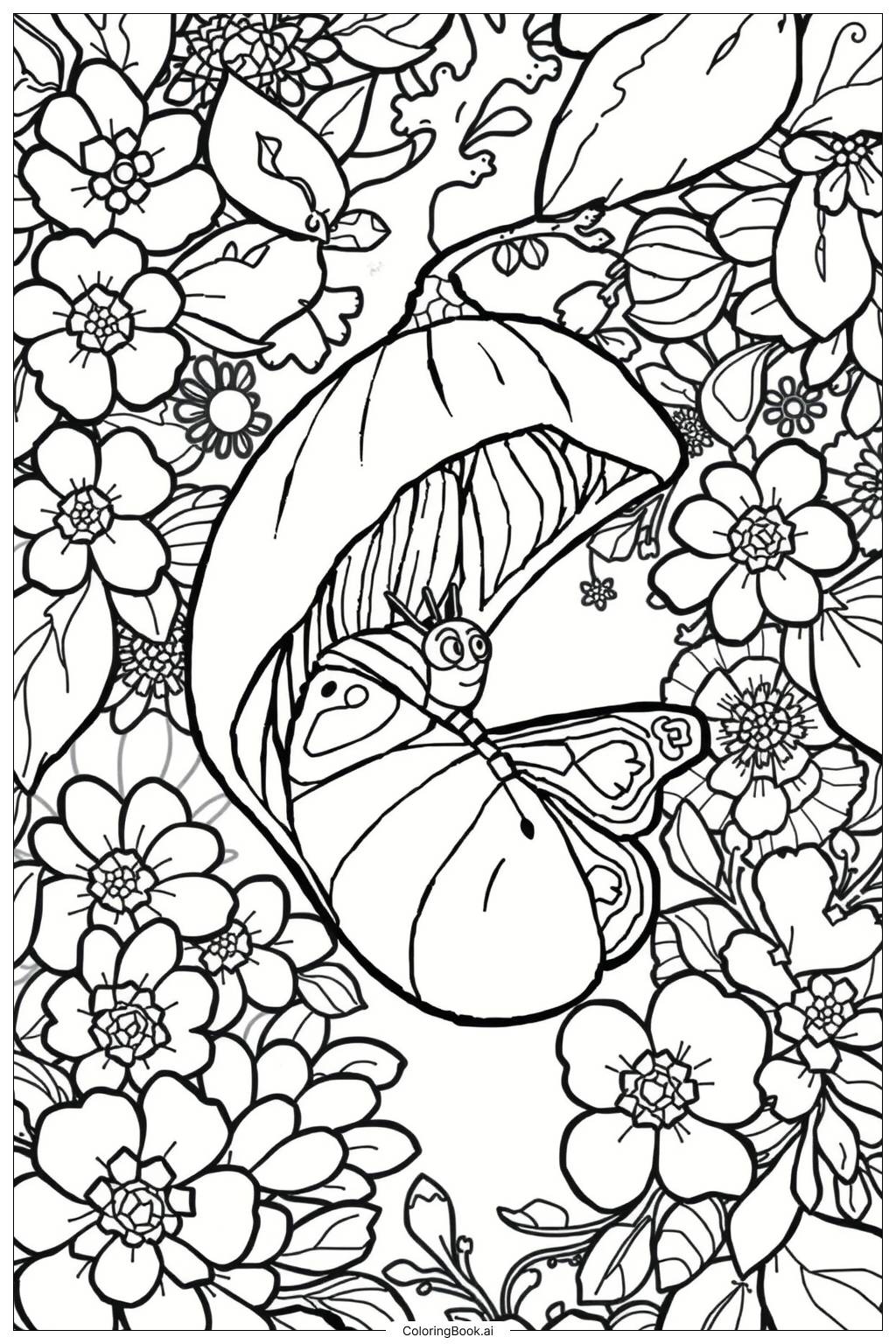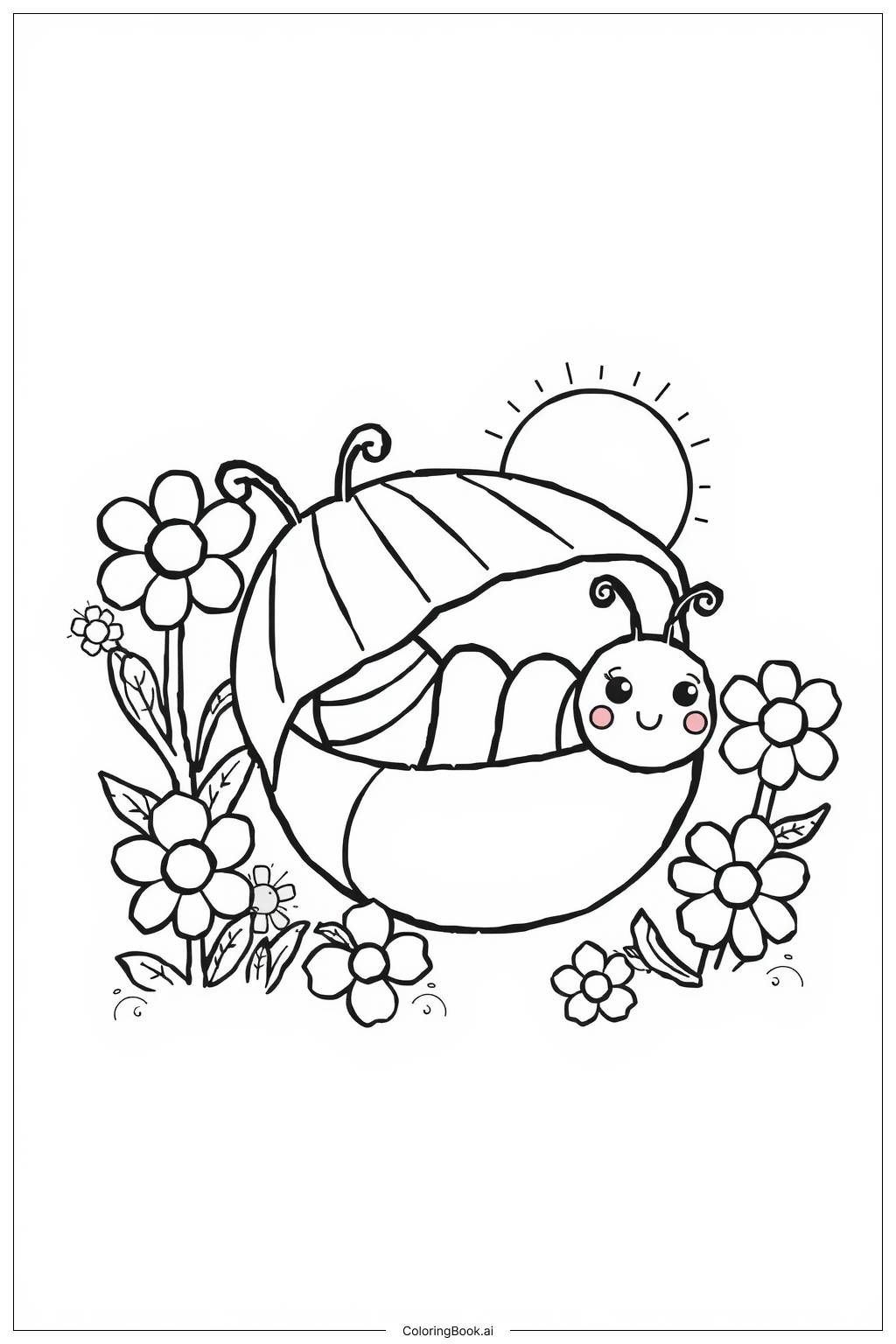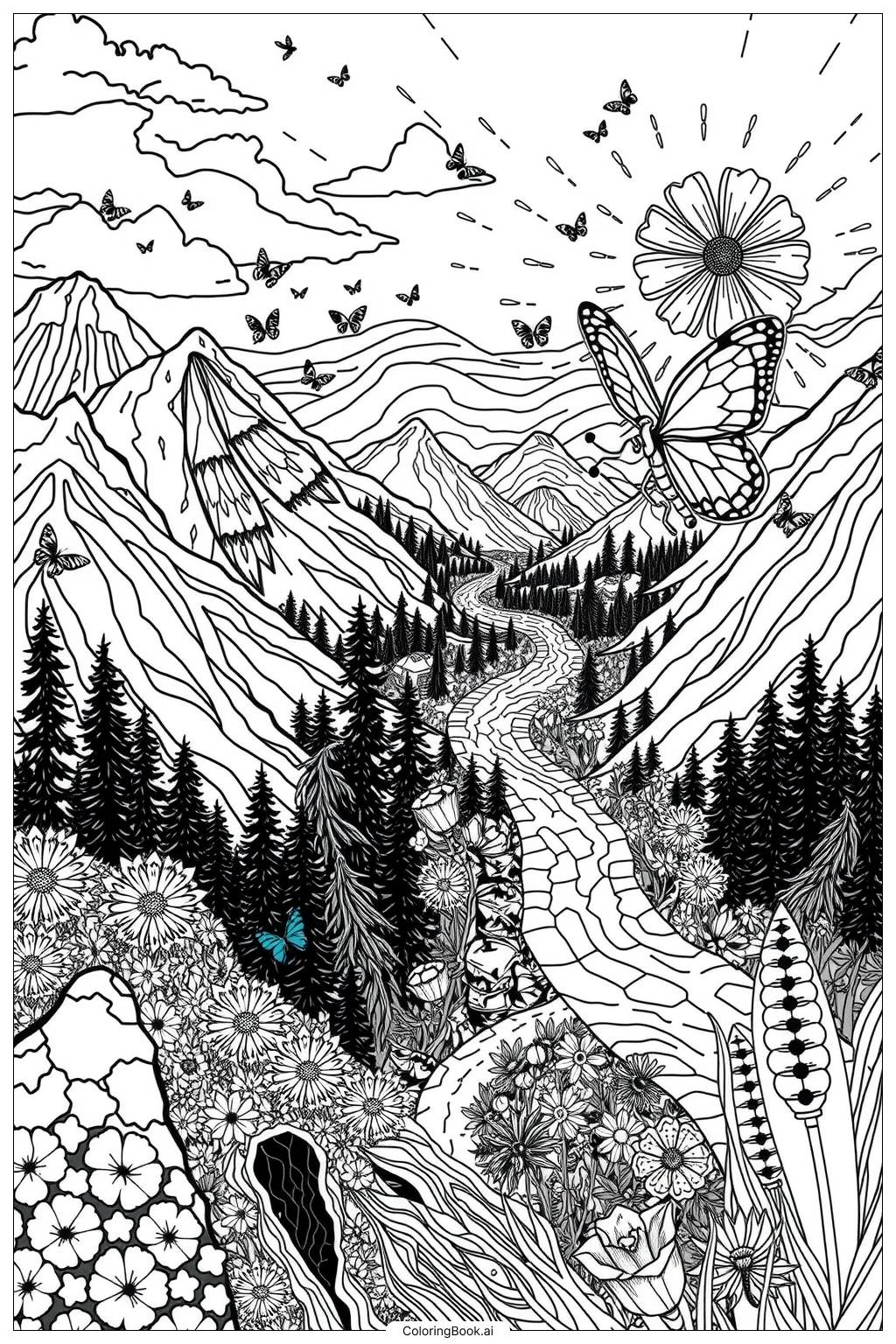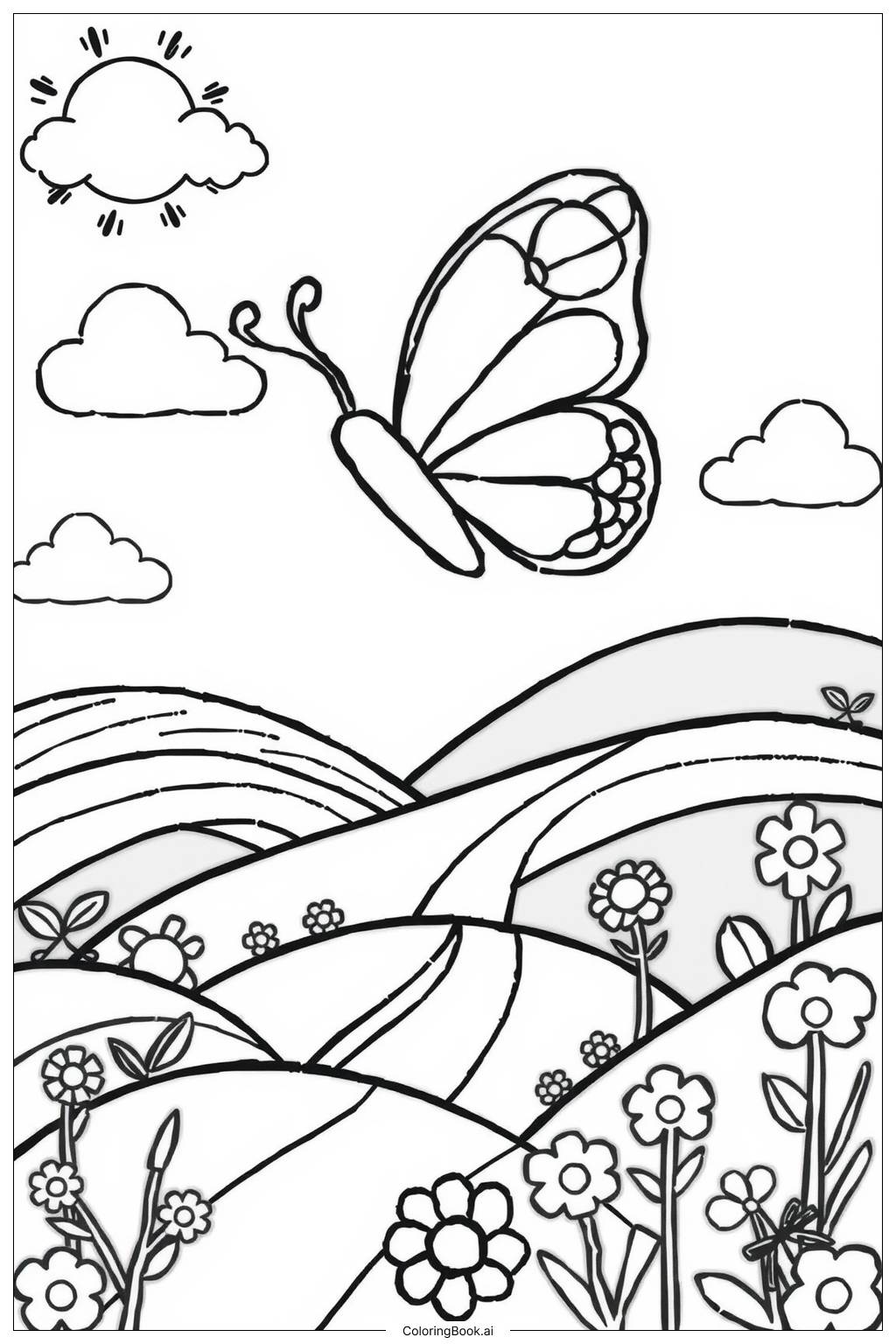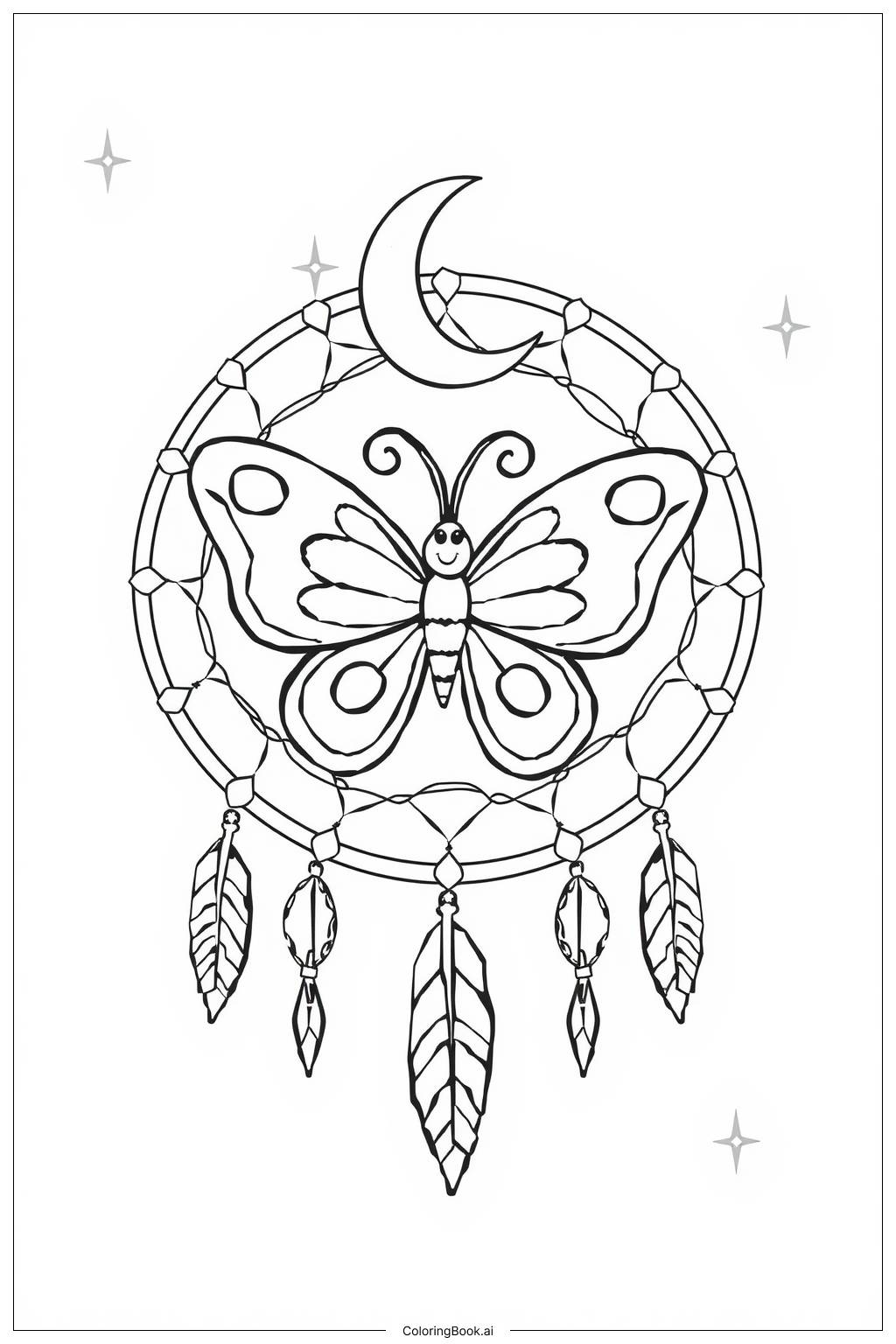
Coloring tips: How to color Dreamcatcher Butterfly Night coloring page well?
Start with the butterfly's wings using deep, rich night-time colors like midnight blue, violet, and deep purple. These shades will give the wings a magical, dreamy feel. Use gold or yellow for the dreamcatcher webs to make them stand out. Color the feathers in warm tones like orange, red, and brown for a natural look. For the beads, try bright accent colors like turquoise, pink, or silver to add sparkle. Use pale yellow or white for the stars and crescent moon shapes in the background. Add dark navy or black to the background to create a strong night sky contrast. For the flowers and vines, soft greens and pastel pinks work beautifully. Take your time with the small details inside the wings. Blending two colors together in larger sections can create a lovely gradient effect. Do not be afraid to mix unexpected colors — this is a fantasy scene, so anything goes!
Coloring challenges: Which parts are difficult to color and need attention for Dreamcatcher Butterfly Night coloring page?
• Intricate Dreamcatcher Web Patterns: The woven web designs inside the butterfly wings are made up of very fine, closely spaced lines that form small geometric sections. Coloring inside these tiny spaces without going over the lines takes a steady hand and a sharp, fine-tipped colored pencil or marker. Rushing through these areas can lead to smudging or uneven fills, so patience is key.
• Feather and Bead Details: The feathers hanging from the wings have delicate lines and layers that require careful shading to look realistic. Each bead is small and round, meaning you need to switch colors frequently and color in small circular motions. Missing even one bead or feather section can disrupt the overall harmony of the design.
• Background Night Sky: The background contains stars, moon shapes, and possibly swirling textures that sit very close to the butterfly's body and wing edges. Coloring the background without accidentally overlapping onto the butterfly requires precise control, especially along curved or pointed wing edges.
• Wing Pattern Symmetry: The two wings often mirror each other with matching patterns. Keeping the colors consistent and symmetrical on both sides is a real challenge, especially when working with gradients or multiple colors. It helps to plan your color choices before you start filling in each section.
• Layered Floral and Vine Borders: The vines, leaves, and small flowers surrounding the butterfly create a dense border with many overlapping shapes. Deciding which element is in front and which is behind, and coloring accordingly, adds another layer of complexity to an already detailed composition.
Benefits of coloring books: Advantages of drawing Dreamcatcher Butterfly Night coloring page
Coloring this Dreamcatcher Butterfly Night page offers many wonderful benefits for both kids and Adults. The detailed dreamcatcher and butterfly patterns help build fine motor skills and hand-eye coordination as you carefully fill in small spaces. Focusing on intricate designs like this one encourages patience and concentration, which are great habits for learning and everyday life. The calming nature of the night-time theme makes this page especially good for relaxing after a busy day. Choosing colors for the wings, feathers, and starry background sparks creative thinking and imagination. Kids get to explore color combinations and express their own artistic style freely. For older children and Adults, the complexity of the design provides a satisfying creative challenge that builds confidence when completed. The dreamcatcher symbolism also opens up conversations about culture, protection, and dreams, making this more than just a coloring activity. Sharing the finished artwork with family or friends brings a sense of pride and joy. Overall, this page is a wonderful blend of art, mindfulness, and storytelling that benefits colorists of all ages.