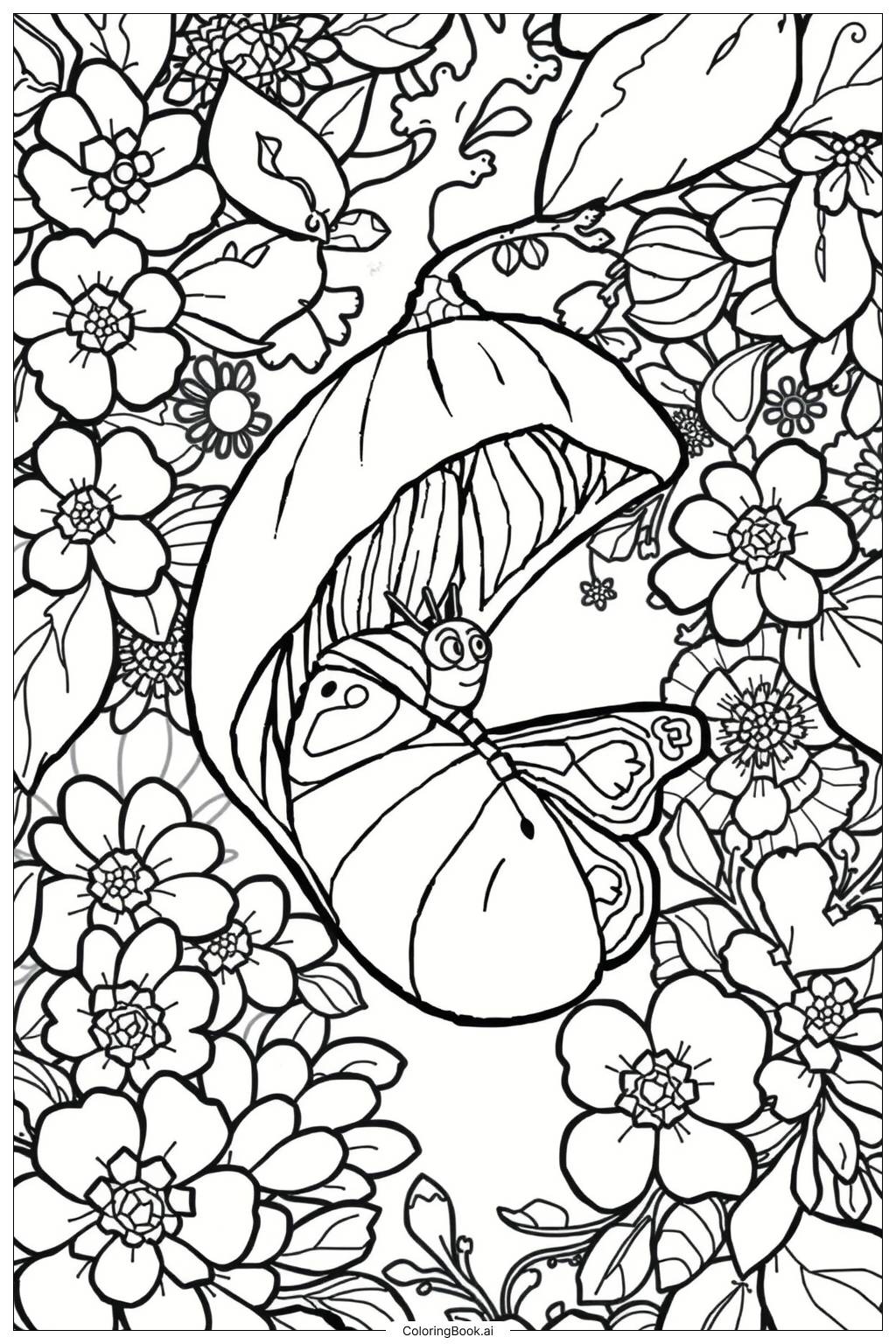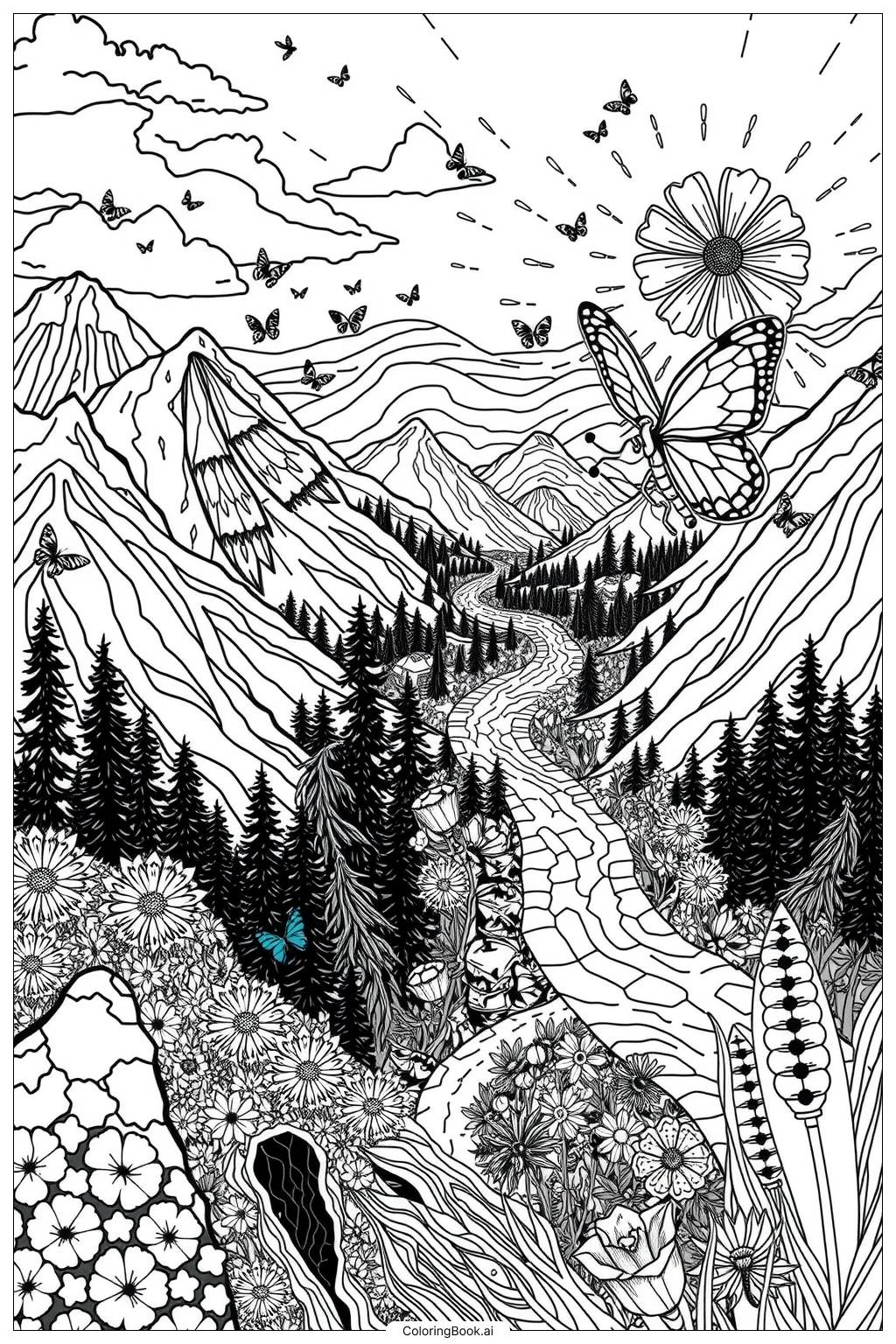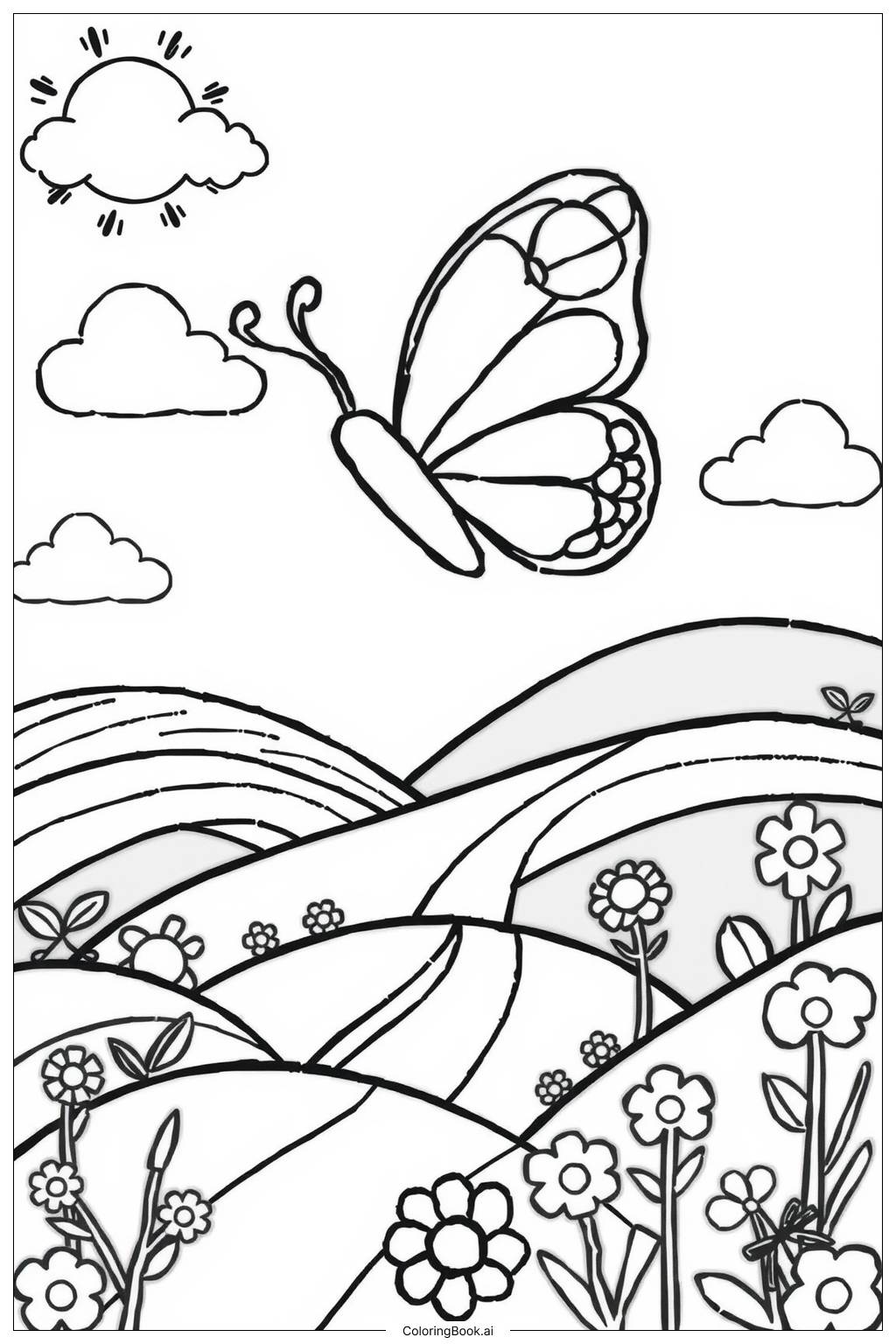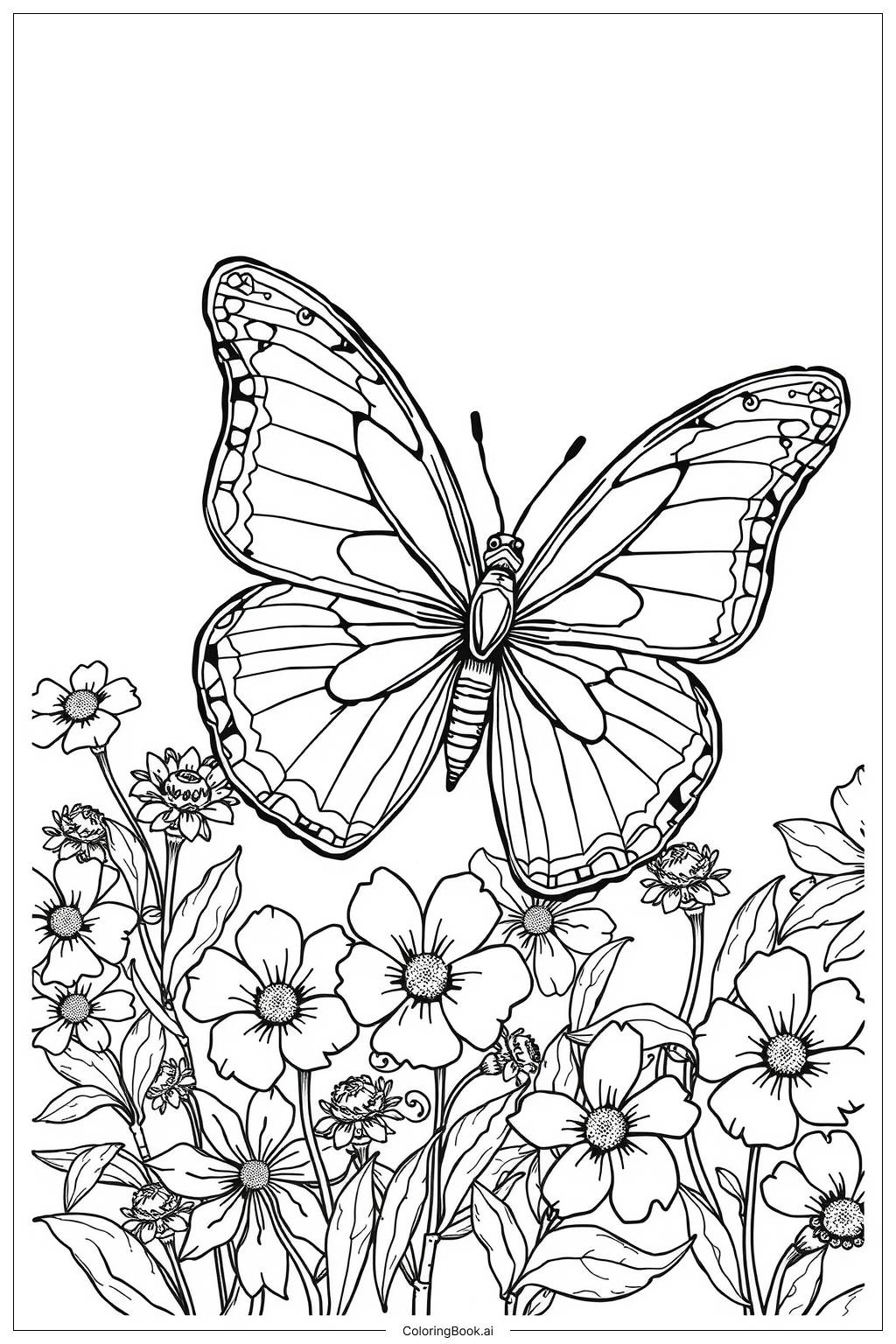
Coloring tips: How to color Difficult Butterfly Details-2 coloring page well?
Start with the largest sections of the wings first. Use bold, bright colors like orange, yellow, or blue for these big areas. This gives your butterfly a strong and eye-catching base.
Next, move to the smaller details inside the wings. Try using darker shades or contrasting colors to make the little shapes pop. For example, if the large area is light blue, color the small shapes inside in deep purple or navy.
Use a fine-tipped colored pencil or marker for the tiny dots and thin border lines. This helps you stay inside the lines more easily.
Try to keep the left and right wings balanced. Use the same colors on both sides to show the butterfly's natural symmetry. You can also experiment with a gradient effect, blending two colors together in the larger sections.
Don't forget the body! Use earthy tones like brown or dark green to make it look natural. Have fun and let your creativity shine!
Coloring challenges: Which parts are difficult to color and need attention for Difficult Butterfly Details-2 coloring page?
• Tiny Sectioned Areas: The wings are divided into dozens of very small sections by fine lines. Coloring inside each tiny shape without going over the borders requires a steady hand and a sharp, fine-tipped tool. This can be especially tricky for younger colorists or anyone just starting out.
• Maintaining Color Symmetry: Because a butterfly's wings are naturally symmetrical, keeping the colors balanced on both sides is a real challenge. You need to plan your color choices in advance and stay consistent as you work from one wing to the other. A small mistake on one side can make the whole design look uneven.
• Complex Layered Patterns: The wings contain multiple layers of design, including circular motifs, wavy lines, and feather-like textures all stacked on top of each other. Deciding which layer gets which color, and making sure those colors work together harmoniously, takes careful thought and a good eye for color theory.
• Gradient and Blending Details: Many areas of the design look best when colors are blended or gradients are applied. Achieving a smooth transition between two colors within such small spaces is technically demanding, especially when using colored pencils or markers rather than watercolor.
• Fine Border Lines: The outermost edges of the wings feature delicate, thin border patterns made of dots and curves. These lines are easy to accidentally color over, and filling the tiny spaces between them neatly demands both patience and precision tools.
Benefits of coloring books: Advantages of drawing Difficult Butterfly Details-2 coloring page
Coloring this detailed butterfly page offers many wonderful benefits for kids and adults alike.
For focus and patience, working through all the tiny sections trains your brain to slow down and concentrate. It helps build a longer attention span over time.
For creativity, choosing colors and deciding how to blend them gives you a chance to express yourself freely. There are no wrong answers, and every colorist will create something unique.
For hand skills, carefully staying within fine lines and filling small shapes improves fine motor control and hand-eye coordination. This is especially helpful for children developing their writing skills.
For stress relief, the repetitive, calming motion of coloring is known to reduce anxiety and quiet a busy mind. Many Adults use detailed coloring pages as a mindfulness activity, similar to meditation.
For a sense of achievement, finishing a complex design like this butterfly feels incredibly rewarding. Seeing a detailed piece come to life with your own color choices builds confidence and pride in your work.
Overall, this butterfly coloring page is a fun, enriching activity that supports mental well-being, creative growth, and skill development for colorists of all ages.