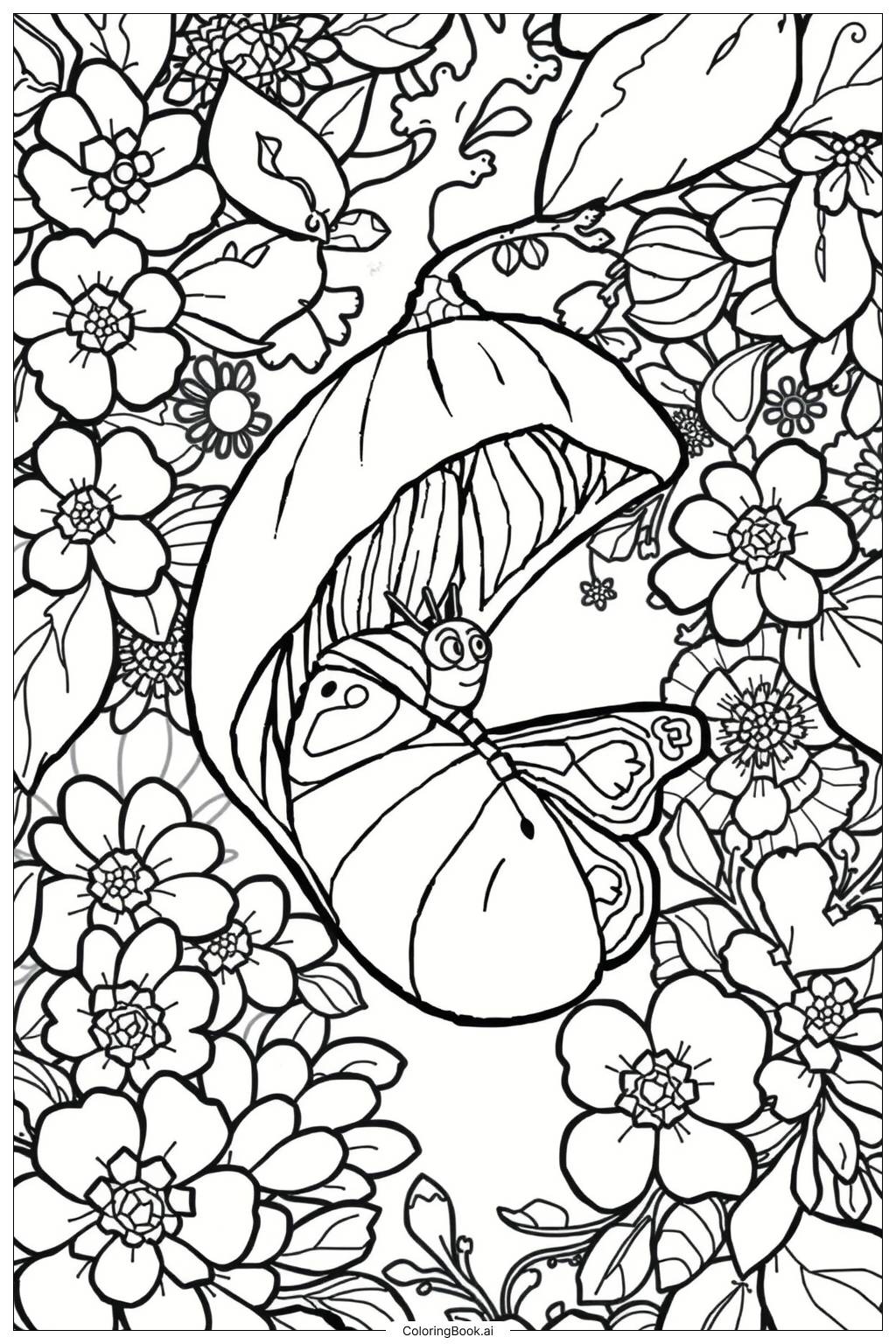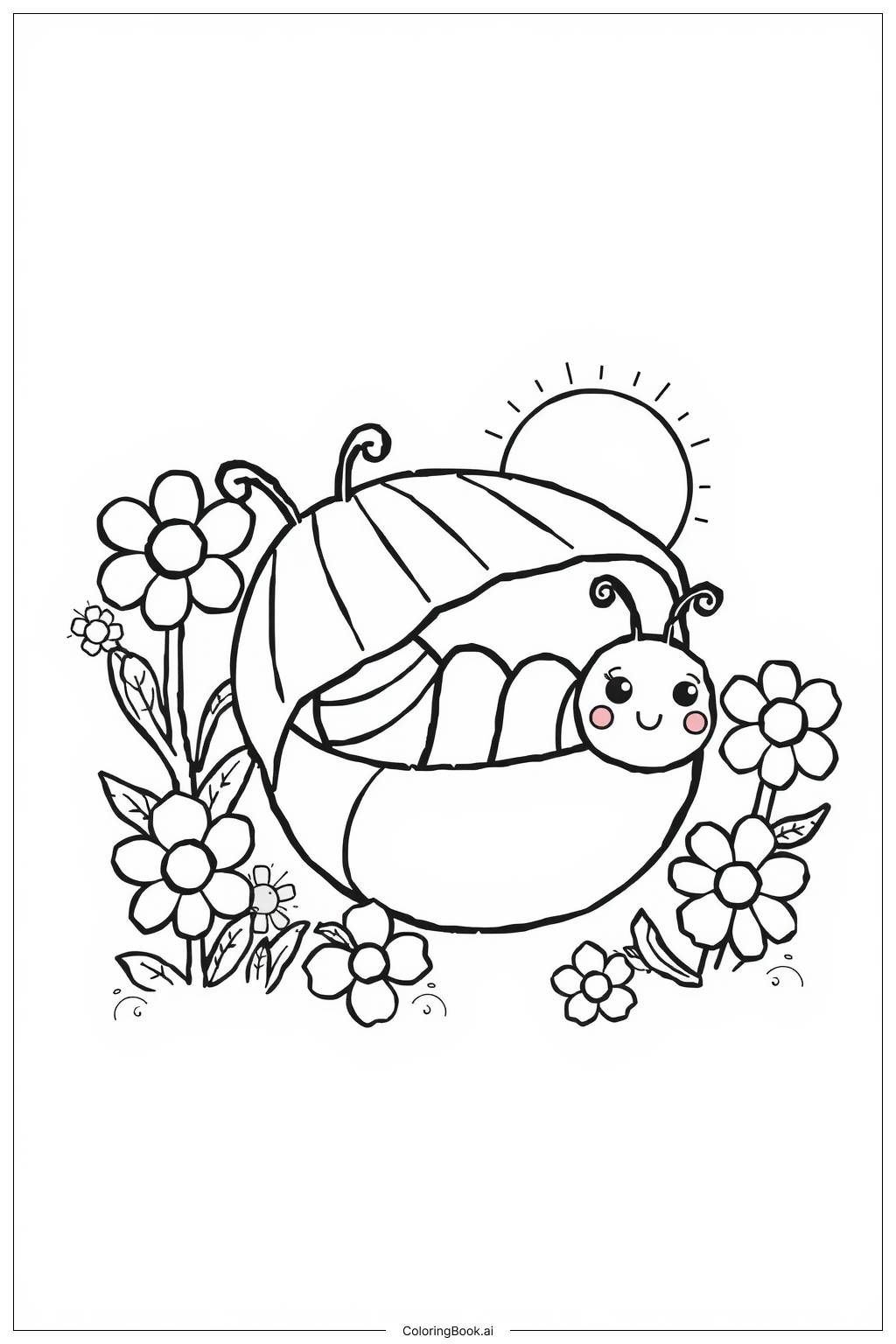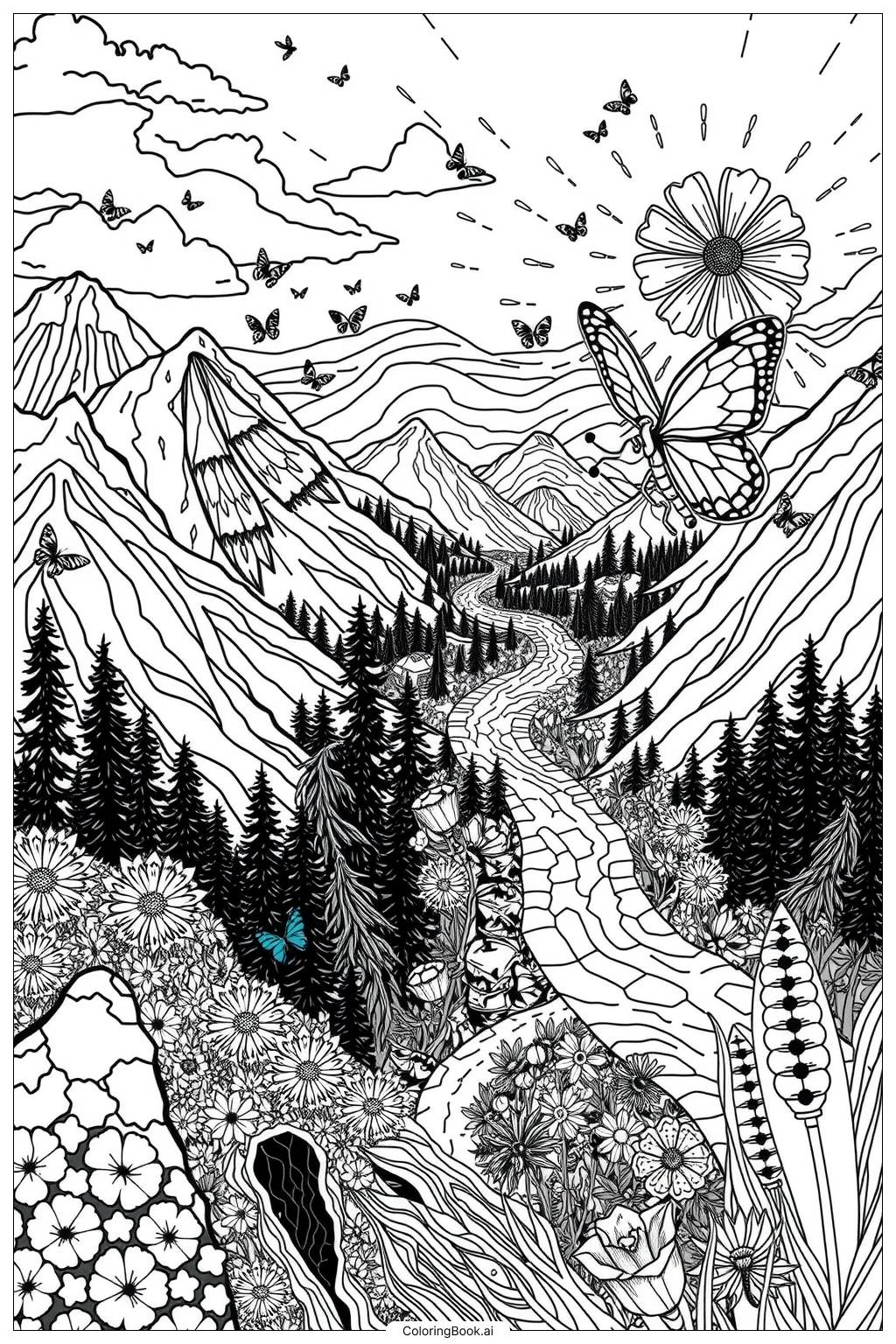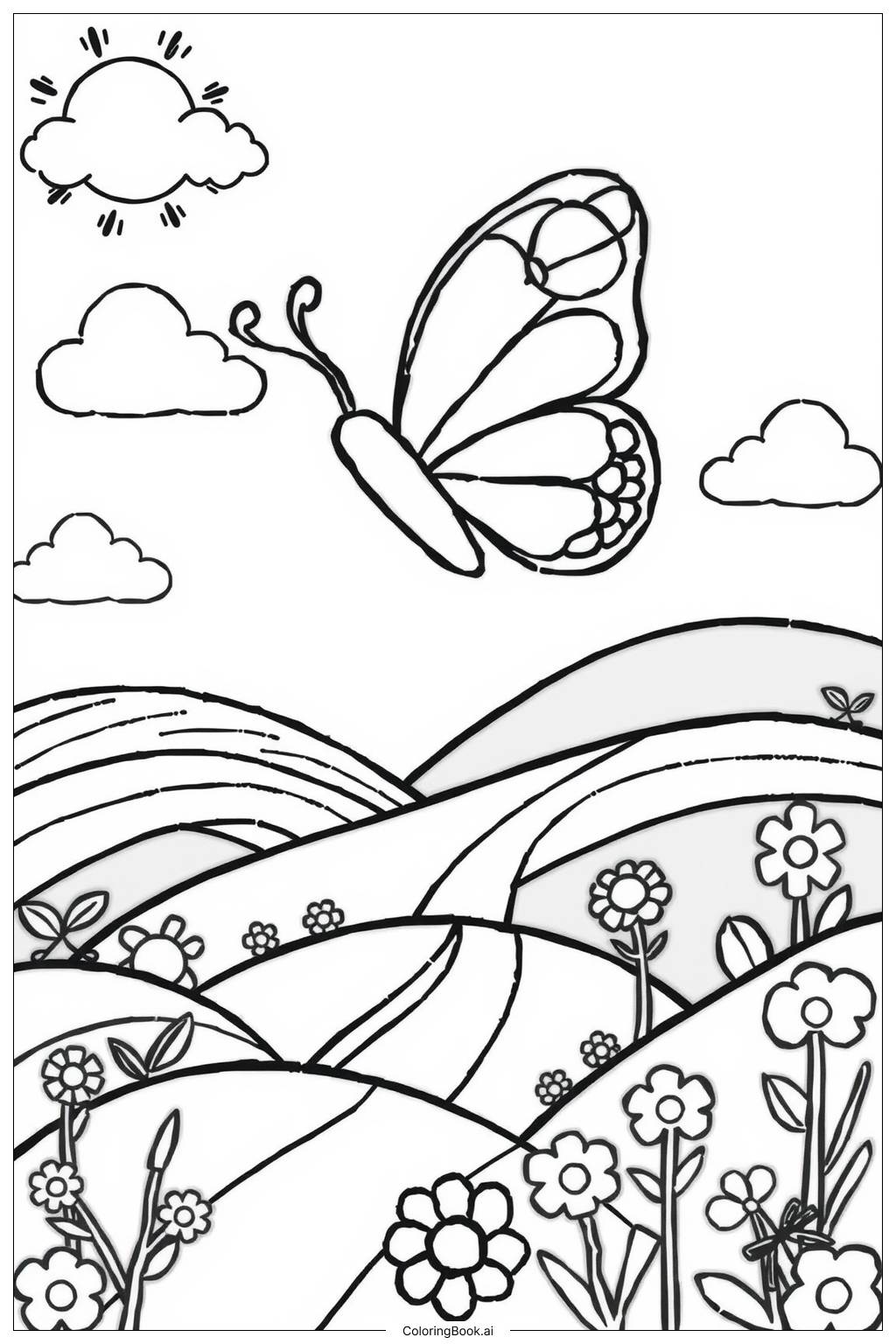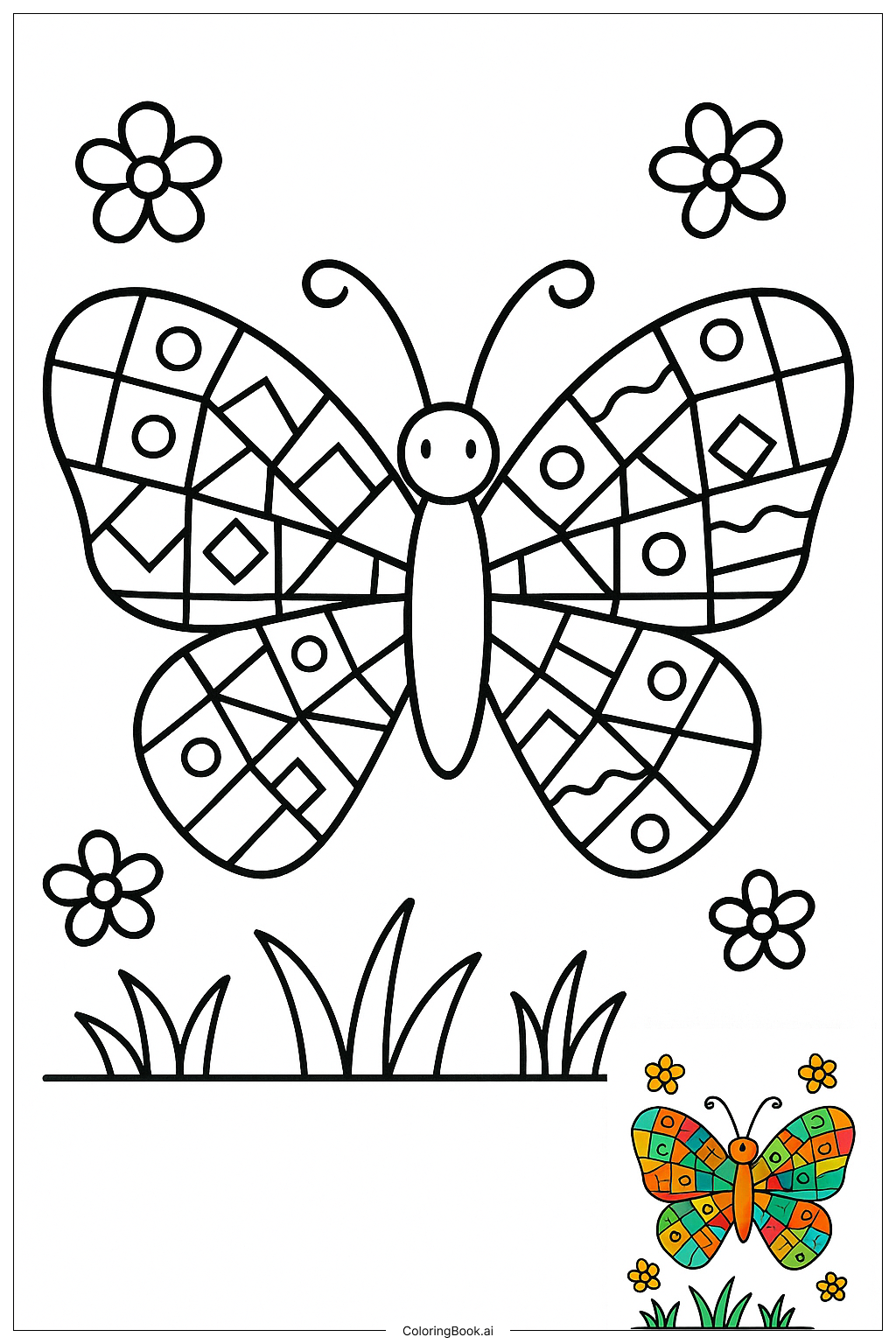
Coloring tips: How to color Butterfly With Mosaic Tile Texture coloring page well?
Start by choosing a color theme for the wings. You can use warm colors like red, orange, and yellow for a sunset look, or cool colors like blue, purple, and teal for an ocean feel. You can also mix both for a rainbow effect. Color each mosaic tile one at a time. Try to make tiles that share an edge use different colors so they stand out from each other. This is called contrast, and it makes the mosaic look more realistic and eye-catching. Use darker shades near the edges of each tile and lighter shades in the center to create a glowing effect. For the butterfly's body and antennae, pick a dark color like brown or black to make them pop. Leave small white highlights inside a few tiles to add a shiny, glass-like look. Take your time and enjoy the process — every tile you finish brings the butterfly to life!
Coloring challenges: Which parts are difficult to color and need attention for Butterfly With Mosaic Tile Texture coloring page?
• Tile Boundaries and Precision: The mosaic pattern consists of many small geometric tiles packed closely together. Staying within the tiny outlines without going over the edges requires a steady hand and a fine-tipped coloring tool. Young children may find this especially tricky, so using thin markers or sharpened colored pencils is highly recommended to keep each tile neat and clean.
• Color Coordination Across the Wings: The butterfly has two pairs of wings, and making them look balanced and symmetrical is a real challenge. Coloring the left and right wings with matching or mirrored color patterns takes careful planning. If you color freely without a plan, the finished result may look uneven or mismatched, which can be frustrating.
• Avoiding Color Repetition Between Adjacent Tiles: A key rule in mosaic art is that neighboring tiles should not share the same color. With so many tiles sitting side by side, keeping track of which colors have already been used next to each tile takes focus and attention. Running out of color variety can make sections of the wings look flat or confusing.
• Shading and Depth Within Small Tiles: Each tile is small, which makes it harder to add shading or gradients inside them. Creating a three-dimensional, glass-like effect in such a limited space requires blending skills and patience. Beginners may prefer to use flat colors first, then slowly practice adding light and shadow as their skills improve.
• Consistent Line Quality Along Wing Edges: The decorative borders along the wing edges have fine detail that must be colored carefully to maintain the elegant overall shape of the butterfly. Rushing through these border sections can make the finished artwork look rough or unfinished.
Benefits of coloring books: Advantages of drawing Butterfly With Mosaic Tile Texture coloring page
Coloring this butterfly mosaic page offers a wide range of benefits for kids and adults alike. The detailed tile pattern helps train fine motor skills, as carefully filling small sections strengthens hand-eye coordination and pencil control. This is especially helpful for younger children who are still developing writing and drawing skills. Planning which colors go where encourages creative thinking and decision-making. Kids learn to think ahead, consider color combinations, and develop their own artistic style. The repetitive nature of filling in tile after tile has a calming, almost meditative effect. It helps reduce stress and improve focus, making it a wonderful activity after a busy school day. For older children and adults, the challenge of creating a balanced and harmonious color scheme builds patience and persistence — two valuable life skills. Completing a complex and beautiful mosaic butterfly also gives a strong sense of accomplishment and pride. Sharing the finished artwork with friends or family boosts confidence and encourages self-expression. Whether you are new to coloring or have lots of experience, this page offers just the right amount of challenge and fun to keep you engaged from the first tile to the last.