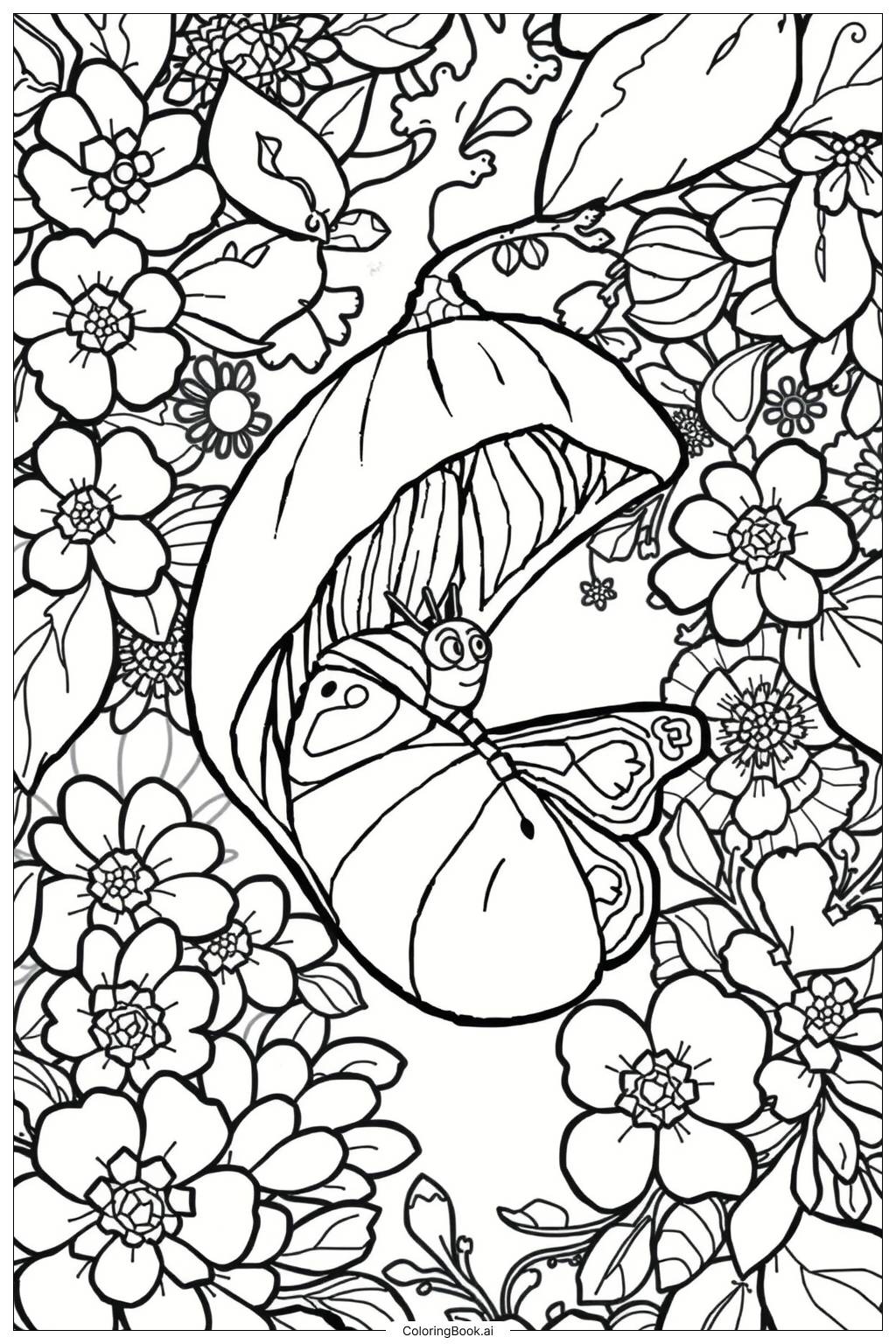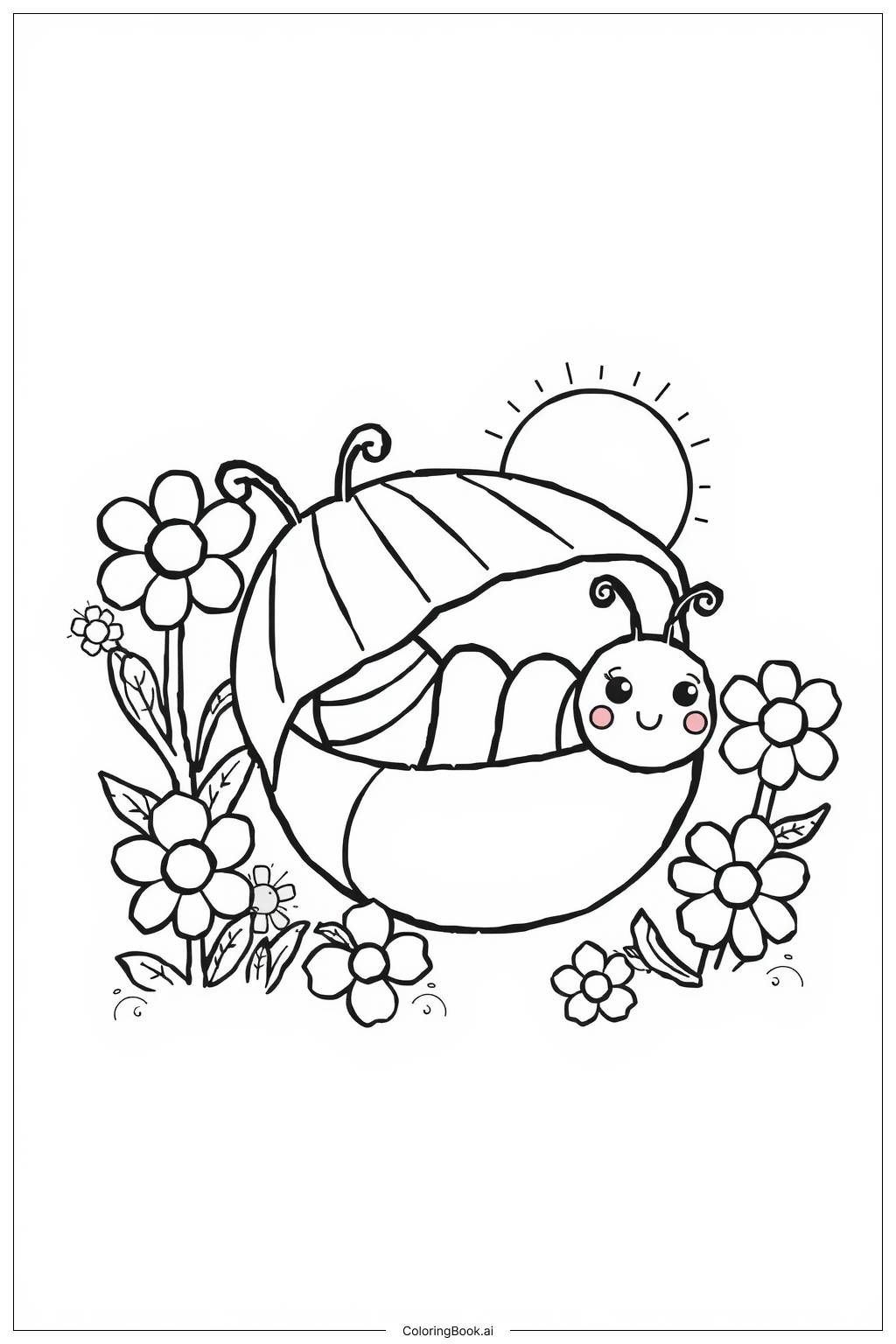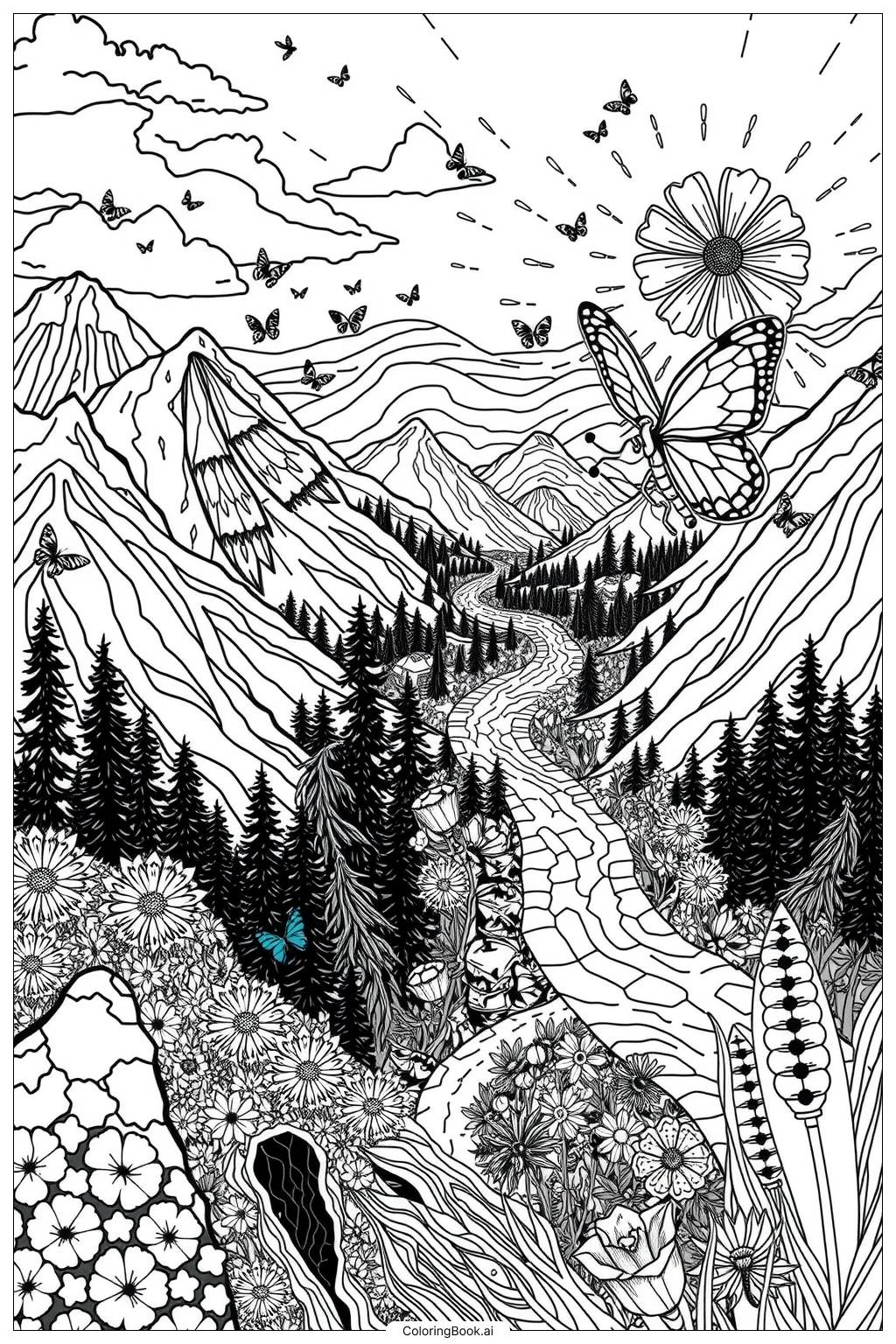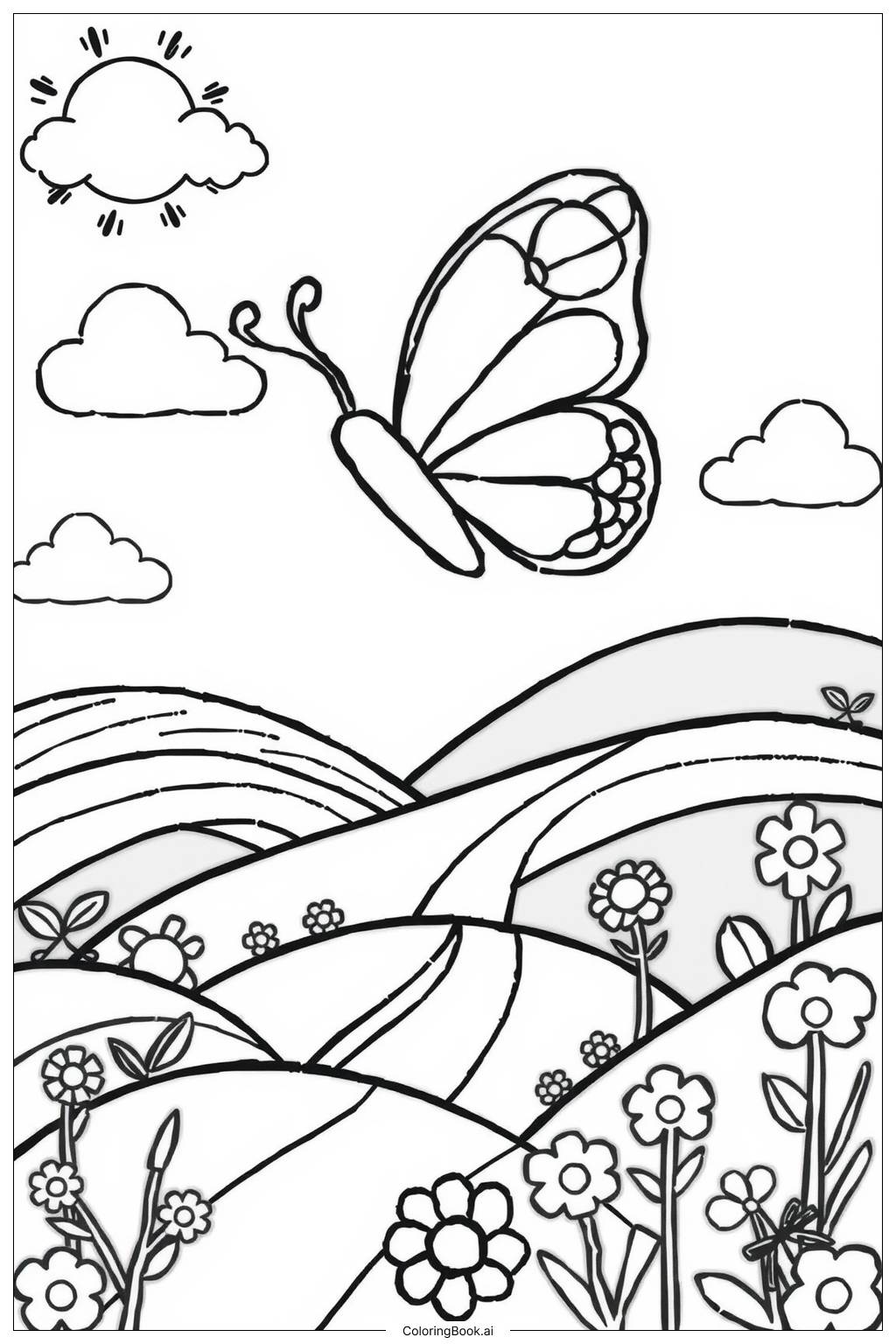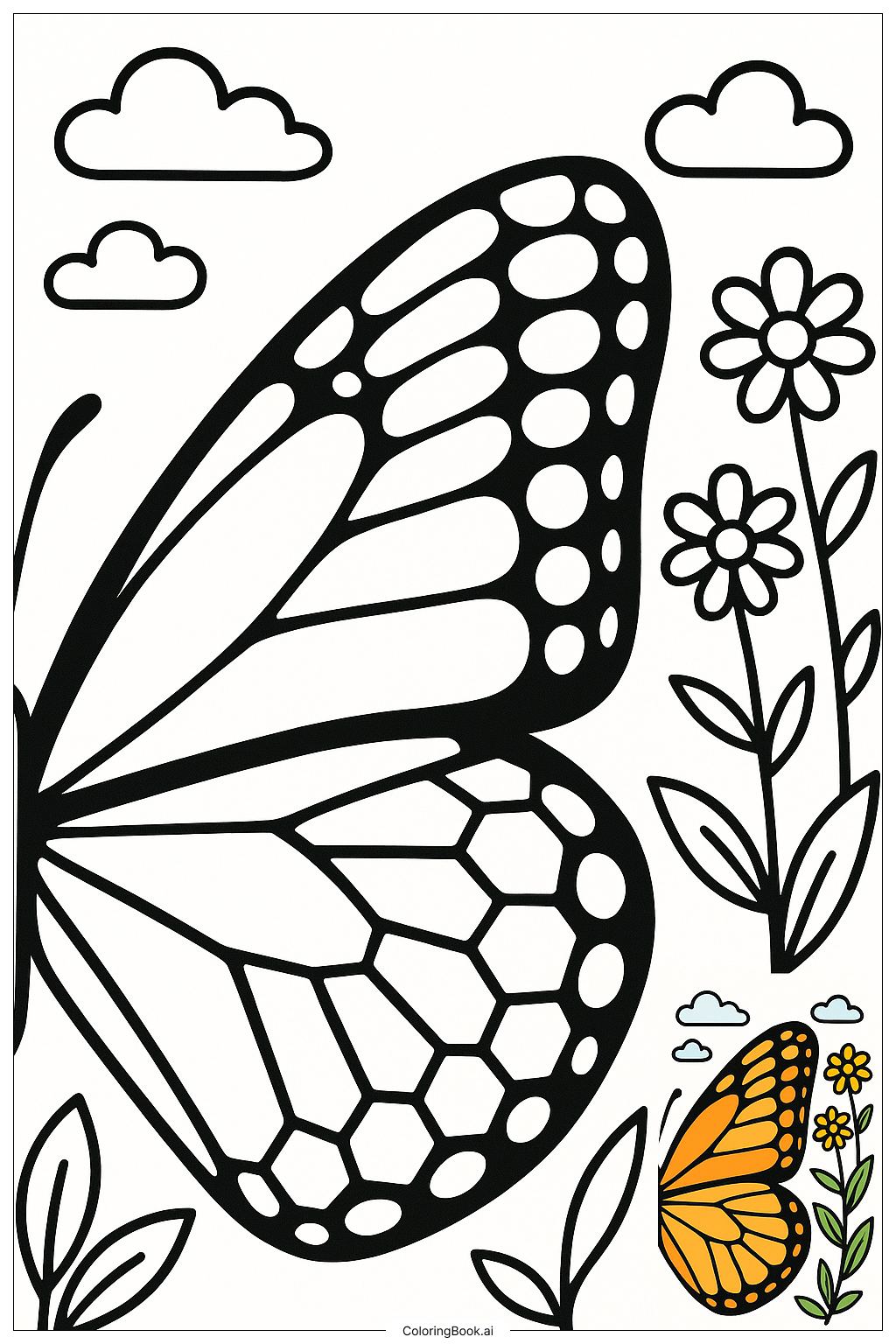
Coloring tips: How to color Butterfly Wing Scale Close-Up coloring page well?
Start with a light base color across all the scales. Blues, purples, oranges, or greens all work beautifully for butterfly wings. Use a slightly darker shade of the same color to add shadows along the edges of each scale. This gives a layered, three-dimensional look. Try a shimmery or metallic colored pencil to mimic the iridescent shine real butterfly wings have. You can also make each row of scales a slightly different shade, gradually shifting from light to dark across the page. Leave small highlights near the top of each scale to make them look glossy. Colored pencils or fine-tipped markers work best for the tiny details. Take your time and enjoy the process.
Coloring challenges: Which parts are difficult to color and need attention for Butterfly Wing Scale Close-Up coloring page?
• Scale Repetition and Consistency: The hundreds of tiny overlapping scales demand a steady hand and consistent coloring technique. Keeping each scale neat and evenly colored without smudging neighboring scales requires patience and careful control of your coloring tool. Rushing through this section will make the final result look messy.
• Conveying Depth and Layering: Because the scales overlap like shingles, creating a believable sense of depth is tricky. You need to apply darker tones on the lower edges and lighter tones near the tops of each scale. Getting this shading gradient right across dozens of scales takes practice and careful observation.
• Iridescent Color Effect: Real butterfly wing scales produce shimmering, color-shifting effects through light interference. Recreating this optical phenomenon with flat coloring tools is one of the biggest challenges. You may need to blend multiple colors — blues, greens, and purples — within a single scale to hint at that natural shimmer.
• Fine Ridge Details: Each scale contains tiny parallel ridges that add texture. Coloring around or along these micro-details without losing them entirely under heavy pigment requires a light touch and a sharp pencil tip or fine marker nib.
• Maintaining Color Harmony: With so many individual units to color, it is easy for the overall palette to become scattered and incoherent. Planning your color scheme before you start and sticking to a limited range of harmonious hues will help the finished piece look unified and naturally beautiful.
Benefits of coloring books: Advantages of drawing Butterfly Wing Scale Close-Up coloring page
Coloring this butterfly wing scale image offers wonderful benefits for kids and adults alike. The highly detailed, repeating pattern encourages focused attention and helps build concentration skills. Staying inside so many tiny shapes trains fine motor control and hand-eye coordination, which is especially helpful for younger children developing pencil grip and precision.
The meditative quality of coloring scale after scale has a calming effect. It can reduce stress and anxiety, making it a great quiet activity after a busy day. Many people find this kind of repetitive, mindful coloring just as relaxing as meditation.
This image also sparks curiosity about the natural world. Kids may start asking how real butterfly wings work, opening a door to learning about biology, optics, and the science of color. That natural curiosity is the foundation of a love for science.
Choosing and blending colors to replicate iridescent shimmer nurtures creativity and color theory awareness. Finishing such a detailed page also gives a strong sense of accomplishment and builds confidence. Overall, this is a rewarding activity that combines art, focus, calm, and learning all in one page.