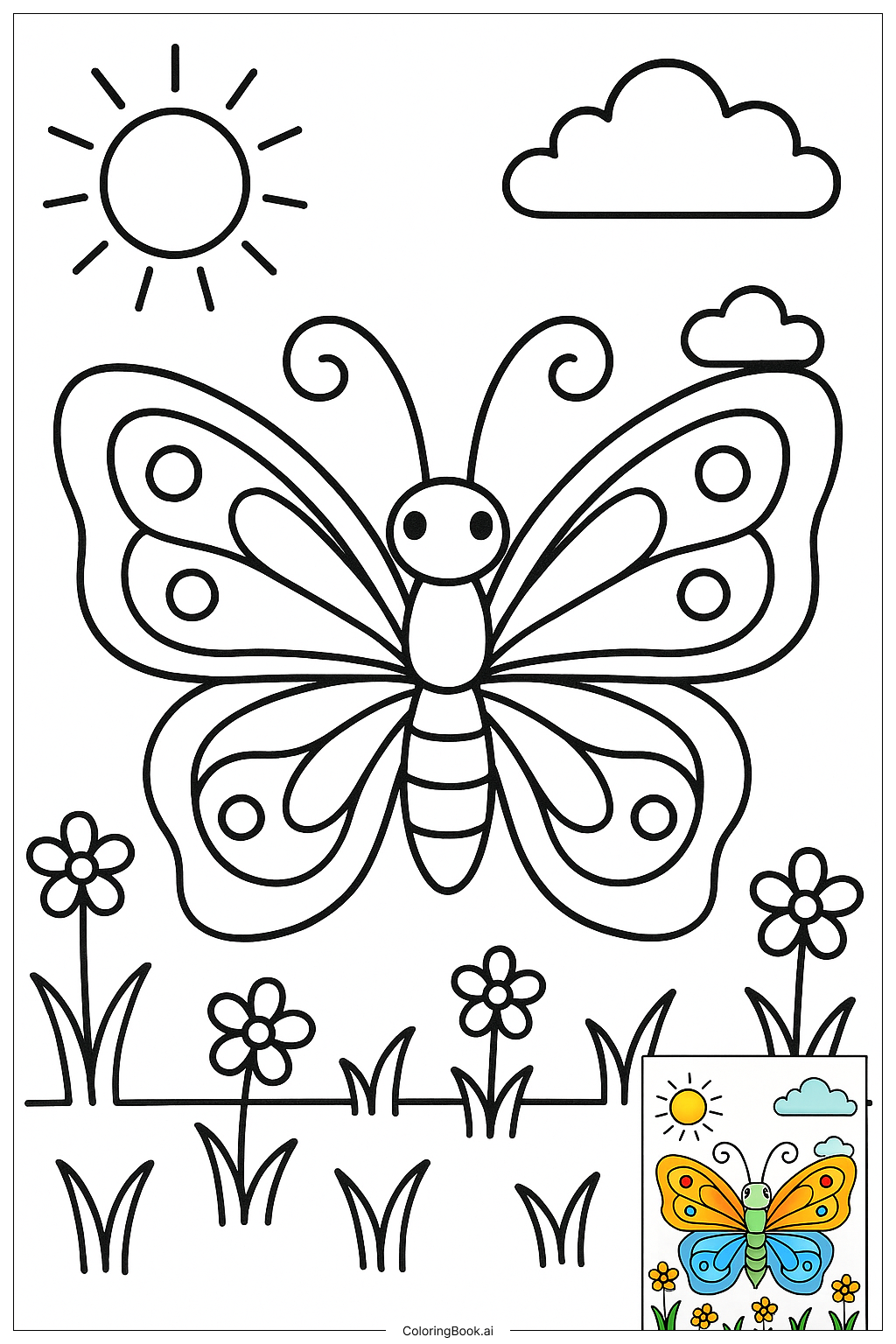
Coloring tips: How to color Butterfly Wing Mirror Reflection coloring page well?
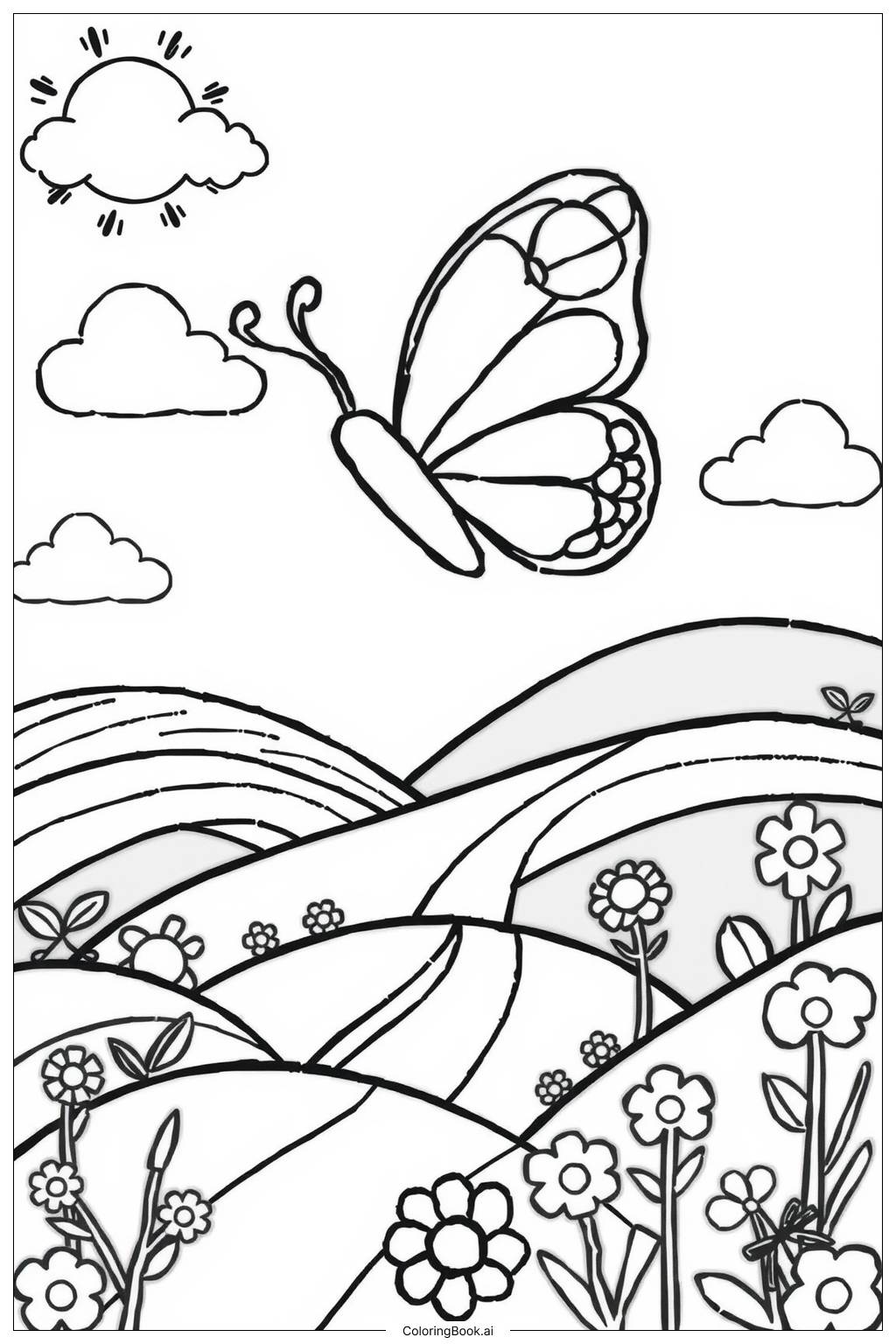
Start with the body in the center. Use a dark color like black or dark brown to make it stand out. Then move to the inner wing sections closest to the body. Warm colors like orange, red, and yellow work beautifully here. For the outer edges of the wings, try cooler shades like blue or purple to create a natural gradient. The eyespots look great in contrasting colors — try a dark outer ring with a bright center. Keep both sides matching since this is a mirror reflection design. Use light pencil strokes first, then build up color slowly. Younger colorists can use just two or three colors and still get a stunning result. Older kids and Adults can try blending techniques to add depth and realism to each wing section.
Coloring challenges: Which parts are difficult to color and need attention for Butterfly Wing Mirror Reflection coloring page?
• Maintaining Symmetry: Because this image is a mirror reflection, both wings must be colored identically. Keeping the same colors, shading direction, and pressure on both sides is one of the biggest challenges. Even small differences between the left and right wing can make the finished piece look uneven. Take your time and check both sides frequently as you color.
• Coloring the Wing Veins: The thin vein lines that divide the wing into sections are very delicate. Staying inside these fine lines without smudging or crossing over requires a sharp colored pencil or a fine-tipped marker. Rushing through this part often leads to messy edges that are hard to fix.
• Blending Colors in Small Sections: The wing is made up of many small, contained areas. Blending two colors smoothly within a tiny space is tricky, especially for younger colorists. It takes patience and a light hand to achieve a smooth transition without pressing too hard or tearing the paper.
• Eyespot Details: The circular eyespots on the wings have multiple rings of color. Filling each ring neatly and keeping the circles looking round is more difficult than it appears. Using the right tool size matters — a thick marker will flood the space while a very fine tip gives better control.
• Consistent Pressure and Tone: Applying even color pressure across large wing sections is harder than it looks. Uneven pressure creates patchy or streaky areas. Practicing on a scrap piece of paper before coloring the final page helps build the steady hand needed for smooth, professional-looking results.
Benefits of coloring books: Advantages of drawing Butterfly Wing Mirror Reflection coloring page
Coloring this butterfly mirror reflection page offers a wide range of benefits for both kids and Adults. The symmetrical design naturally trains the eye to observe and compare both sides, which builds attention to detail and spatial awareness. Matching colors across the two wings encourages logical thinking and planning ahead before picking up each pencil or marker. For younger children, following the wing vein lines develops fine motor skills and improves hand-eye coordination. The repetitive, focused nature of coloring also has a calming effect, helping kids and Adults alike to reduce stress and feel more relaxed. Choosing a color palette for the wings sparks creativity and personal expression — there is no single right answer, so every colorist creates something unique. Completing a detailed image like this also builds confidence and a sense of accomplishment. For older children and Adults, the complexity of the eyespots and blending challenges offers a satisfying artistic workout. Overall, this page is a wonderful blend of fun, focus, and creative freedom.