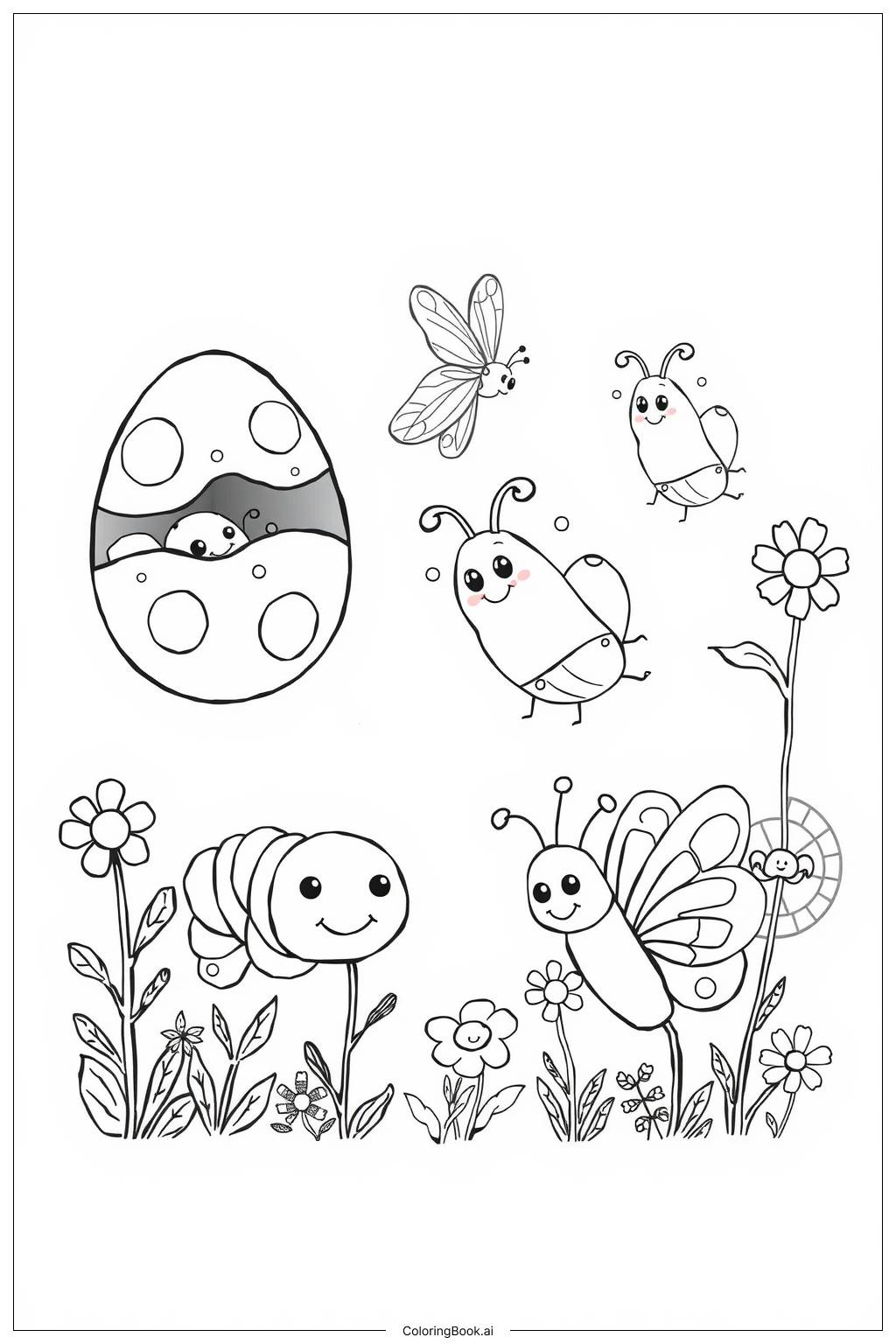
Coloring tips: How to color Butterfly Life Stages coloring page well?
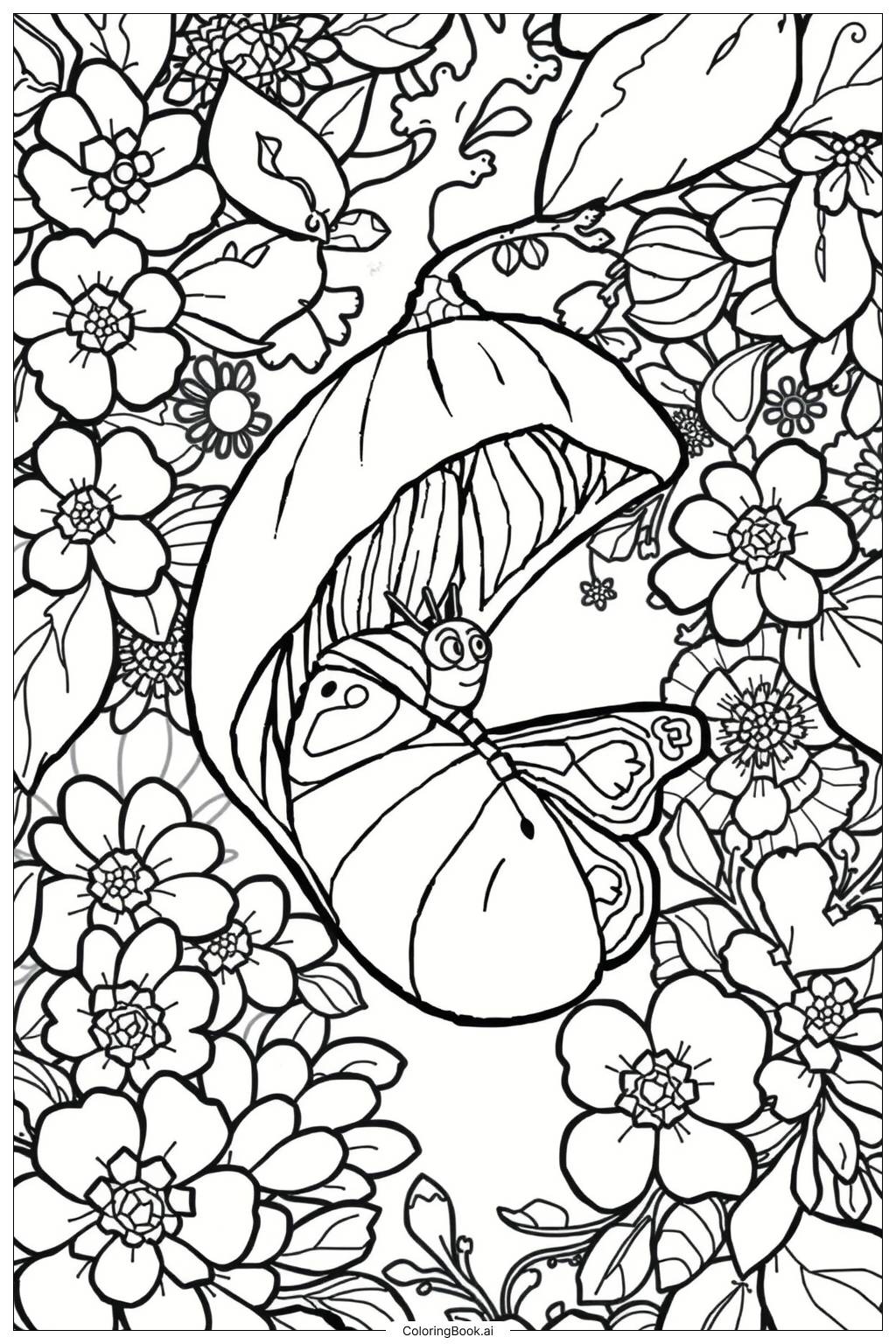
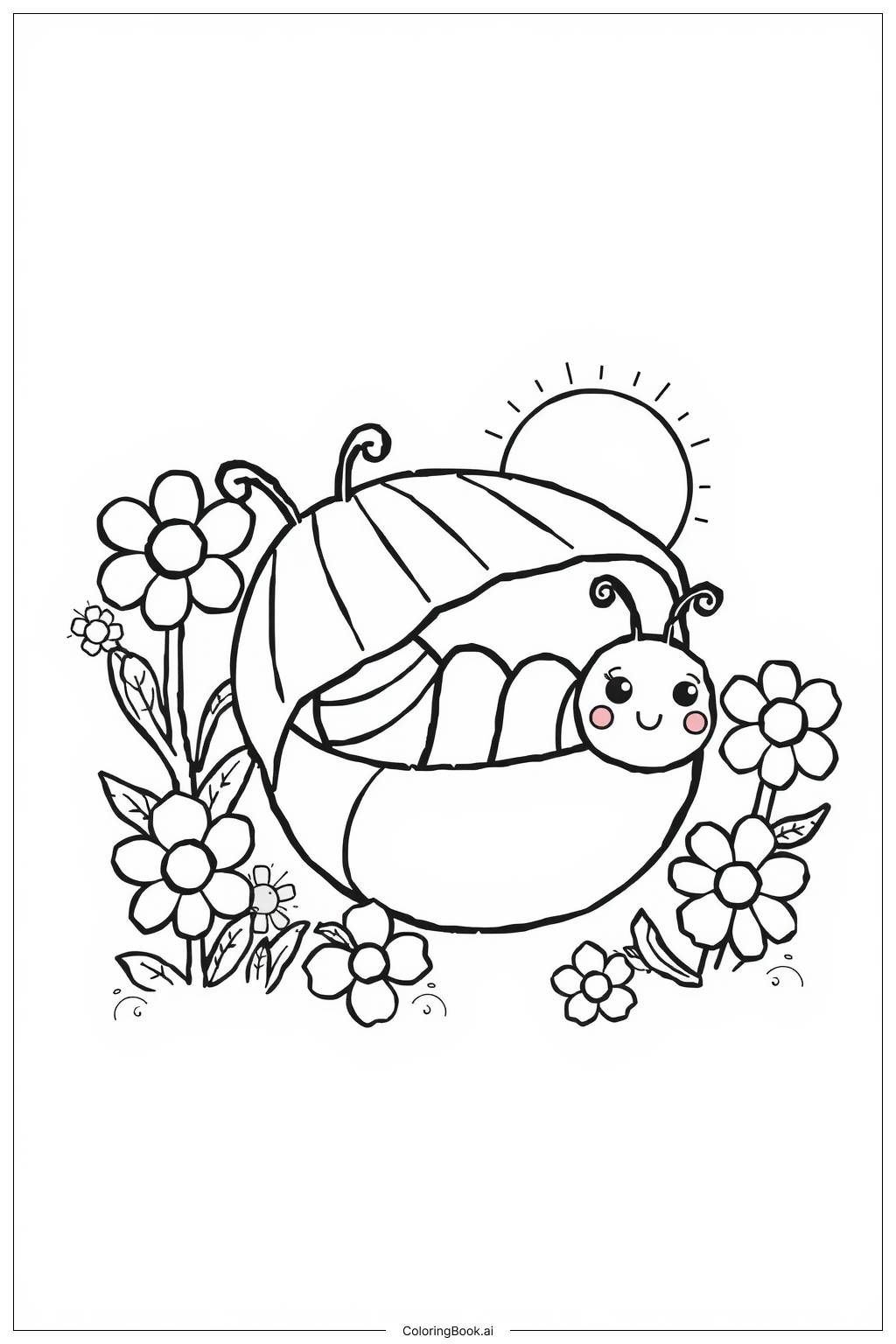
Start with the background plants and leaves. Use different shades of green to make them look natural. For the egg, try a pale yellow or light blue. Color the caterpillar with bright greens and add yellow or orange stripes along its body. The chrysalis looks great in golden brown or pale green with hints of gold to show the magical change happening inside. Save the butterfly for last — it is the star of the page! Use bold, bright colors like orange, yellow, or blue for the wings. Add patterns like spots or swirls in darker shades. Try to keep each life stage distinct by using a different color family for each one. This helps children clearly see and remember each stage of the butterfly's journey.
Coloring challenges: Which parts are difficult to color and need attention for Butterfly Life Stages coloring page?
• Tiny Egg Details: The egg is very small on the page, making it hard to color neatly. Use a fine-tipped colored pencil or a thin marker to fill it in without going over the edges. A light, single color works best here to avoid making it look messy.
• Caterpillar Body Segments: The caterpillar has many small, rounded segments separated by thin lines. Coloring each segment neatly without blending into the next requires patience and a steady hand. Alternating two colors across the segments can create a fun striped effect, but staying within each section is tricky for younger children.
• Chrysalis Texture and Shading: The chrysalis has subtle ridges and a smooth curved surface. Capturing its three-dimensional look through color is a real challenge. Blending a lighter tone on one side and a darker tone on the other can suggest its rounded shape, but this kind of shading takes practice and control.
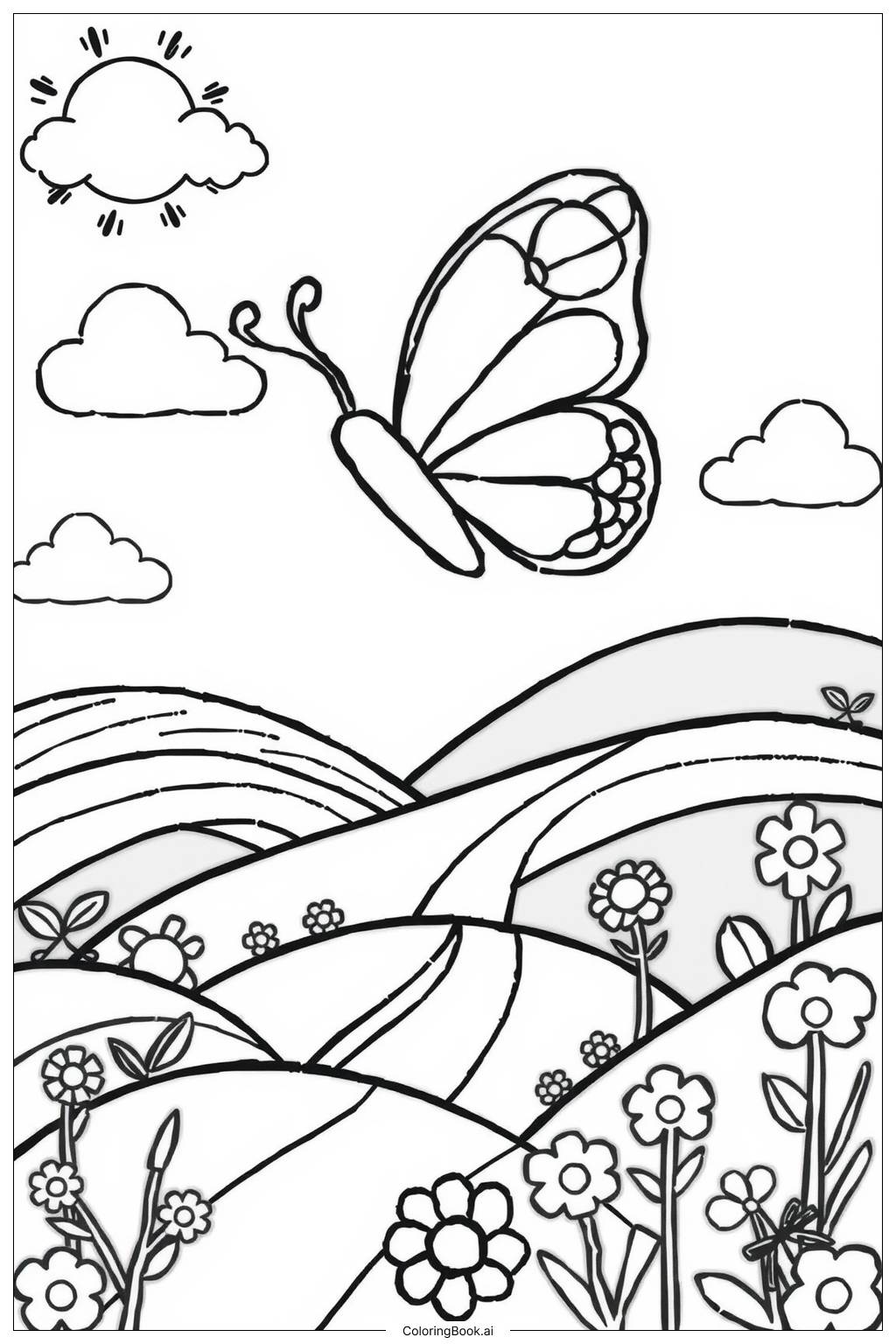
• Butterfly Wing Patterns: The butterfly's wings are the most detailed element on the page. They feature symmetrical patterns, veins, and spots that must be colored consistently on both sides. Keeping the left and right wings matching requires focus and careful observation. Using the same color in the same spots on each wing takes time and concentration.
• Background Plant Clutter: The surrounding leaves and flowers overlap with the life stage elements. It can be confusing to figure out where one shape ends and another begins. Going slowly and identifying each shape before coloring helps avoid mistakes and keeps the overall image looking clean and clear.
Benefits of coloring books: Advantages of drawing Butterfly Life Stages coloring page
Coloring the Butterfly Life Stages page offers wonderful benefits for children of all ages. It teaches science in a hands-on and enjoyable way. As children color each stage — egg, caterpillar, chrysalis, and butterfly — they learn about metamorphosis without even realizing they are studying. The activity builds fine motor skills and hand-eye coordination, especially when working on small details like the caterpillar's segments or the butterfly's wing patterns. Choosing different colors for each stage also encourages creative thinking and decision-making. Children practice focus and patience as they work through a complex image from start to finish. The page also sparks curiosity about nature and living things, which can lead to more questions and deeper learning. For younger children, it is a gentle introduction to sequencing — understanding that things change over time in a specific order. For older children, it becomes a creative challenge that builds concentration and artistic confidence. Parents and teachers can use the finished artwork as a starting point for conversations about biology, growth, and the natural world. Overall, this coloring page is both educational and deeply satisfying to complete.