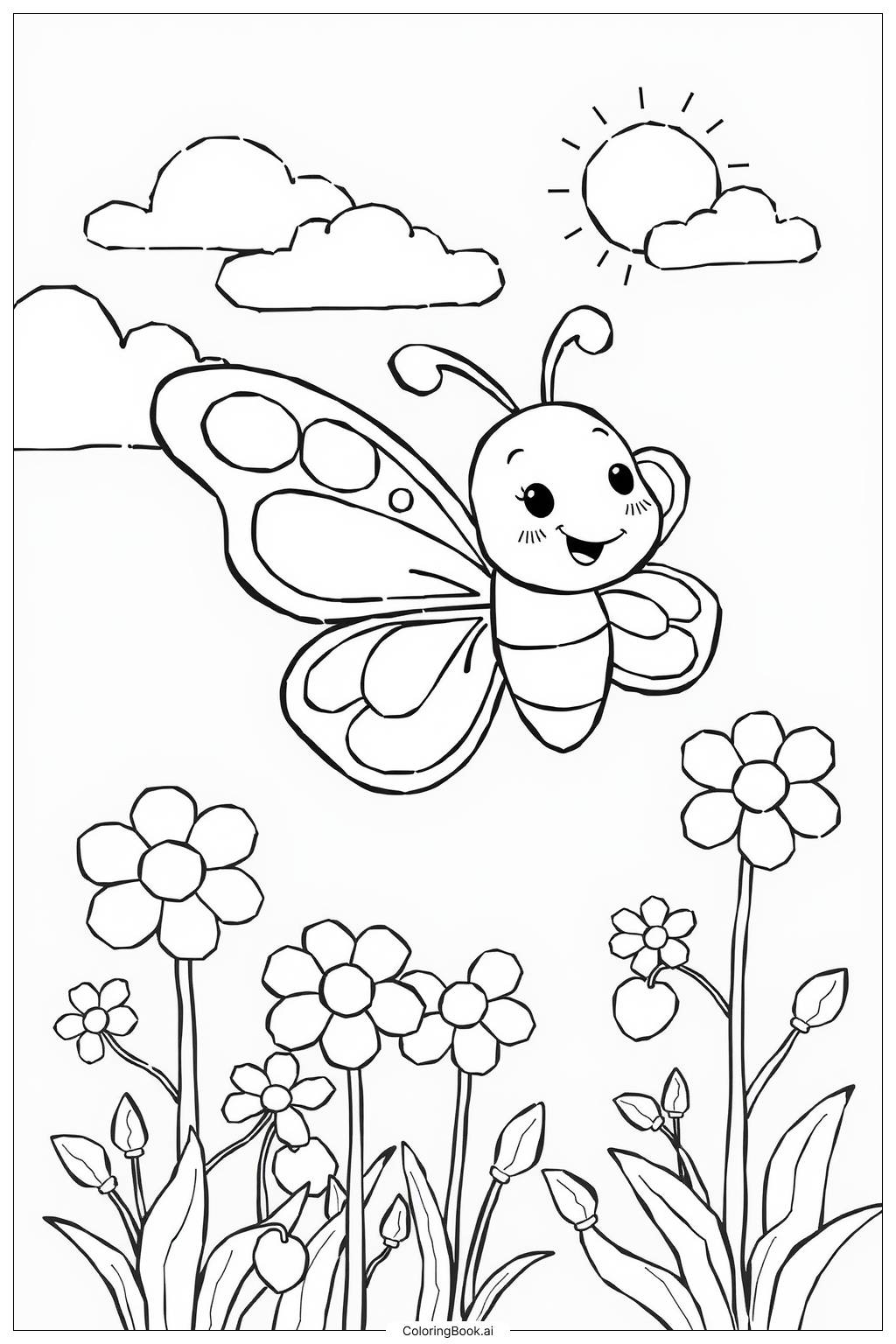
Coloring tips: How to color Butterfly First Flight coloring page well?
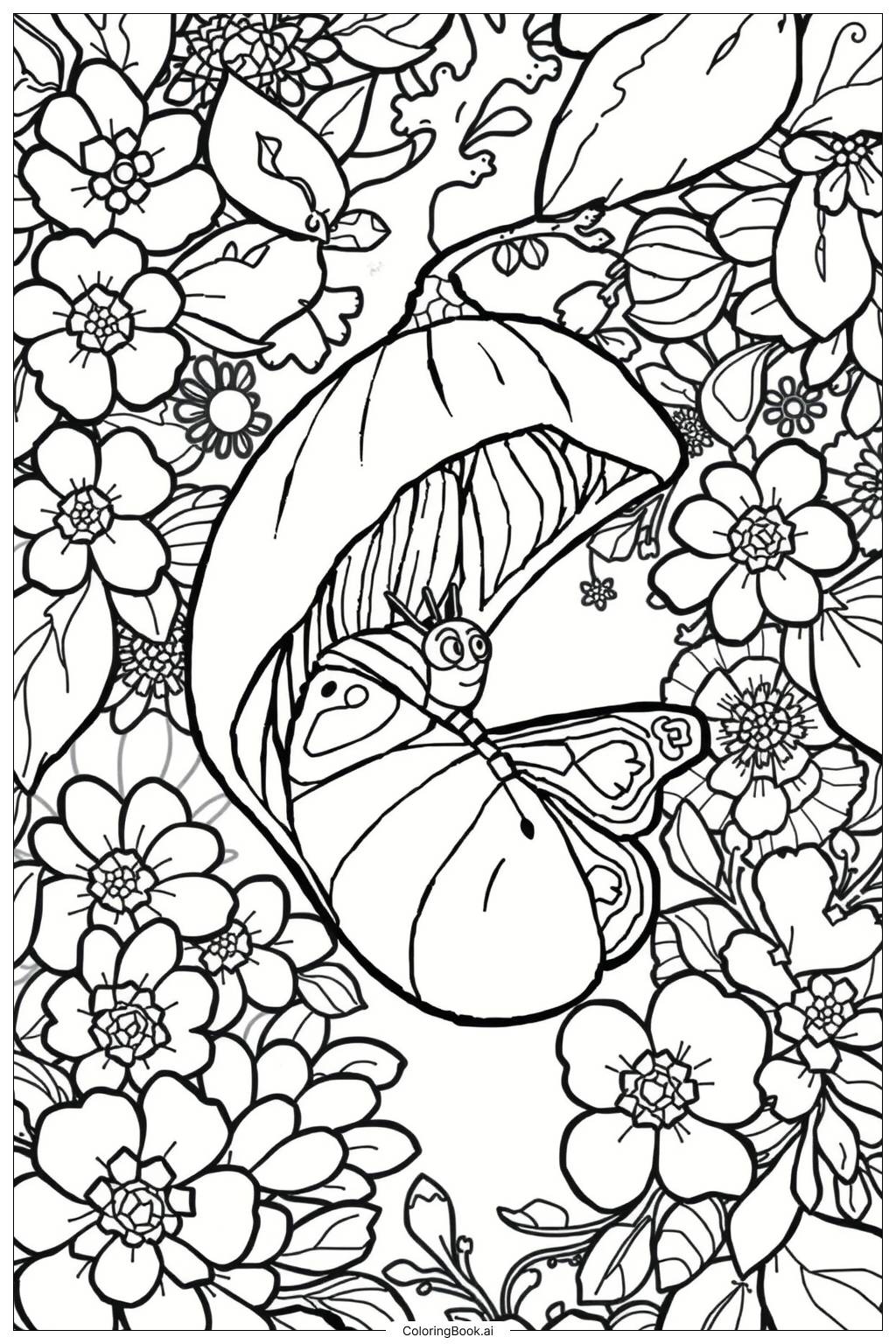
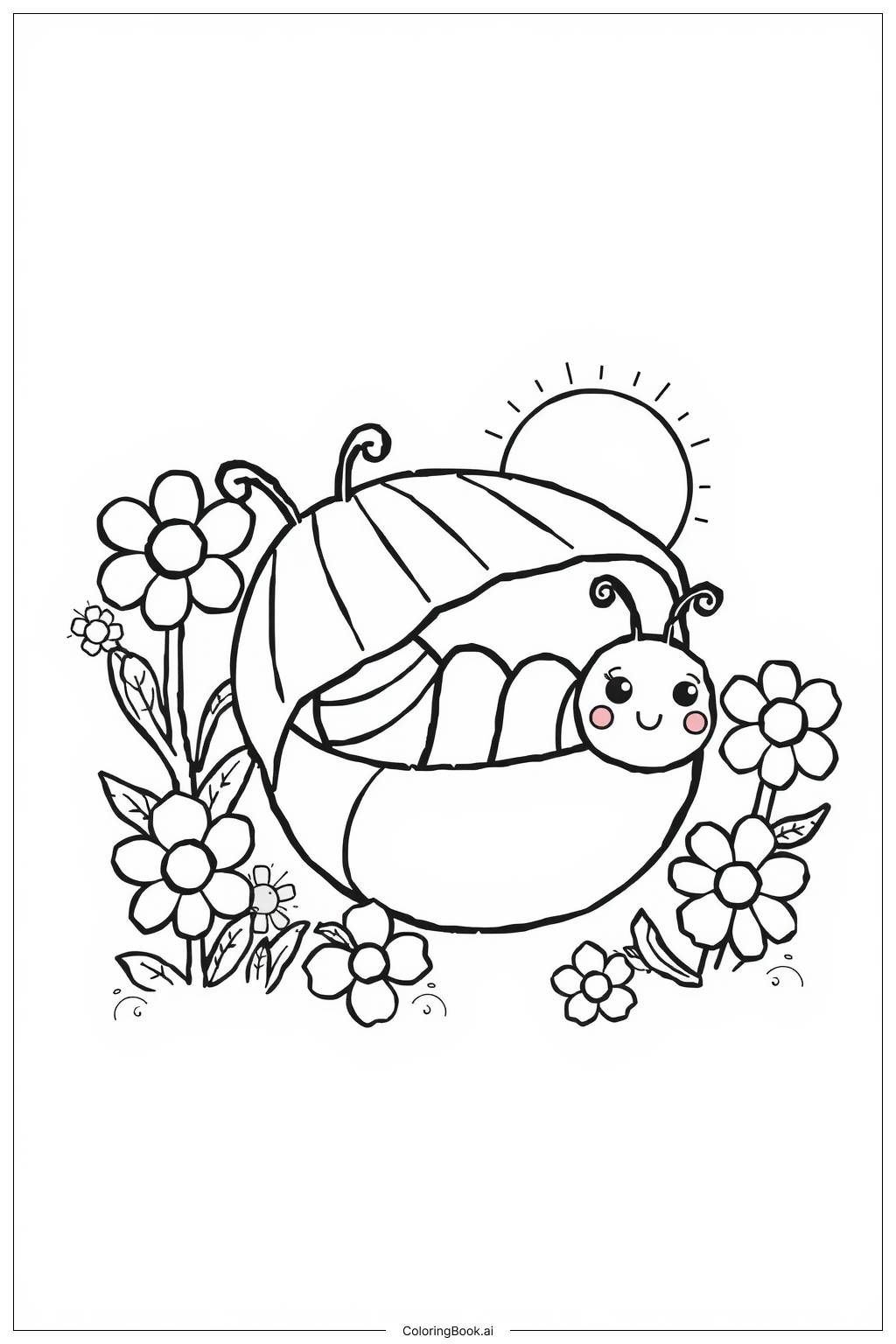
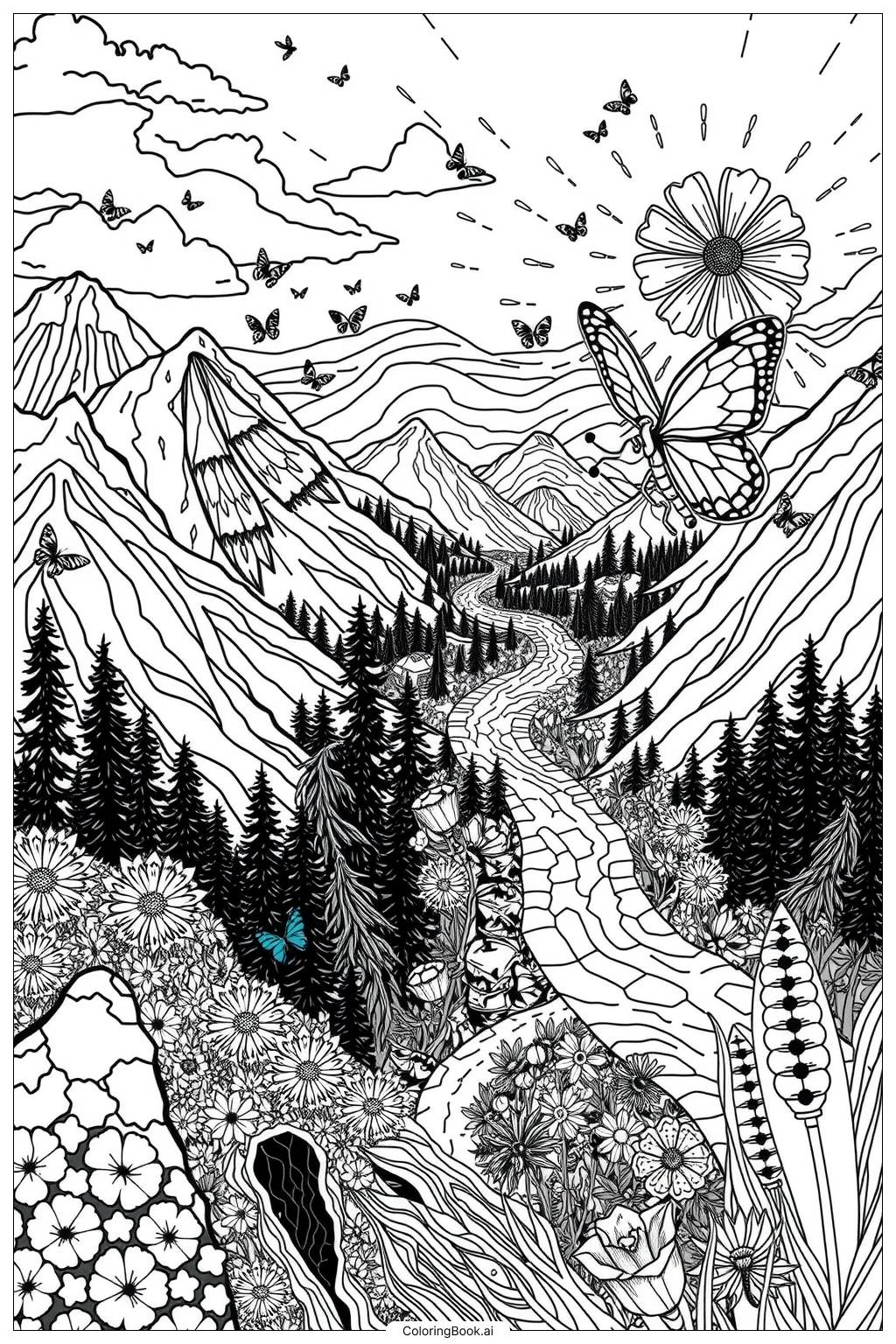
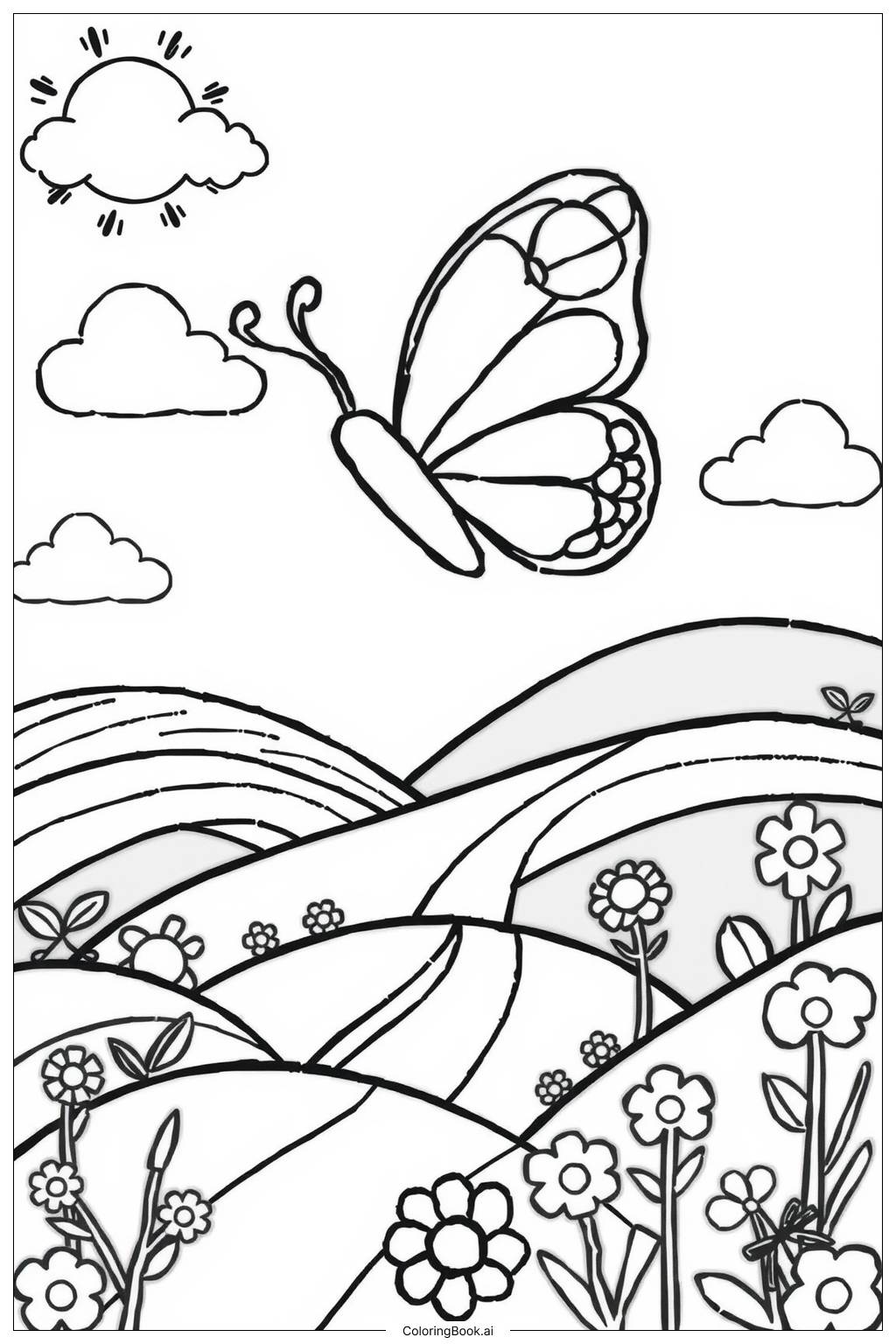
Start with the butterfly's wings, as they are the star of the image. Use bright, cheerful colors like orange, yellow, pink, or purple. Real butterflies often have two matching sides, so try to use the same colors on both wings to keep them symmetrical. You can use darker shades along the edges of the wings and lighter shades toward the center to create a glowing effect. For the wing patterns and vein lines, use a thin marker or a sharp colored pencil in a darker contrasting color. Color the body dark brown or black. For the flowers and leaves in the background, pick soft greens for leaves and any bright color you love for the blooms. Use light blue or white for the sky or background to give the butterfly a sense of open space and freedom. Blend colors gently for a smooth, dreamy look that matches the feeling of a first flight.
Coloring challenges: Which parts are difficult to color and need attention for Butterfly First Flight coloring page?
• Wing Symmetry: The butterfly has two large wings on each side, and keeping the colors balanced and symmetrical can be tricky. If you want a realistic look, you need to apply the same colors and patterns to both the left and right wings. Take your time and check both sides often as you color to make sure they match each other well.
• Intricate Wing Patterns: The wings are filled with detailed vein lines, curved shapes, and decorative patterns. Staying inside these small sections without going over the lines takes steady hands and patience. Using a sharp colored pencil or a fine-tip marker works best for the tiny details, while broader strokes can fill the larger open areas.
• Creating Depth and Shading: A flat color can look plain on such a detailed subject. To make the wings look realistic and three-dimensional, try shading by pressing harder near the edges and lighter near the center. Blending two close shades of the same color, like light orange and deep orange, can add beautiful depth to the wings.
• Small Body and Antennae Details: The butterfly's slender body and thin, curling antennae are very narrow areas to color. These require careful, controlled strokes. A fine-tip pen or a very sharp pencil point is strongly recommended to avoid smudging or coloring outside the lines in these tight spaces.
• Background Balance: The flowers, leaves, and wind lines in the background need to complement the butterfly without overpowering it. Choosing colors that are softer and less vivid than the butterfly's wings helps keep the focus on the main subject while still making the whole scene feel alive and complete.
Benefits of coloring books: Advantages of drawing Butterfly First Flight coloring page
Coloring this butterfly image brings a wide range of wonderful benefits for children and beginners alike. Working on the detailed wing patterns helps improve fine motor skills and hand-eye coordination, as staying within small lines requires focus and controlled movement. This kind of careful coloring also builds patience and concentration in a fun and relaxing way.
Choosing colors for the wings encourages creativity and personal expression. Every child can make their butterfly unique, experimenting with color combinations and seeing how different choices change the overall feeling of the image. This builds confidence in making decisions and thinking artistically.
The theme of a butterfly's first flight also carries a positive emotional message. It reminds young colorists of new beginnings, courage, and the joy of trying something for the first time. Connecting with this theme while coloring can be uplifting and encouraging.
For older children and Adults, the intricate details of the wings provide a satisfying, meditative coloring experience that helps reduce stress and quiet a busy mind. Completing a detailed image like this also gives a strong sense of accomplishment and pride. Overall, this image is a beautiful and beneficial activity for Girls, Boys, and anyone who loves nature and creativity.