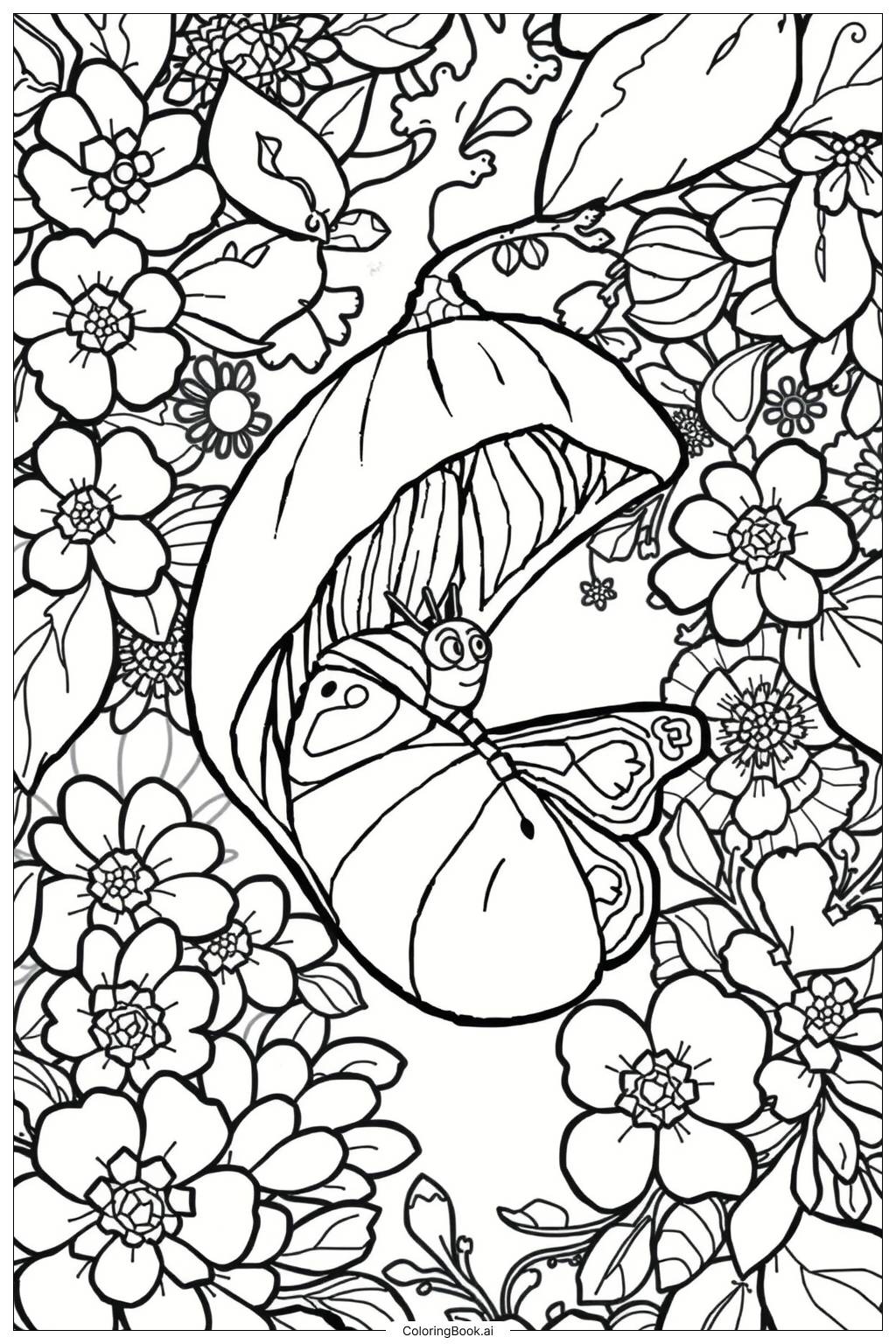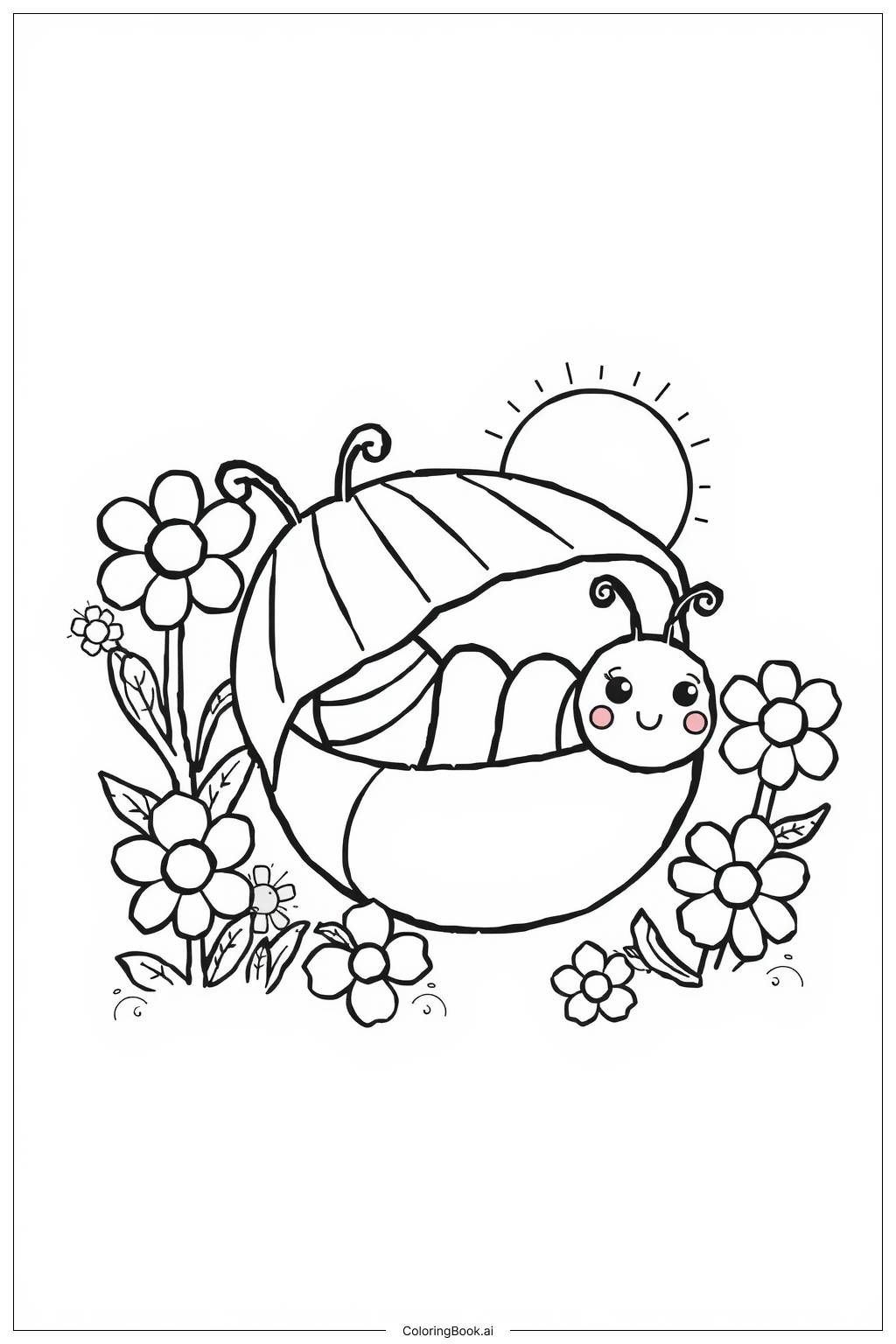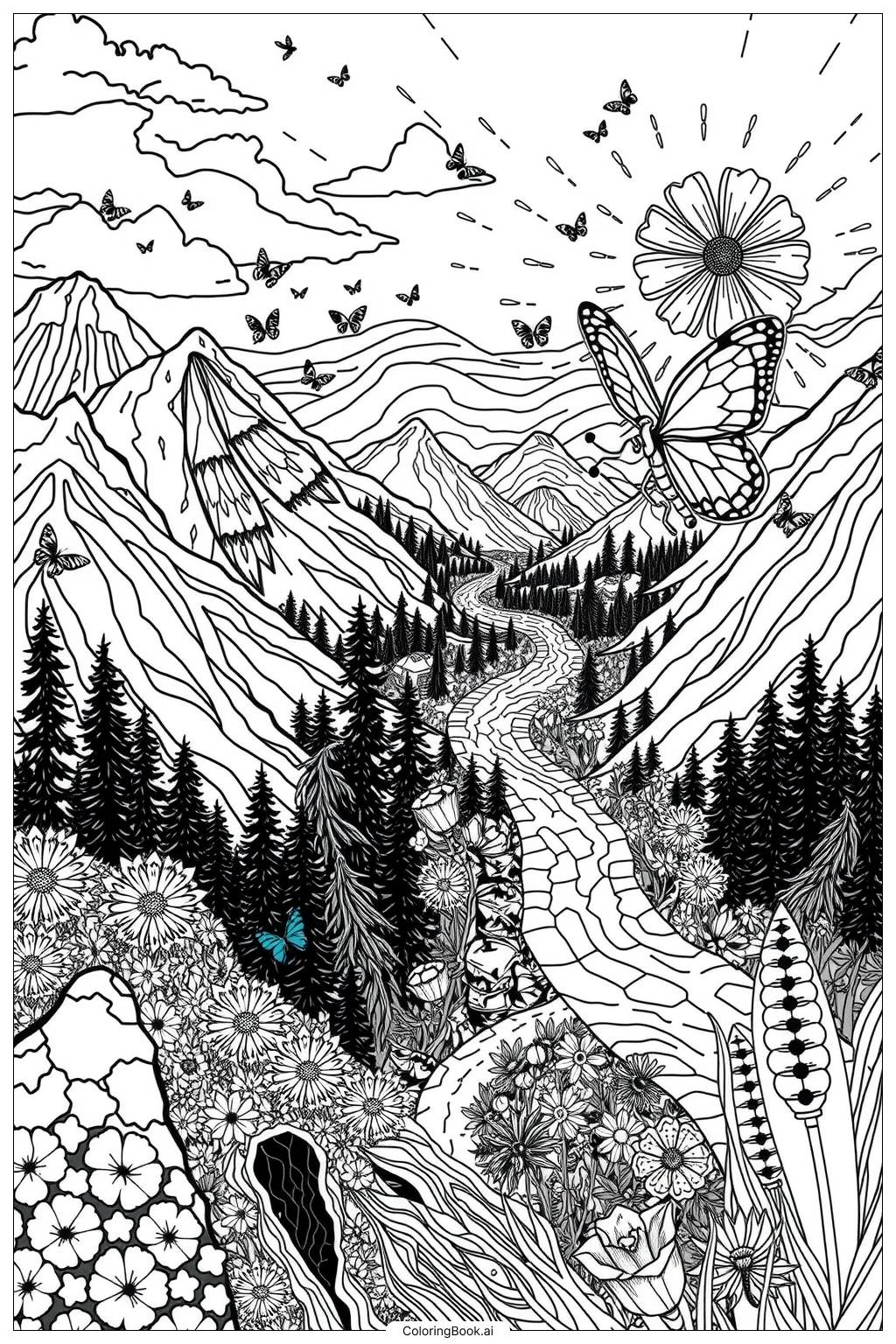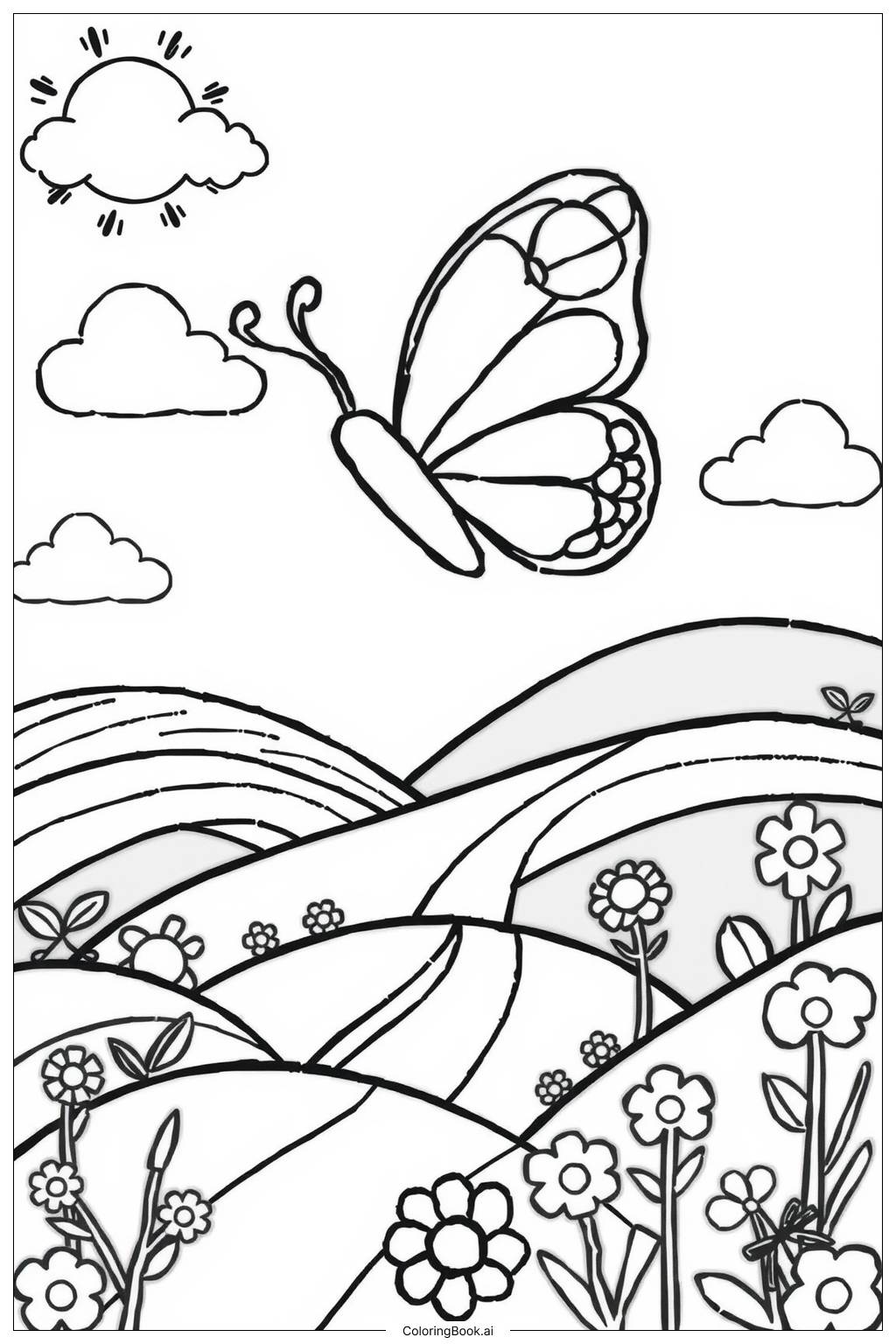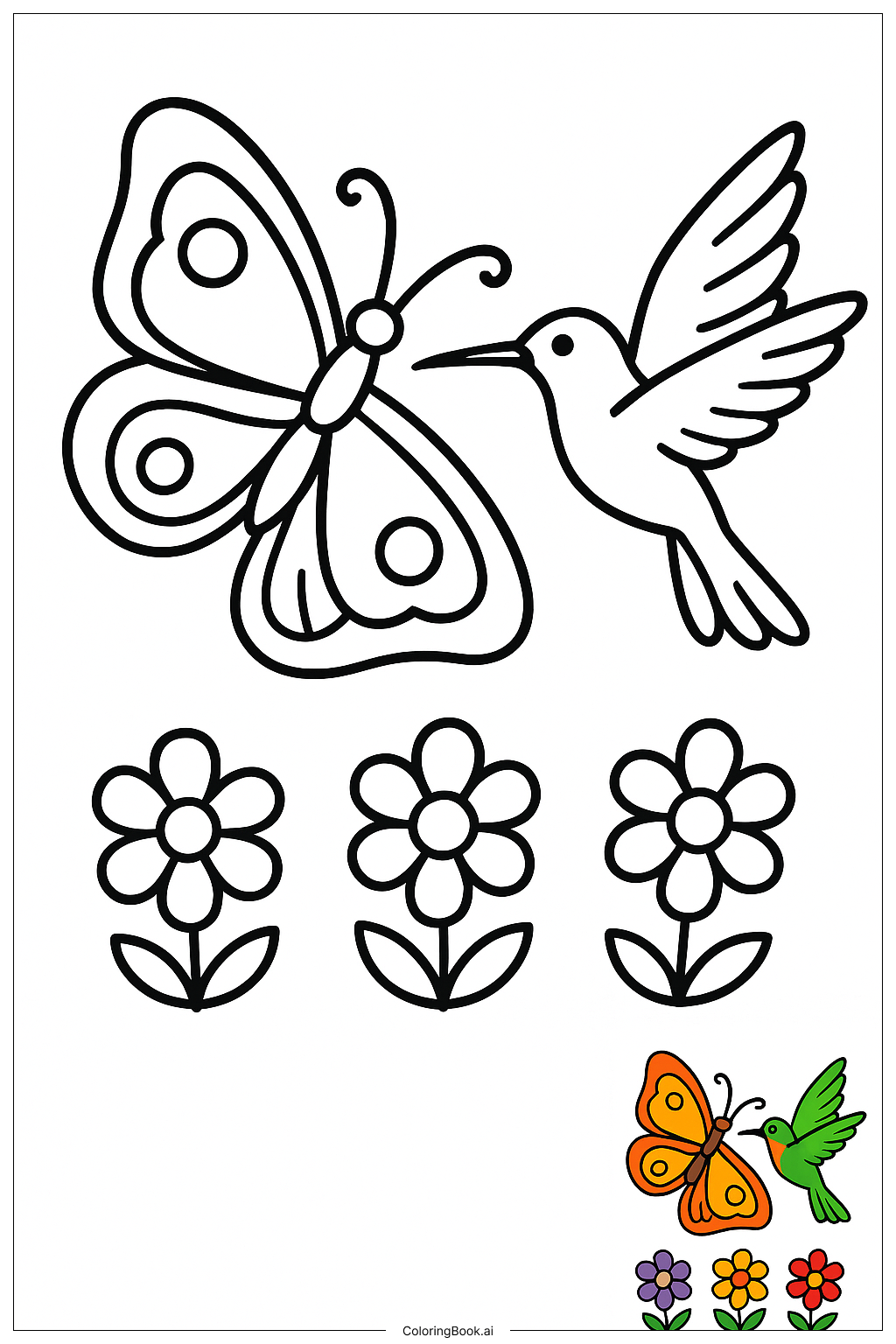
Coloring tips: How to color Butterfly And Hummingbird Duet coloring page well?
Start with the butterfly wings using bright, eye-catching colors. Try shades of orange, yellow, or blue with darker outlines along the edges and veins. Add spots or gradient effects to make the wings look lively and real. For the hummingbird, use jewel tones like emerald green, ruby red, or sapphire blue on the feathers — hummingbirds are known for their shimmering colors. Use a soft peach or cream for the belly area. Color the flowers in warm pinks, purples, or reds to contrast with the green leaves and stems. Keep the leaves in different shades of green to add depth. Use lighter tones in the center of each flower petal and darker tones toward the edges. Feel free to mix and blend colors for a magical, garden-in-sunlight feel. This image is perfect for experimenting with bold, vibrant palettes.
Coloring challenges: Which parts are difficult to color and need attention for Butterfly And Hummingbird Duet coloring page?
• Butterfly Wing Patterns: The butterfly wings are covered in fine lines, swirls, and small dot details. Staying within these tiny sections requires a sharp pencil or a fine-tipped marker. Rushing through this area may cause colors to bleed into one another, so take your time and work slowly section by section.
• Hummingbird Feather Details: The hummingbird has many small, overlapping feathers along its wings and body. Each feather is a separate shape, and coloring them individually while maintaining a consistent color flow across the whole bird can be tricky. Try using short, light strokes that follow the direction of the feathers.
• Achieving Color Gradients: Both the butterfly wings and the hummingbird feathers look best with smooth color transitions. Blending from light to dark — or from one color to another — across small, curved areas is a skill that takes practice. Colored pencils work well here if layered gently.
• Flower and Leaf Overlap: Petals, leaves, and vines often overlap and interlock throughout the background. It can be hard to decide which shape sits on top and which one goes behind. Using slightly different shades of the same color for touching areas helps separate them visually.
• Keeping the Overall Balance: With so many elements — wings, feathers, flowers, and leaves — it is easy for the page to feel visually busy or uneven. Try to plan your color palette before you begin so that the butterfly, the hummingbird, and the background all complement each other without one part overpowering the rest.
Benefits of coloring books: Advantages of drawing Butterfly And Hummingbird Duet coloring page
Coloring this Butterfly And Hummingbird Duet page brings many wonderful benefits for kids and adults alike. The detailed patterns on the butterfly wings and hummingbird feathers help build fine motor skills as you carefully fill in each small section. This kind of focused, precise work also strengthens hand-eye coordination over time. Choosing colors for the wings, feathers, and flowers encourages creative thinking and artistic expression. Kids learn about color mixing, contrast, and balance in a fun and hands-on way. The nature theme also sparks curiosity about real butterflies and hummingbirds — their colors, habitats, and behaviors. Spending time on a calming activity like coloring helps reduce stress and improve focus, both for children and adults. It teaches patience, since the details reward slow and careful work. Completing the full page gives a strong sense of accomplishment and pride. Whether used as a quiet solo activity or shared with friends and family, this page turns creativity into a joyful, relaxing experience that connects colorists with the beauty of the natural world.