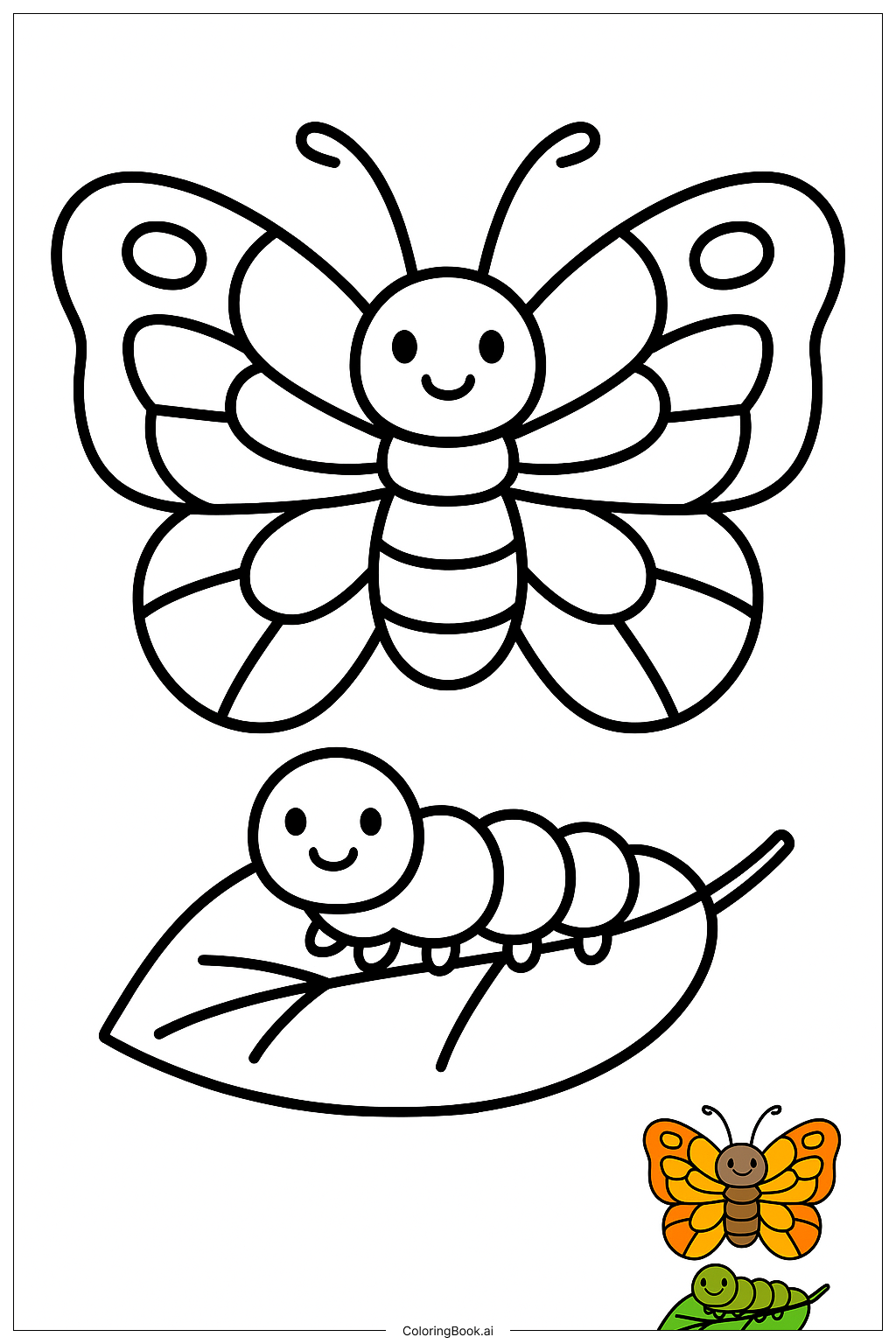
Coloring tips: How to color Butterfly And Caterpillar On Leaf coloring page well?
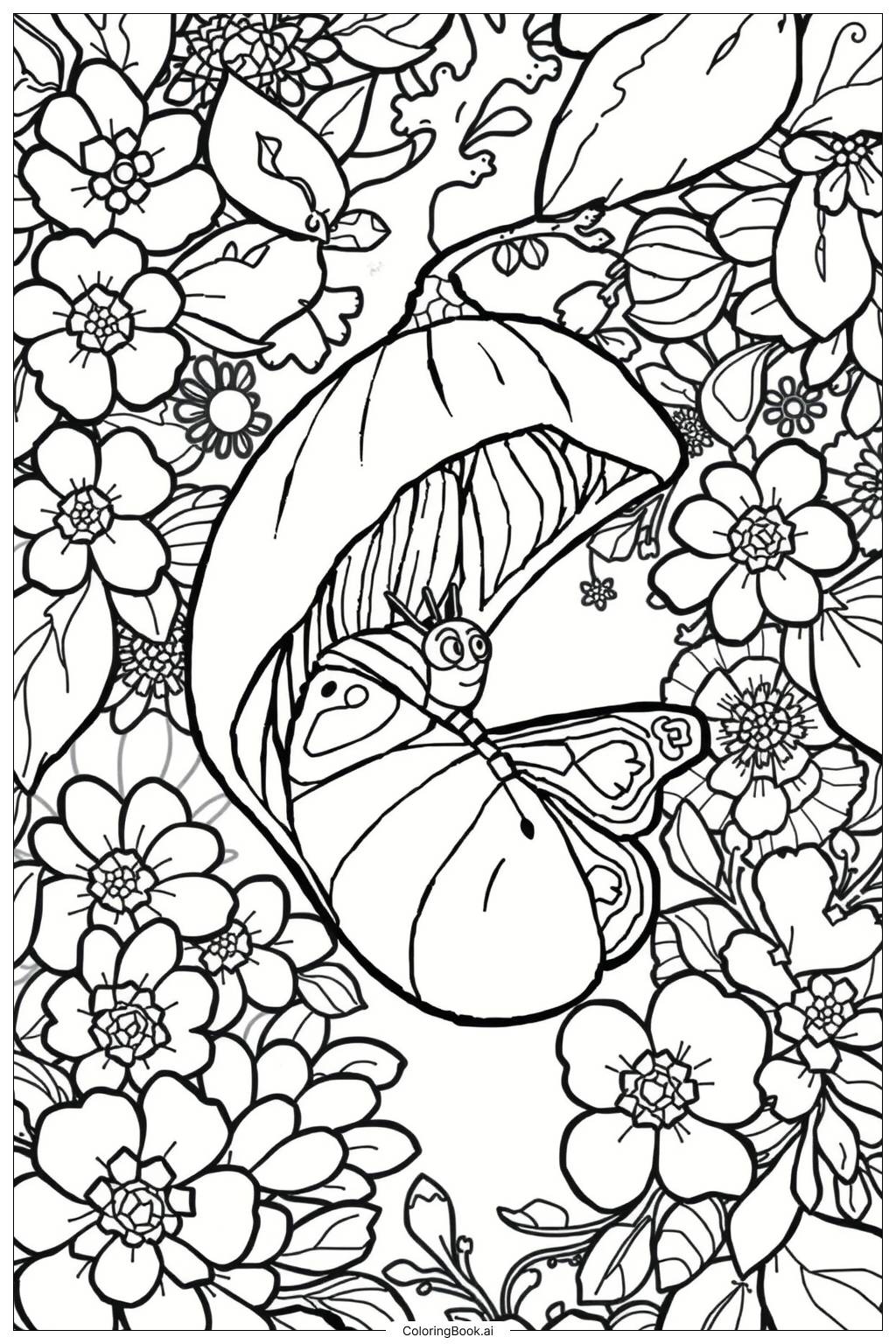
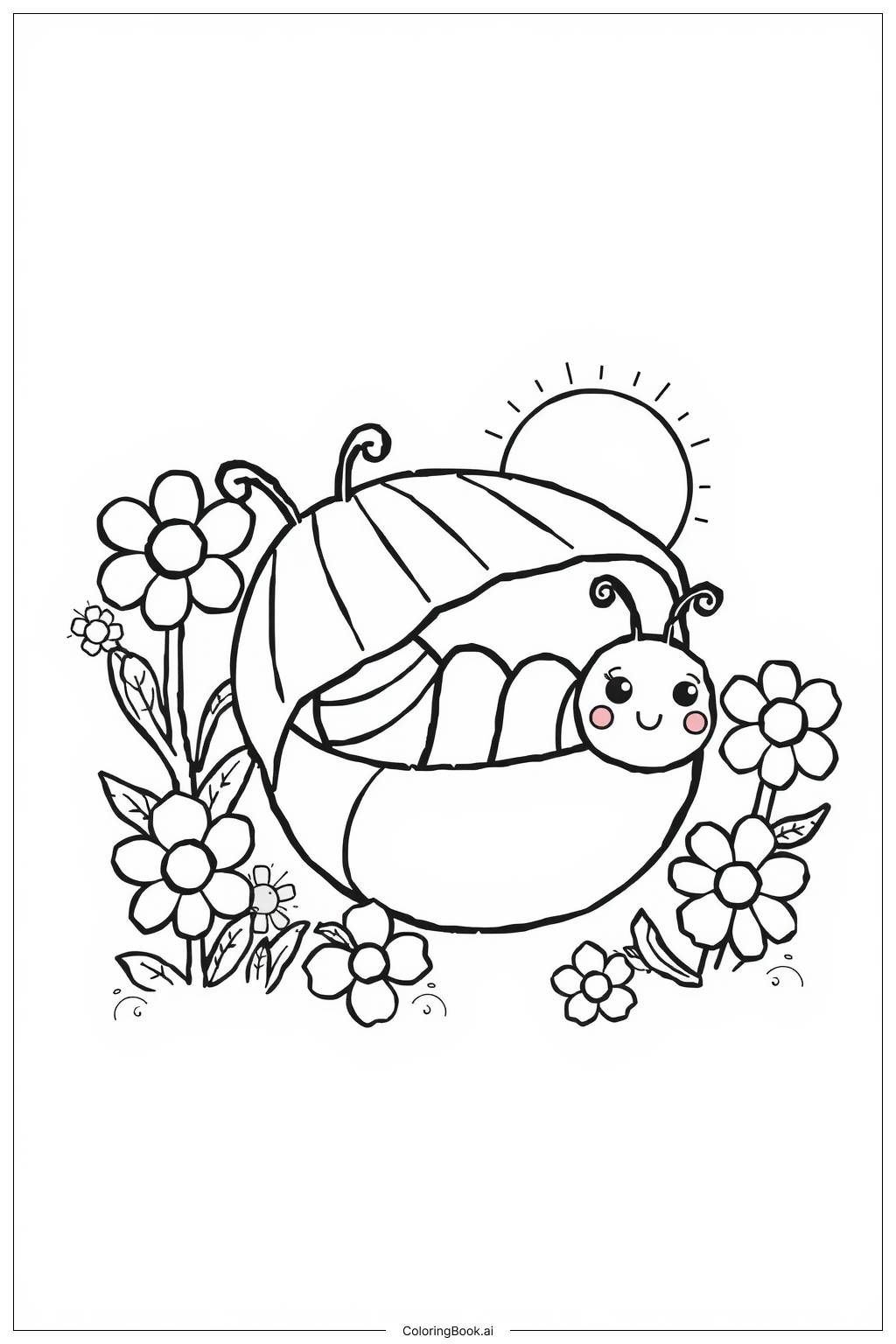
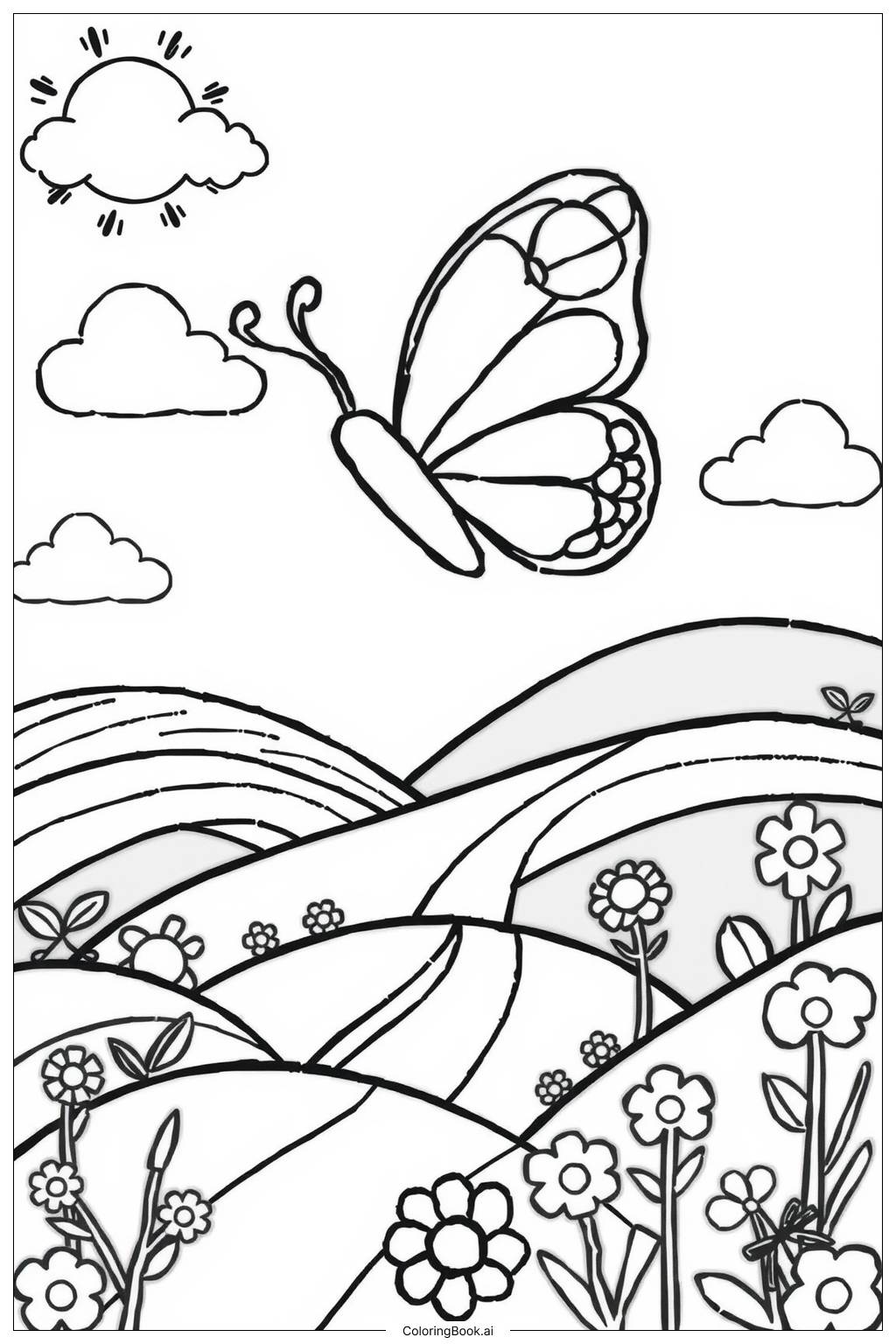
Start with the butterfly wings using bright, vivid colors. Try orange and black like a monarch butterfly, or go wild with your own rainbow pattern. Use yellow, pink, or purple for a magical look. Add small dots or swirls inside the wings using a darker shade to make the patterns pop.
For the caterpillar, use alternating colors on each body segment. Try green and yellow, or red and orange. Give it a warm, friendly face with rosy cheeks.
Color the leaf in shades of green. Use a lighter green in the center and a darker green near the edges to give it depth. Trace the leaf veins with a thin, slightly darker line.
For the background, soft blues, light purples, or pale yellows work beautifully to suggest a sunny garden day. Kids can also use crayons, colored pencils, or markers — all work great on this page.
Coloring challenges: Which parts are difficult to color and need attention for Butterfly And Caterpillar On Leaf coloring page?
• Butterfly Wing Patterns: The butterfly wings contain detailed designs such as swirls, curves, and small dots. Staying inside these tiny areas without going over the lines can be tricky, especially for younger children. Using thin colored pencils or fine-tip markers will help keep the colors neat and precise within each pattern section.
• Smooth Color Blending on Wings: To make the wings look lifelike and vibrant, you may want to blend two or more colors together. Blending requires a steady hand and practice. Layering light colors first and then gradually adding darker shades works best. This technique can be challenging but very rewarding when done well.
• Caterpillar Body Segments: The caterpillar is made up of several round, connected segments. Coloring each segment a different color without accidentally overlapping the borders takes patience and control. Using short, gentle strokes and staying aware of each segment's outline will make this step much easier.
• Leaf Vein Details: The leaf has many thin veins spreading across its surface. These fine lines are narrow and close together in some areas. Carefully coloring around each vein without covering them adds beautiful texture and realism to the leaf. A sharp pencil tip or a fine-liner works best for this detail.
• Background Balance: The background should feel soft and supportive without overwhelming the main subjects. Choosing colors that contrast well with the butterfly and leaf, while keeping the background light and airy, requires thoughtful color selection and a gentle touch to avoid muddying the overall image.
Benefits of coloring books: Advantages of drawing Butterfly And Caterpillar On Leaf coloring page
Coloring this butterfly and caterpillar scene offers many wonderful benefits for children and creative minds alike.
First, it builds fine motor skills. Carefully coloring inside the detailed wing patterns and tiny leaf veins helps strengthen hand muscles and improves pencil control, which is great for writing and drawing.
Second, it sparks creativity. Choosing colors for the butterfly wings, caterpillar segments, and background encourages kids to think imaginatively and express themselves freely. There is no wrong answer — every color choice makes the page uniquely their own.
Third, it teaches about nature. This scene introduces children to the life cycle of butterflies in a fun, visual way. Kids learn that caterpillars and butterflies are connected, which can inspire curiosity about the natural world.
Fourth, it builds focus and patience. Staying inside the lines and working through each section of the image trains concentration and persistence — skills that help children in school and everyday life.
Finally, it is calming and relaxing. The gentle, nature-inspired scene creates a peaceful coloring experience. Whether done alone or with friends and family, it offers a quiet, enjoyable break from screens and busy routines. A truly rewarding activity for all ages.