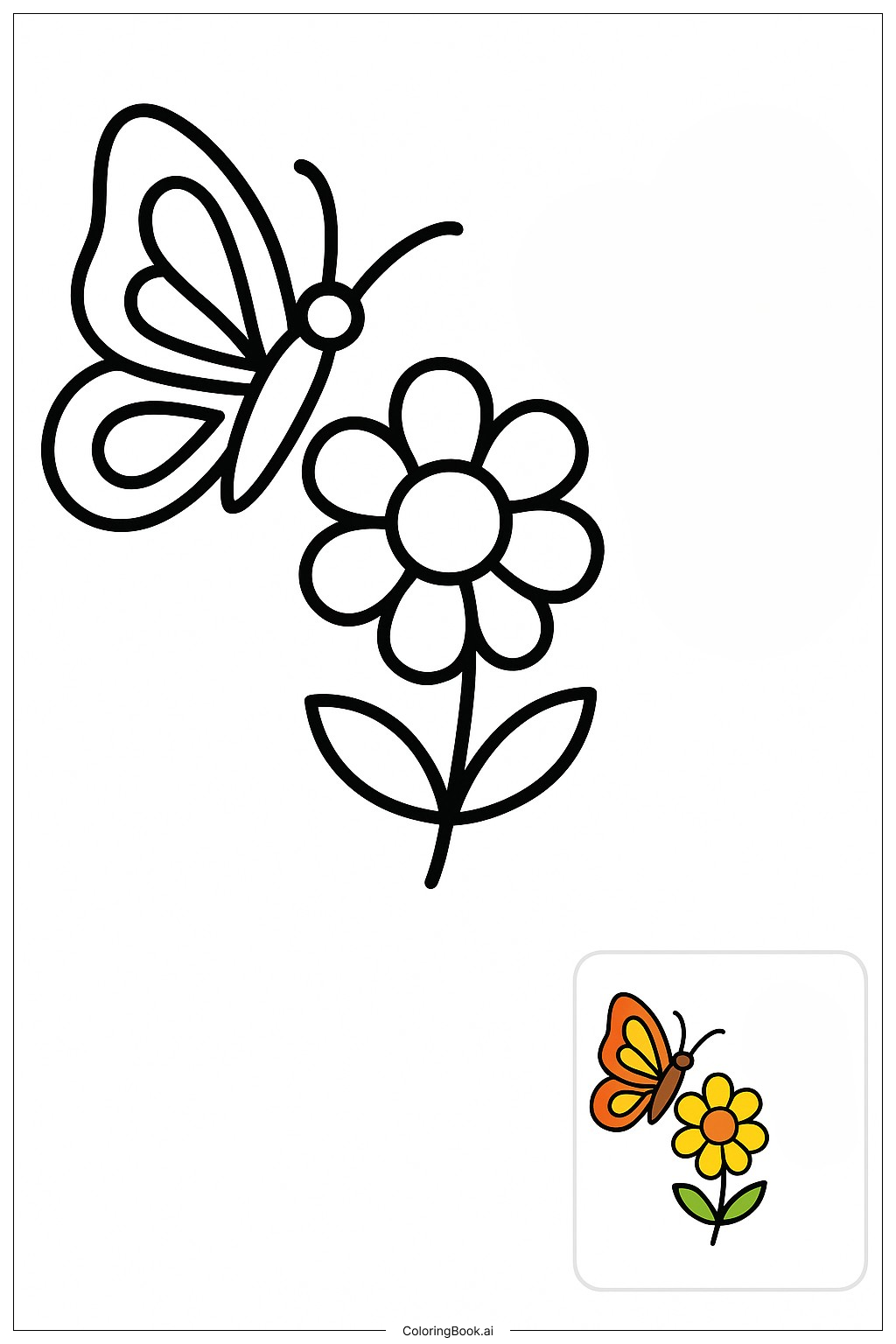
Coloring tips: How to color Butterfly And Bee Sharing Flower coloring page well?
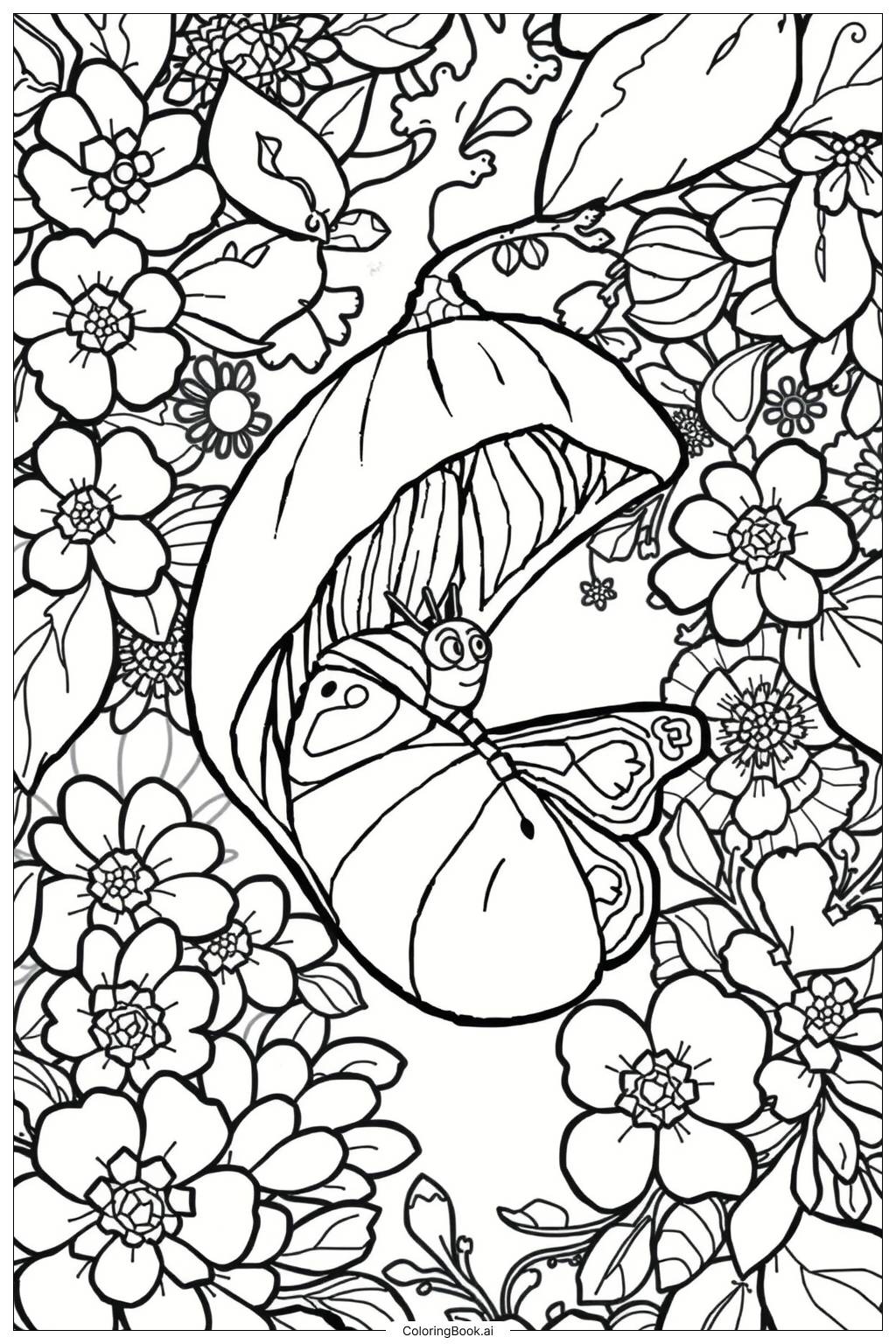
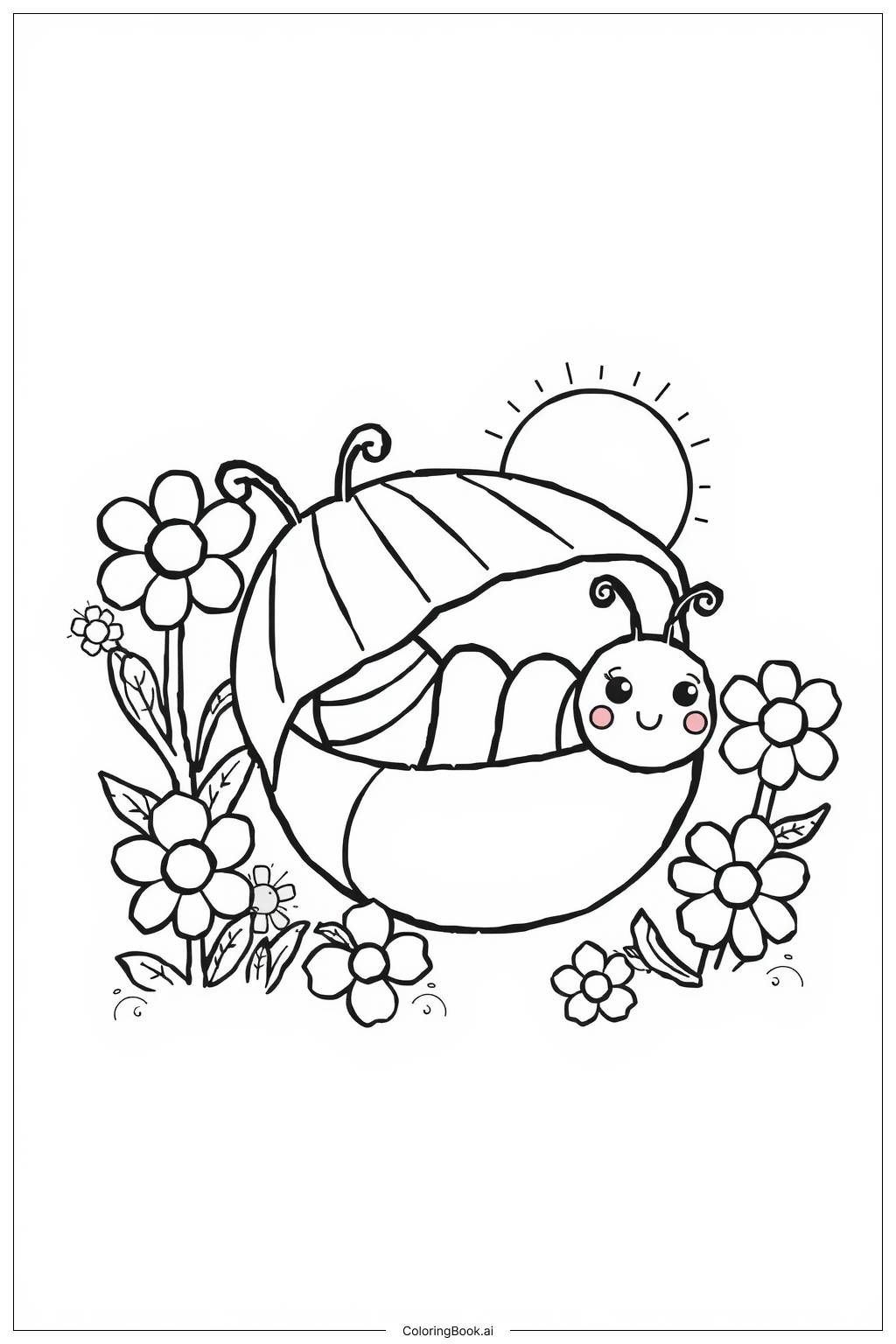
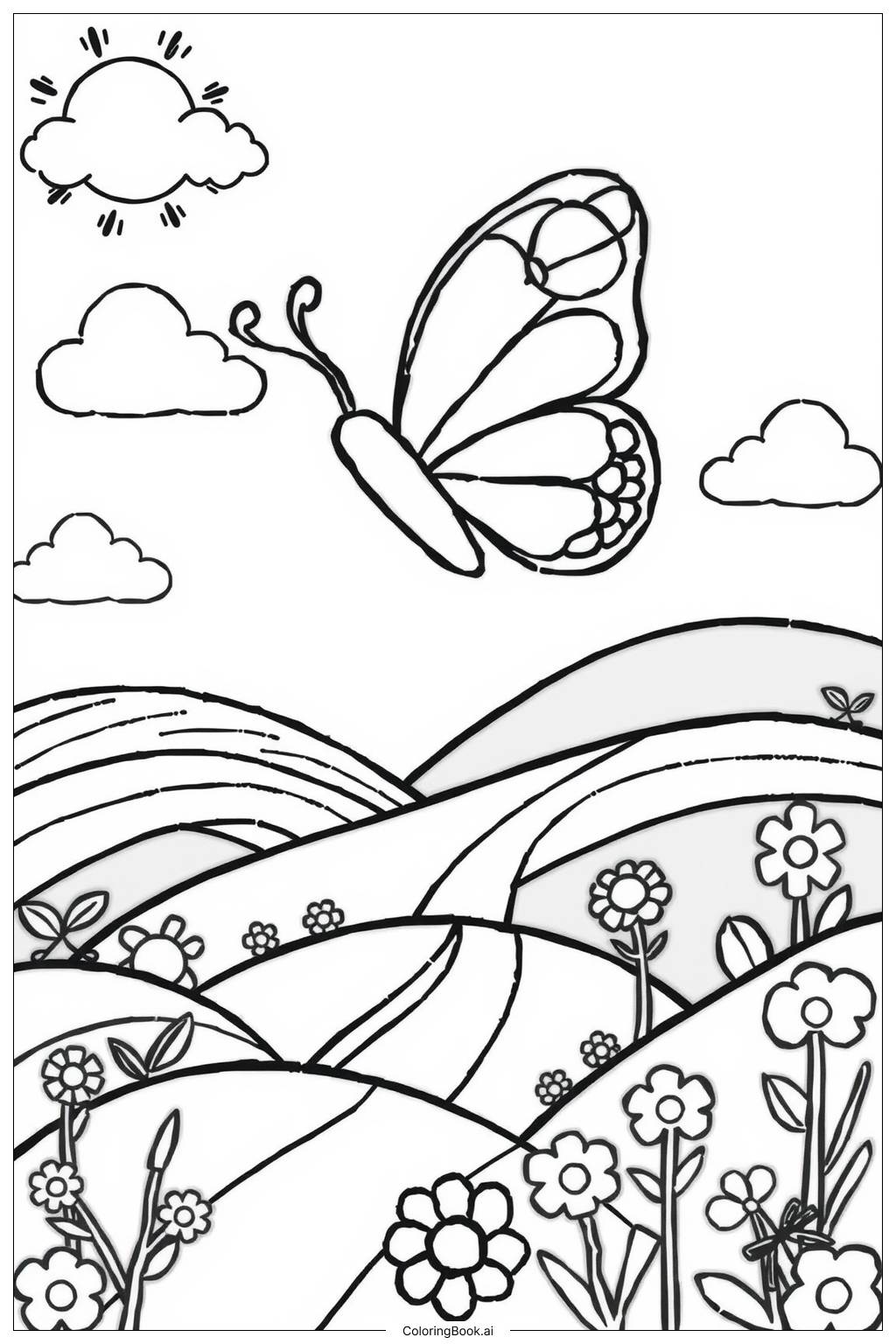
Start with the flower petals using bright, cheerful colors like yellow, pink, or orange. Use a darker shade around the edges of each petal to give them a soft, rounded look. Color the flower center in brown or golden yellow, and add tiny dots for texture. For the butterfly, choose two or three colors that look good together, like purple and blue or red and orange. Keep both wings the same so they look balanced. Add small dots or swirls for the wing patterns. Color the bee with yellow and black stripes on its body. Use light gray or pale blue for its wings to keep them looking thin and delicate. For the leaves, use different shades of green to make them feel fresh and alive. Light green works great for the top of the leaf, and a darker green along the edges adds shape. Take your time with each small section and enjoy filling in every detail.
Coloring challenges: Which parts are difficult to color and need attention for Butterfly And Bee Sharing Flower coloring page?
• Butterfly Wing Patterns: The butterfly wings are filled with small, detailed patterns such as dots, swirls, and curved lines. Staying inside these tiny shapes without going over the lines can be tricky, especially for younger children. Using a fine-tipped coloring tool like a thin marker or a sharpened colored pencil will help you stay precise and neat inside each small section.
• Bee Body Stripes: The bee has narrow stripes across its round body. Alternating yellow and black within such a small area requires a steady hand and careful control. If the stripes feel too tight to color separately, try coloring the whole body yellow first and then adding thin black lines on top once the yellow is dry.
• Flower Petal Shading: The large petals offer a great chance to practice shading, but blending colors smoothly from light to dark across a wide surface can be challenging. Going too heavy with one color too early can make it hard to add highlights later. Start light and gradually build up the color toward the petal edges.
• Delicate Wing Transparency: Both the butterfly and the bee have wings that are meant to look thin and see-through. Choosing colors that are too dark or pressing too hard can make the wings look heavy and solid. Using light pressure with pastel shades helps keep that soft, airy feeling.
• Small Leaf Vein Details: The leaves have fine vein lines running through them. Coloring around these tiny lines without covering them up takes patience. Leaving the veins uncolored or using a very light shade helps them stand out naturally.
Benefits of coloring books: Advantages of drawing Butterfly And Bee Sharing Flower coloring page
Coloring this Butterfly And Bee Sharing Flower page offers many wonderful benefits for children and beginners alike. Working through the detailed wing patterns of the butterfly helps build fine motor skills and strengthens hand control, which supports better handwriting and coordination over time. Choosing colors for the flower petals, the bee, and the leaves encourages creative thinking and helps children learn how colors work together. The act of coloring small, detailed sections also trains focus and patience, skills that are useful in school and everyday life. Because the image features a gentle, positive scene of two creatures sharing a flower, it also opens up conversations about nature, kindness, and cooperation. Children can learn simple facts about butterflies and bees while they color, making the activity both educational and fun. Completing the full page gives a real sense of accomplishment and boosts confidence, especially when the finished artwork looks bright and beautiful. Coloring is also a calming activity that helps reduce stress and anxiety, giving kids a healthy way to relax and express themselves. Overall, this page is a joyful and enriching experience for any young artist.