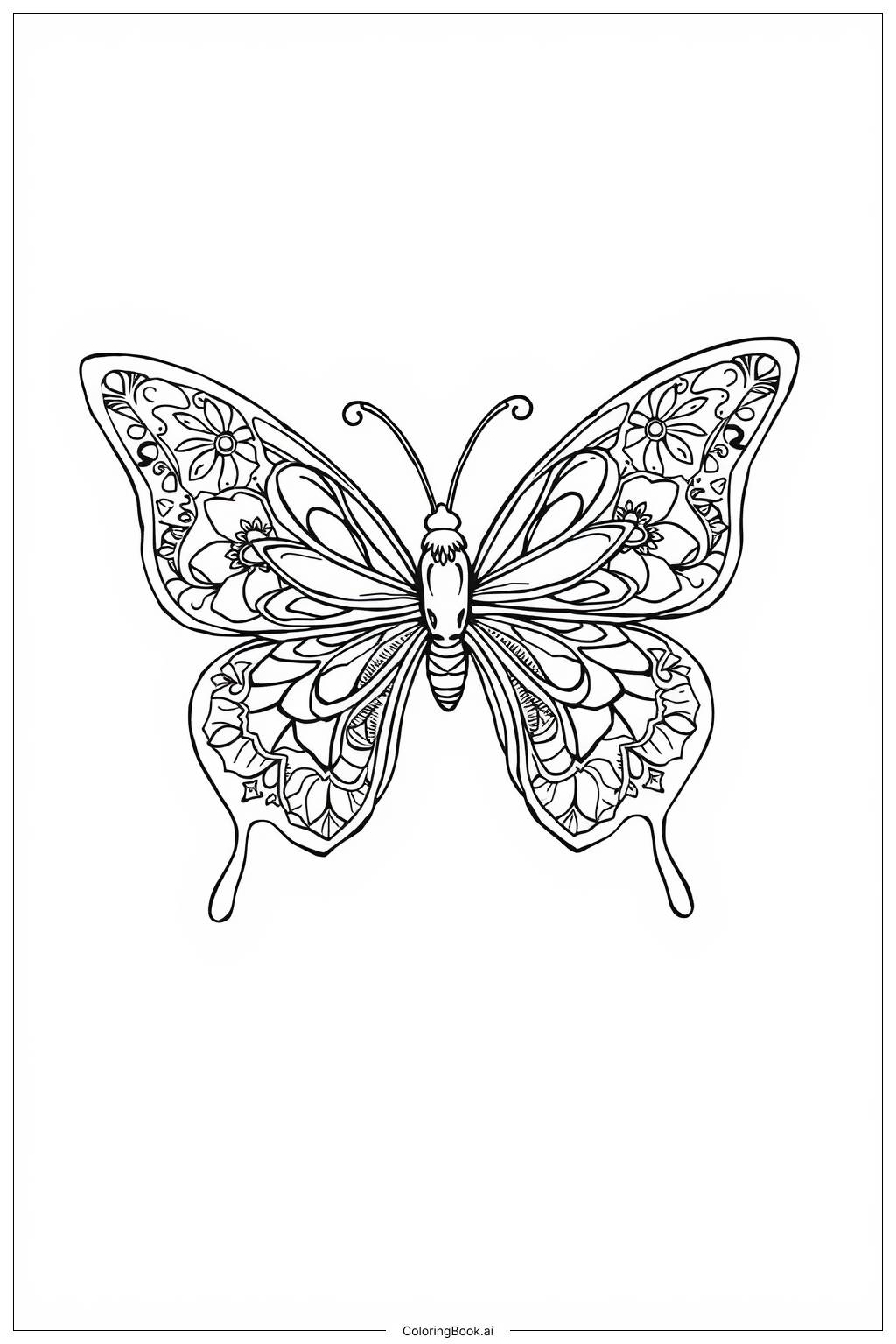
Coloring tips: How to color Basic Butterfly Shape coloring page well?
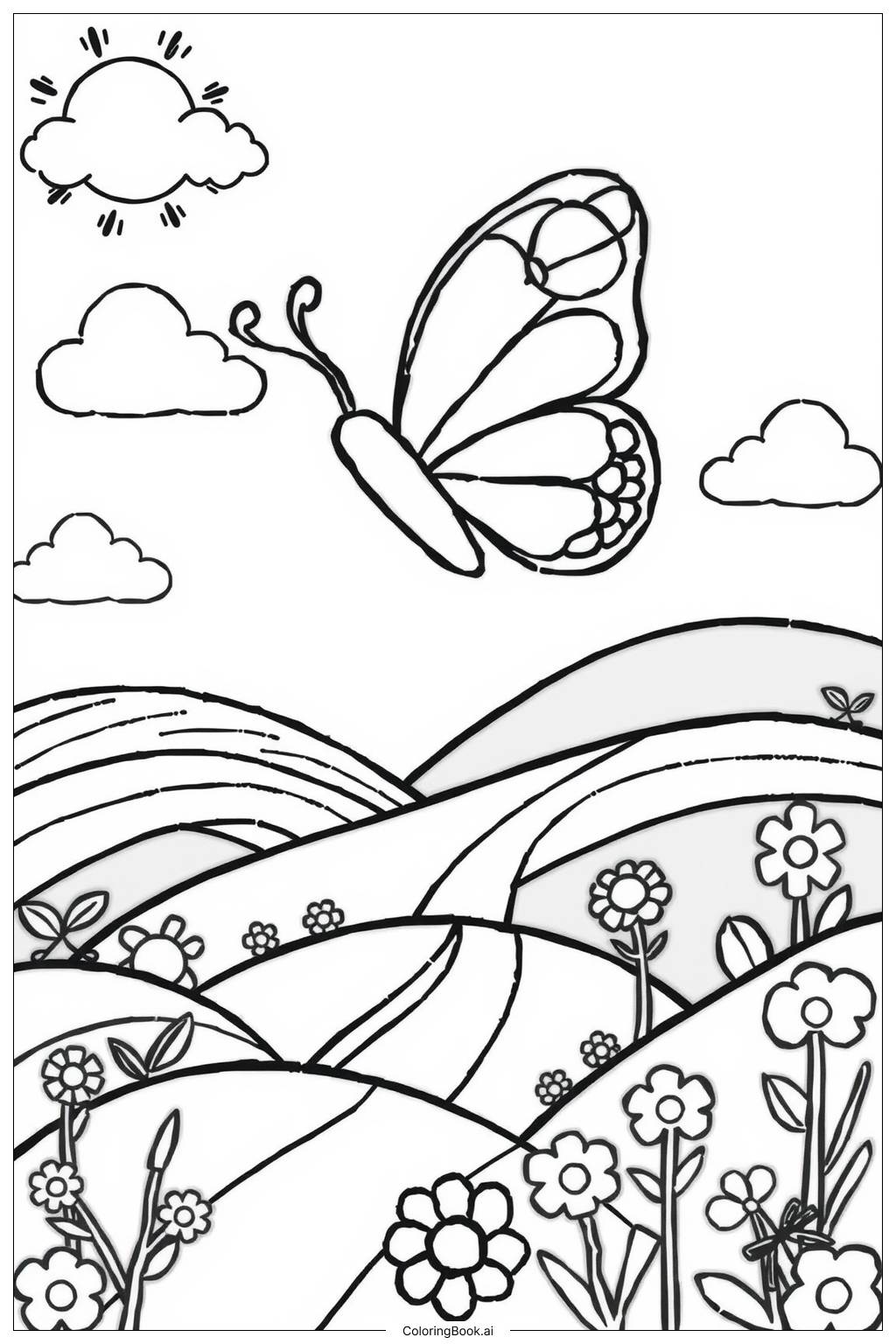
Start with the body of the butterfly. Use a dark color like brown or black for the head, body, and antennae to make them stand out. For the wings, try bright and cheerful colors. Yellow, orange, and pink work beautifully together. You can also go for cool tones like blue and purple for a more magical look. Use a single light color to fill each wing section first, then add a darker shade along the edges to create depth. Try making the top wings and bottom wings different but matching shades. For example, use orange on top and yellow on the bottom. You can also add spots or small patterns inside the wing sections to make your butterfly feel unique. There are no rules — use the colors that make you happiest. This is a great page for mixing and blending colors if you have colored pencils or watercolors.
Coloring challenges: Which parts are difficult to color and need attention for Basic Butterfly Shape coloring page?
• Wing Symmetry: One of the main challenges with this butterfly is keeping both sides looking balanced. Since butterflies are naturally symmetrical, using the same colors and patterns on the left and right wings can be tricky, especially for younger children. Take your time and check both sides as you go.\n\n• Staying Inside the Lines: The wing sections are separated by curved lines, and coloring neatly within each area requires a steady hand. The rounded shapes can be a little harder to follow than straight edges. Using a sharpened pencil or a fine-tip marker can help with control.\n\n• Choosing a Color Palette: With so many open wing sections, it can feel overwhelming to decide which colors to use and where to place them. Picking too many colors at once might make the butterfly look messy. Planning a simple color scheme of two to four colors before starting can help.\n\n• Coloring the Small Body Parts: The antennae, head, and segmented body are narrow and small compared to the wings. Filling these areas neatly without going outside the lines takes careful attention. A fine-tip tool works best here.\n\n• Creating Visual Interest Without Detail: Because this is a basic shape with minimal inner line detail, it can look flat if filled with a single flat color. Finding ways to add gentle shading or tonal variation within the large open wing areas is a challenge that helps develop coloring skills over time.
Benefits of coloring books: Advantages of drawing Basic Butterfly Shape coloring page
Coloring this butterfly page offers a wide range of benefits for children of all ages. The simple, open design makes it a stress-free starting point for young beginners, helping to build confidence with coloring tools like crayons, markers, and colored pencils. As children choose colors and fill in each wing section, they practice decision-making and develop their own sense of creativity and personal style. The act of staying within the curved lines helps improve fine motor skills and hand-eye coordination, which are important for writing and other daily tasks. Focusing on a calm, structured activity like this also encourages mindfulness and helps children slow down and concentrate. Older children can challenge themselves by exploring color theory, trying shading techniques, or creating symmetrical patterns across the wings. Completing the page gives a real sense of accomplishment, boosting self-esteem and a positive attitude toward creative work. Overall, this butterfly coloring page is a joyful and educational activity that supports both artistic growth and emotional well-being.