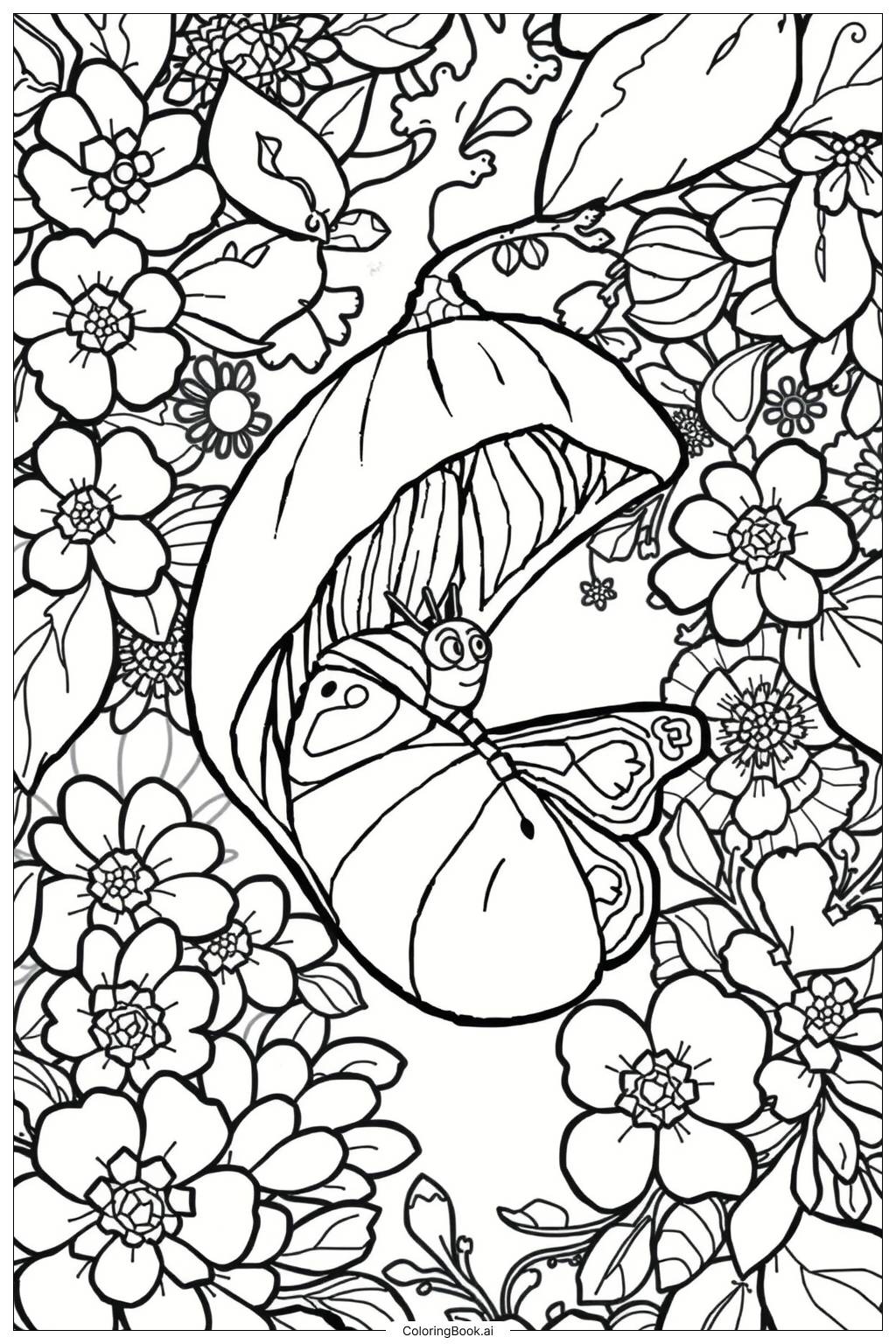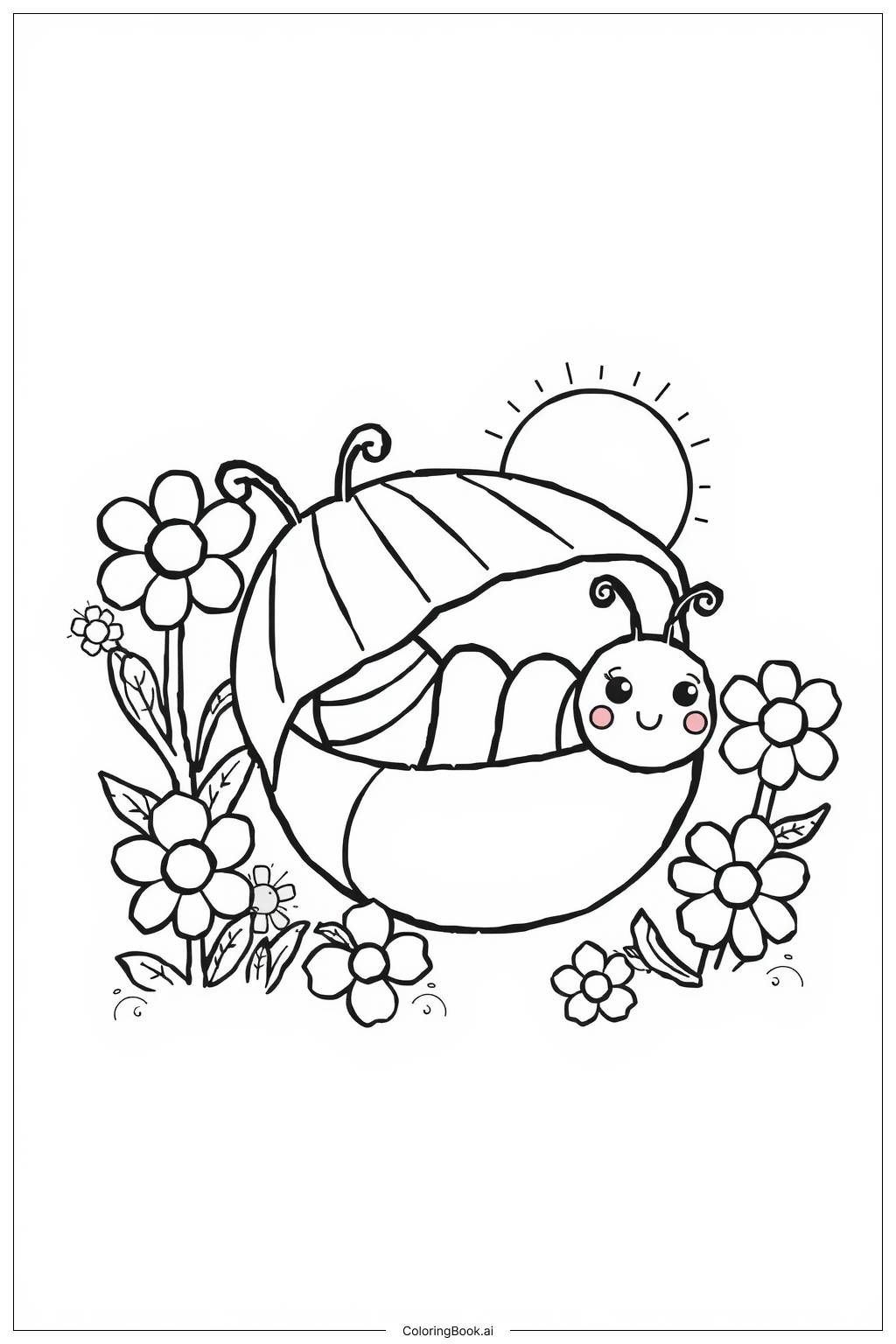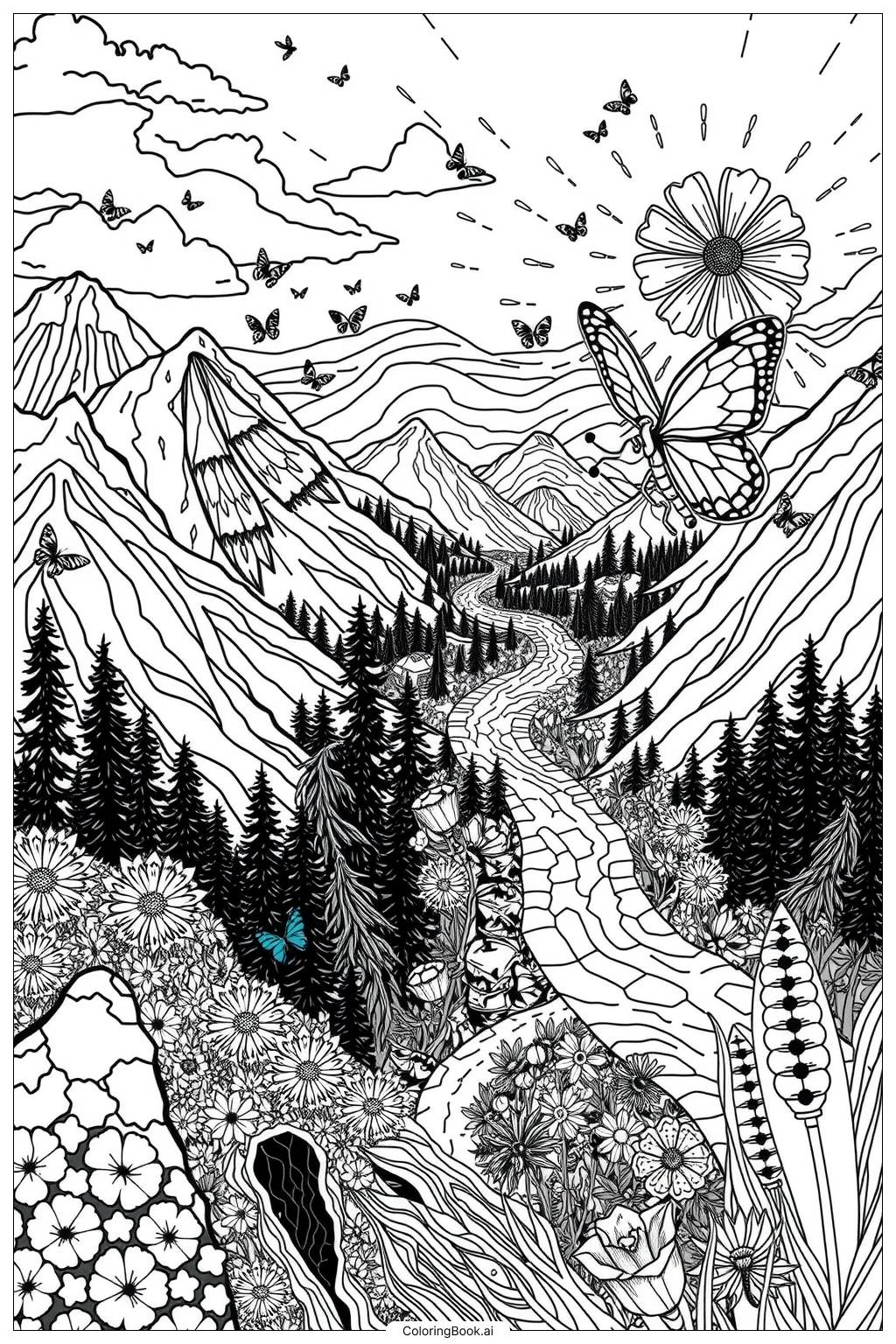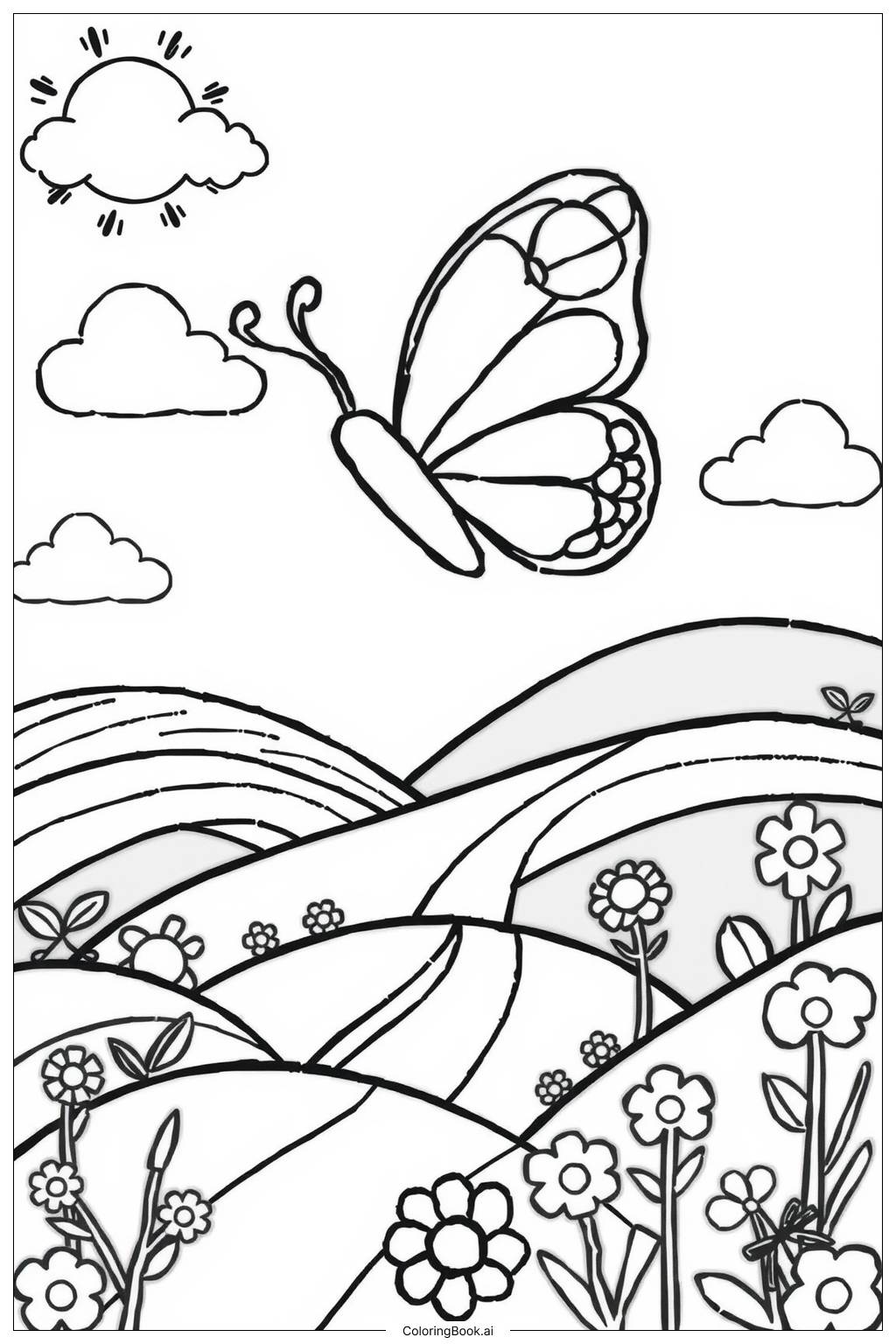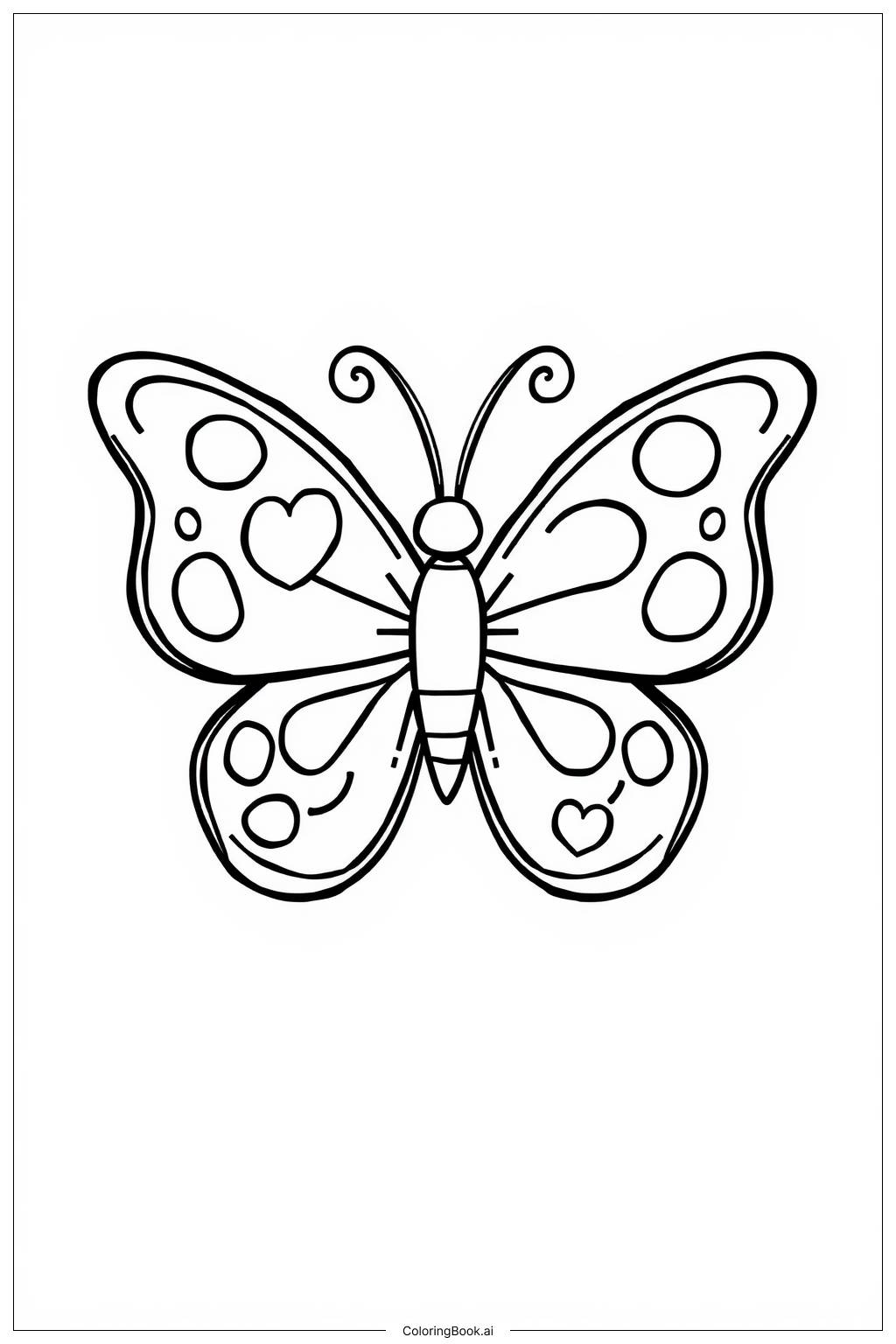
Coloring tips: How to color Basic Butterfly Shape coloring page well?
Start with the wings first since they are the largest areas. Pick two or three colors that look good together, like yellow and orange, or pink and purple. Use a lighter shade on the inside of the wings and a darker shade near the edges to create a natural look. You can also try a rainbow effect by blending multiple colors across the wings. Color the upper wings slightly darker than the lower wings to add depth. For the body, use a solid brown, black, or dark color to contrast with the bright wings. Color the antennae the same shade as the body to keep things balanced. Feel free to add spots, stripes, or patterns inside the wing spaces to make your butterfly unique and fun.
Coloring challenges: Which parts are difficult to color and need attention for Basic Butterfly Shape coloring page?
• Staying Within the Wing Outlines: The wings have smooth, curved edges and scalloped borders that require careful hand control. Young colorists or beginners may find it tricky to keep color neatly inside these curves without going over the lines. Moving slowly and using the tip of a colored pencil or marker helps with precision along the edges.
• Keeping Both Wings Symmetrical: Since the butterfly has matching left and right wings, trying to use the same colors and patterns on both sides can be challenging. It takes focus and patience to mirror your design evenly. Using the same sequence of colors on each side step by step makes this easier.
• Blending Colors on Large Wing Surfaces: The upper and lower wings offer wide open spaces, which is great for creativity but can be difficult to fill smoothly without streaks or uneven patches. Blending two colors together to create a gradient effect requires light, layered strokes, especially when using colored pencils or crayons.
• Coloring the Small Body Section: The butterfly's central body is narrow and elongated, making it harder to fill neatly without accidentally coloring over the wing lines nearby. Using a fine-tipped tool and short, careful strokes works best for this small area.
• Adding Detail to the Antennae: The antennae are thin and delicate. Coloring along such thin lines without smudging or going outside them can be difficult, especially for younger children. A sharp pencil tip or a thin marker is the best tool for handling these fine details.
Benefits of coloring books: Advantages of drawing Basic Butterfly Shape coloring page
Coloring this butterfly page offers many great benefits for kids and beginners alike. The simple, open wing shapes help young children practice holding and controlling a crayon or pencil, building fine motor skills in a fun and relaxed way. Because the design is clear and easy to follow, children feel confident and encouraged as they work through each section.
Choosing colors for the wings sparks creativity and imagination. Kids get to decide whether their butterfly looks realistic or totally magical, which builds creative thinking and decision-making skills. Trying to keep both wings matching also introduces early concepts of symmetry and balance.
Focusing on staying inside the lines helps children develop concentration and patience. Completing the entire page gives a real sense of accomplishment, which boosts self-esteem and confidence. For older kids, experimenting with color blending and gradient effects adds an artistic challenge that sharpens observation skills.
Coloring is also a calming activity. It helps reduce stress and anxiety, making it a wonderful quiet-time hobby for children. Overall, this simple butterfly page is a perfect starting point for anyone beginning their coloring journey.