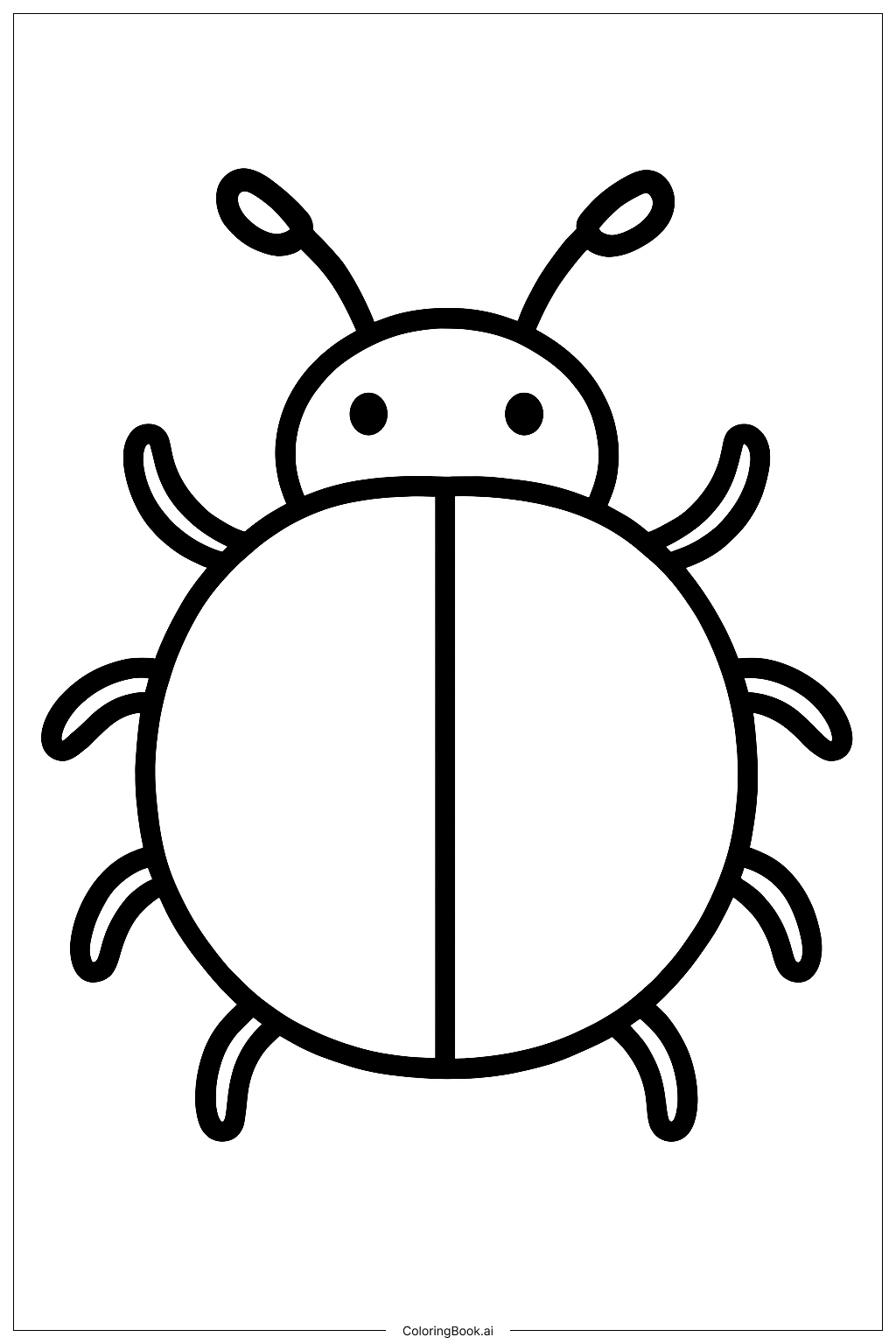
Coloring tips: How to color Round Beetle Bug coloring page well?
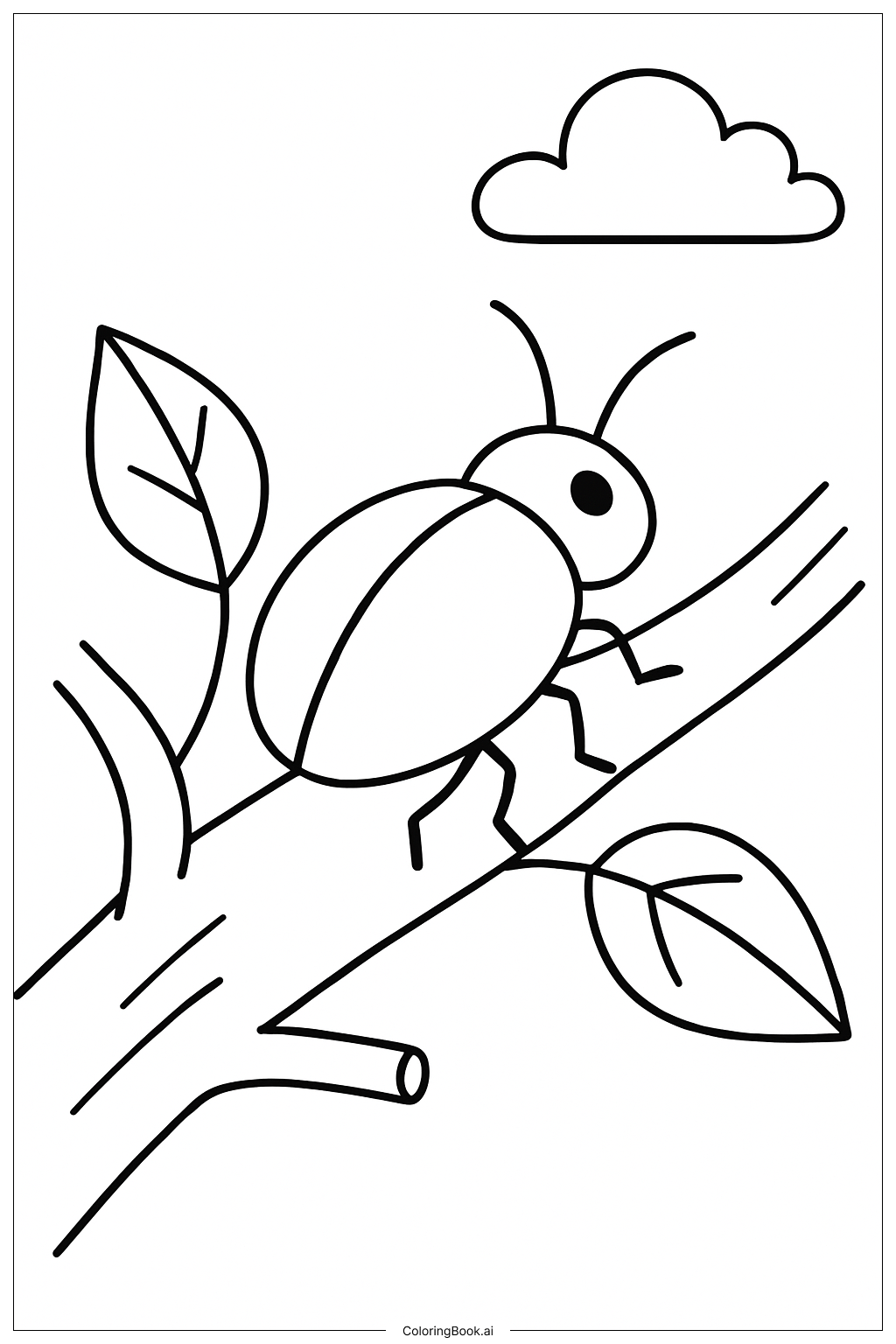
Try using bright colors to make the Round Beetle Bug come alive! You can color the shell in shiny red or deep green, with black or white spots for contrast. For the legs and antennae, brown or dark gray tones work well. Using a lighter shade for the belly will add dimension. Kids can also get creative and use unusual colors like blue or purple to make their beetle unique and imaginative. Coloring gently inside the smooth curves will help the bug look neat and realistic. You could even add a gentle background of green leaves or soft earth tones to complete the picture.
Coloring challenges: Which parts are difficult to color and need attention for Round Beetle Bug coloring page?
• Small Details: The beetle’s legs and antennae have thin sections that require careful coloring to stay inside the lines.
• Spot Patterns: The spots on the shell may be tricky to color neatly because they are close together and need consistent coloring.
• Smooth Curves: The rounded shape of the beetle’s body challenges young colorers to maintain smooth, even coloring without streaks.
• Texture Suggestion: The fine lines indicating segments or textures need gentle coloring to enhance the design without overpowering it.
• Limited Space: Some areas, like the eyes and small legs, are quite small and require patience and precise control to color well.
Benefits of coloring books: Advantages of drawing Round Beetle Bug coloring page
Coloring this Round Beetle Bug helps improve fine motor skills by practicing control in small spaces and curvy shapes. It encourages attention to detail through the delicate spots and legs. Kids can develop color recognition by choosing different shades and learn about creativity when mixing natural and imaginative colors. It also promotes patience and concentration as children work carefully to color smoothly. Additionally, this activity connects children with nature by sparking curiosity about insects and their unique body structures.