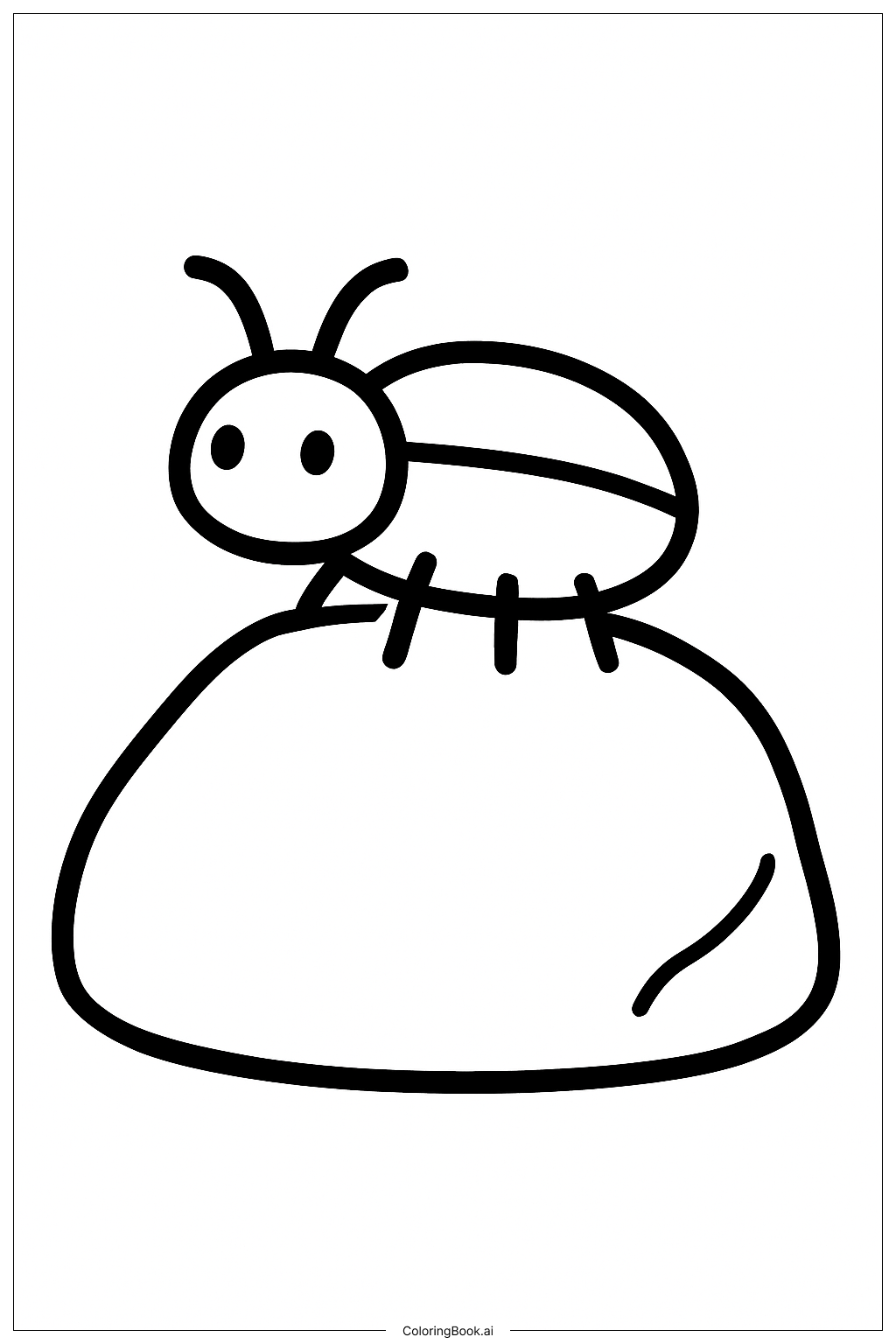
Coloring tips: How to color Bug On A Rock coloring page well?
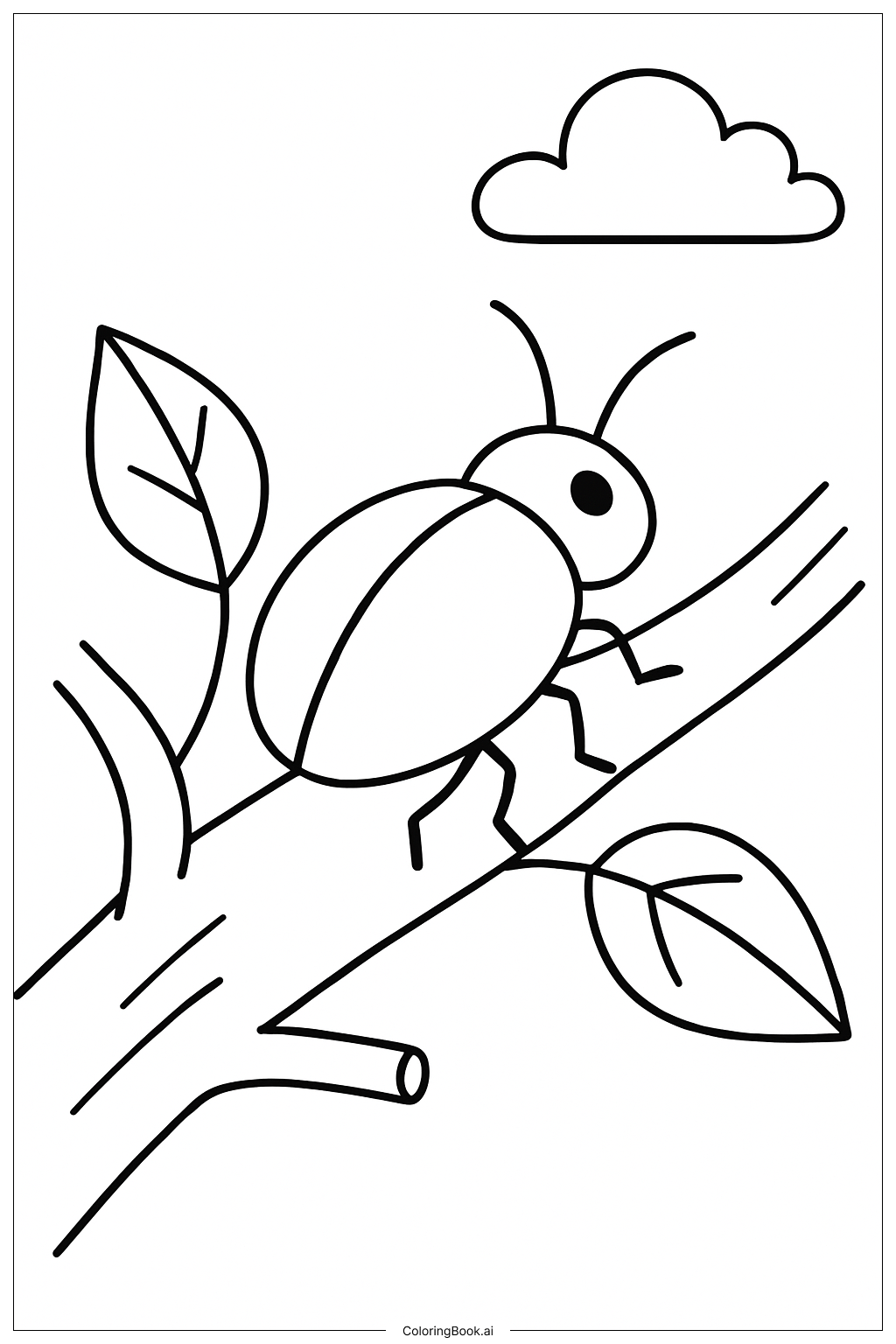
For coloring this Bug On A Rock, you can use vibrant colors to bring the Bug to life. Try shades of red, orange, or green for the Bug’s body, with black or dark brown for its legs and antennae. The Rock can be colored with earthy tones like gray, brown, or beige to show its rough texture. You might want to use different shades to highlight the cracks and shadows on the Rock. The grass blades in the background can be colored in various shades of green, adding freshness to the scene. Feel free to add personal touches such as small flowers or insects around the Bug to make the image more lively and fun.
Coloring challenges: Which parts are difficult to color and need attention for Bug On A Rock coloring page?
• Small Details: The Bug’s legs and antennae are slender and delicate, requiring careful coloring to avoid going outside the lines.
• Texture Variation: The Rock has a rough surface with cracks and small stones, which makes it challenging to create a realistic effect using only coloring tools.
• Shading: Adding depth to both the Bug and the Rock involves shading techniques that may be difficult for younger children or beginners.
• Background Simplicity: The grass blades are simple but thin, so coloring them neatly without overlapping can be tricky.
• Size Contrast: Coloring the small Bug in contrast to the larger Rock requires attention to scale and detail to keep the Bug noticeable and vibrant.
Benefits of coloring books: Advantages of drawing Bug On A Rock coloring page
Coloring this Bug On A Rock helps improve fine motor skills by encouraging careful coloring within small areas like the Bug’s legs and antennae. It boosts attention to detail through the need to shade and texture the Rock realistically. This activity also fosters creativity as children choose different colors and experiment with natural tones for both the Bug and its environment. Moreover, coloring nature-themed images helps build a connection to the outdoors and an appreciation for small creatures. It can be relaxing and mindful, supporting focus and patience in kids aged 4 to 16.