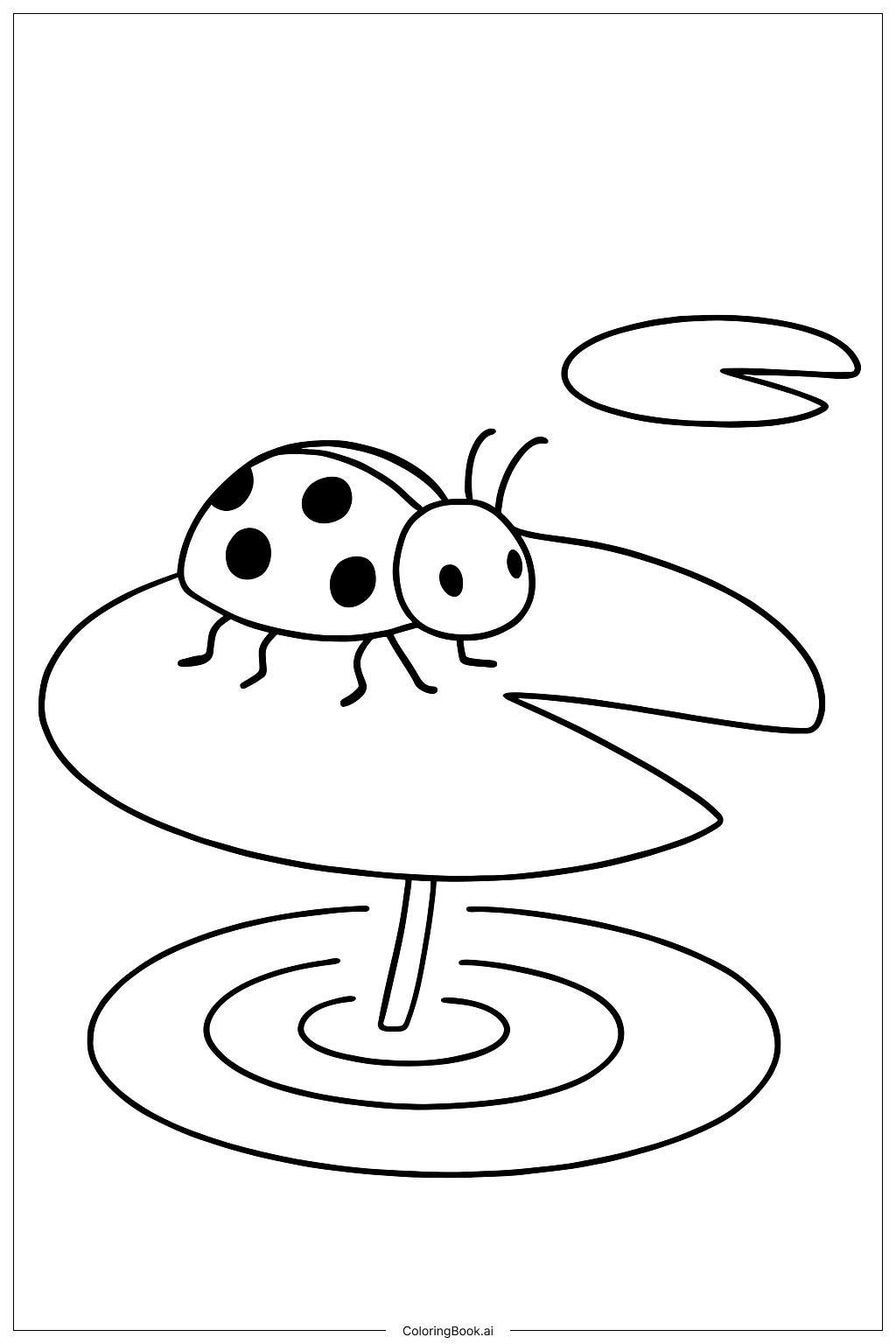
Coloring tips: How to color Bug On A Pond Leaf coloring page well?
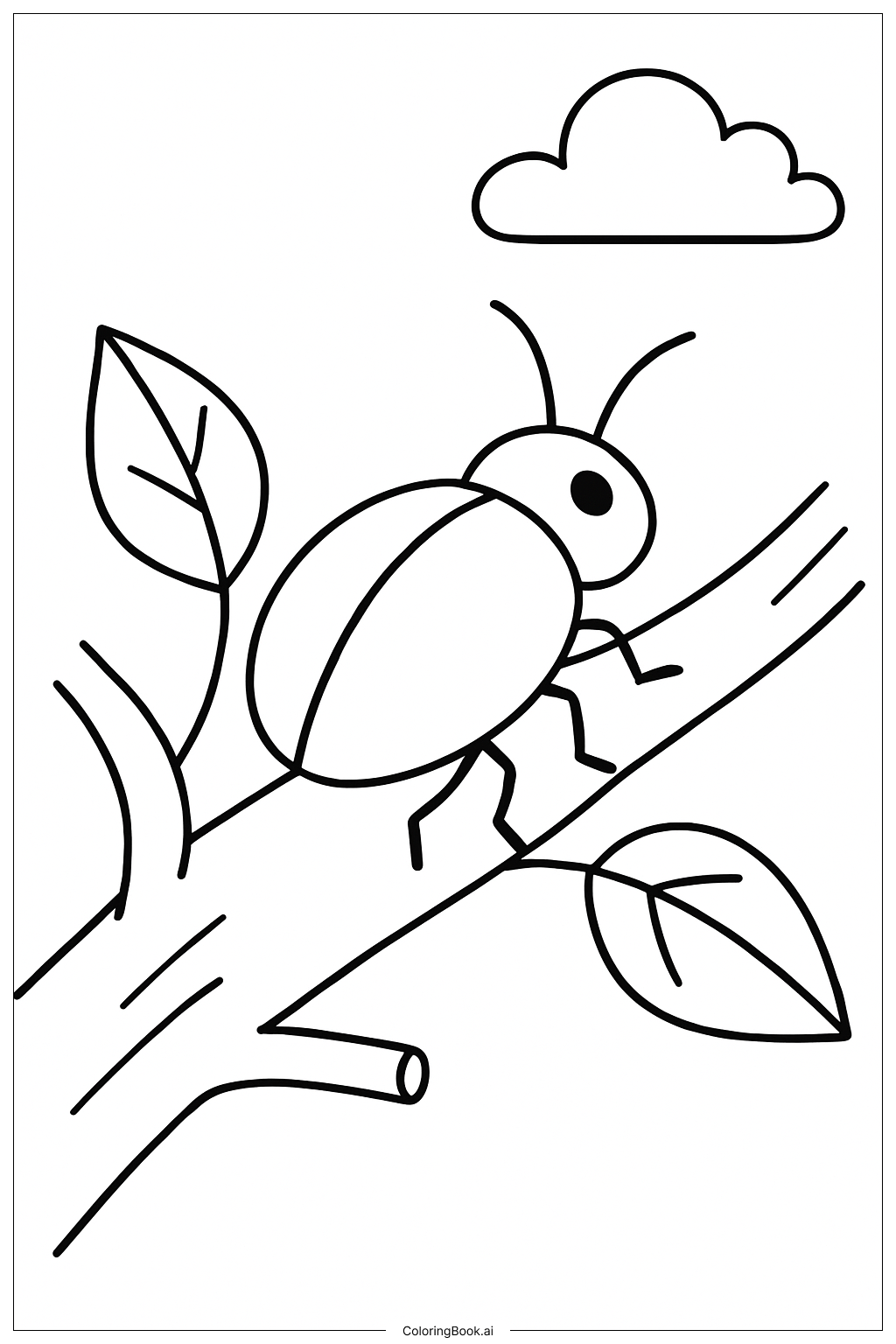
You can use bright green shades to color the pond leaf, mixing lighter and darker greens to show its veins and texture. For the bug, try warm colors like reds, oranges, or browns to make it stand out against the green leaf. The water can be colored with soft blues or teal tones to create a calm and peaceful mood. Adding some gentle shading with different blue shades will help to show the ripples around the leaf. Feel free to use your imagination—bugs come in many colors, so you can make your bug as realistic or as colorful as you like.
Coloring challenges: Which parts are difficult to color and need attention for Bug On A Pond Leaf coloring page?
• Tiny Details: The bug has small legs and antennae that require careful coloring to stay inside the lines, which can be tricky for younger children. • Leaf Veins: The veins on the pond leaf are delicate and winding, so shading them properly to create a natural look takes attention to detail. • Water Ripples: Coloring the water ripples smoothly while maintaining the reflection effect can be challenging because it needs gradual color changes. • Color Contrast: Making sure the bug’s colors stand out against the green leaf without clashing requires thoughtful color choices. • Small Spaces: Some parts of the bug’s body are tightly grouped, requiring patience and fine motor control to color neatly.
Benefits of coloring books: Advantages of drawing Bug On A Pond Leaf coloring page
Coloring this image helps children develop fine motor skills by carefully filling in small and detailed areas like the bug’s legs and leaf veins. It encourages focus and patience, especially when working on the subtle water ripples. Choosing colors to create contrast between the bug and the leaf enhances decision-making and creativity. Coloring nature scenes like this also increases awareness and appreciation of the natural world. Overall, it’s a relaxing activity that promotes mindfulness and artistic expression for children and adults alike.