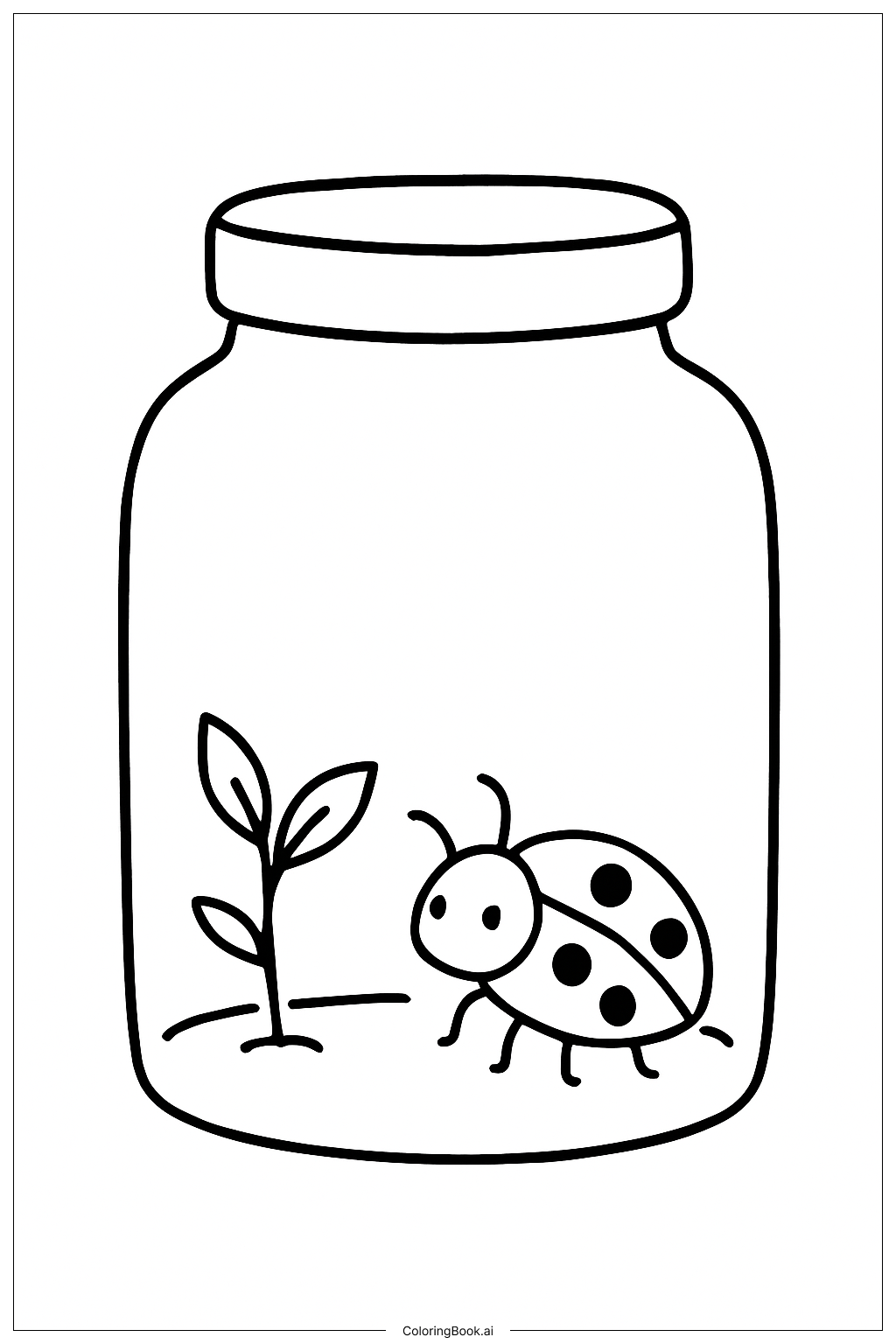
Coloring tips: How to color Bug In A Tiny House coloring page well?
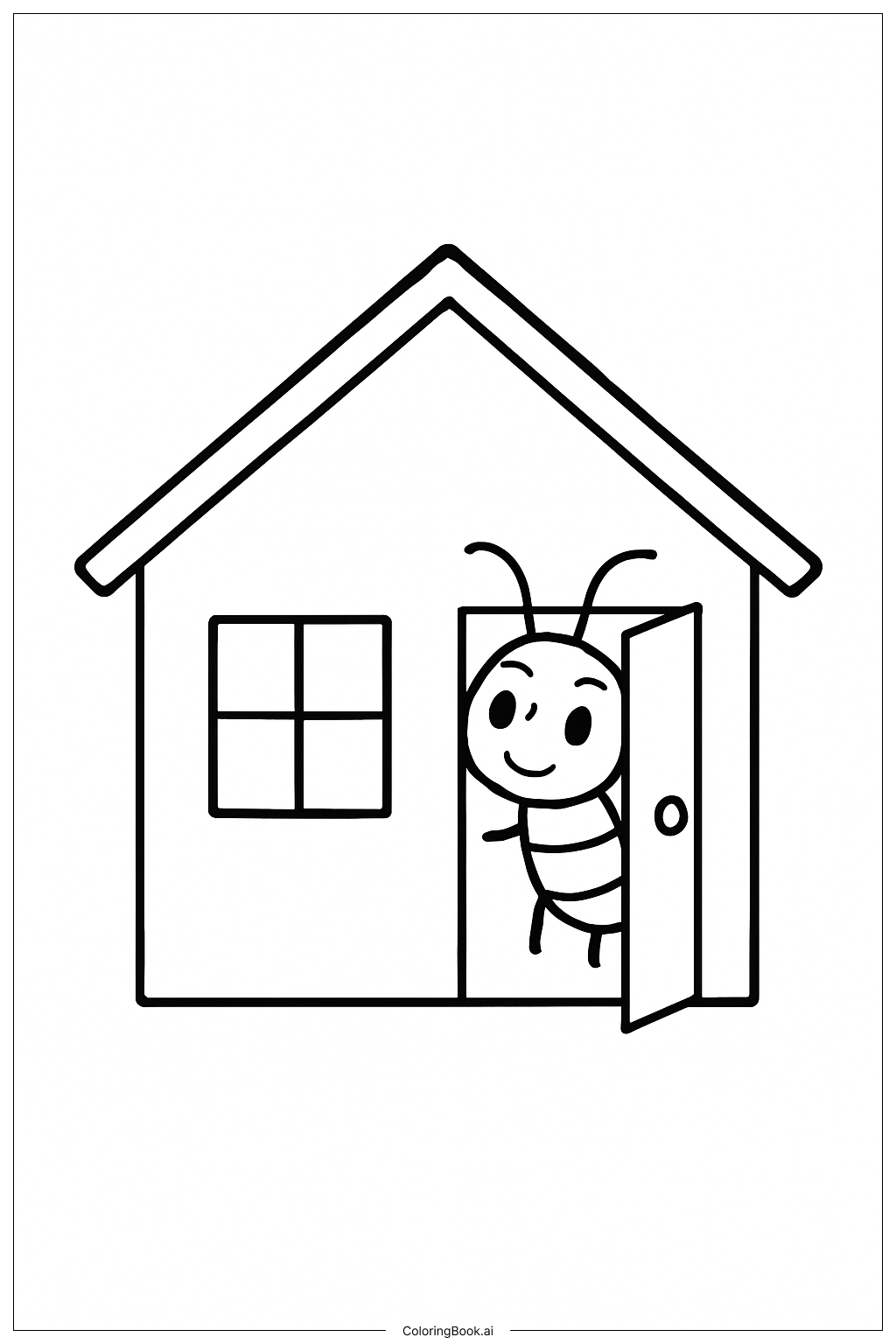
For coloring this page, kids might choose bright colors to bring the bug to life. Consider using yellow and black for the bug's stripes, and soft pastel colors for the house. A light blue can make the window sparkle, while the door could be painted a cheerful red or green. The roof can be a warm brown or a bright color, reflecting a sunny day. Encourage kids to think about their favorite colors and use as many as they like. They can even draw flowers or grass around the house for extra fun.
Coloring challenges: Which parts are difficult to color and need attention for Bug In A Tiny House coloring page?
1. **Detail Level**: The bug has small details like antennas and stripes which can be tricky to color without going over the lines. Children need to focus and use fine-tipped crayons or markers.
2. **Color Choices**: Deciding which colors to use for both the bug and the house might be challenging. Kids should think about what colors create harmony and stand out nicely together.
3. **Blending Colors**: For those who want to mix colors, blending shades can be difficult. It requires a gentle hand to make colors transition well for an appealing look.
4. **Window Effects**: Making the window appear shiny or transparent can be a challenge. Children need to use lighter colors or leave parts uncolored to create this effect.
5. **Staying Inside the Lines**: Young artists may struggle with staying within the lines, especially in curved areas like the bug's body. Encourage them to take their time and practice control with their coloring tools.
Benefits of coloring books: Advantages of drawing Bug In A Tiny House coloring page
Coloring is a fantastic activity for children! It helps develop fine motor skills as they grasp crayons and control their movements. This coloring page encourages creativity, allowing kids to express themselves through color choice. It also improves focus and concentration when they work carefully on details. Moreover, coloring can be relaxing, helping to reduce stress and anxiety. As they color the bug in its tiny house, children can learn about nature and the joy of little creatures. It's a fun way to spark imagination and storytelling, as kids might invent stories about the bug's adventures.