Coloring tips: How to color Bug In A Shell coloring page well?
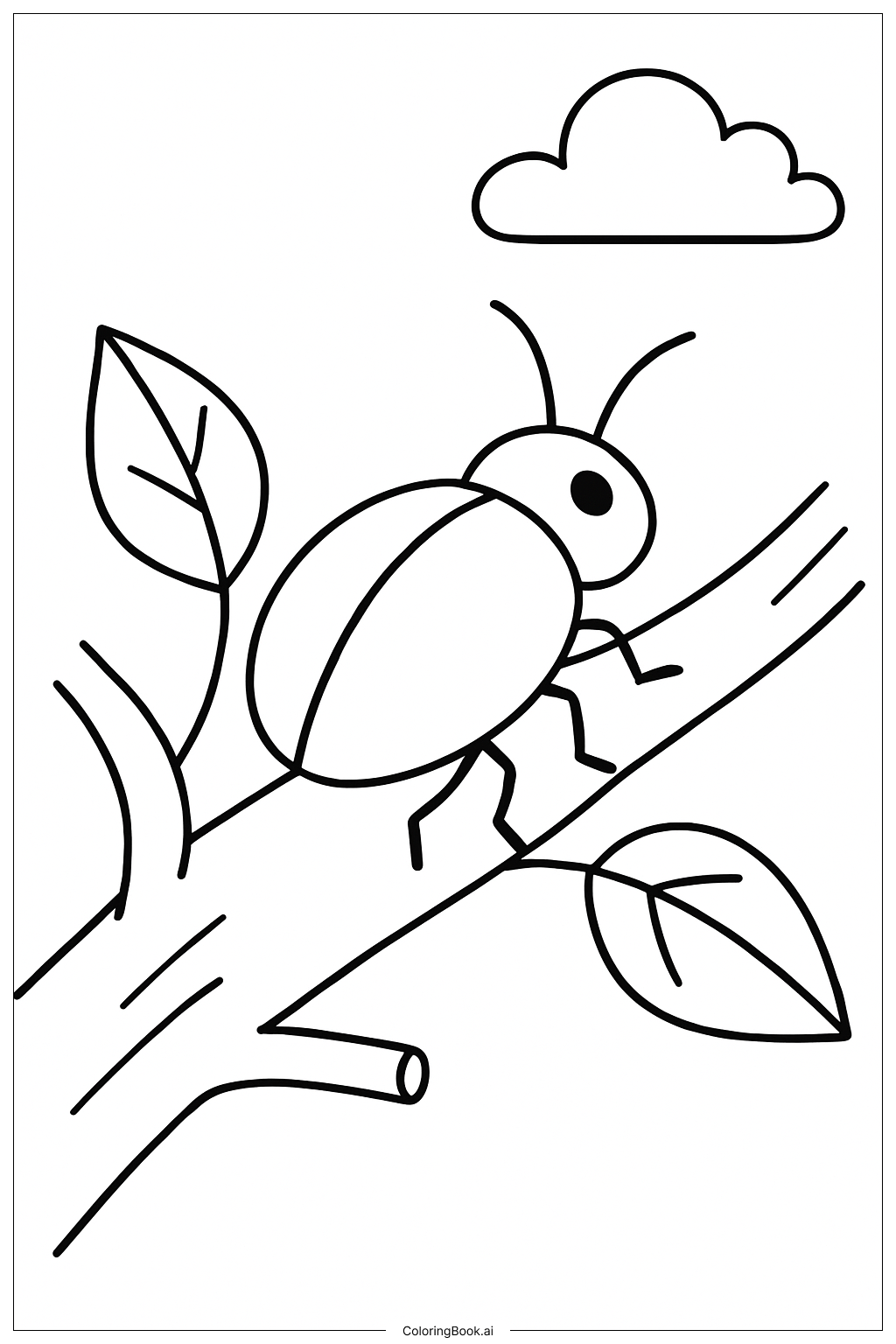
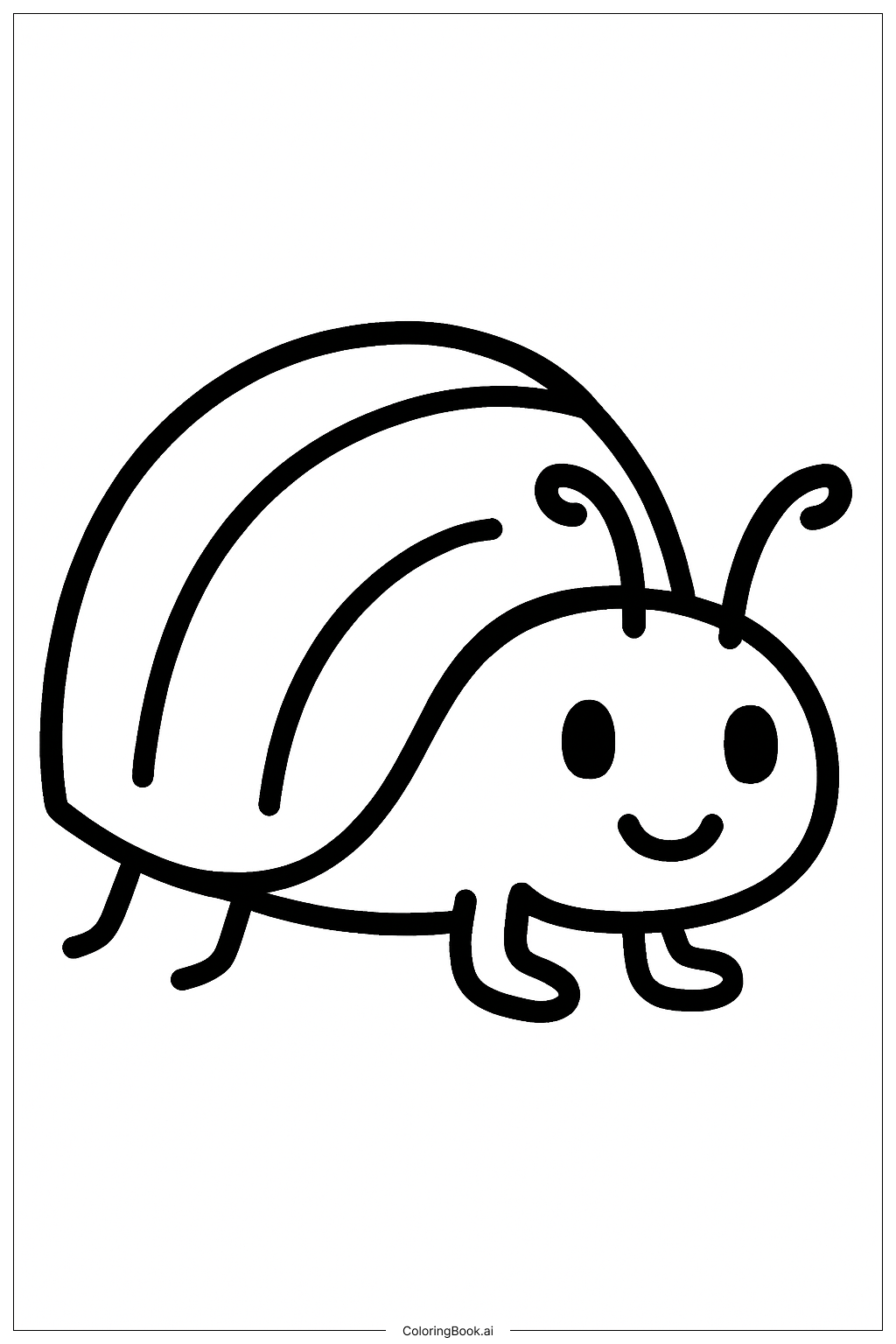
When coloring this bug, consider using bright and cheerful colors. You can make the shell a rich brown or tan color to resemble real shells. The bug's body could be a light green or a vivid yellow to make it stand out. Don't forget to add fun colors to the antennae! You could use contrasting colors for the legs, perhaps in shades of purple or blue. Encourage kids to add patterns, like dots or stripes, on the shell to make it more interesting. This activity allows for a mix of creativity and color exploration, making the coloring experience fun and educational.
Coloring challenges: Which parts are difficult to color and need attention for Bug In A Shell coloring page?
1. **Small Areas**: The bug has tiny legs and antennae, which can be tricky to color. Young artists might find it challenging to stay within the lines in these smaller sections. To help, they can use finer markers or colored pencils for more precision.
2. **Shading**: Adding depth with shading can be complicated. Kids may struggle with how to create darker and lighter areas effectively. Teaching them about light sources and where shadows fall can enhance their coloring skills.
3. **Color Coordination**: Choosing colors that complement each other can be tough. Children might find it hard to select colors that look good together. A color wheel or suggestions on color combinations can assist in making better choices.
4. **Patterns**: If kids want to add patterns to the shell, it might be hard for them to envision what would look good. Discussing different pattern types, such as stripes or polka dots, could help them express their creativity better.
Benefits of coloring books: Advantages of drawing Bug In A Shell coloring page
Coloring this page offers numerous benefits. Firstly, it enhances fine motor skills as children practice holding crayons or pencils. This activity helps improve hand-eye coordination and control over writing tools. Secondly, coloring encourages creativity and self-expression. Kids can choose colors according to their preferences, allowing them to express their personality. Thirdly, it increases focus and concentration. Staying within lines and deciding on colors helps children practice attention to detail. Fourthly, coloring can be a relaxing activity. It provides children with a way to unwind and reduce stress while having fun. Lastly, conversations about color choices can promote language skills, allowing kids to expand their vocabulary.