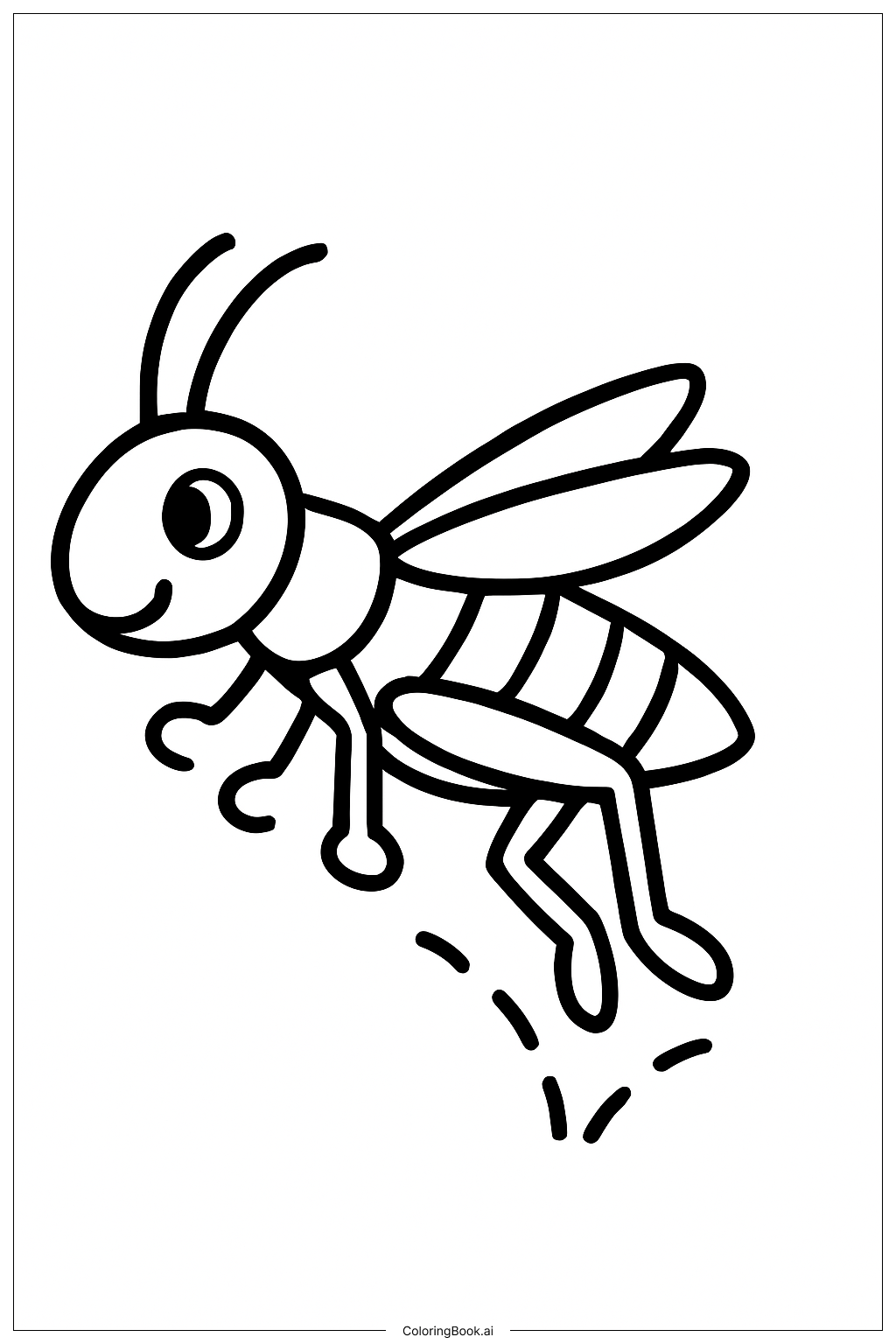
Coloring tips: How to color Bouncing Grasshopper Bug coloring page well?
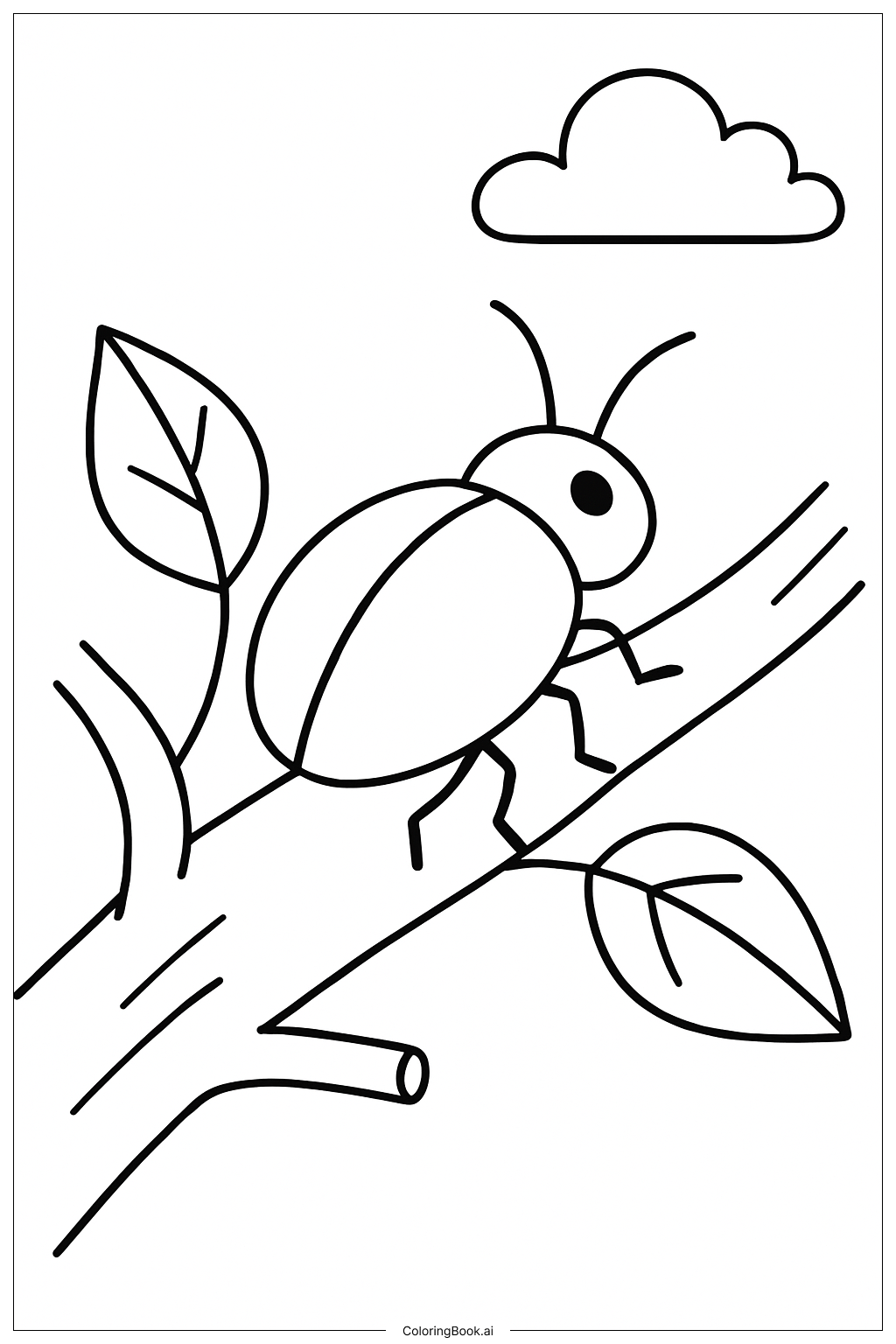
Use bright green shades for the grasshopper’s body to give it a lively and realistic look. You can add touches of yellow or light brown on its legs and antennae for contrast. The wings can be colored with light gray or soft translucent blues to show their delicate texture. For the grass and ground, mix different greens and yellows to make it look lush and natural. Feel free to use a blue or sky-colored background to suggest an outdoor setting. You can also add some colorful flowers or insects around to make the picture more cheerful and fun. Keep your strokes smooth and neat to highlight the details on the grasshopper’s body.
Coloring challenges: Which parts are difficult to color and need attention for Bouncing Grasshopper Bug coloring page?
• Small body segments: The grasshopper’s body is made up of many tiny parts. Coloring within these narrow areas can be tricky, requiring careful hand control to avoid going outside the lines. • Thin legs and antennae: The long, thin shapes of the legs and antennae can be hard to color without breaking their delicate look. It takes patience and precision to keep them neat and visible. • Wing texture: The wings have subtle patterns that need gentle coloring to maintain their light and fragile effect. Too much color can make them look heavy instead of airy. • Background elements: The blades of grass include many thin lines close together. Balancing colors here without making the background look crowded or dull can be challenging. • Limited space: Because the grasshopper is jumping and compact in the picture, some colored areas are small, requiring fine motor skills to fill in evenly.
Benefits of coloring books: Advantages of drawing Bouncing Grasshopper Bug coloring page
Coloring this image helps children develop hand-eye coordination and precision because of the detailed grasshopper segments and thin limbs. It encourages them to observe nature closely and think about insect features, enhancing their attention to detail. Selecting colors and shading the wings and grass also promotes creativity and color recognition. This activity can improve patience and concentration as they carefully color small parts. Moreover, it provides a fun way for kids to connect with the outdoors and learn about grasshoppers while enjoying a calming and rewarding creative task.