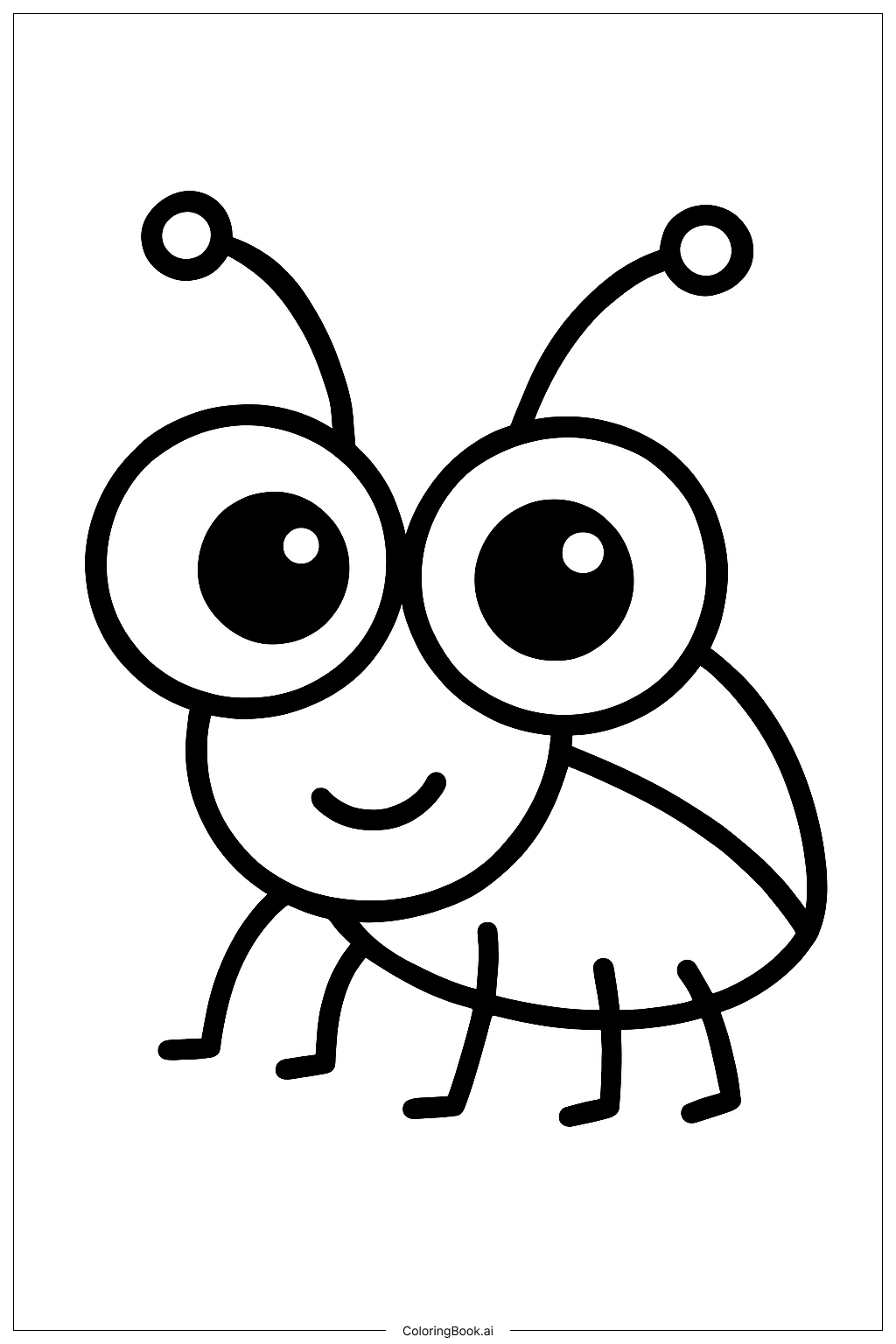
Coloring tips: How to color Big Eyed Bug coloring page well?
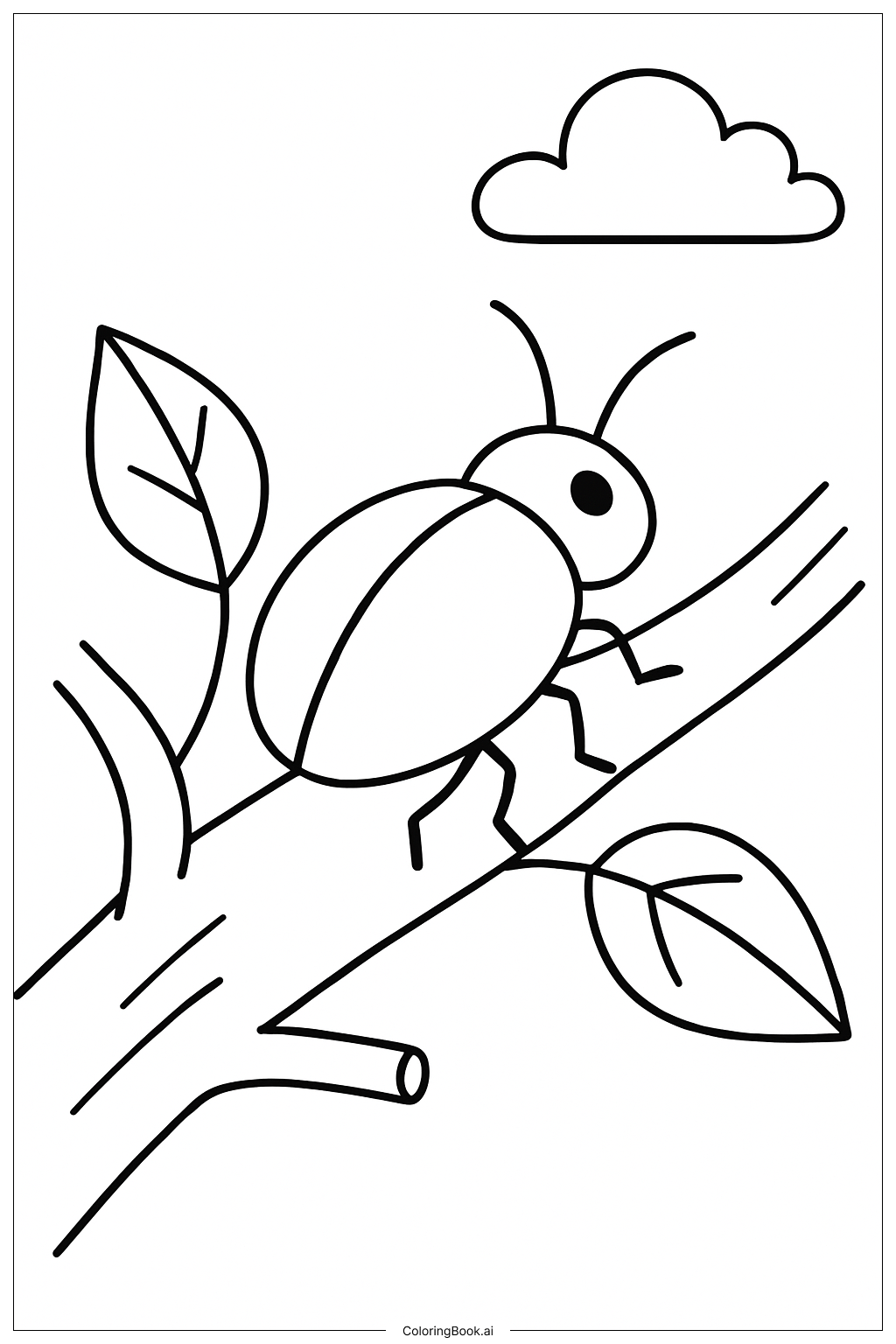
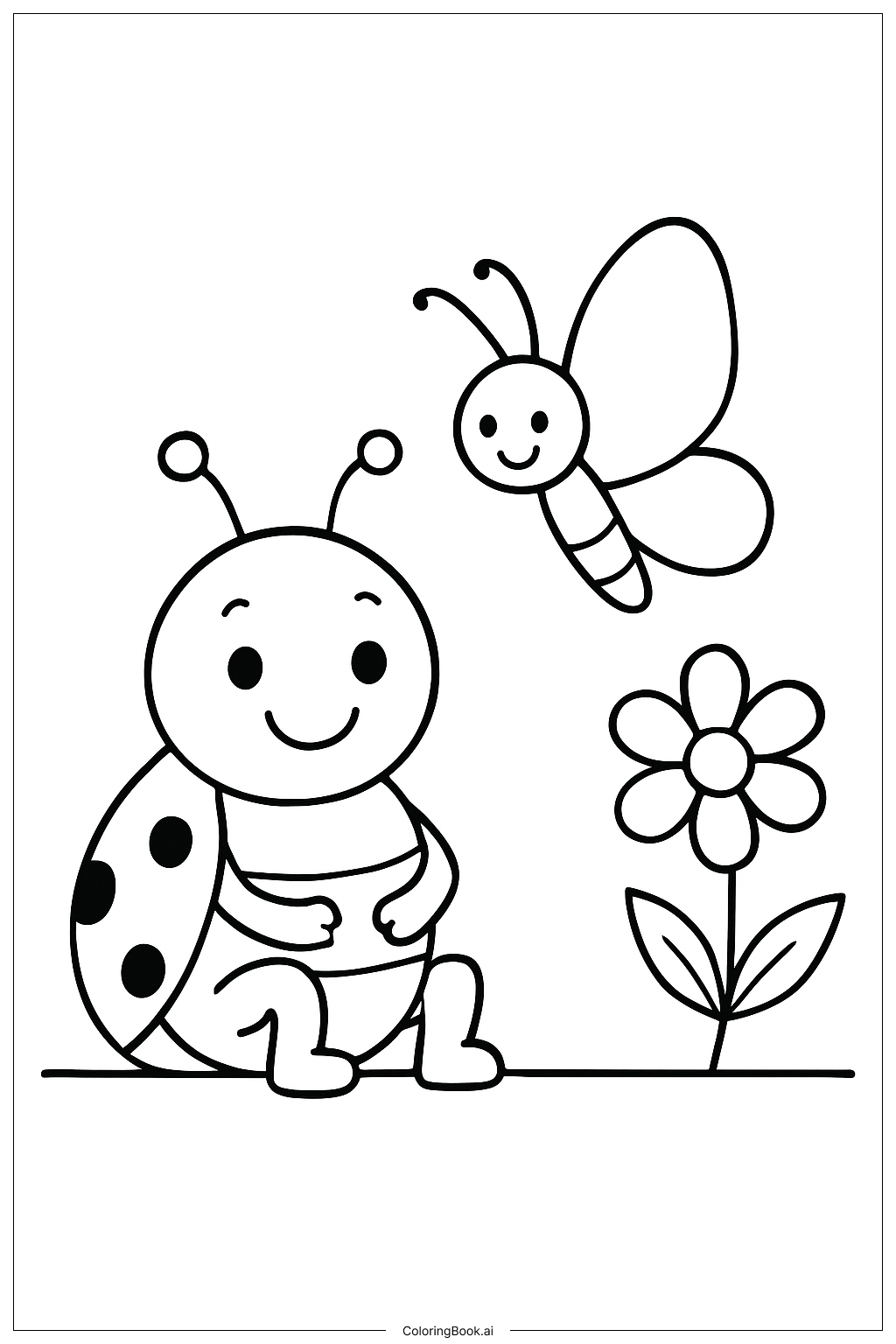
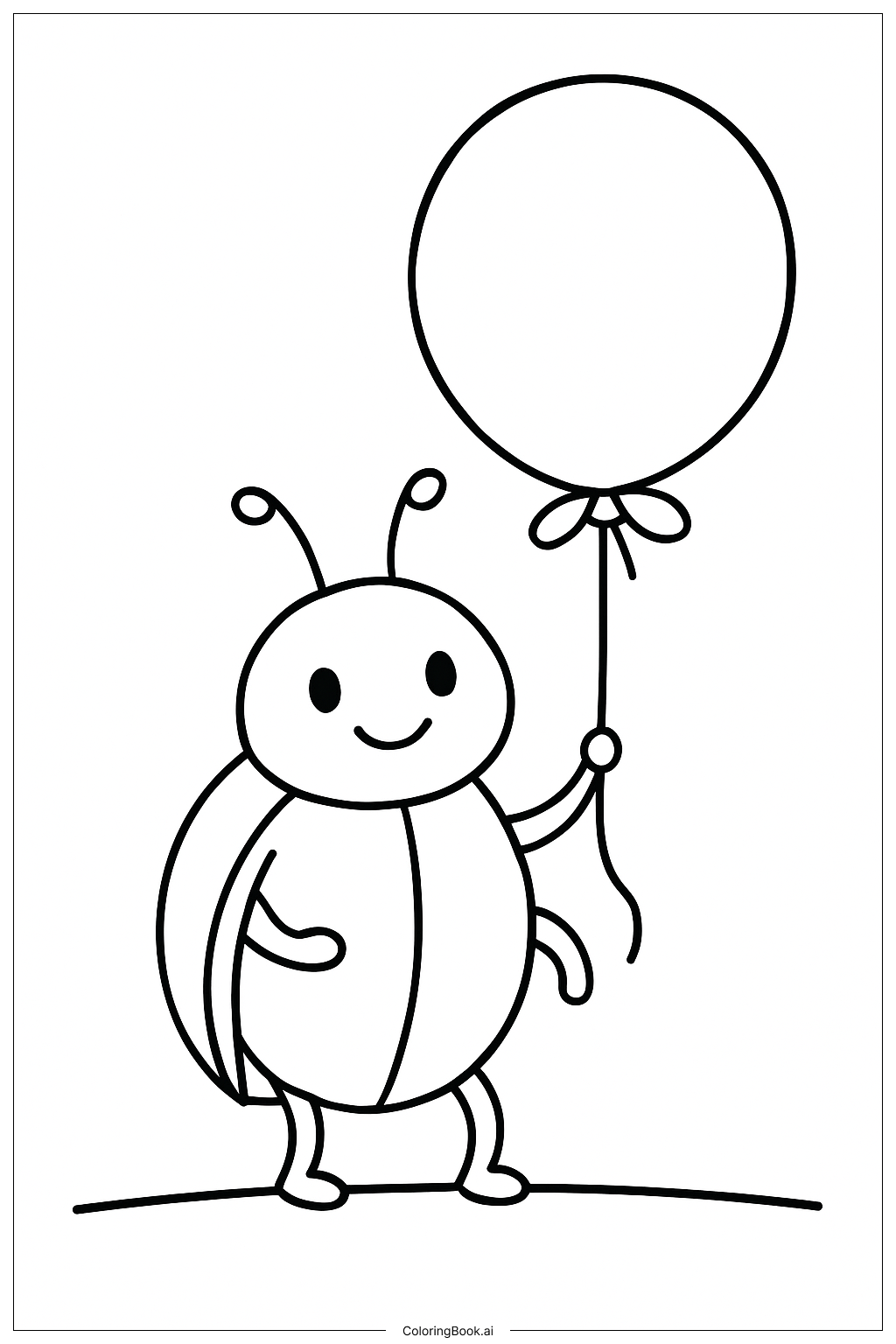
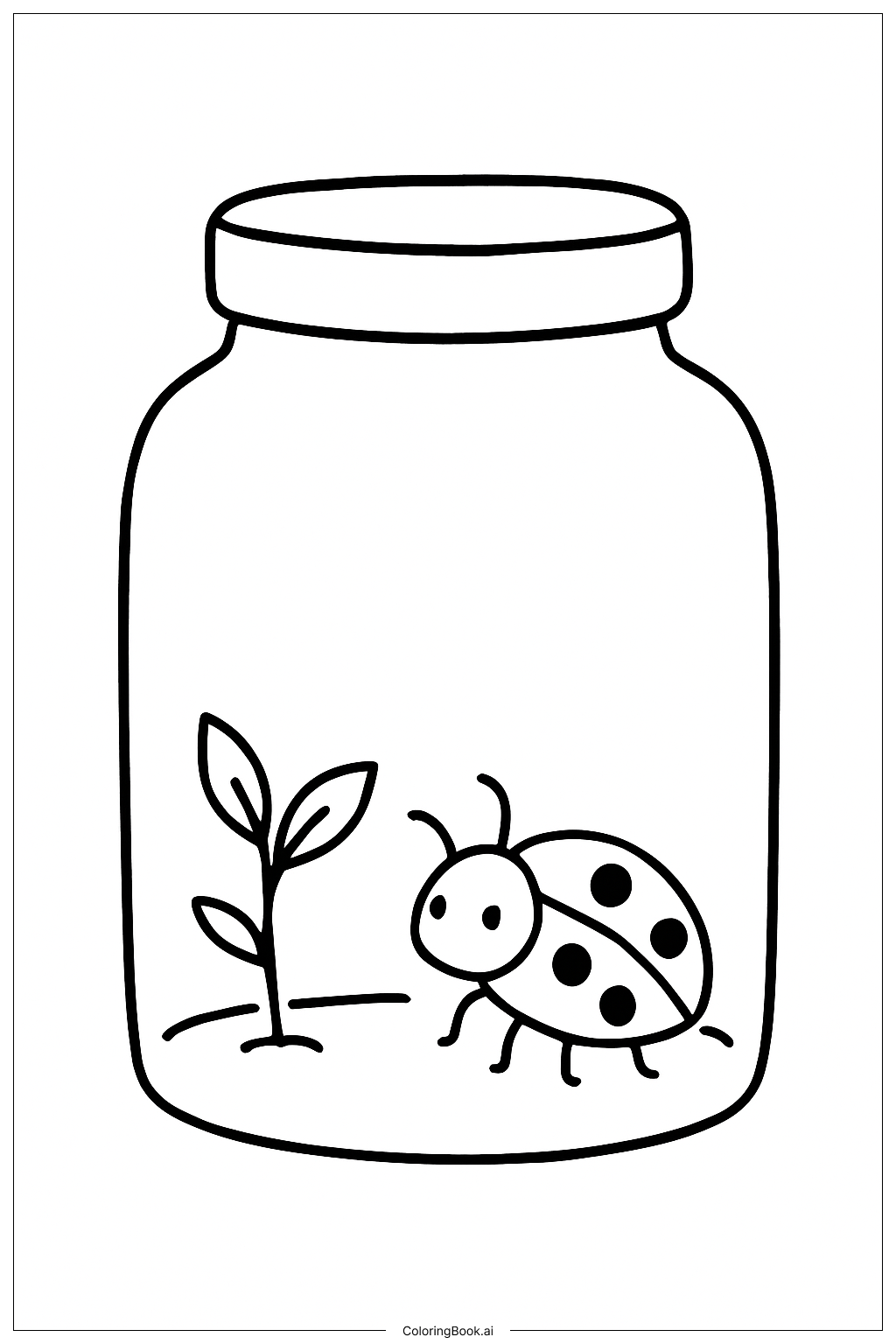
To color this Big Eyed Bug, you can start with bright colors for the eyes to make them stand out — try shiny greens, blues, or even purples. For the body and wings, natural colors like orange, red, or yellow work well, but you can also get creative with vibrant hues like pink or turquoise. Use lighter colors on the wing segments and darker shades on the legs and antennae to add contrast. Adding soft shading around the eyes can make them look shiny. Feel free to experiment by mixing colors and patterns on the bug’s wings. Remember to color carefully inside the lines for a neat and beautiful result.
Coloring challenges: Which parts are difficult to color and need attention for Big Eyed Bug coloring page?
• Big Eyes Detail: The large eyes have many curves and areas that require careful coloring to avoid overlapping the edges and losing their distinct shape.
• Wing Segments: The wings are divided into smaller sections that might be tricky to color separately, requiring attention to keep the colors from blending unintentionally.
• Small Antennae and Legs: These thin parts need fine motor control and precision to color without going outside the lines.
• Maintaining Contrast: Choosing the right colors to differentiate the wings from the body and legs can be a challenge, as some areas are close together.
• Balanced Shading: Adding shading to highlight the eyes and wings demands patience to blend colors smoothly without blotches.
Benefits of coloring books: Advantages of drawing Big Eyed Bug coloring page
Coloring this Big Eyed Bug helps children improve hand-eye coordination and fine motor skills, especially when coloring the detailed eyes and thin legs. It encourages creativity by allowing them to choose colors and patterns for a friendly insect that can be as natural or imaginative as they want. The simple clean design supports concentration and helps develop patience for coloring within boundaries. Additionally, focusing on different parts like the wings and eyes improves attention to detail. This activity can also enhance color recognition and blending techniques, making it fun and educational for kids aged 4 to 16.