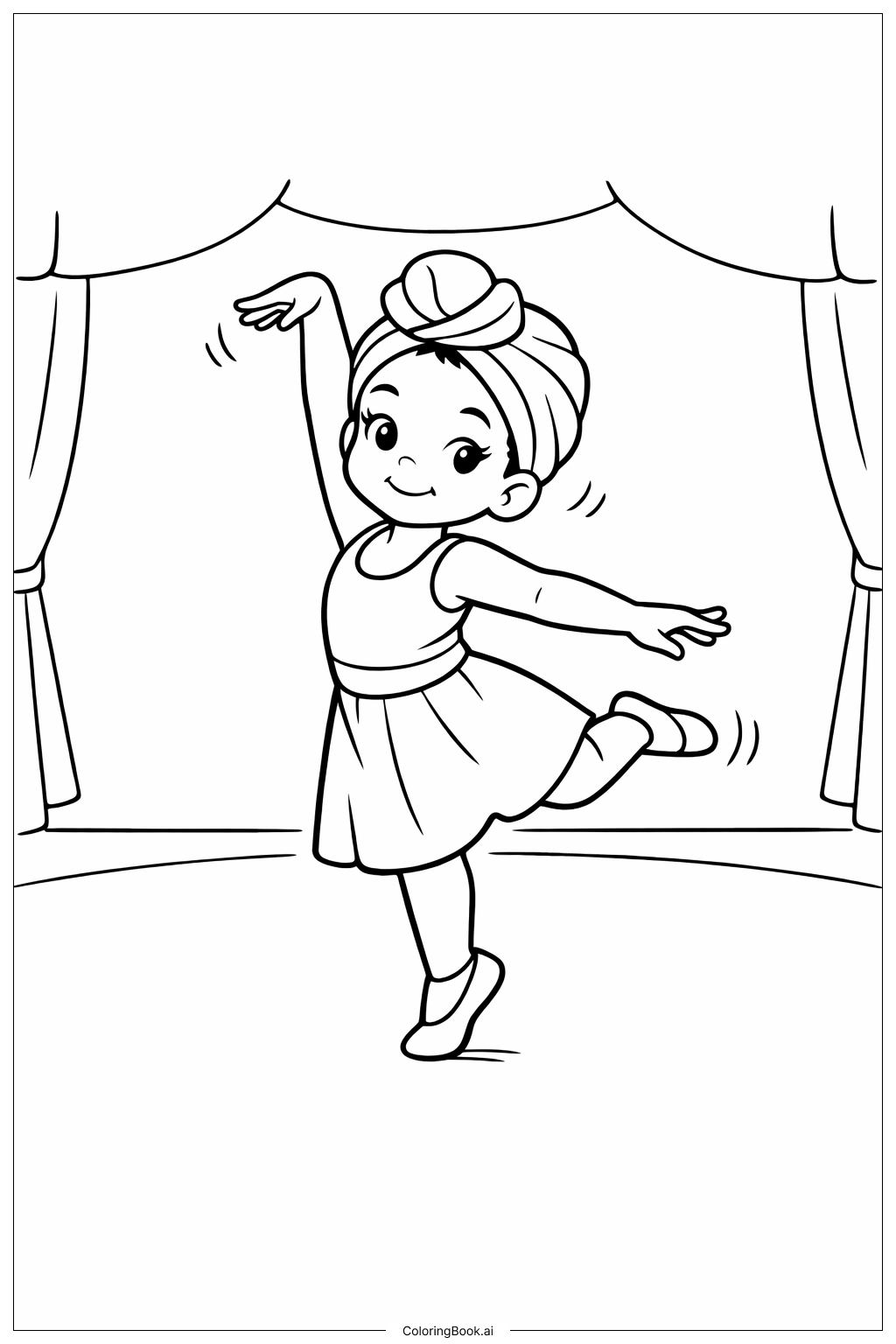
Coloring tips: How to color Young Dancer With Headwrap Black History Month coloring page well?
Start with the skin tone using warm shades like golden brown, caramel, or deep cocoa. For the headwrap, choose bold and vibrant colors like deep red, royal blue, golden yellow, or rich green — colors that reflect African heritage and cultural pride. The dance outfit looks great in bright, energetic colors like coral, purple, or turquoise. Use a contrasting shade for the ruffles or layers to make them pop. Add warm amber or honey tones to her accessories if any are present. For the background, use deep, rich colors like navy blue or forest green to let the figure stand out. You can also add patterns inspired by African textiles — like kente stripes or geometric shapes — to the headwrap and clothing to celebrate Black History Month in a creative way. Use a light hand for shading on the skin and a bolder stroke for the fabric details.
Coloring challenges: Which parts are difficult to color and need attention for Young Dancer With Headwrap Black History Month coloring page?
• Headwrap Folds and Layers: The headwrap has multiple folds and wrapped sections that require careful attention. Each layer should be shaded slightly differently to show depth. Use a lighter version of your base color along the raised folds and a darker shade in the creases to make the wrap look three-dimensional and realistic.
• Skin Tone Shading: Achieving a natural-looking skin tone takes practice. Start with a medium base color and slowly layer darker shades along the jaw, under the arms, and in the shadows. Add a lighter highlight tone to the forehead, nose tip, and cheekbones. Blending smoothly is key to avoiding harsh lines.
• Flowing Fabric and Ruffles: The dance outfit includes flowing fabric that moves with the dancer. Coloring fabric in motion means following the direction of the folds. Use long, curved strokes in the direction the cloth falls. Apply darker tones at the deepest folds and lighter tones where the fabric catches light.
• Small Facial Features: The face contains detailed features like eyes, lips, and eyebrows that require a fine-tipped tool for precision. Use soft, careful strokes to fill in these areas. Avoid pressing too hard on thin lines to prevent smudging or going outside the lines.
• Background Balance: If the background includes decorative elements celebrating Black History Month, keeping the colors balanced so they complement rather than compete with the main figure can be tricky. Use softer or more muted tones in the background to keep the young dancer as the clear focal point.
Benefits of coloring books: Advantages of drawing Young Dancer With Headwrap Black History Month coloring page
Coloring this page of a Young Dancer With Headwrap Black History Month offers a wonderful mix of fun, learning, and creativity for kids of all ages. Here are some of the great benefits:
• Cultural Awareness: This image introduces children to Black culture and heritage in a hands-on way. Choosing colors for the headwrap and outfit sparks curiosity and conversations about African traditions and Black History Month.
• Creative Expression: Kids get to make their own color choices, building confidence in their creative decisions. There is no wrong answer — every version is unique and personal.
• Fine Motor Skills: Carefully coloring small details like the facial features, headwrap folds, and fabric ruffles helps children develop hand-eye coordination and pencil control.
• Focus and Patience: Working through the different sections of the image encourages children to slow down, concentrate, and take their time — skills that are valuable in school and everyday life.
• Emotional Connection: Dance is a universal language of joy and freedom. Coloring a dancer in motion can inspire children to explore their own love of movement, music, and self-expression.
• Pride and Representation: Seeing a confident young dancer celebrated in art helps children of all backgrounds feel seen, respected, and inspired by diverse stories and role models.