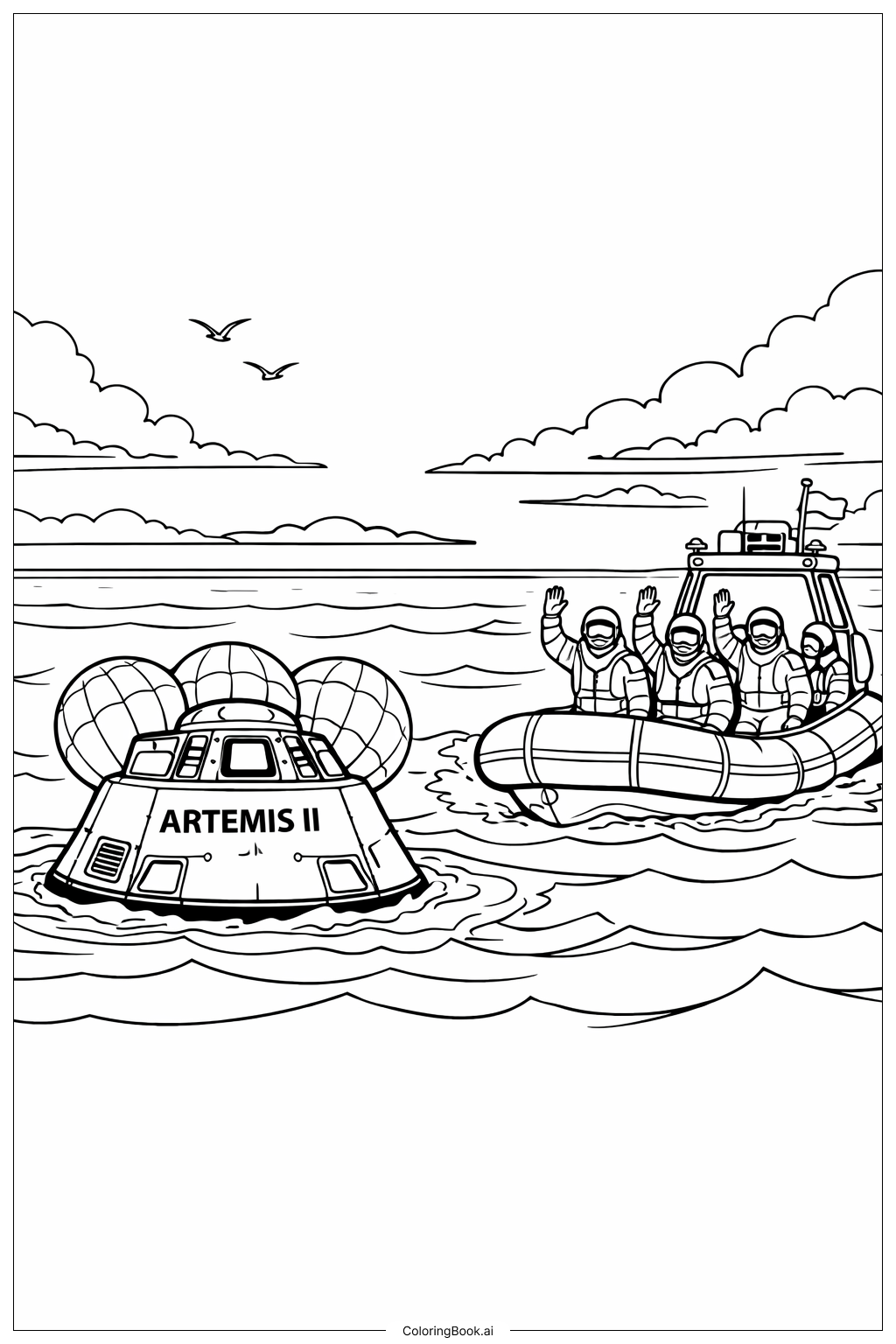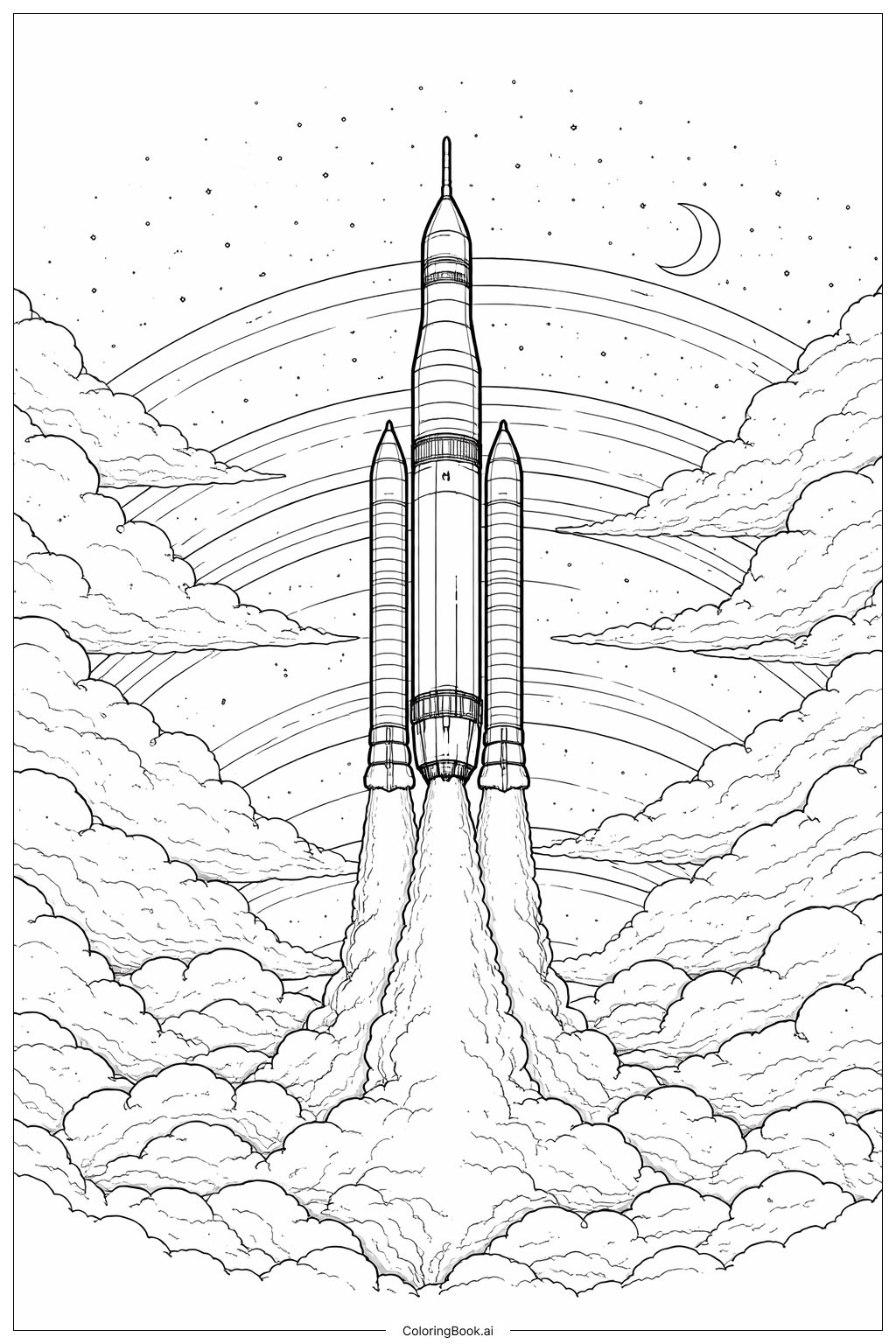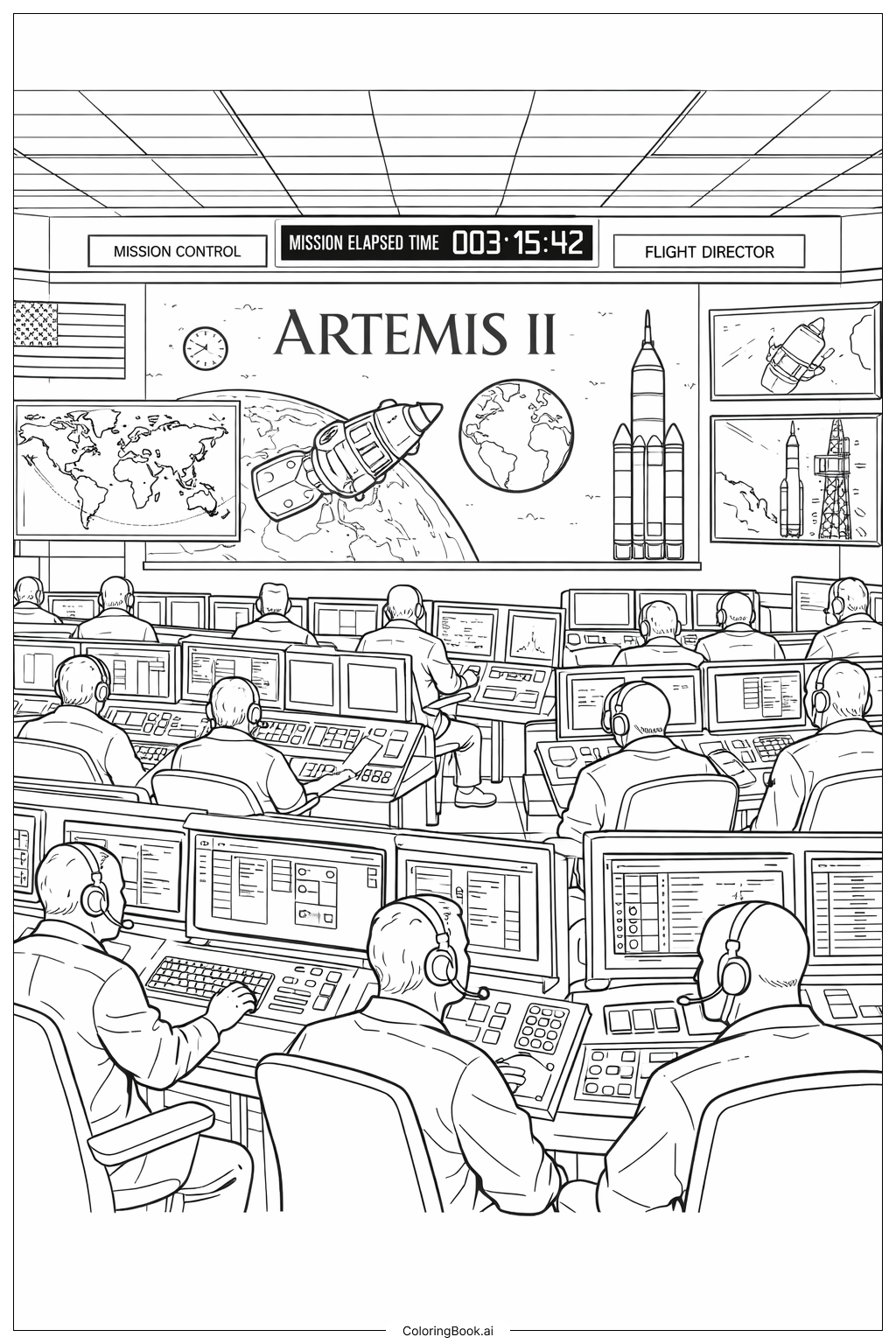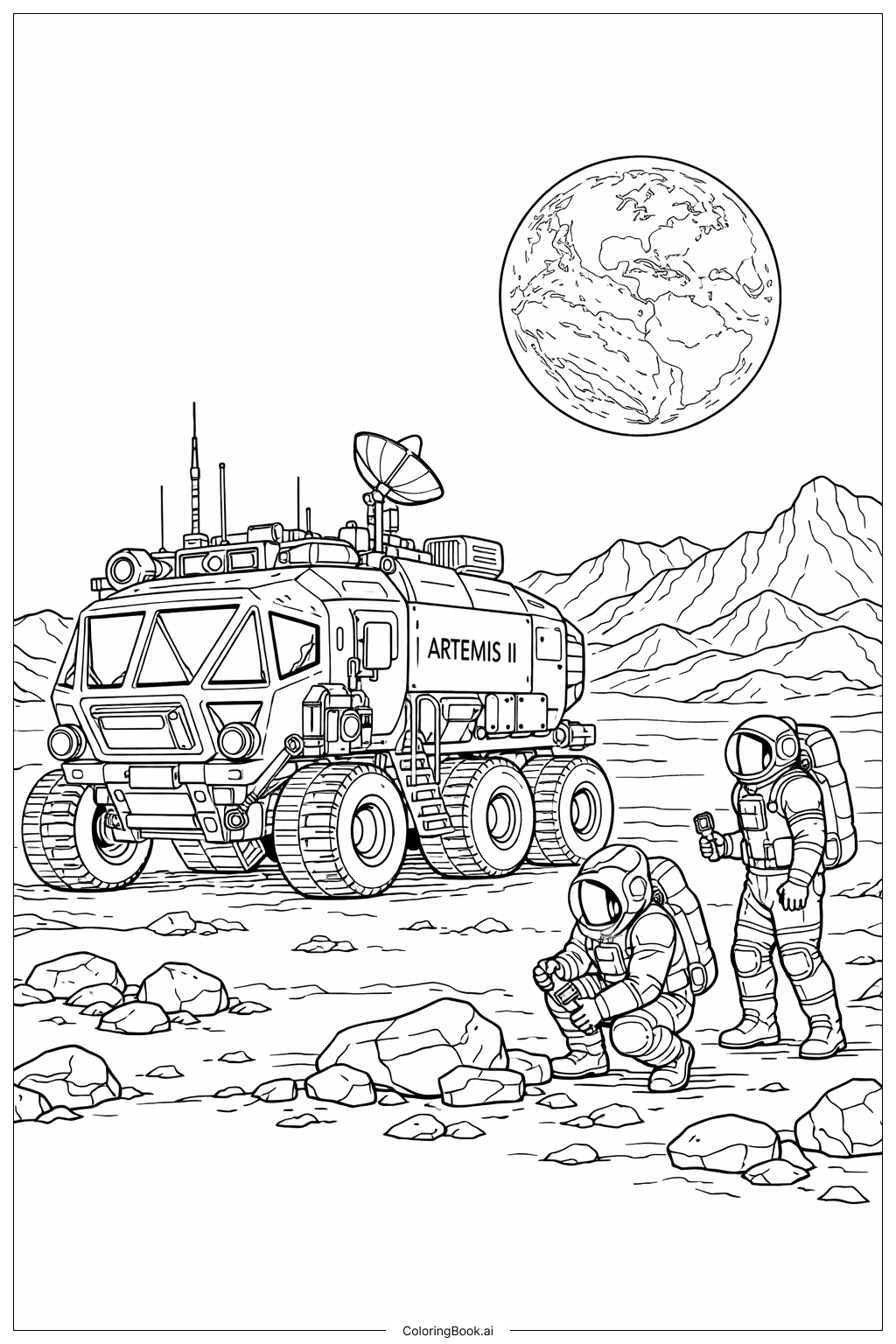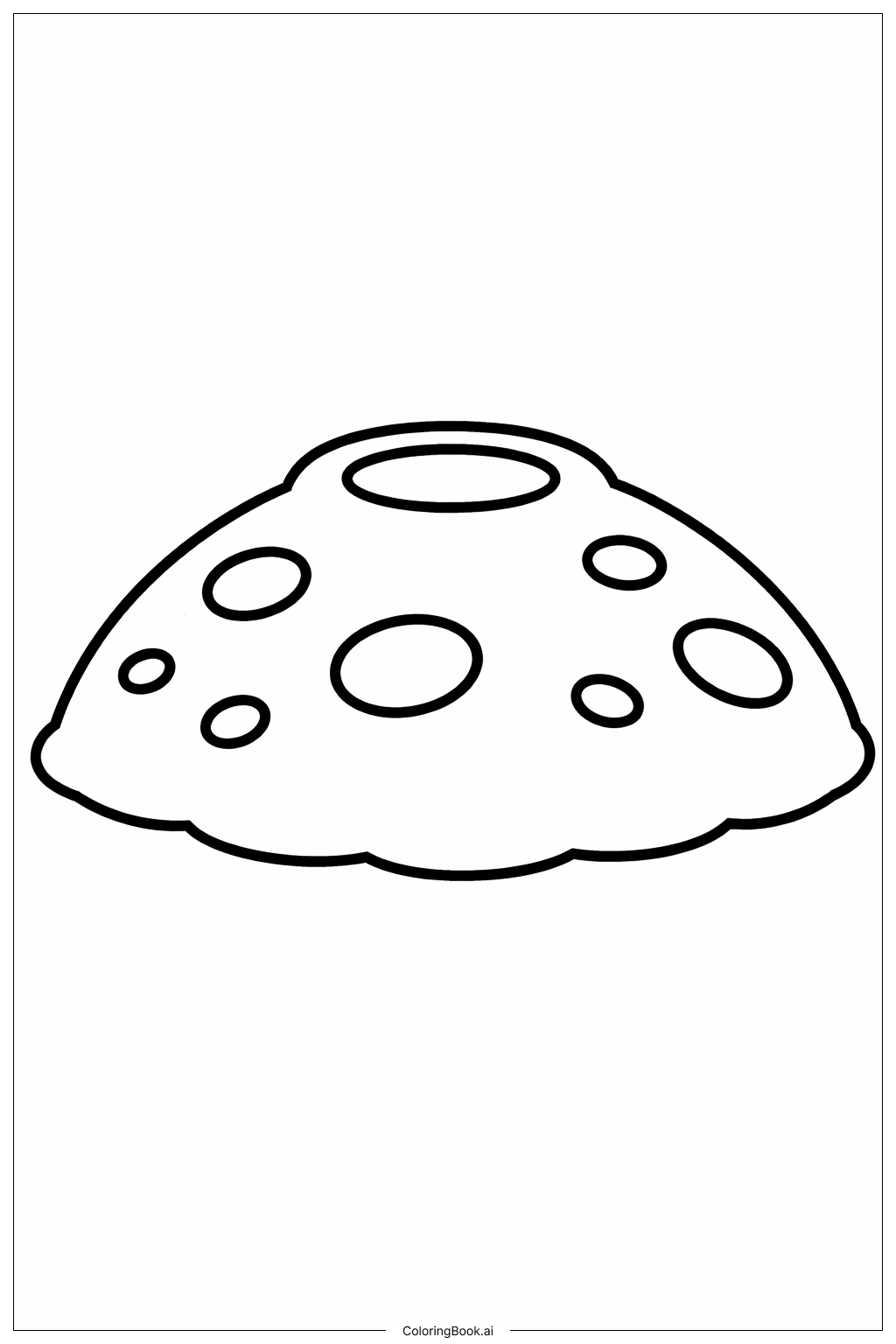
Coloring tips: How to color Artemis II Moon Crater coloring page well?
Start with the lunar sky by using deep navy blue or black for the background. Add tiny white or pale yellow dots for stars to bring the sky to life. For Earth in the background, use soft blues and greens with touches of white for clouds. Color the crater walls and rocky terrain in shades of gray, tan, and light brown to mimic the real Moon's surface. Use darker gray in the shadows inside the crater and lighter shades on the sunlit ridges to create depth. For boulders and debris, try mixing warm and cool grays. If a spacecraft is shown, use silver and white with hints of gold or orange for heat shields. Encourage kids to get creative — the Moon can also be colored in cool purples and blues for a fantasy feel. Use colored pencils or fine-tip markers for small rocky details.
Coloring challenges: Which parts are difficult to color and need attention for Artemis II Moon Crater coloring page?
• Crater Depth and Shading: The crater's steep walls require careful use of light and shadow. The inside of the crater should be darker, while the upper rim catches more light. Blending different shades of gray and brown smoothly can be tricky, especially for younger colorists who are just learning about shading techniques.
• Rocky Terrain Details: The lunar surface is covered with many small rocks, pebbles, and uneven textures. Filling in each rock with slightly different shades without making the image look flat takes patience and a steady hand. Using multiple tones of gray and tan helps, but keeping each detail crisp requires focus.
• Star-Filled Sky Background: Coloring a dark background without accidentally covering the tiny star dots is a challenge. It works best to color the stars first with white or yellow before filling in the dark sky around them. Rushing this step can cause the stars to disappear into the background.
• Spacecraft or Module Details: If the image includes a spacecraft, its surface often has fine mechanical lines, panels, and small components. Staying inside these small areas with color requires precision. Metallic silver and gold tones are ideal but may need layering to look realistic.
• Earth in the Background: Painting Earth as a small, glowing orb with recognizable blue oceans and green landmasses, while keeping it proportional to the rest of the scene, demands careful color control. Blending the edges softly makes it look like it is floating in space rather than appearing flat.
Benefits of coloring books: Advantages of drawing Artemis II Moon Crater coloring page
Coloring this Artemis II Moon Crater page offers wonderful benefits for children and curious minds of all ages. It sparks an interest in space science and real-world exploration, helping kids learn about NASA's Artemis II mission and the Moon's surface in a hands-on, creative way. As children choose colors for craters, rocks, and the starry sky, they develop decision-making skills and build confidence in their own artistic choices. The detailed lunar landscape encourages fine motor skill development, as kids practice staying within lines and blending shades carefully. Focusing on a complex image like this also trains concentration and patience — skills that are valuable in school and everyday life. For older children and teens, the challenge of realistic shading and color mixing offers a more advanced artistic workout. Sharing the finished page can spark conversations about space, science, and humanity's journey to the Moon, making this Coloring Pages activity both educational and inspiring. It is a fun, screen-free way to explore the universe from your own table.