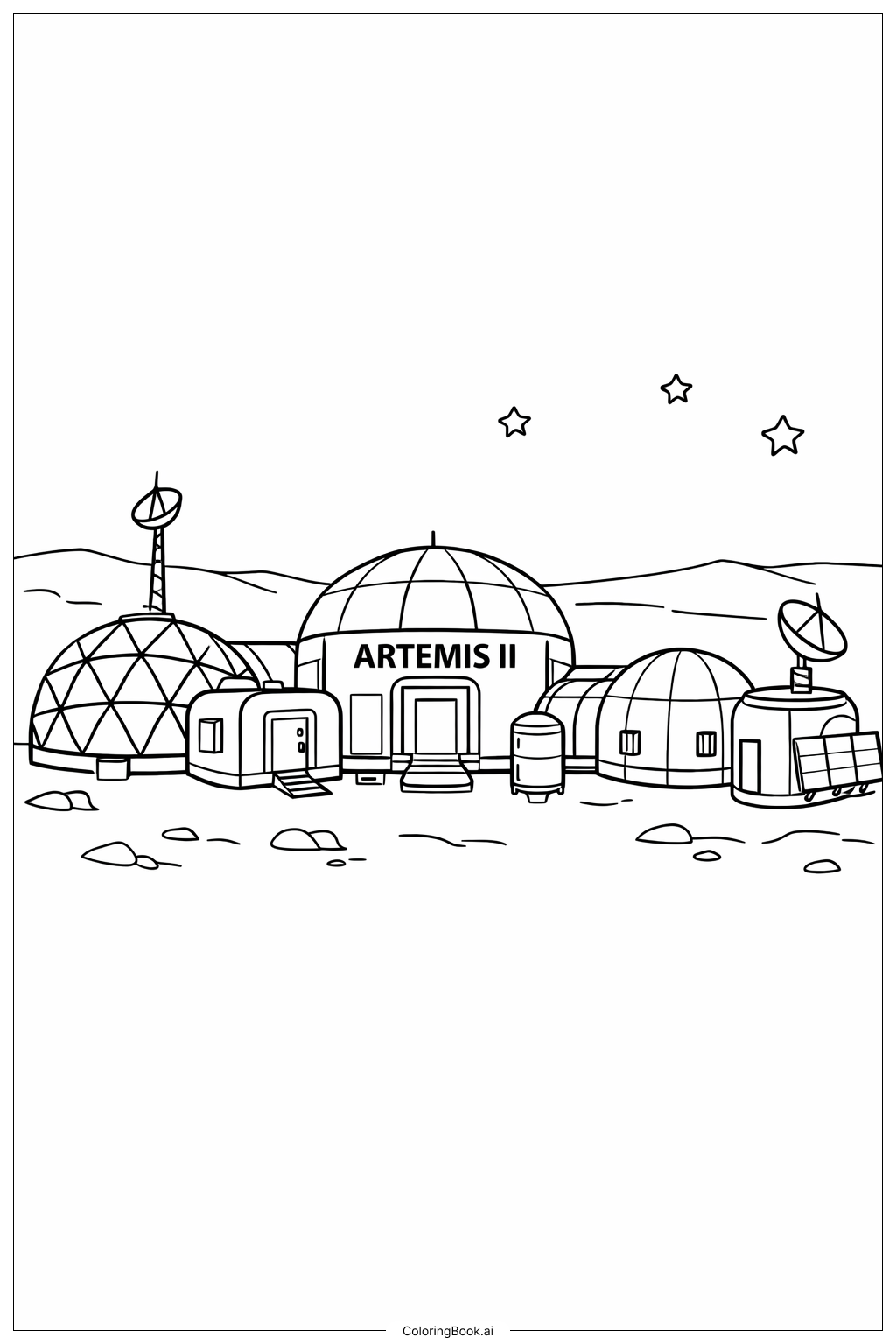
Coloring tips: How to color Artemis II Moon Base Sketch coloring page well?
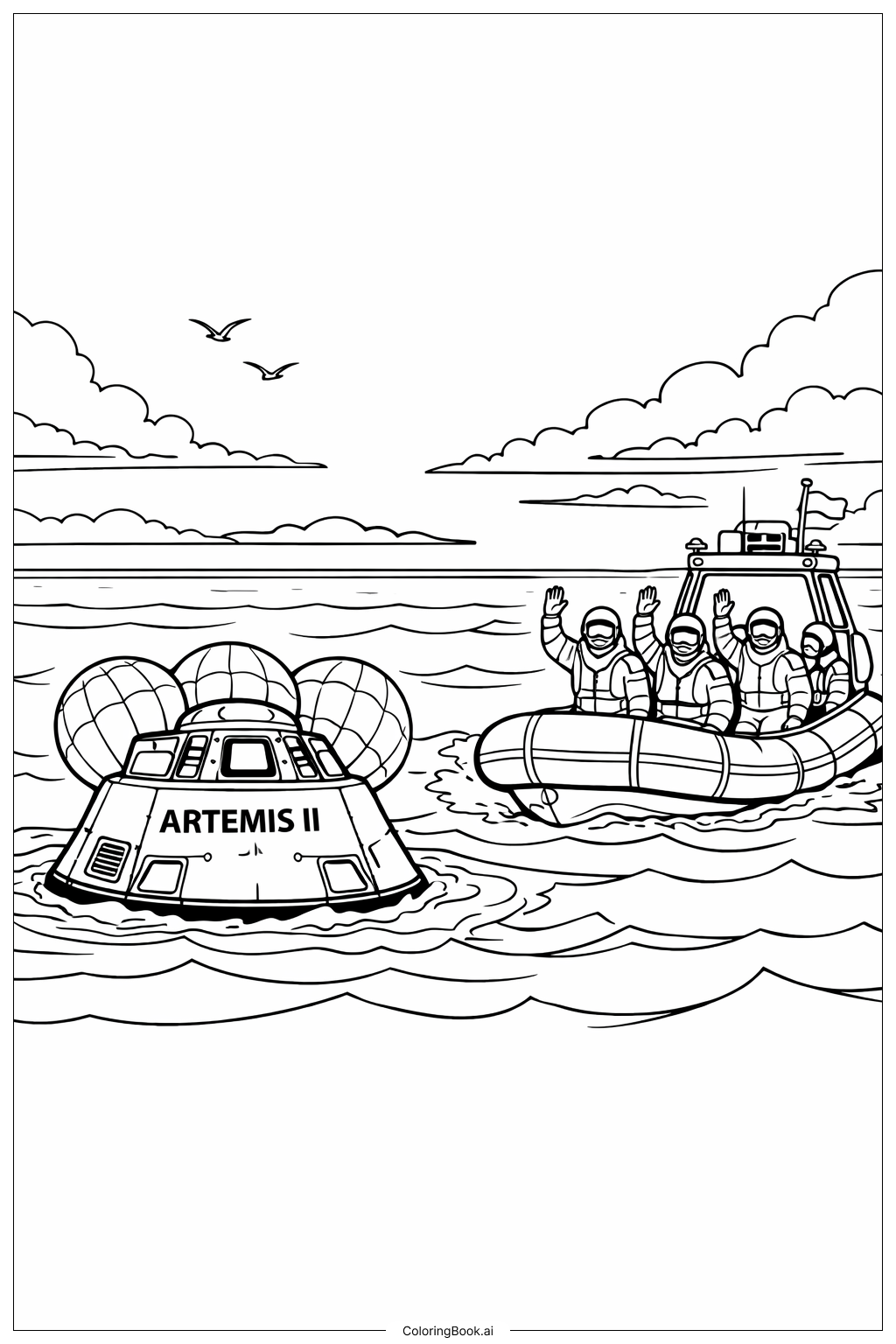
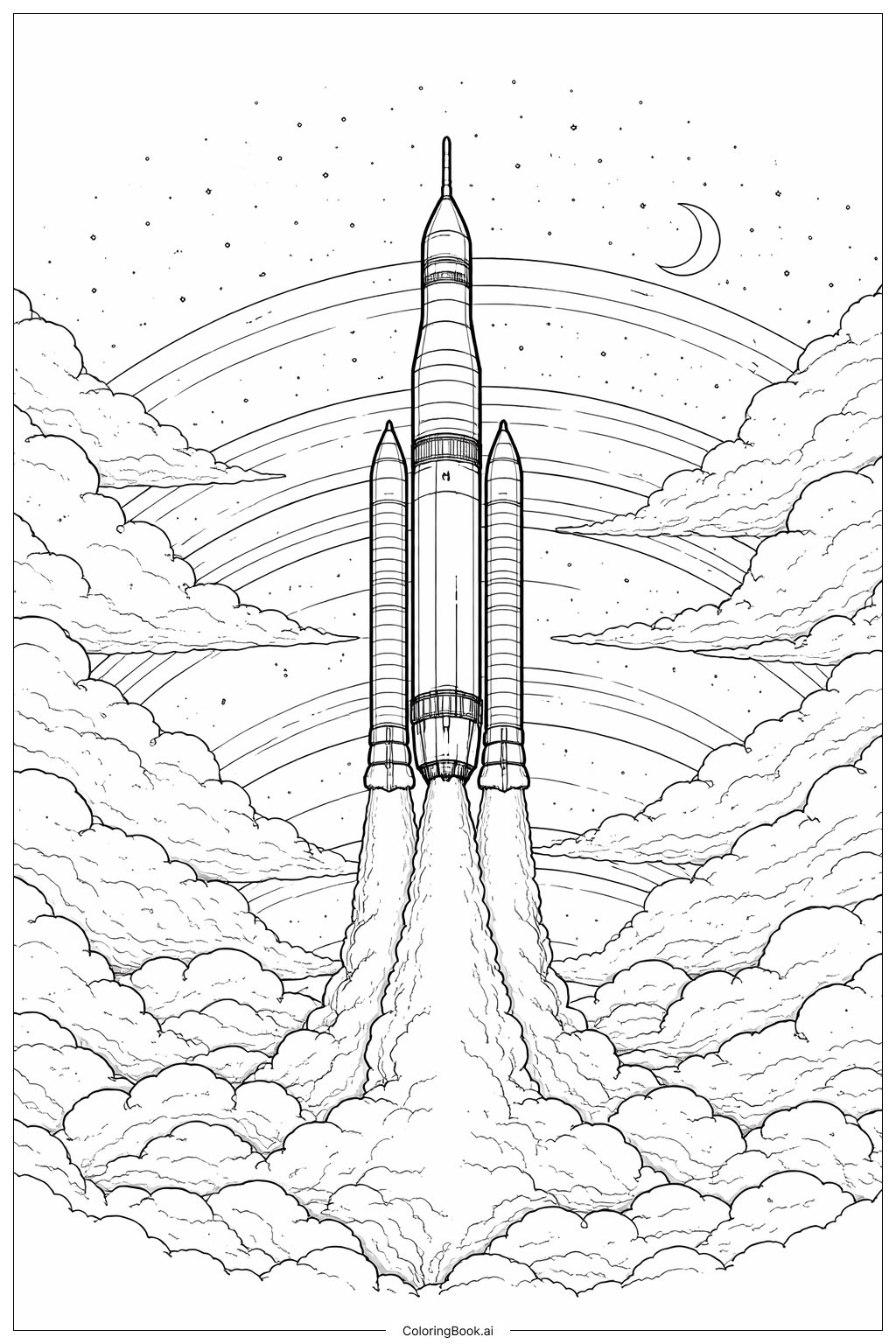
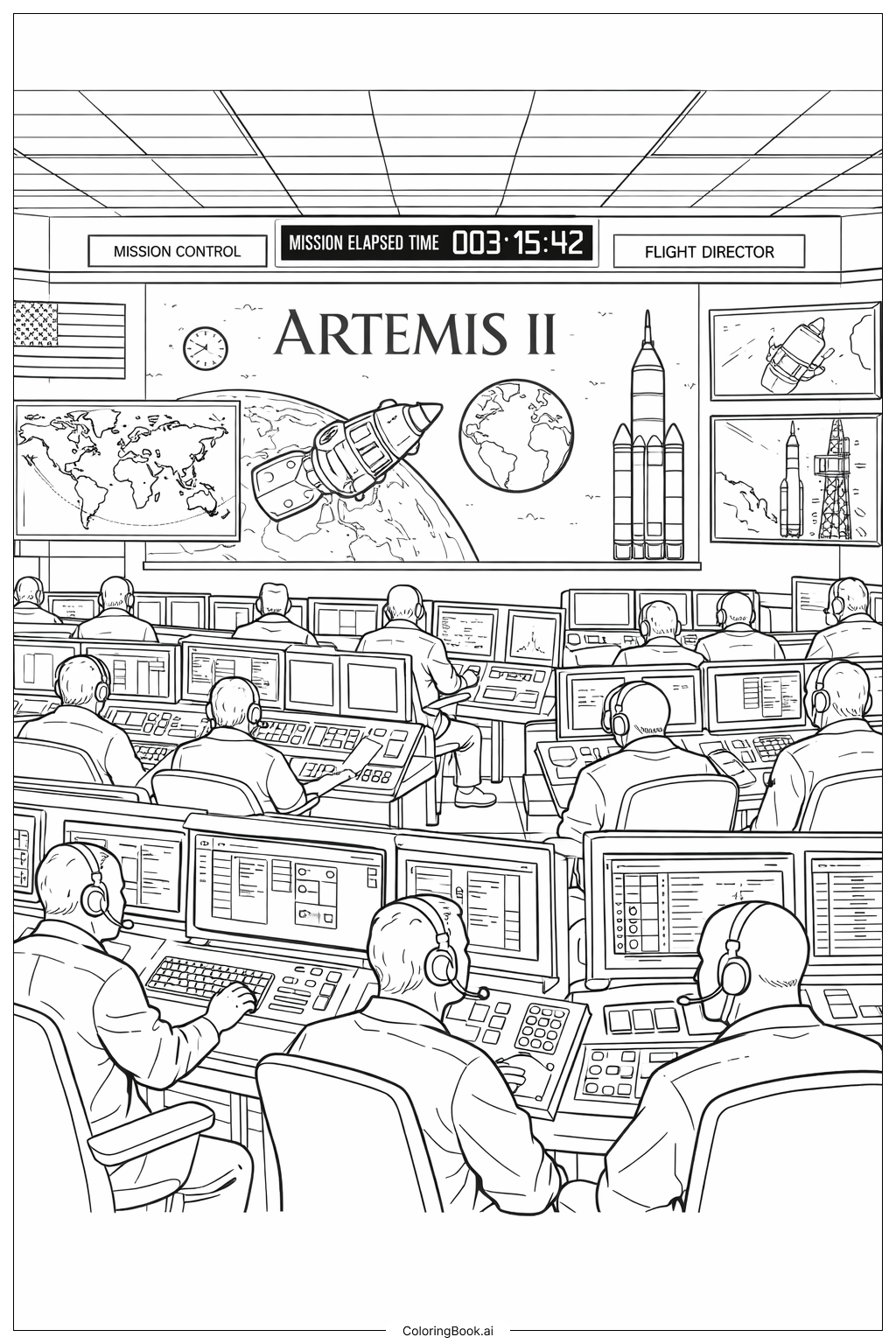
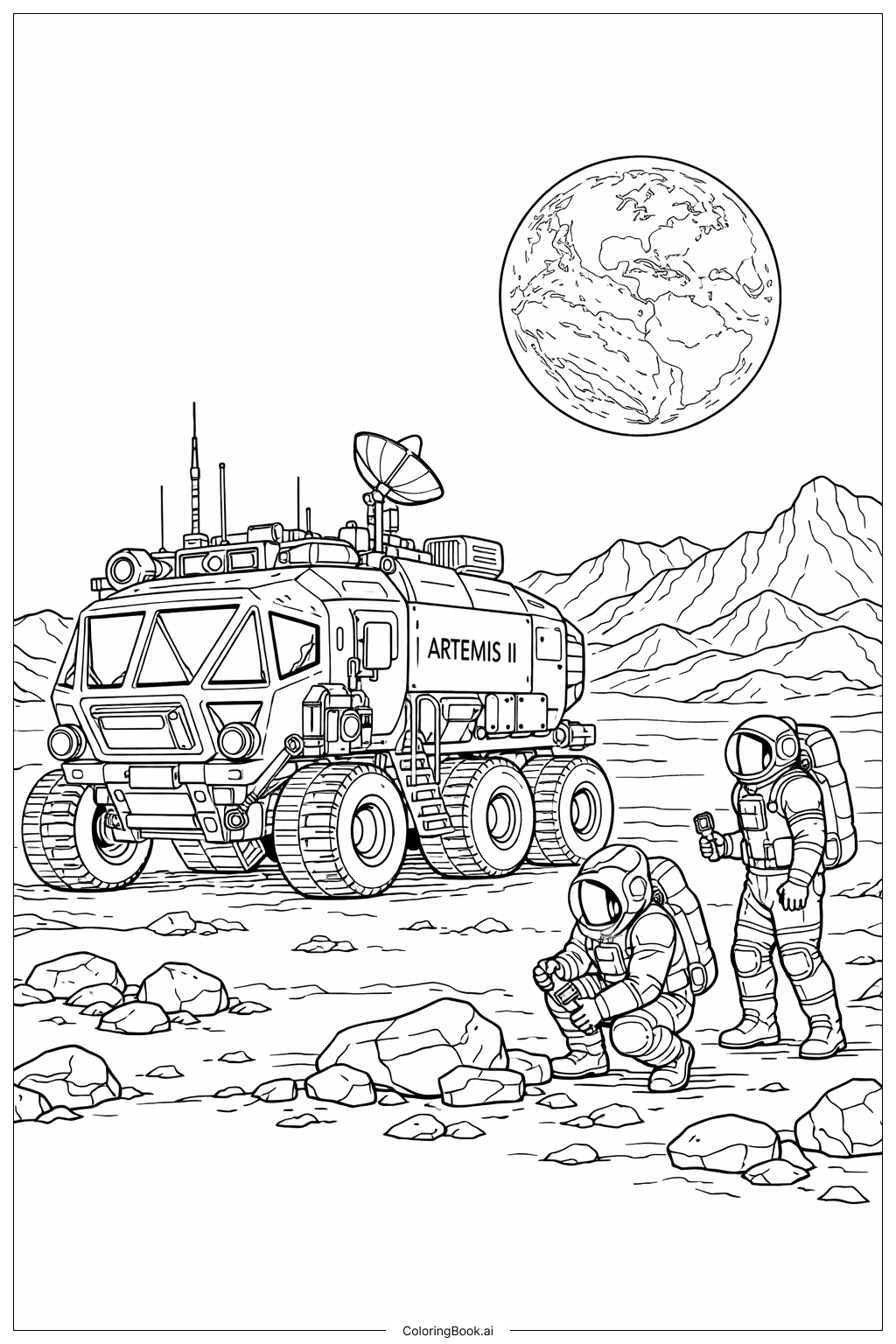
Start with the sky and background. Use deep navy blue or black for outer space. Add tiny white or pale yellow dots for distant stars. Color the Earth in shades of blue, green, and white to show oceans, land, and clouds. For the lunar surface, use soft grays and tans to show the dusty, rocky ground. The domed habitats can be metallic silver or white, with hints of light blue to suggest reflective materials. Paint the solar panels dark blue or black. Give the rocket a bold white body with orange or red accents. Color the astronaut suits white with gold visors. The lunar rover can be gray or sandy tan. Use shading to give depth and a three-dimensional look to each structure. Younger colorists can keep colors simple and bright, while older kids and Adults can try blending and shading for a more realistic result.
Coloring challenges: Which parts are difficult to color and need attention for Artemis II Moon Base Sketch coloring page?
• Intricate Base Structures: The lunar base includes multiple domed habitats, connecting tunnels, and support struts. These small, closely spaced details require a fine-tipped coloring tool to stay within the lines and avoid accidentally blending neighboring sections together.
• Solar Panel Precision: The solar panels are made up of many thin, rectangular cells arranged in grids. Coloring each cell individually without smearing into adjacent areas demands a steady hand and a sharp pencil or thin marker.
• Space Background Depth: Creating a convincing starry outer space background is tricky. You need to layer dark colors carefully while leaving small white dots or gaps for stars. Going too dark too quickly can lose the depth and dimension of the sky.
• Astronaut Suit Details: The astronaut figures are small but packed with detail — helmet visors, life-support backpacks, gloves, and boots all need to be colored separately. The visor in particular benefits from a reflective gold or yellow tint, which requires careful, light strokes to avoid over-coloring.
• Lunar Surface Shading: The Moon's surface looks flat without proper shading around craters and rocky formations. Blending multiple shades of gray and tan to suggest light coming from a single direction can be challenging, especially for younger colorists who are still building their blending skills.
Benefits of coloring books: Advantages of drawing Artemis II Moon Base Sketch coloring page
Coloring this Artemis II Moon Base Sketch is a wonderful way to spark curiosity about space exploration and science. As kids and Adults work through the page, they naturally learn about real NASA missions, lunar architecture, and the technology humans use to survive in space. This builds STEM awareness in a relaxed, creative setting.
The detailed structures in this image help develop fine motor skills. Carefully coloring small solar panels, astronaut suits, and dome habitats trains hand-eye coordination and pencil control — skills that are valuable both in art and everyday tasks.
Focusing on a complex image like this also builds concentration and patience. Children practice staying within lines, planning which colors to use, and working through a multi-part scene — all of which strengthen attention span and problem-solving habits.
For older colorists and Adults, the image offers a meditative experience. The repetitive, focused nature of coloring reduces stress and encourages mindfulness. Choosing a color palette that captures the mood of outer space also exercises artistic decision-making and creativity.
Finally, completing the page gives a real sense of accomplishment. Seeing a finished, colorful moon base is rewarding for colorists of all ages and can inspire further reading, drawing, or learning about the exciting future of human space travel.