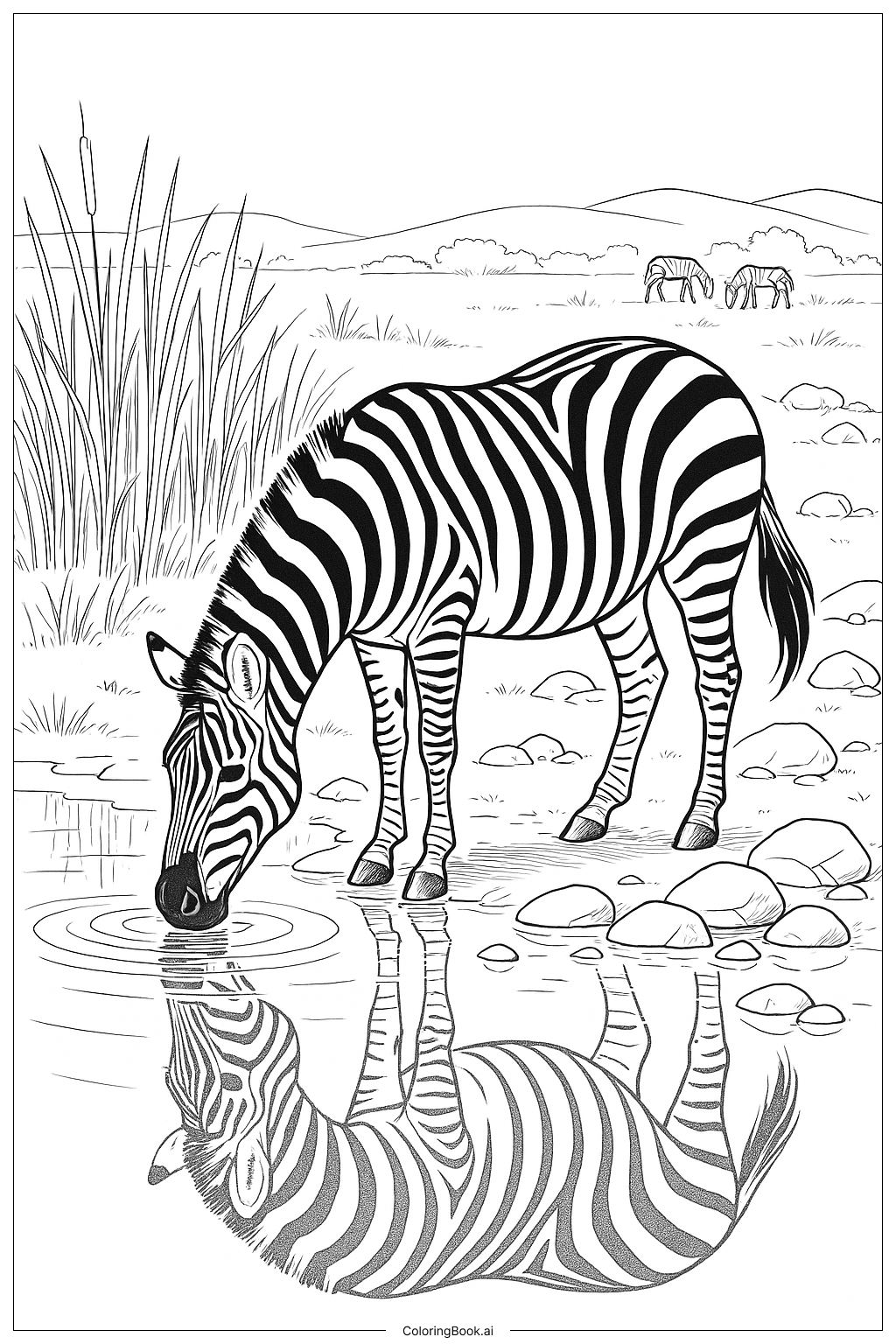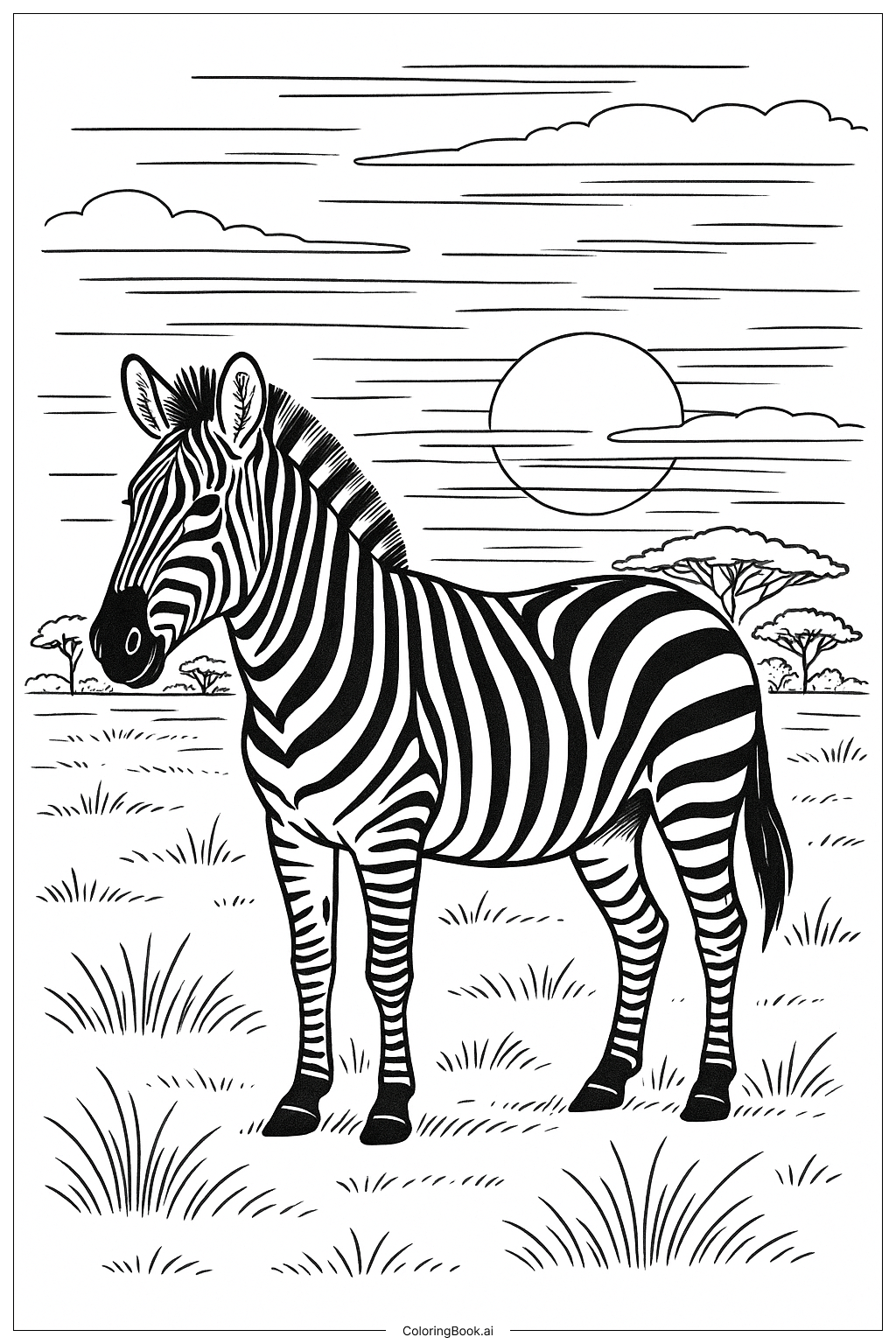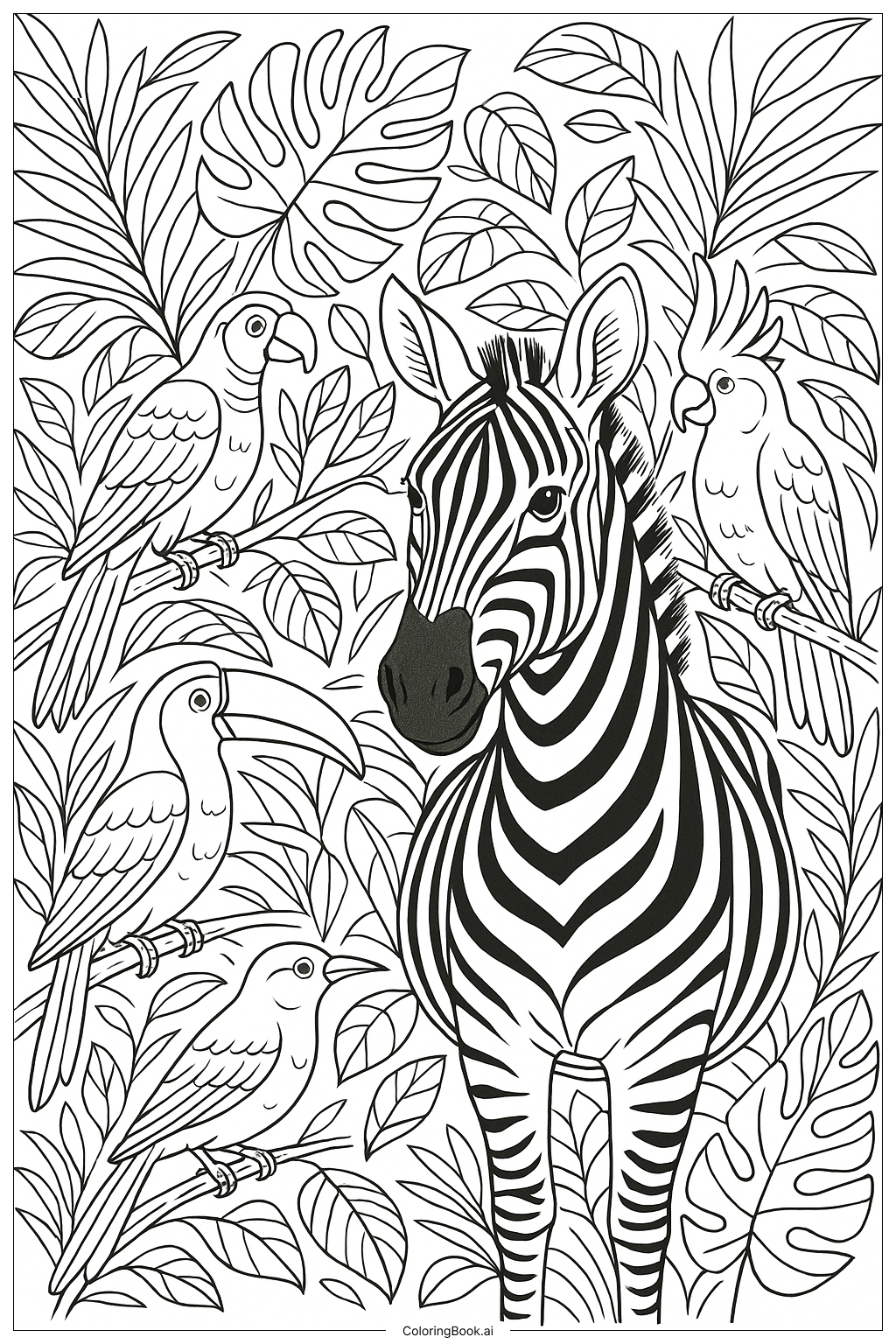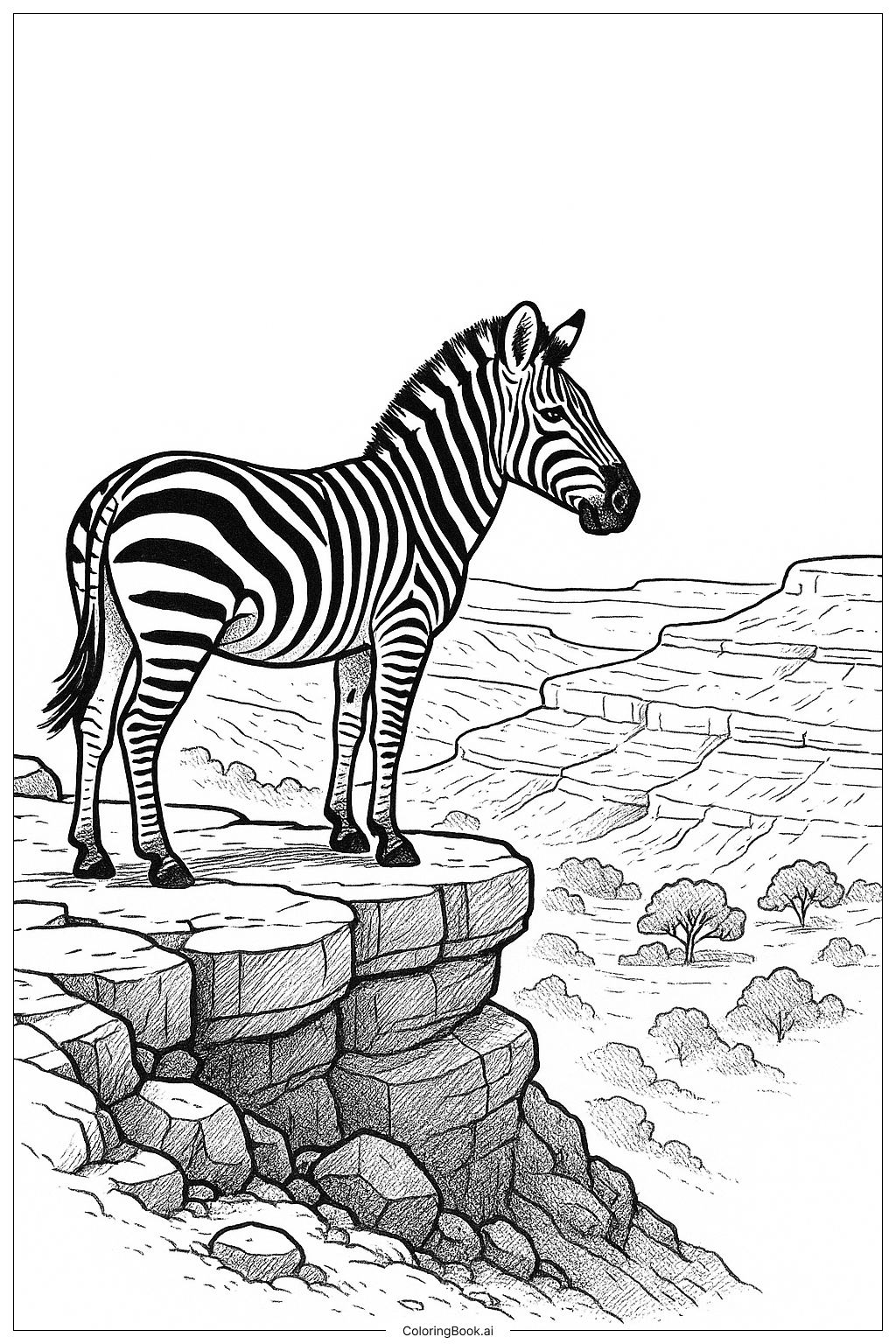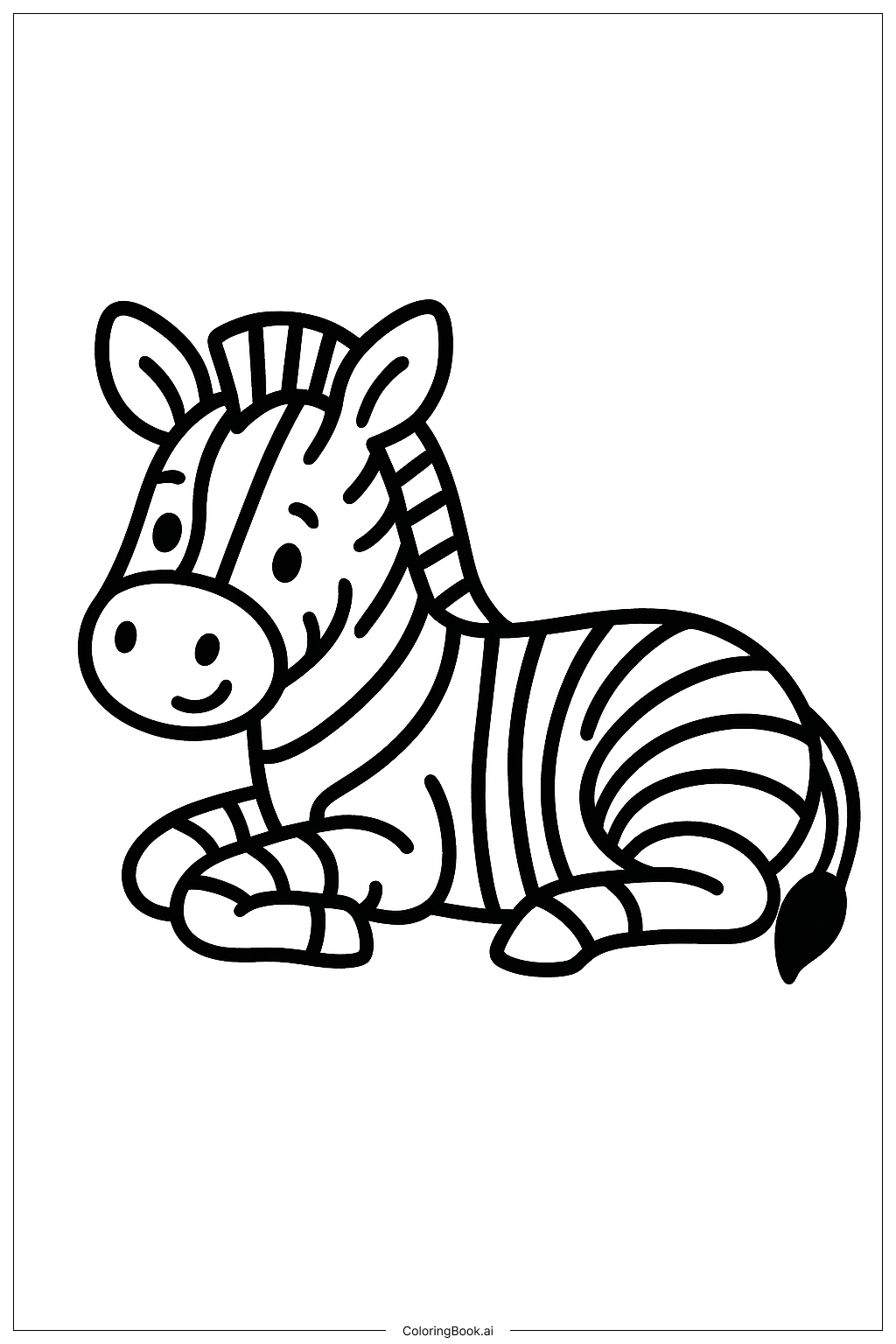
Coloring tips: How to color Zebra Lying Down coloring page well?
To color this Zebra Lying Down, start with the classic black and white stripes. Use bold black for the stripes and a bright white or light gray for the spaces between. You might want to experiment with shades of gray to add depth and softness to the zebra’s fur. The areas like the nose and inside ears can be colored with light pink or soft brown shades. For the ground where the zebra lies, choose earthy tones such as light brown or green, which will make your zebra stand out. Feel free to add a blue or light sky color in the background to create a natural setting. Remember, you can use crayons, markers, or colored pencils for different effects.
Coloring challenges: Which parts are difficult to color and need attention for Zebra Lying Down coloring page?
• Detailed Stripe Pattern: The zebra’s iconic stripes vary in thickness and spacing. Keeping the lines even and consistent while coloring inside these correct areas can be challenging for younger artists.
• Curved Body Shape: Because the zebra is lying down, its body curves and bends, which means shading and coloring must follow the form to look natural.
• Small Facial Features: Coloring the eyes, ears, and mouth with care is important to maintain the zebra’s gentle expression; these small areas require a steady hand.
• Contrast Balance: Achieving a good contrast between black stripes and white spaces without smudging or blending colors can be tricky, especially with markers or paints.
• Ground Texture: Adding texture or color variation to the ground beneath the zebra needs attention to avoid overwhelming the overall image or distracting from the zebra itself.
Benefits of coloring books: Advantages of drawing Zebra Lying Down coloring page
Coloring this Zebra Lying Down helps develop fine motor skills as children carefully fill in detailed patterns. It encourages attention to detail by focusing on the zebra’s unique stripes. The activity promotes creativity by allowing kids to experiment with different shades and textures. Coloring animals like zebras also supports learning about nature and wildlife, sparking curiosity about animal habitats and traits. Additionally, the calm posture of the zebra can provide a soothing experience, helping to improve concentration and patience. Overall, it’s a fun way to combine art and education for kids of all ages.