Coloring tips: How to color Zebra by Riverbank coloring page well?
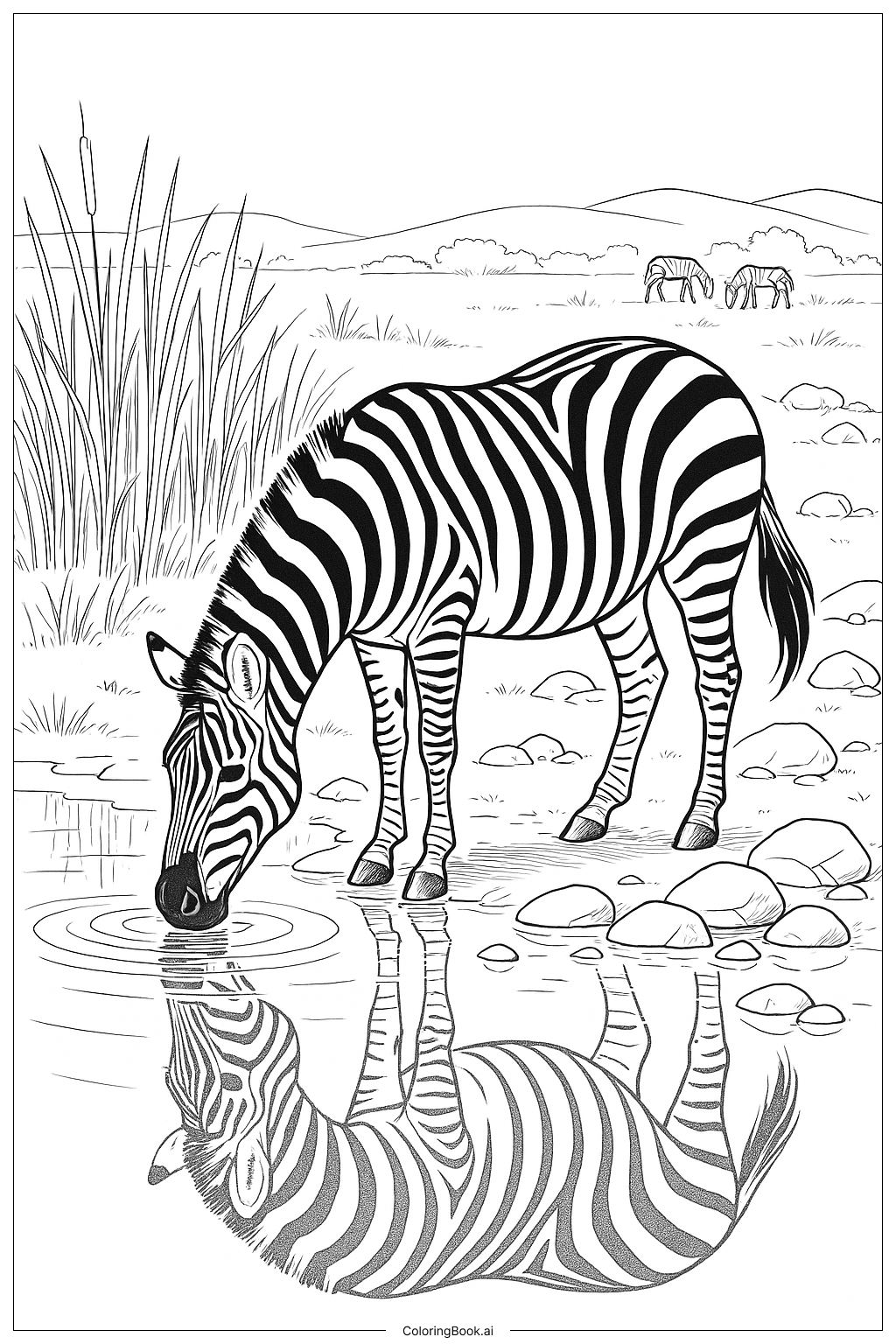
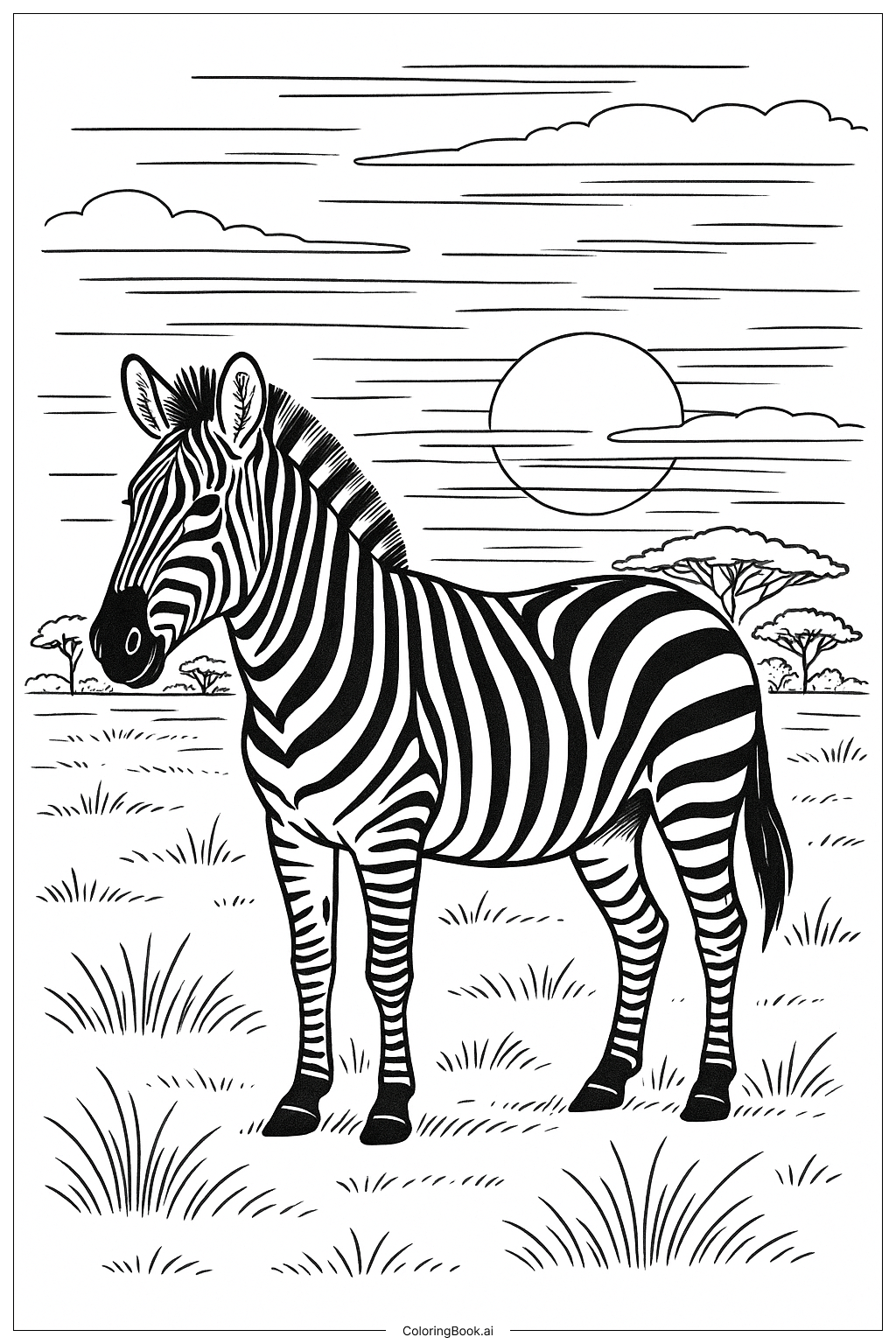
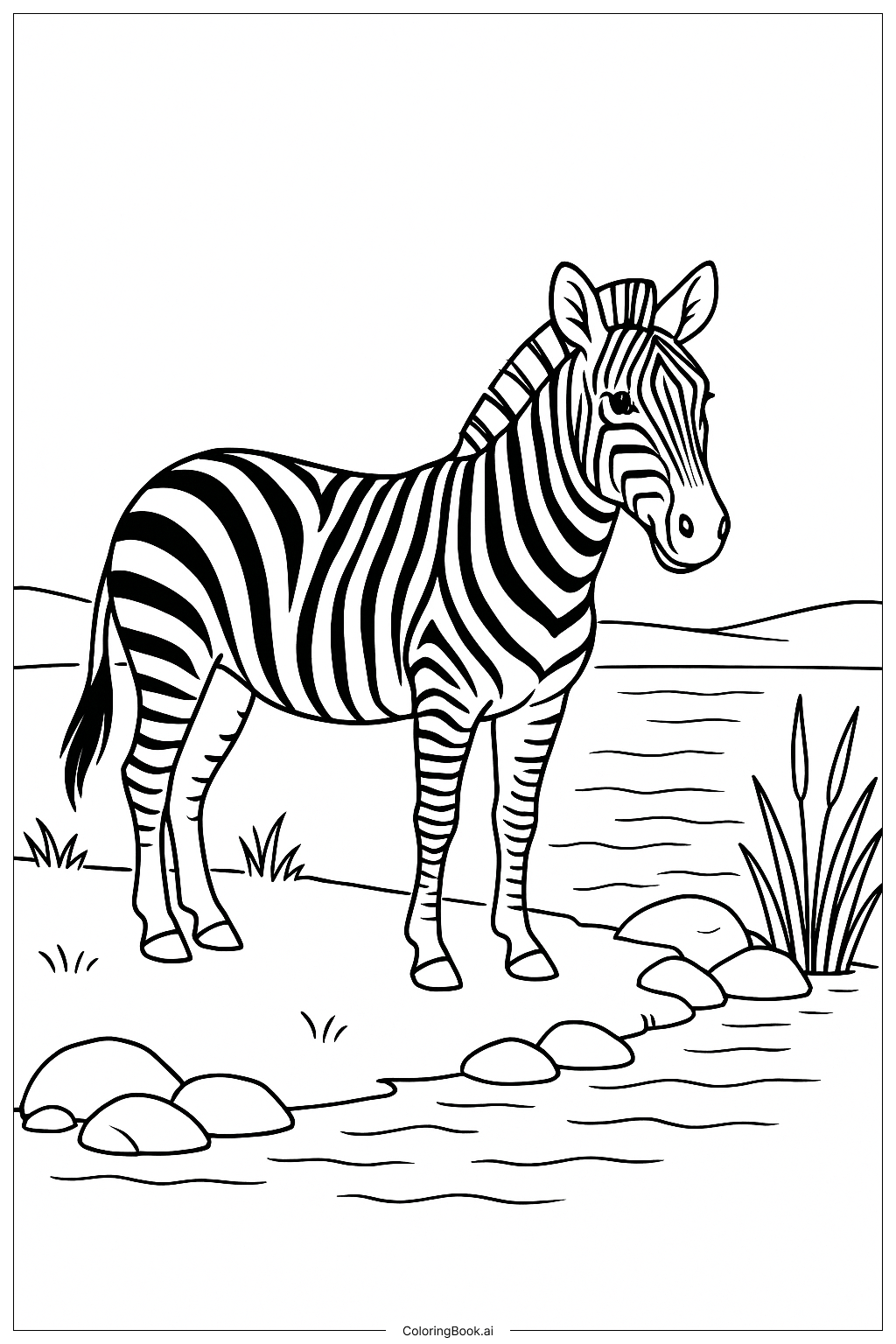
Start with the zebra's stripes by using bold black for the dark bands and leaving the lighter sections white or filling them with a soft cream color. For the riverbank, use earthy tones like tan, light brown, and sandy yellow for the ground and stones. Color the tall reeds and grasses with shades of green, from bright lime to deeper olive. Use light blue and soft turquoise for the river water, adding a touch of white to show gentle ripples. The sky in the background can be painted in pale blue or warm golden tones for a sunset effect. Add small pops of color to the wildflowers using yellow, pink, or purple. Take your time with the stripes — they are the star of the picture. Have fun mixing shades to make the scene feel alive and full of African savanna magic.
Coloring challenges: Which parts are difficult to color and need attention for Zebra by Riverbank coloring page?
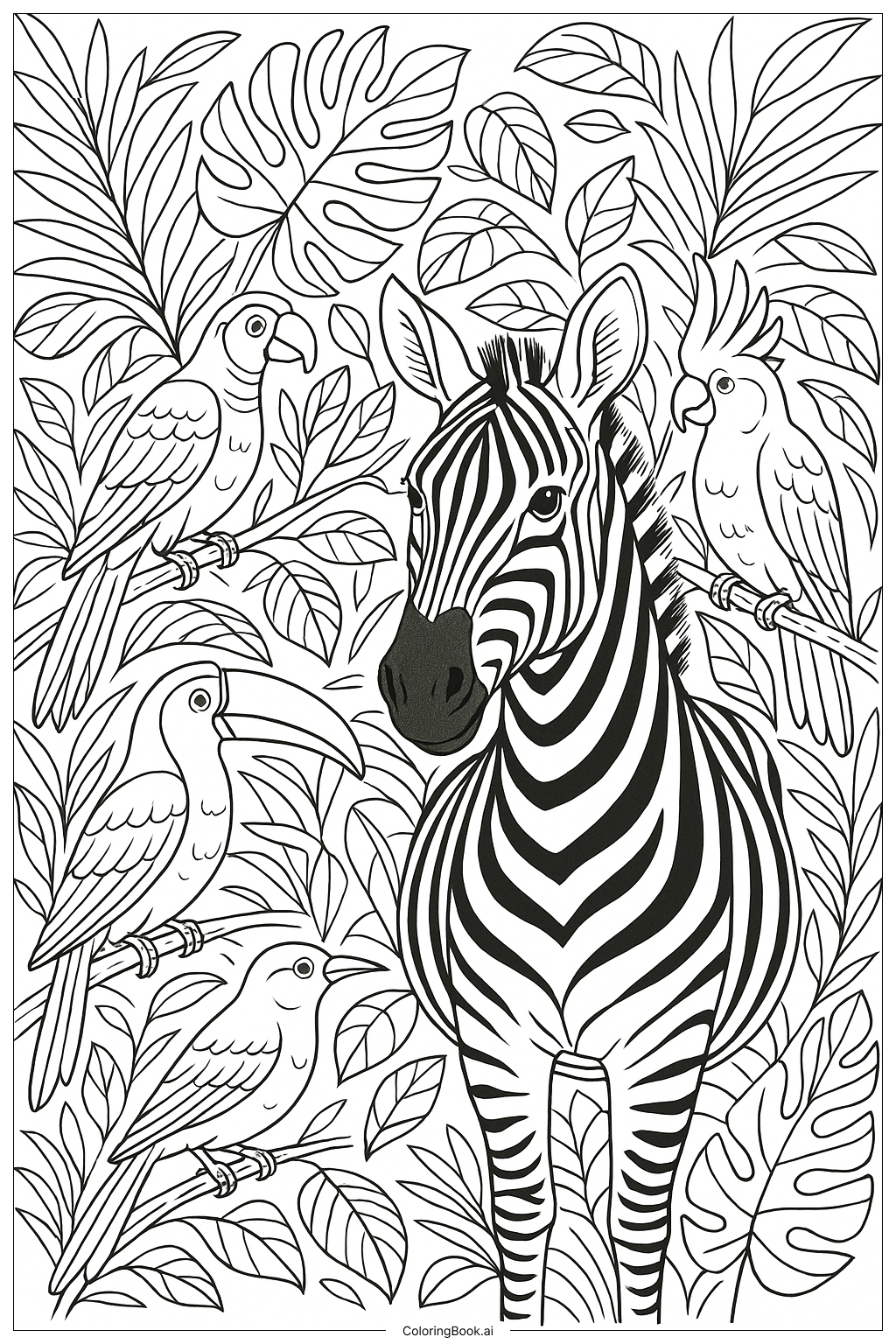
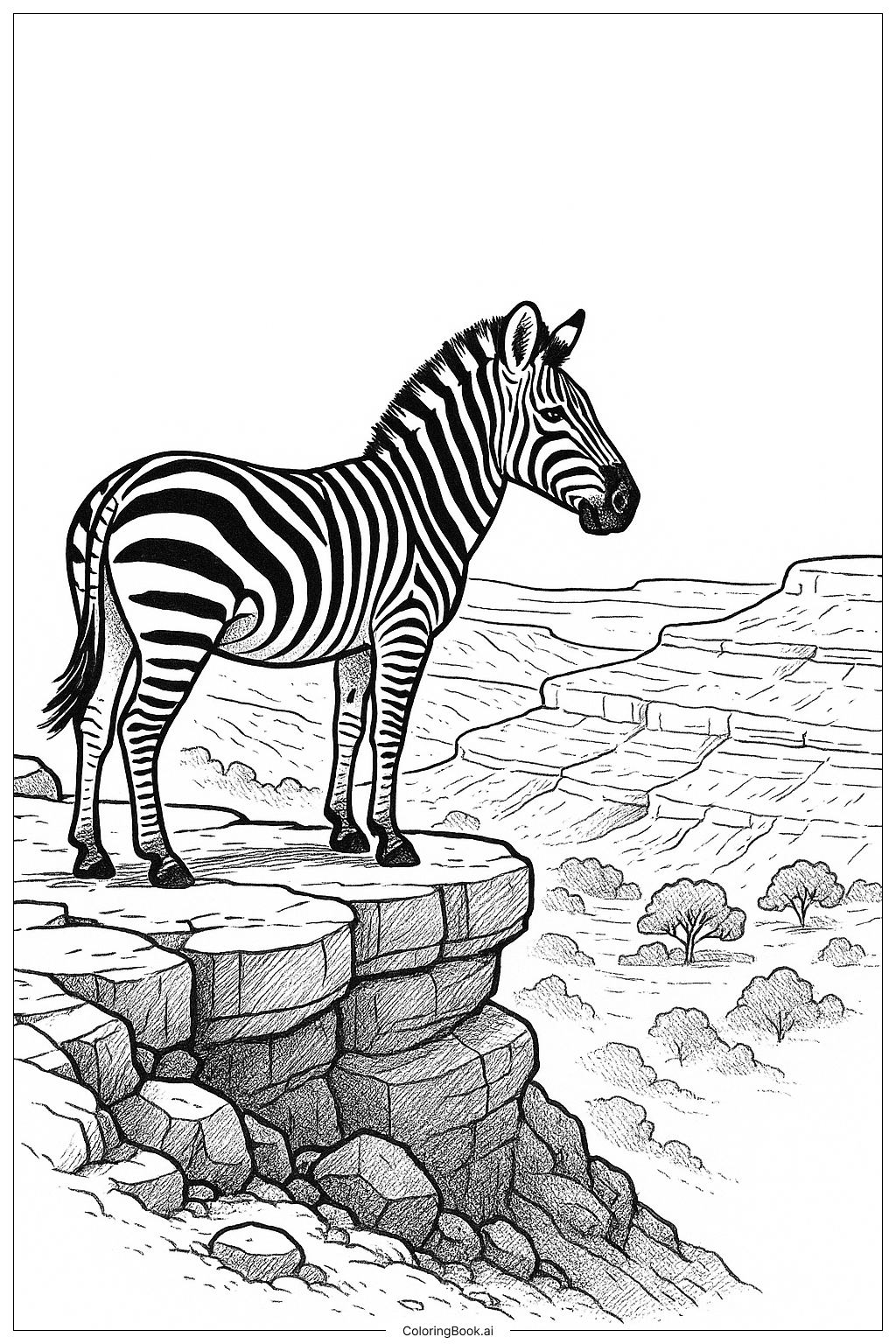
• Zebra Stripe Accuracy: The zebra's stripes are the most complex part of this image. Each stripe has a unique shape and thickness, and they curve around the body in different directions. Keeping the stripes neat and consistent requires steady hands and careful attention. Young colorists may find it helpful to trace the edges lightly with pencil before filling them in with marker or crayon.
• Small Facial Details: The zebra's face includes fine details such as the eyes, nostrils, and the subtle shading around the muzzle. These small areas are easy to smudge or color outside the lines. Using thin-tipped colored pencils or fine markers will help achieve cleaner results in these tight spaces.
• Water Texture: Coloring the river so that it looks like real flowing water can be tricky. Water is rarely one solid color — it reflects the sky and surroundings. Blending light blue with hints of green and white helps create a more realistic rippling effect. This technique may be challenging for younger children.
• Background Depth: The riverbank scene has multiple layers — foreground grasses, mid-ground stones, and a background river. Creating a sense of depth means using lighter, cooler colors in the distance and richer, warmer tones up close. This concept of color perspective is a fun challenge for older kids and beginners alike.
• Grass and Reeds Variety: The tall reeds and scattered grasses require multiple shades of green to avoid a flat, one-dimensional look. Mixing yellow-green, mid-green, and dark green across different blades adds texture and life to the natural setting.
Benefits of coloring books: Advantages of drawing Zebra by Riverbank coloring page
Coloring this Zebra by Riverbank page offers a wonderful range of benefits for children and young artists. Working through the zebra's many stripes builds patience and focus, as kids must slow down and pay close attention to detail. This kind of careful, repeated work strengthens fine motor skills and hand-eye coordination, which are important for writing and other everyday tasks.
The natural riverbank setting encourages curiosity about wildlife and the environment. As children choose colors for the water, grasses, and stones, they learn about nature and develop a sense of appreciation for wild animals and their habitats.
Choosing colors for this scene also sparks creativity and imagination. There are no strict rules — kids can create a sunny afternoon, a misty morning, or a glowing sunset simply through their color choices. This freedom builds confidence and self-expression.
Coloring is also a calming activity. It helps children release stress, settle their minds, and enjoy a quiet, focused moment. Whether done alone or with friends and family, it creates a positive and rewarding experience. Completing the page gives a real sense of accomplishment, boosting self-esteem and pride in one's own work. This page is a perfect blend of fun, learning, and relaxation for Boys and Girls alike.