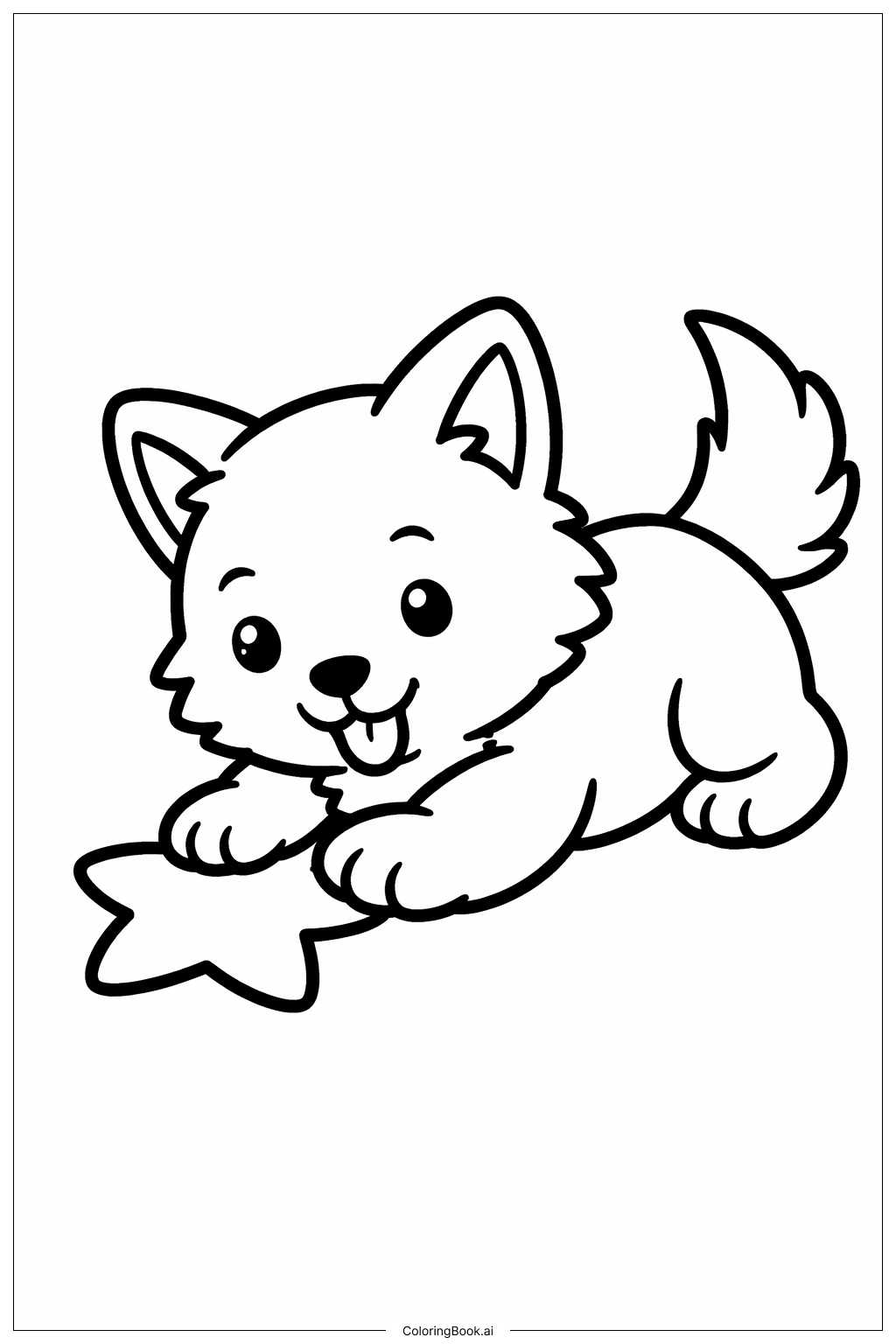
Coloring tips: How to color Wolves With Star Toy coloring page well?
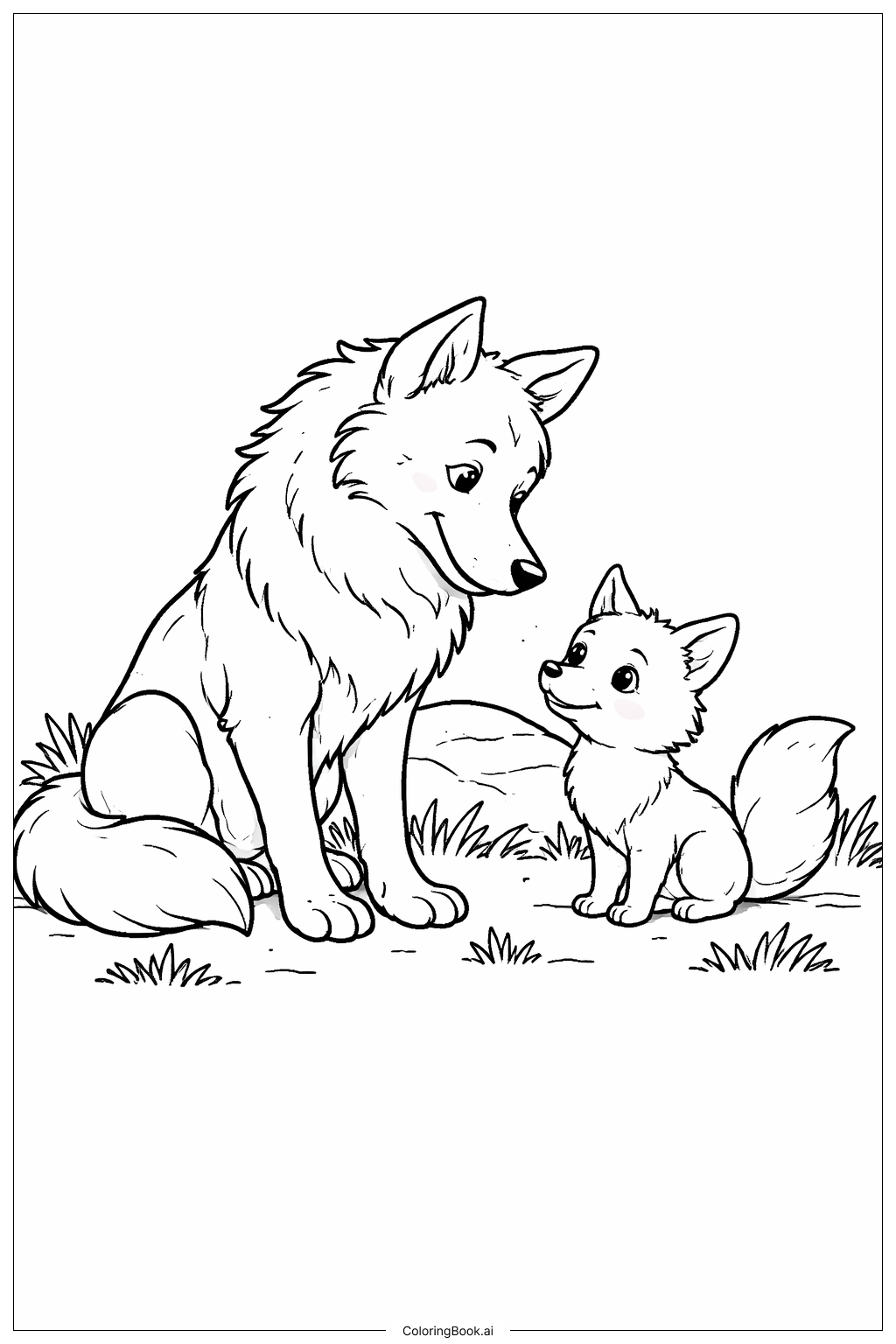
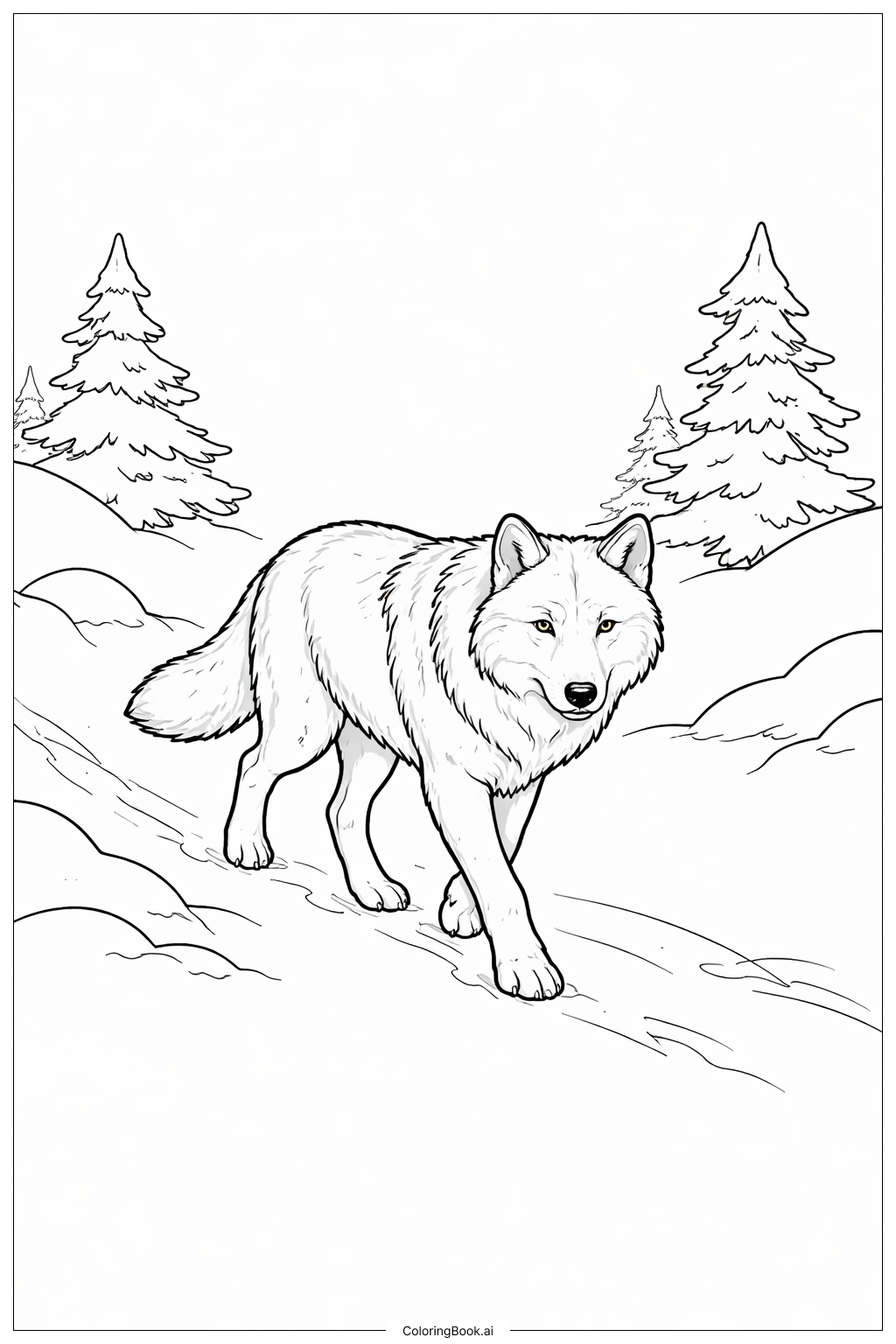
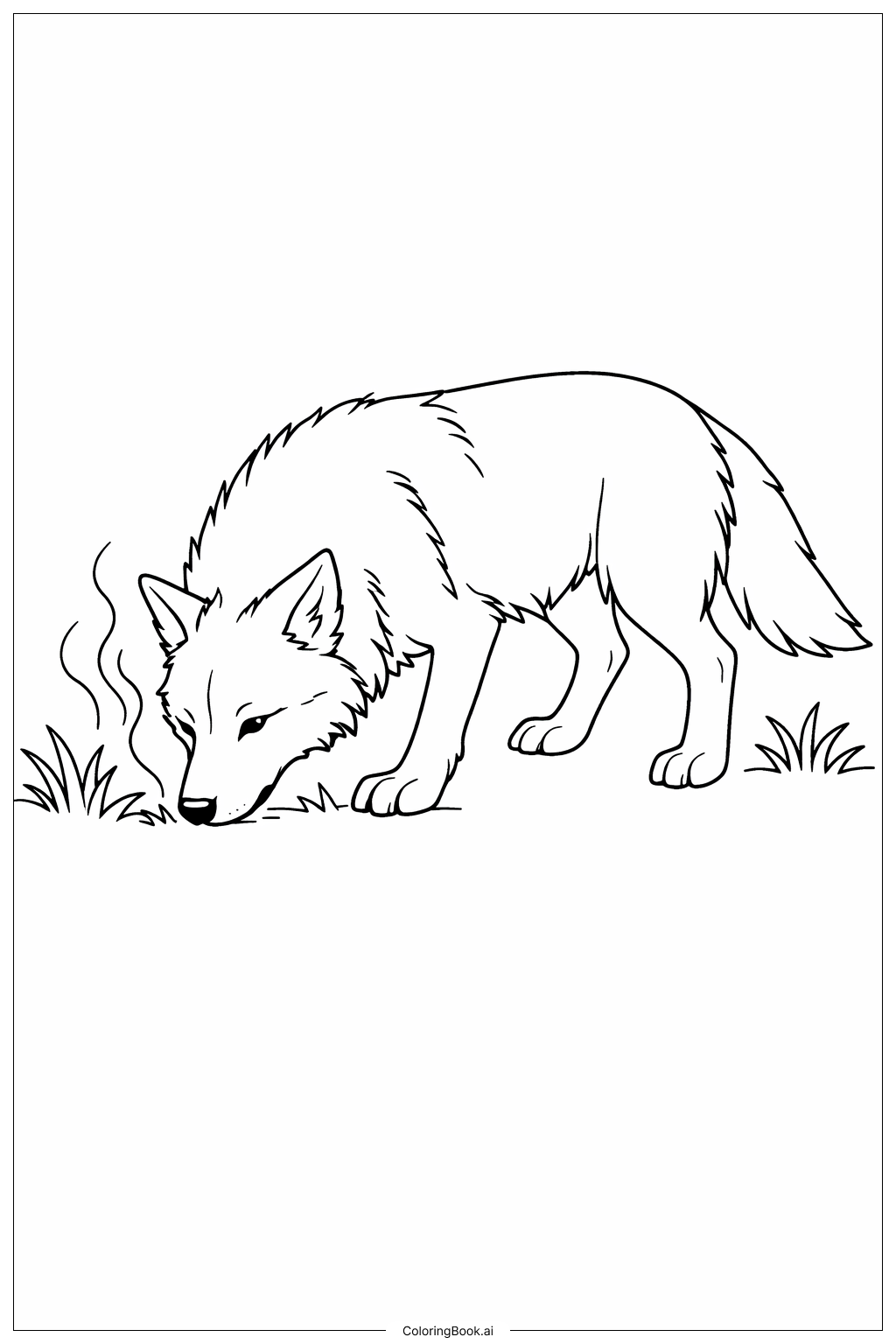
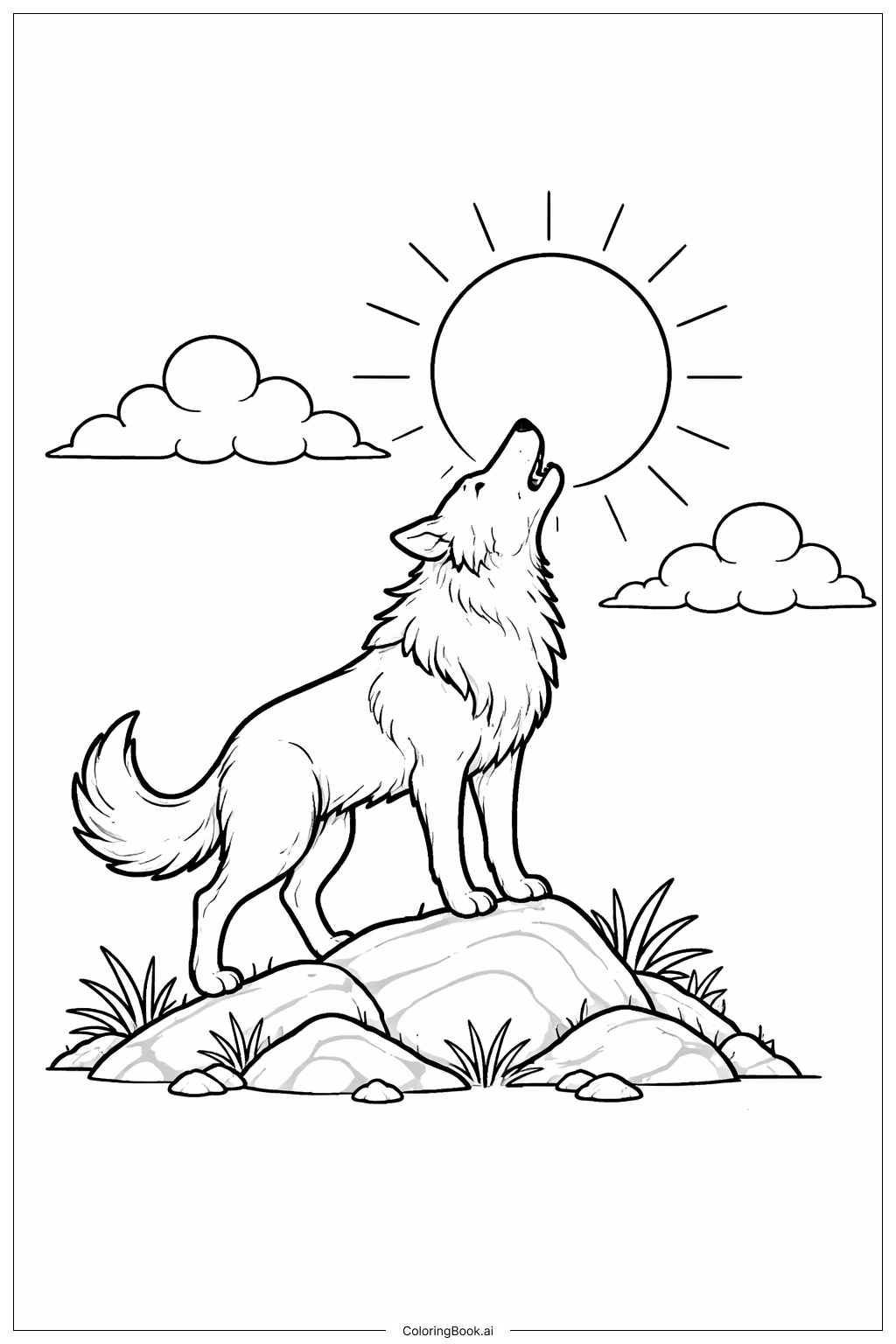
Try using different shades of gray, brown, and white to bring the Wolves’ fur to life. The star-shaped toy is a great chance to add bright, vibrant colors like yellow or blue to make it stand out. Use soft greens and browns for the grass and ground to create a natural forest feel. For the eyes and nose, use black or dark brown to add depth. You can blend lighter colors on the Wolves’ bellies and faces to show light reflection. Don’t forget to add shadows under the Wolves to make the picture more three-dimensional and lively.
Coloring challenges: Which parts are difficult to color and need attention for Wolves With Star Toy coloring page?
• Fur Texture: Coloring the Wolves’ fur with different patterns and directions can be tricky. It requires attention to detail to make the fur look soft and natural.
• Star Toy Contrast: Making the star-shaped toy bright enough without overpowering the Wolves needs careful choice of colors to balance the image.
• Small Details: The Wolves’ eyes, noses, and paws have small areas that require precise coloring to keep the features clear and expressive.
• Background Elements: Coloring the grass and small rocks realistically means choosing suitable shades and blending colors softly to avoid harsh lines.
• Light and Shadow: Adding shadows and light highlights correctly is challenging but important to make the Wolves and the toy appear three-dimensional and lively.
Benefits of coloring books: Advantages of drawing Wolves With Star Toy coloring page
Coloring this image helps children develop their fine motor skills by focusing on detailed areas like the Wolves’ fur and facial features. It encourages creativity in choosing different color combinations for natural elements like animals and the forest floor. The playful scene with the star toy promotes imagination and storytelling, making coloring fun and engaging. Additionally, learning to add shadows and highlights strengthens understanding of light, depth, and texture in art. Overall, it’s an enjoyable way for children of all ages to practice patience, concentration, and artistic expression.