Coloring tips: How to color Wolves Tracking Scent coloring page well?
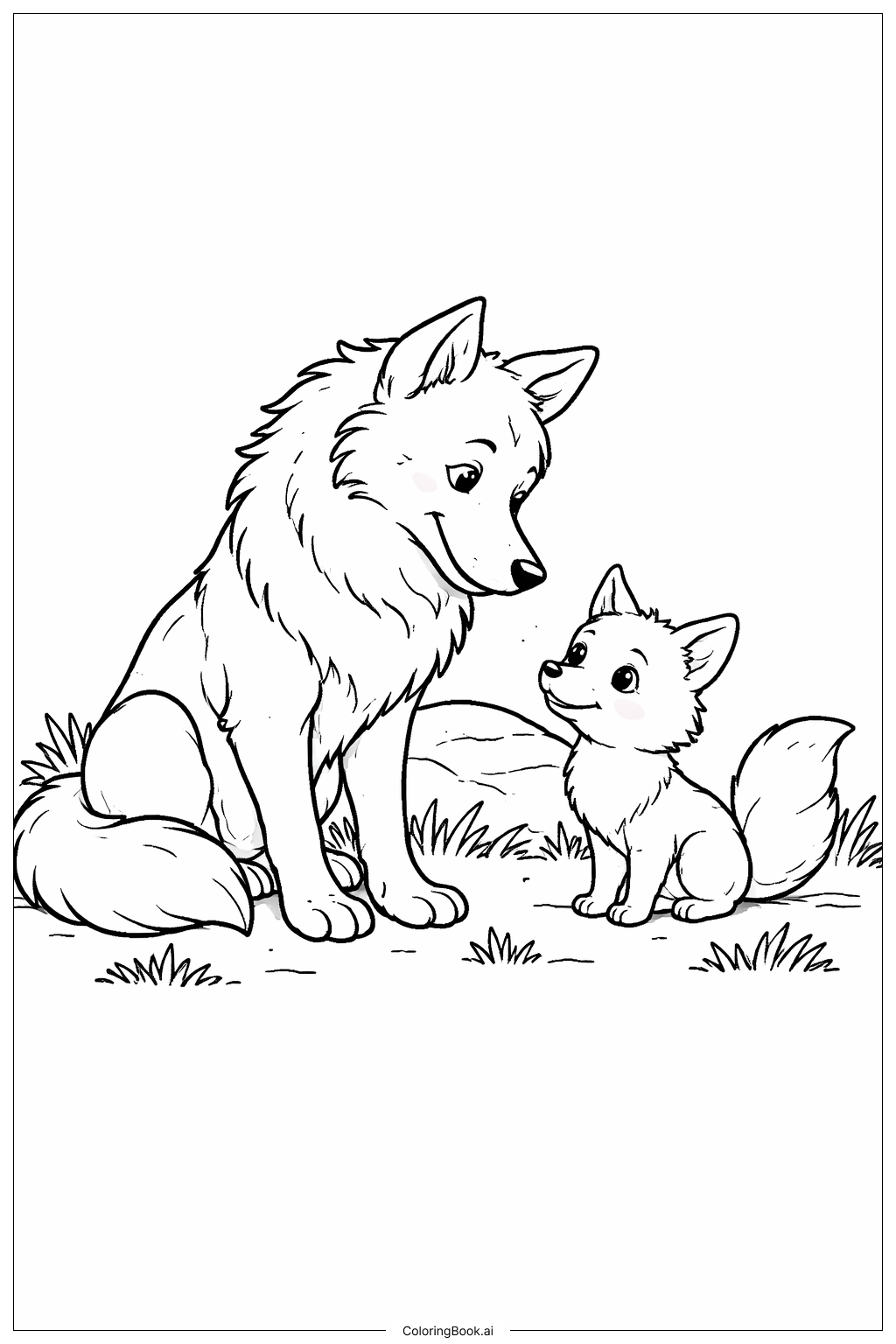
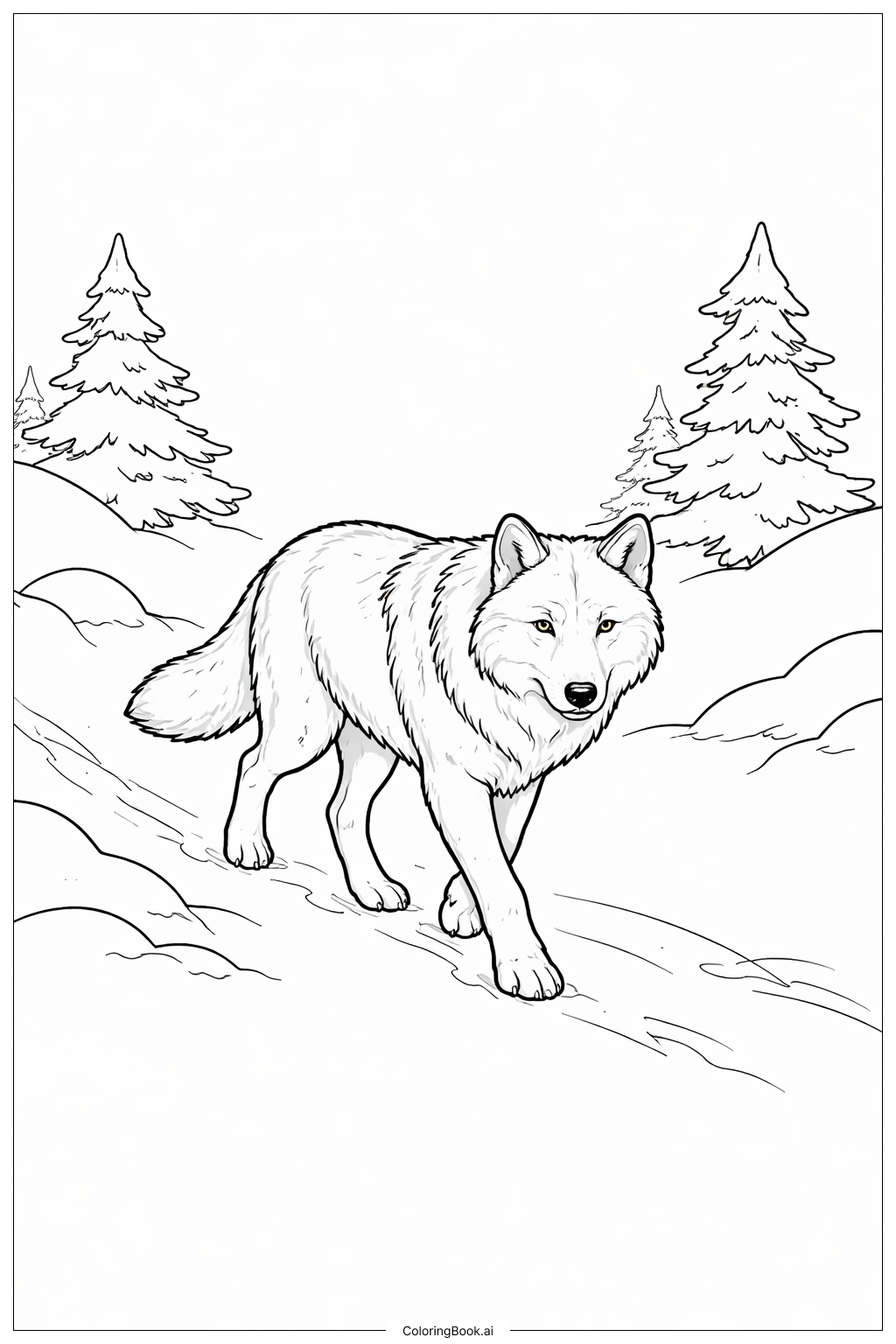
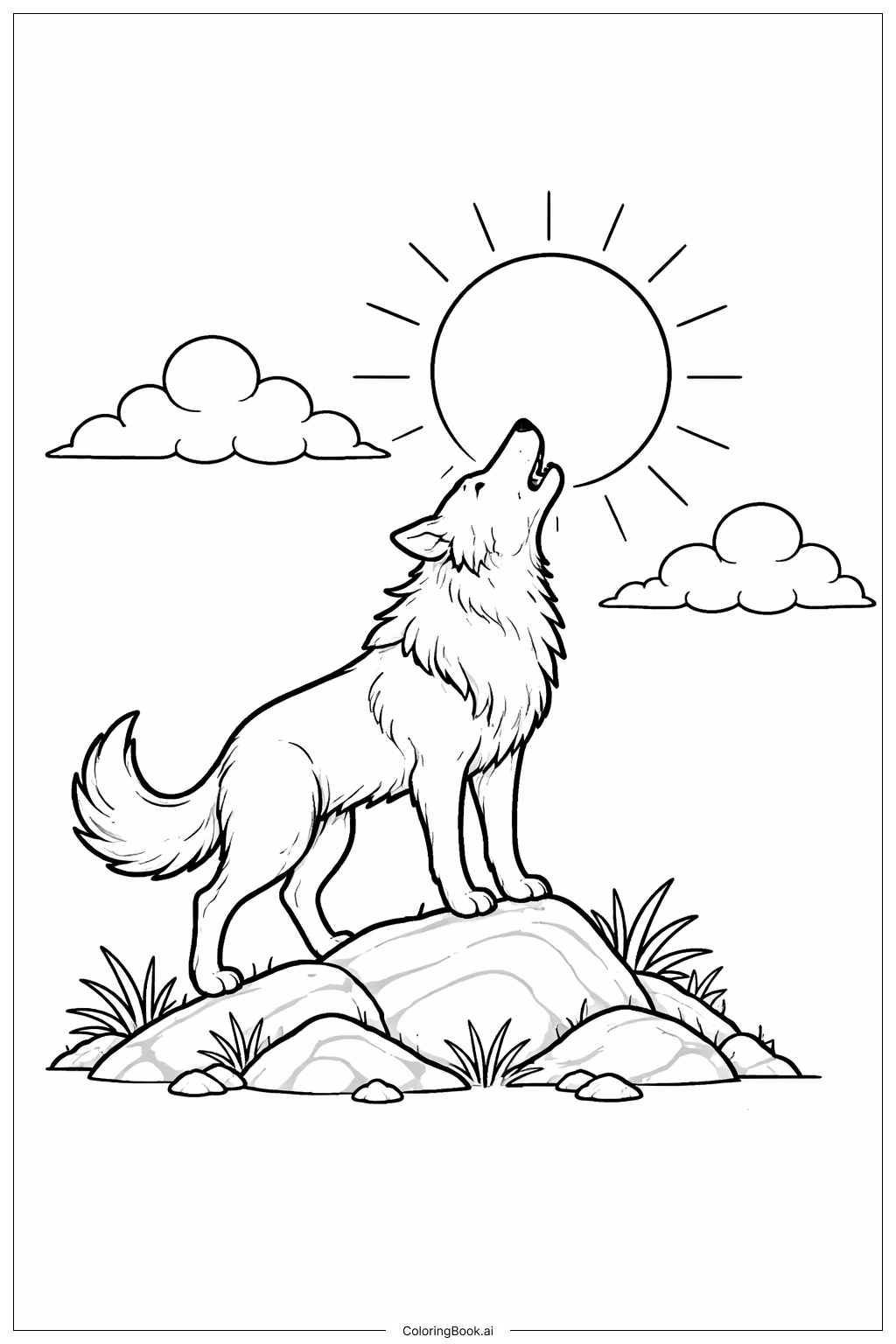
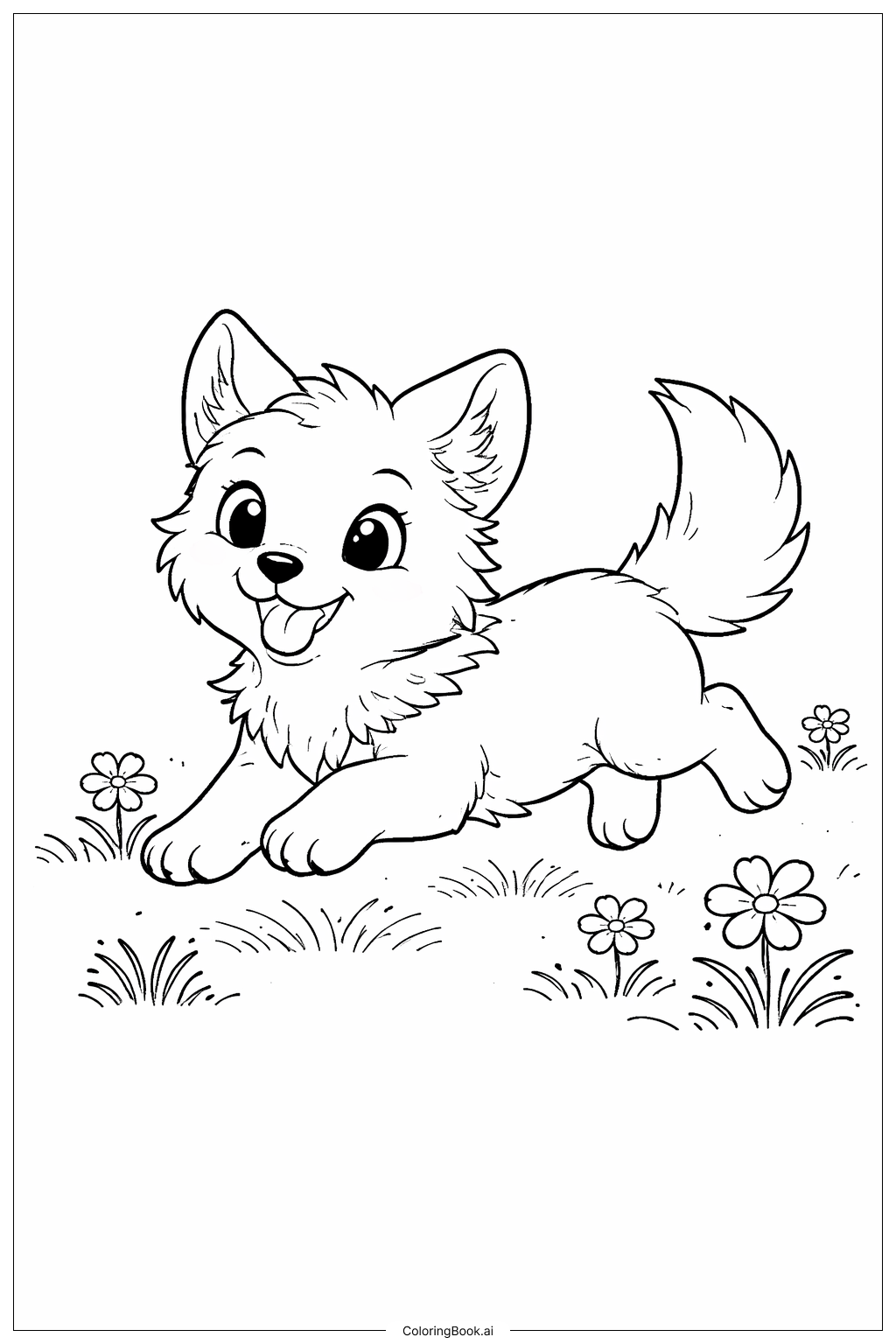
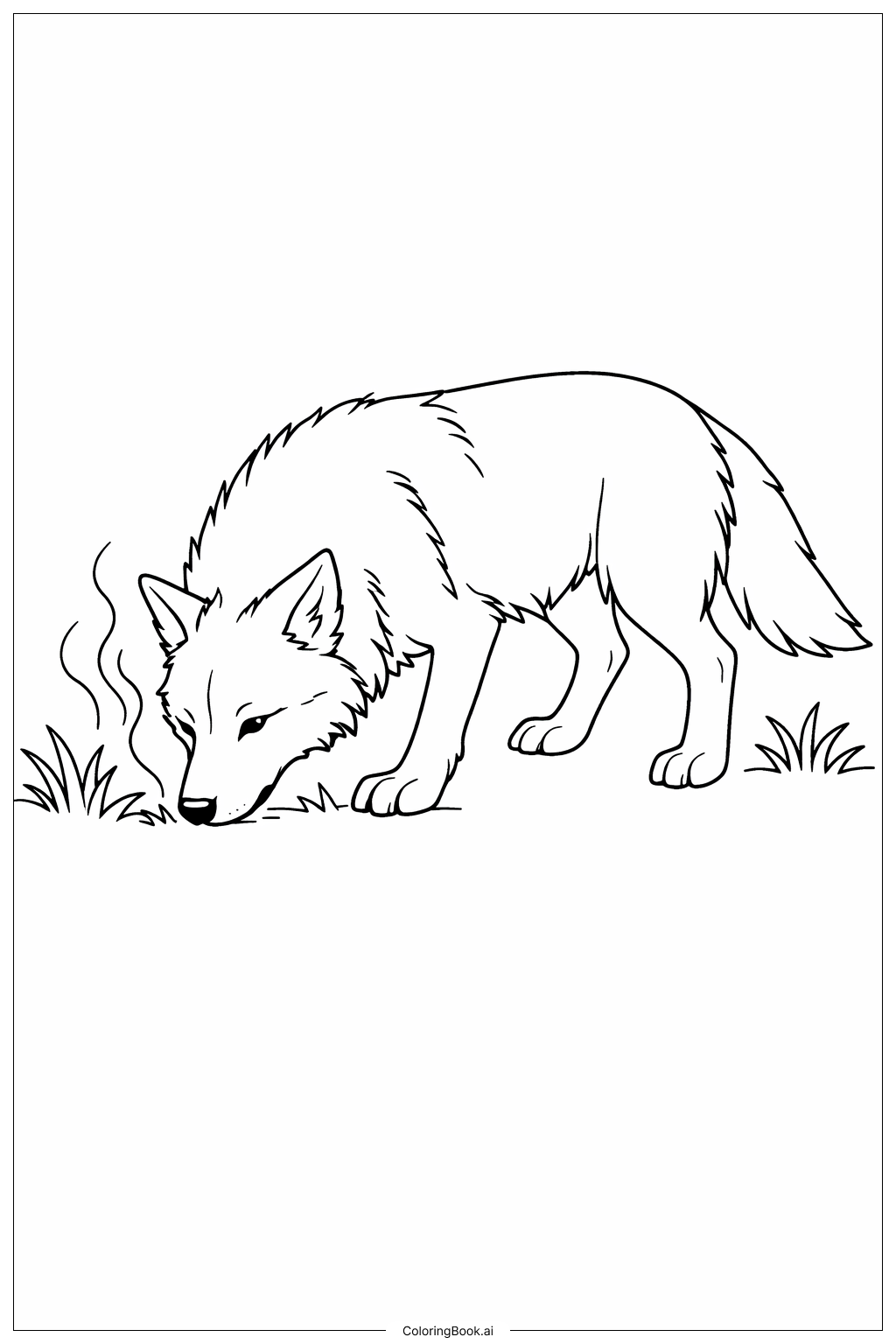
Use natural colors like greys, browns, and white for the wolf’s fur to keep it realistic. You can add some shading around the wolf’s muscles and fur edges to show depth. For the grass, use different greens or even some yellows to show variety. Try soft blending for the wolf’s fur to make it look fluffy. The ground can be a light brown or beige to show dirt. Keep the colors gentle to match the calm and focused mood of the wolf. You may also add some shadows under the wolf to give a sense of weight and presence.
Coloring challenges: Which parts are difficult to color and need attention for Wolves Tracking Scent coloring page?
1. The wolf’s fur has many small details and spikes, which require careful coloring to keep the texture clear. 2. Capturing the right shading to show the wolf’s muscles and fur layers might be hard but is important for a realistic look. 3. The wolf’s nose and eyes are small but expressive parts and need smooth, precise coloring. 4. Coloring the grass with variety will be challenging, as using too many colors can clutter the picture, but one shade might look flat. 5. Balancing light and shadow under the wolf to make it look natural on the ground can be tricky.
Benefits of coloring books: Advantages of drawing Wolves Tracking Scent coloring page
Coloring this page helps improve focus and attention to small details. It encourages creativity in choosing natural colors and blending them smoothly. It also teaches patience, as the fur and grass need careful coloring. Kids learn about wolves and nature through this fun activity. Coloring animals like this wolf strengthens fine motor skills and hand-eye coordination. This page inspires imagination while connecting children with wildlife themes.