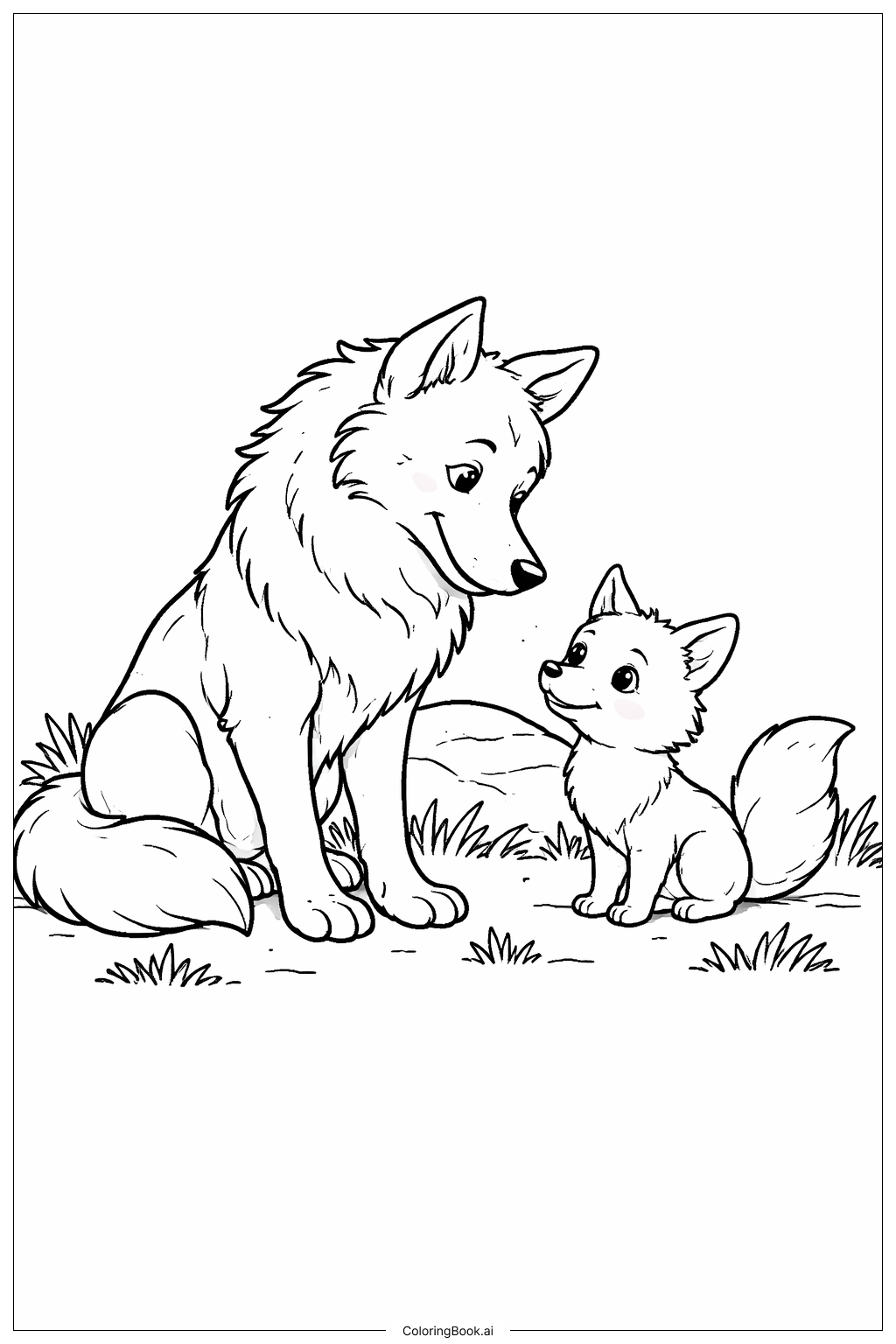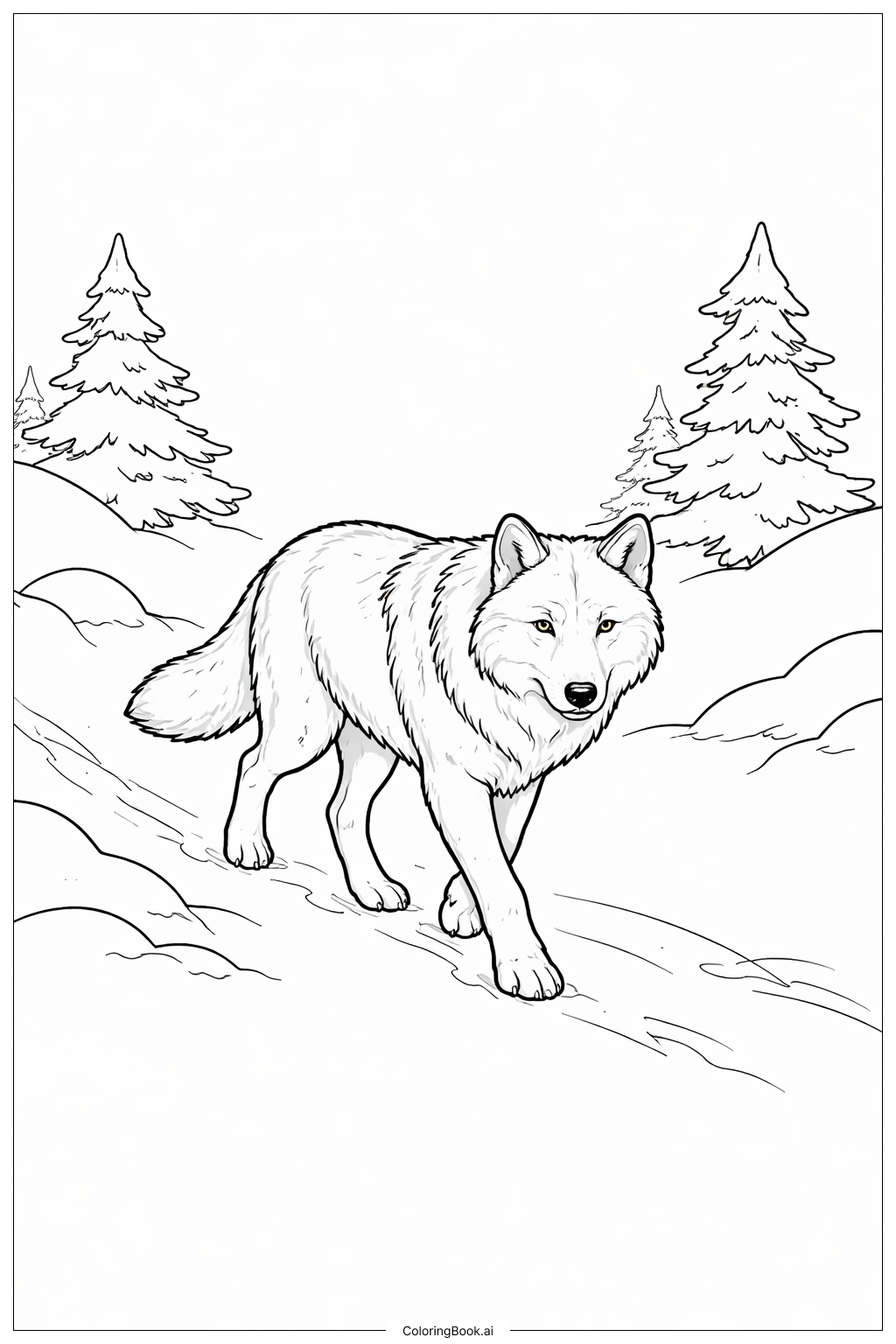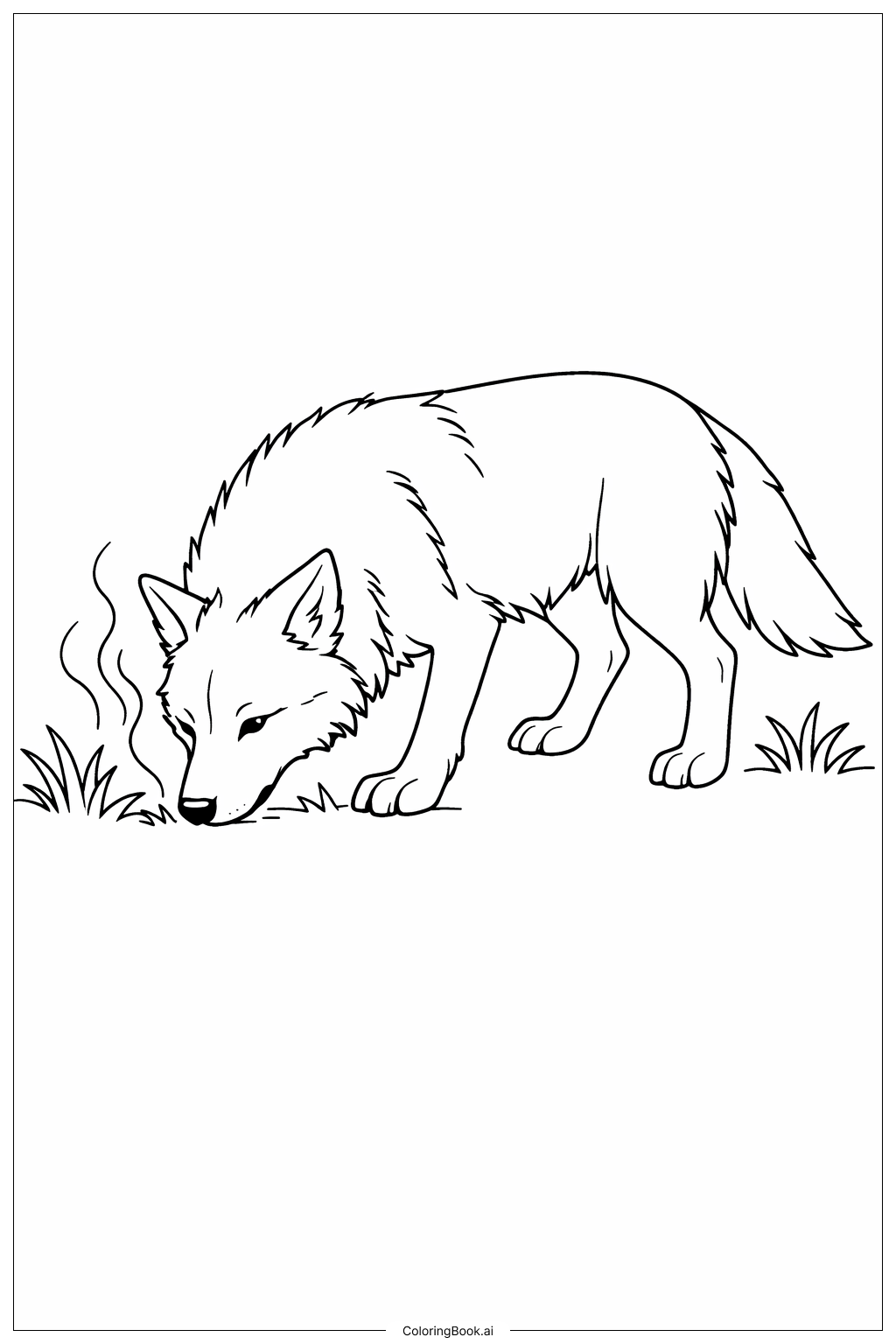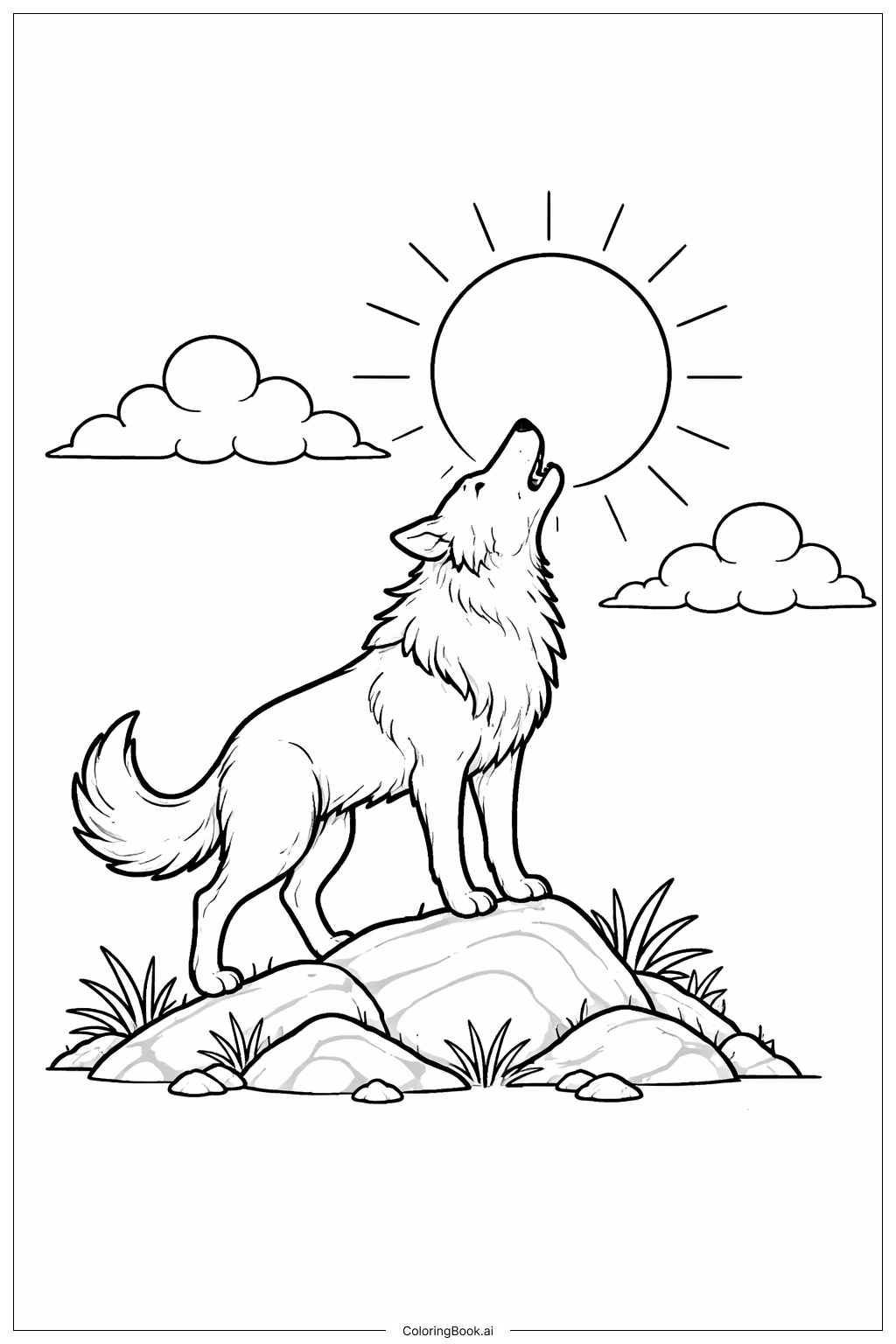
Coloring tips: How to color Wolves With Simple Scarf coloring page well?
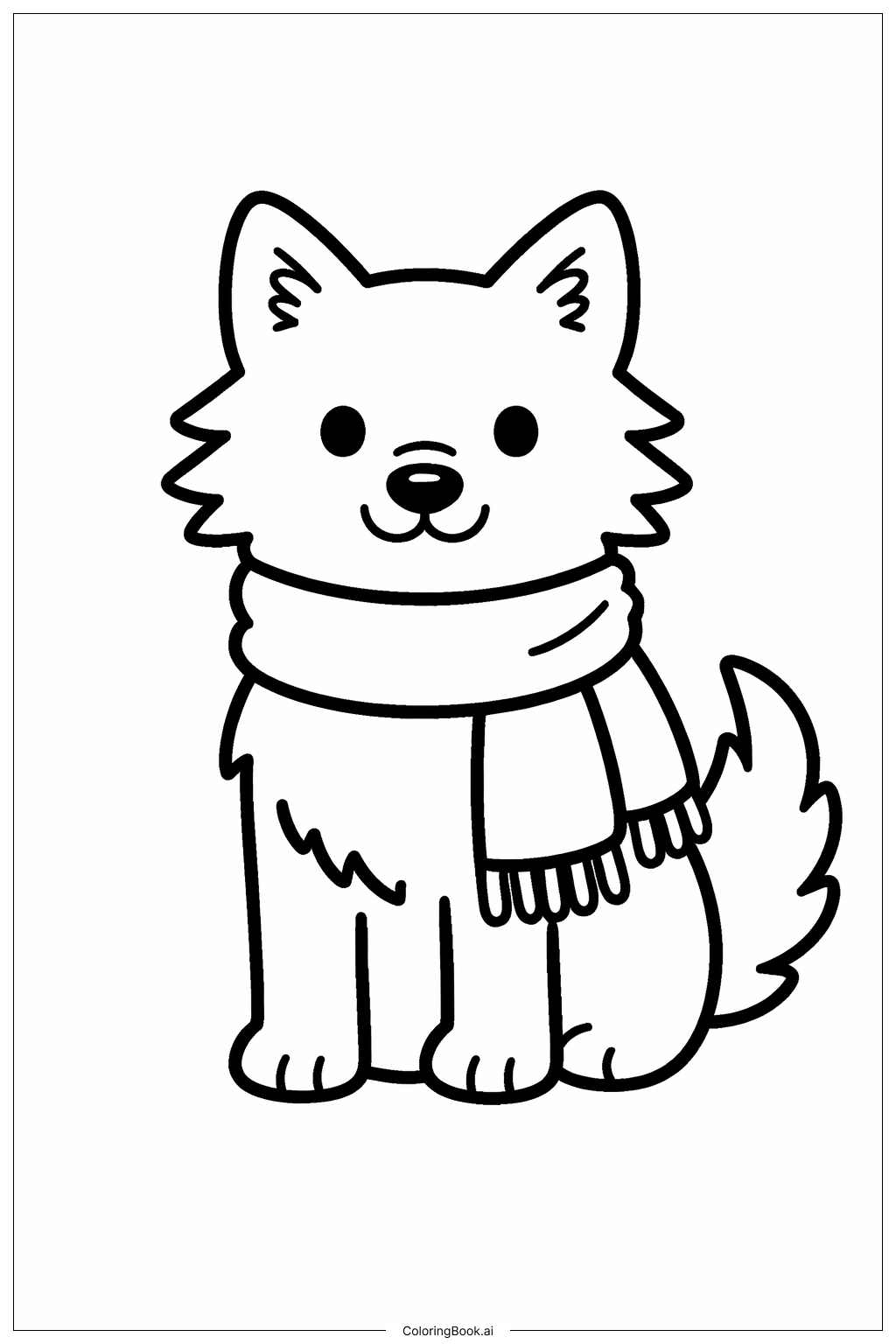
Start with the wolf's fur. Gray tones work beautifully — try light gray for the belly and chest, and darker gray or brown for the back and legs. You can also use warm tan or sandy colors for a softer look. For the scarf, choose a bright, fun color like red, blue, or yellow to make it pop against the fur. Stripes or a single bold color both look great. Add a slightly darker shade of the same color to the scarf's folds to give it depth. Use a pale white or cream for the wolf's inner ears and muzzle area. For the eyes, amber, golden yellow, or green look wild and alive. If there is a background, try soft blues for a wintry sky or light greens for a forest setting. Use light pencil strokes on the fur to follow the direction of the lines, making the coat look fluffy and real.
Coloring challenges: Which parts are difficult to color and need attention for Wolves With Simple Scarf coloring page?
• Fur Texture and Layering: The wolf's thick coat is made up of many overlapping lines, making it tricky to color evenly. You need to follow the direction of the fur lines with each stroke. Using short, light strokes helps create a realistic, fluffy look. Blending two close shades of the same color, such as light gray and medium gray, adds depth to the coat without making it look flat.
• Scarf Folds and Shading: The simple scarf has gentle folds and curves that need shading to look three-dimensional. The inner folds should be slightly darker than the outer surface. This requires careful control of pressure when using colored pencils or crayons, which can be a challenge for younger colorists.
• Small Facial Details: The wolf's face has small features — eyes, nose, and the area around the muzzle — that need precise coloring. Staying within the fine lines around the eyes and nose without smudging nearby areas takes a steady hand and a sharp pencil tip.
• Color Transition Between Fur Zones: The wolf's fur changes tone from its darker back to its lighter belly. Blending these two zones smoothly without a harsh line in between requires patience and layering skills, which may challenge beginners.
• Balancing Bright Scarf Against Natural Fur: Choosing a scarf color that stands out against the wolf's natural gray or brown fur without clashing takes some color sense. Testing your color choices on a scrap piece of paper first is a helpful habit to develop.
Benefits of coloring books: Advantages of drawing Wolves With Simple Scarf coloring page
Coloring this wolf with a scarf page is a fun and rewarding activity for kids of all ages. It helps build fine motor skills as children carefully fill in the fur lines and small facial details. Holding and guiding a crayon or colored pencil strengthens the hand muscles needed for writing and drawing.
Choosing colors for the fur and scarf encourages creative thinking. Kids get to make their own color choices and see how different combinations look together, building confidence in their artistic decisions.
The image also sparks imagination and storytelling. Children may wonder where the wolf is going, why it is wearing a scarf, and what adventure it might be on — all great starting points for creative play or writing.
Focusing on a detailed image like this wolf helps improve concentration and patience. Staying inside the lines and blending colors takes focus, which is a skill that transfers to school and everyday tasks.
Finally, completing a coloring page gives kids a real sense of accomplishment. Seeing their finished, colorful wolf is a boost to self-esteem and pride in their own work. It is a calming, screen-free activity that the whole family can enjoy together.