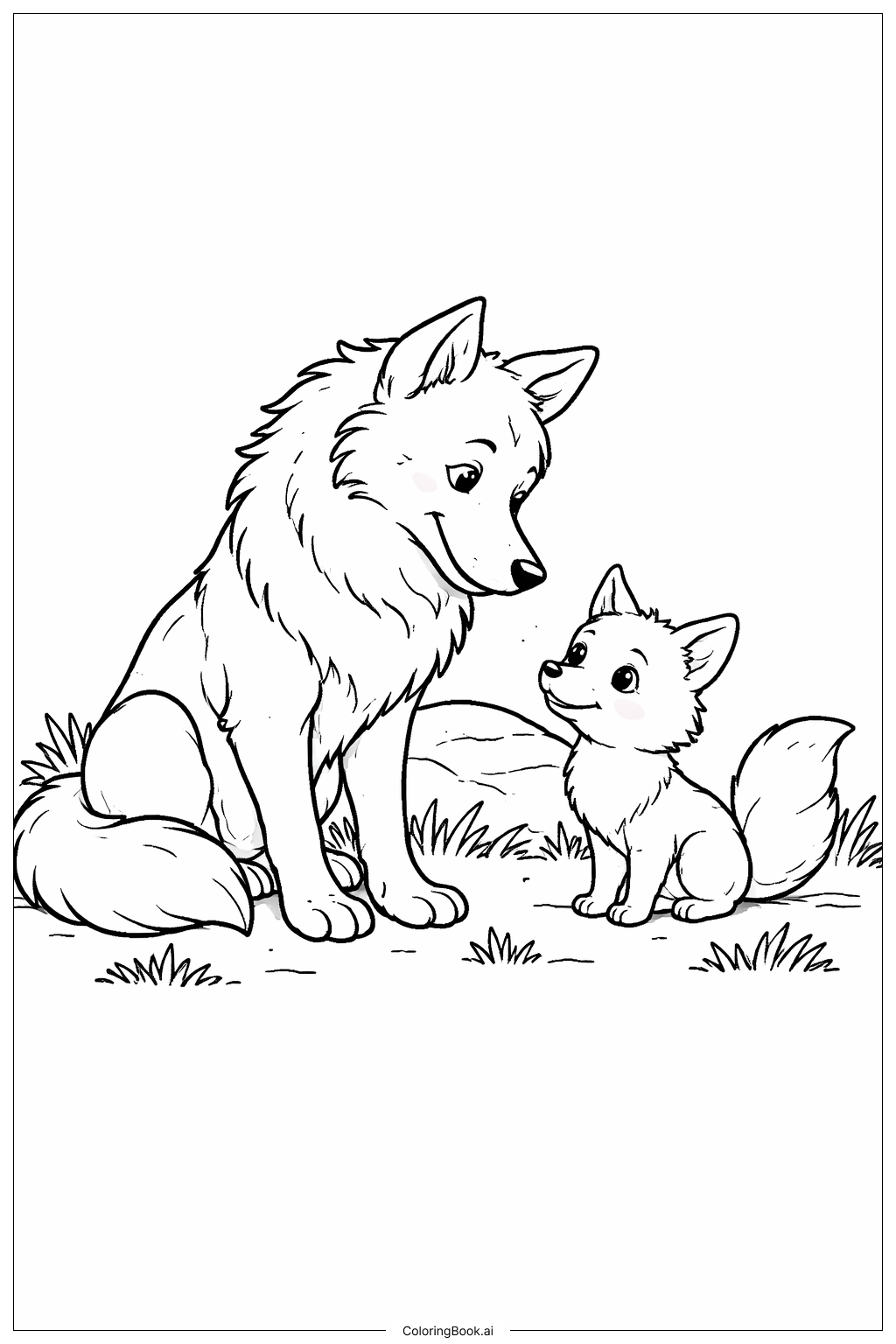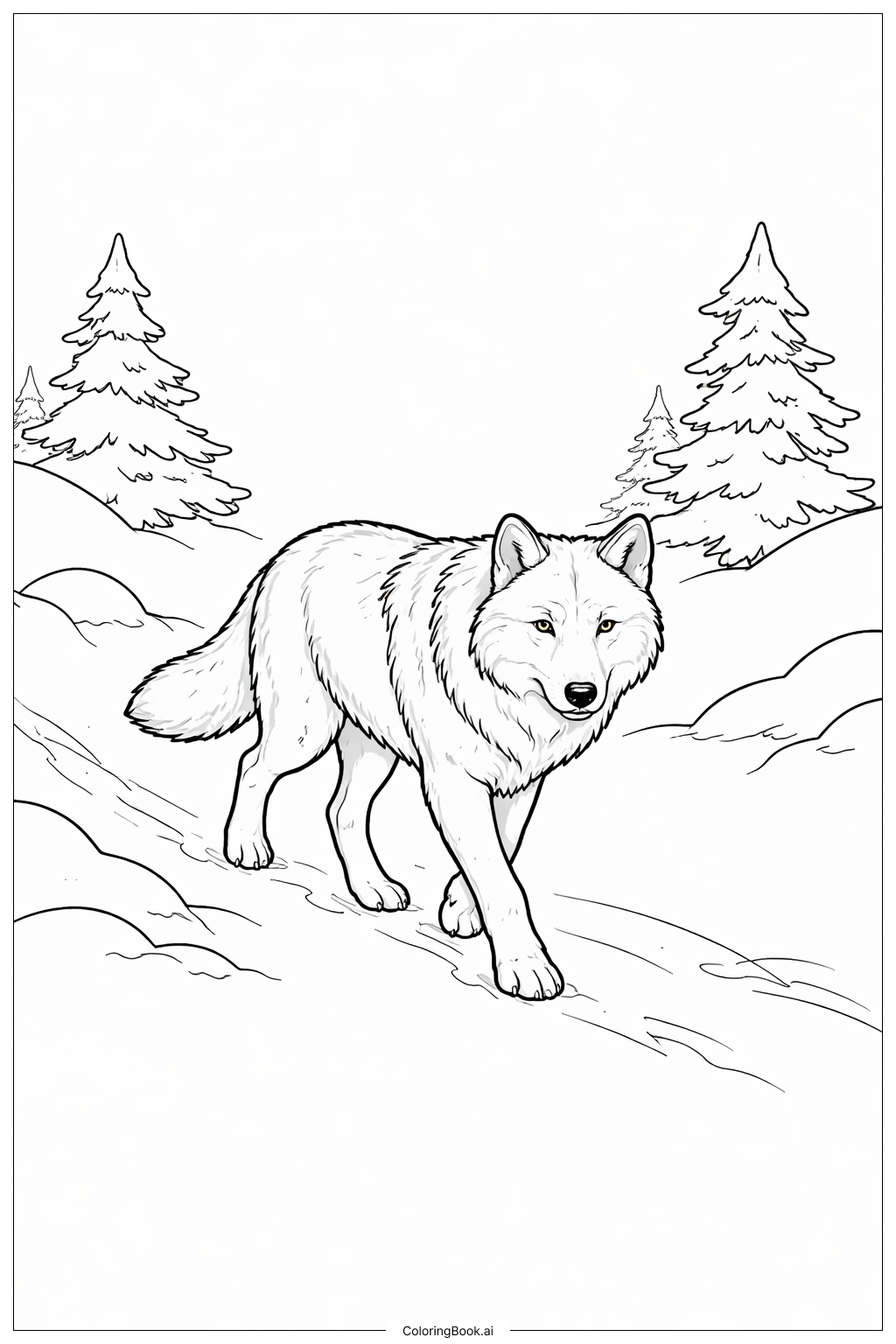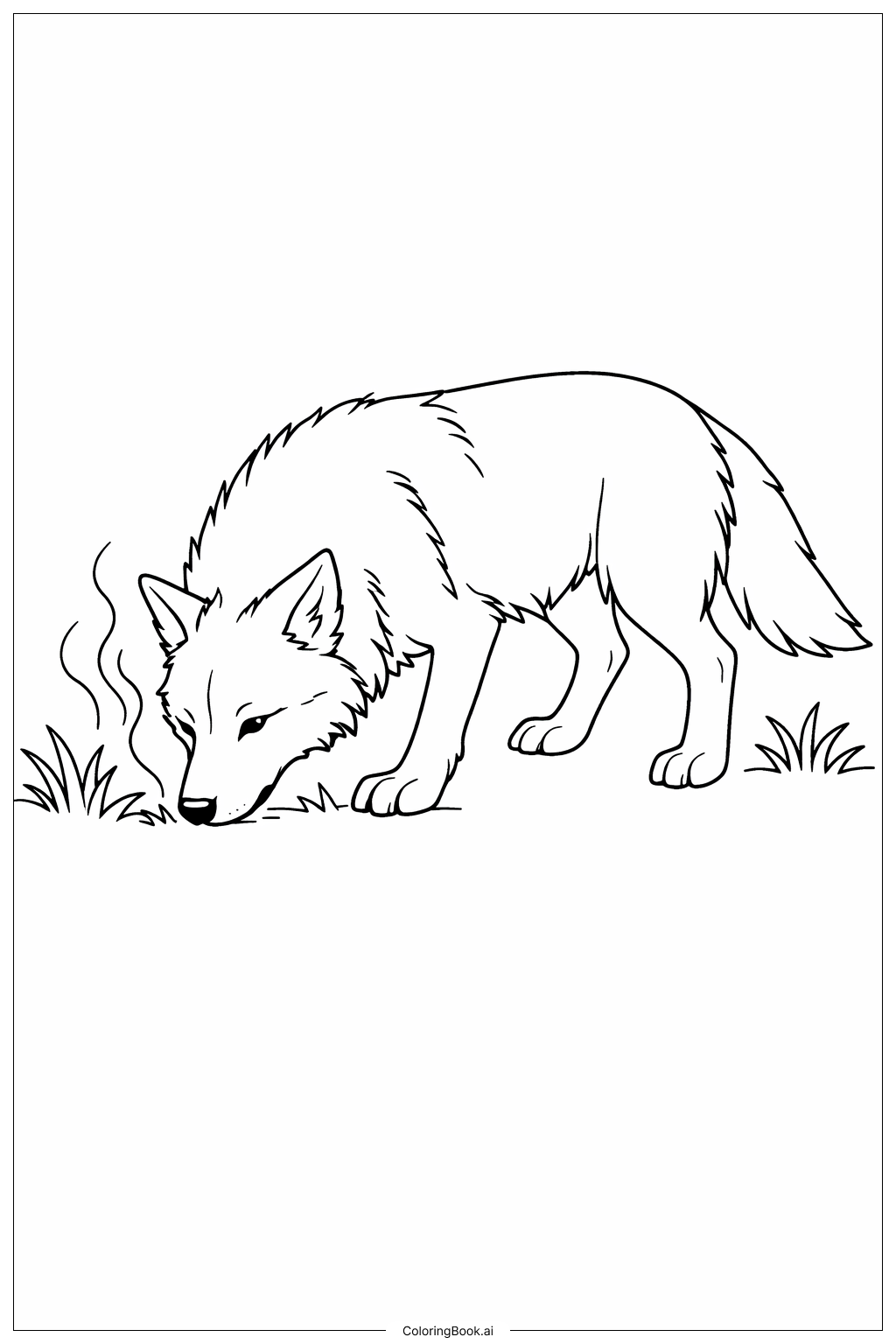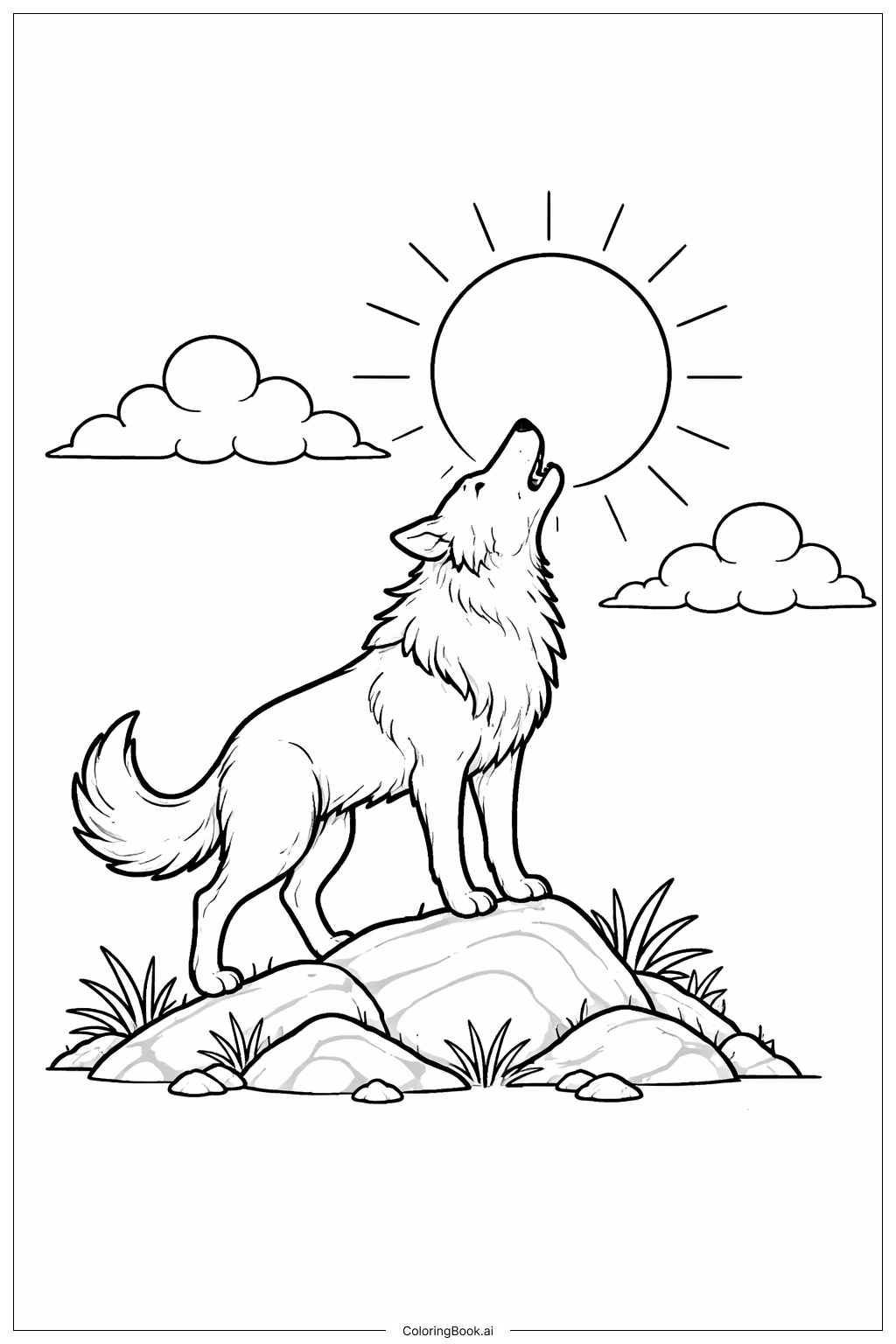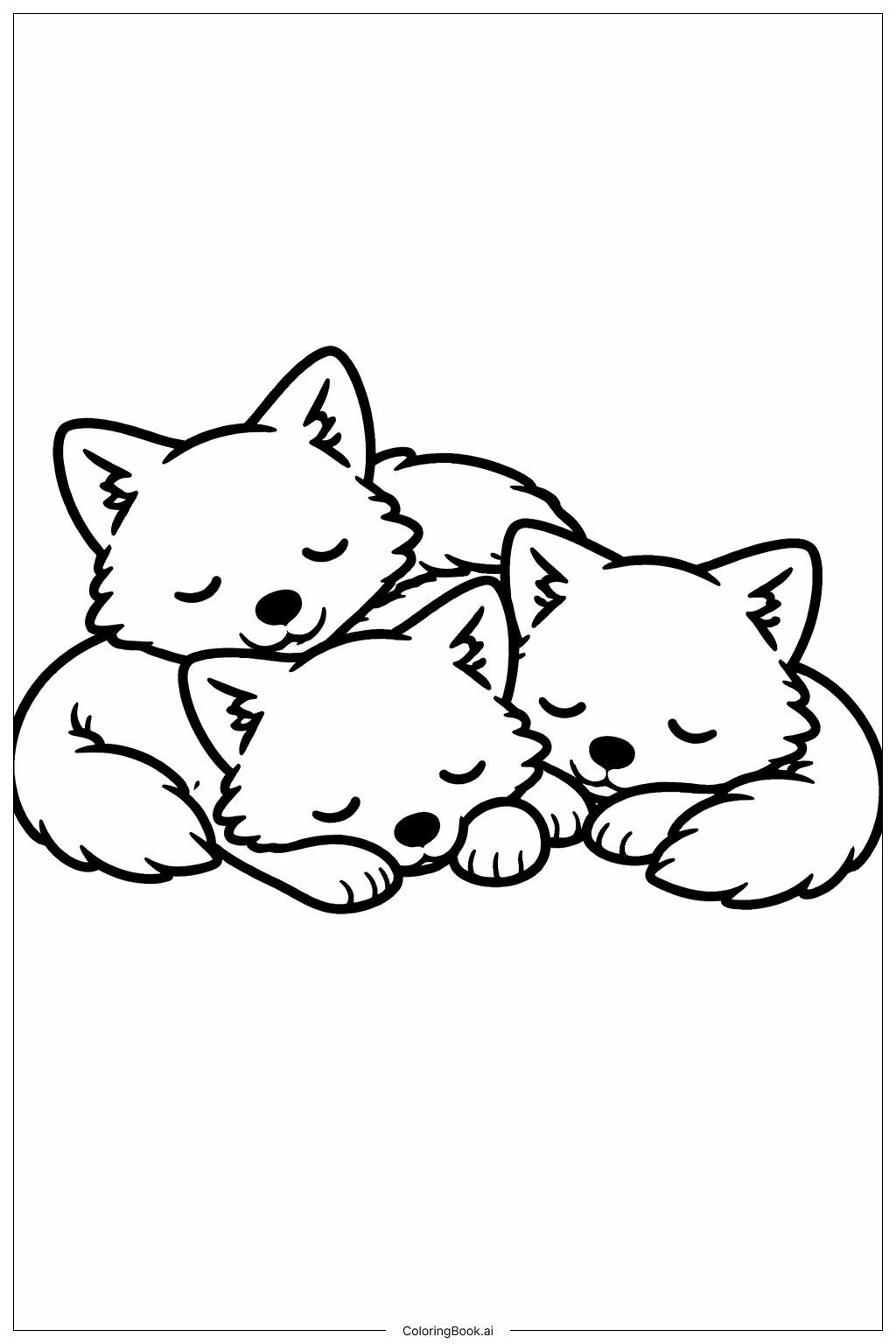
Coloring tips: How to color Wolves Sleeping Pile coloring page well?
Try using different shades of gray, brown, and white to color the wolves, as real wolves often have these colors. You can add some light blue or lavender shadows to make the sleeping wolves look even softer and more peaceful. Coloring the noses black and adding some pink inside the ears can make the wolves appear more realistic. Use gentle strokes to show their fluffy fur. For the background, you can keep it simple with light green or tan colors to suggest grass or dirt, or leave it blank to focus on the sleeping pile. Experiment with blending colors softly to create a cozy feeling.
Coloring challenges: Which parts are difficult to color and need attention for Wolves Sleeping Pile coloring page?
1. The wolves are close together, which can make it tricky to color each one without mixing colors. 2. The fluffy fur needs careful coloring to show texture without making the picture look messy. 3. Adding shadows to make the wolves look three-dimensional might be difficult for beginners. 4. Coloring the small details like noses, ears, and paws requires patience and precision. 5. Choosing distinct colors for each wolf without clashing can challenge young colorists.
Benefits of coloring books: Advantages of drawing Wolves Sleeping Pile coloring page
Coloring this picture helps children practice staying inside the lines while working on detailed shapes like ears and paws. It encourages creativity as they choose colors for the wolves and think about natural fur patterns. The calming image of sleeping wolves promotes relaxation and focus. Kids can also learn about wolves and their social behavior by imagining why these animals sleep together. Overall, this coloring page supports fine motor skills, color recognition, and mindfulness.