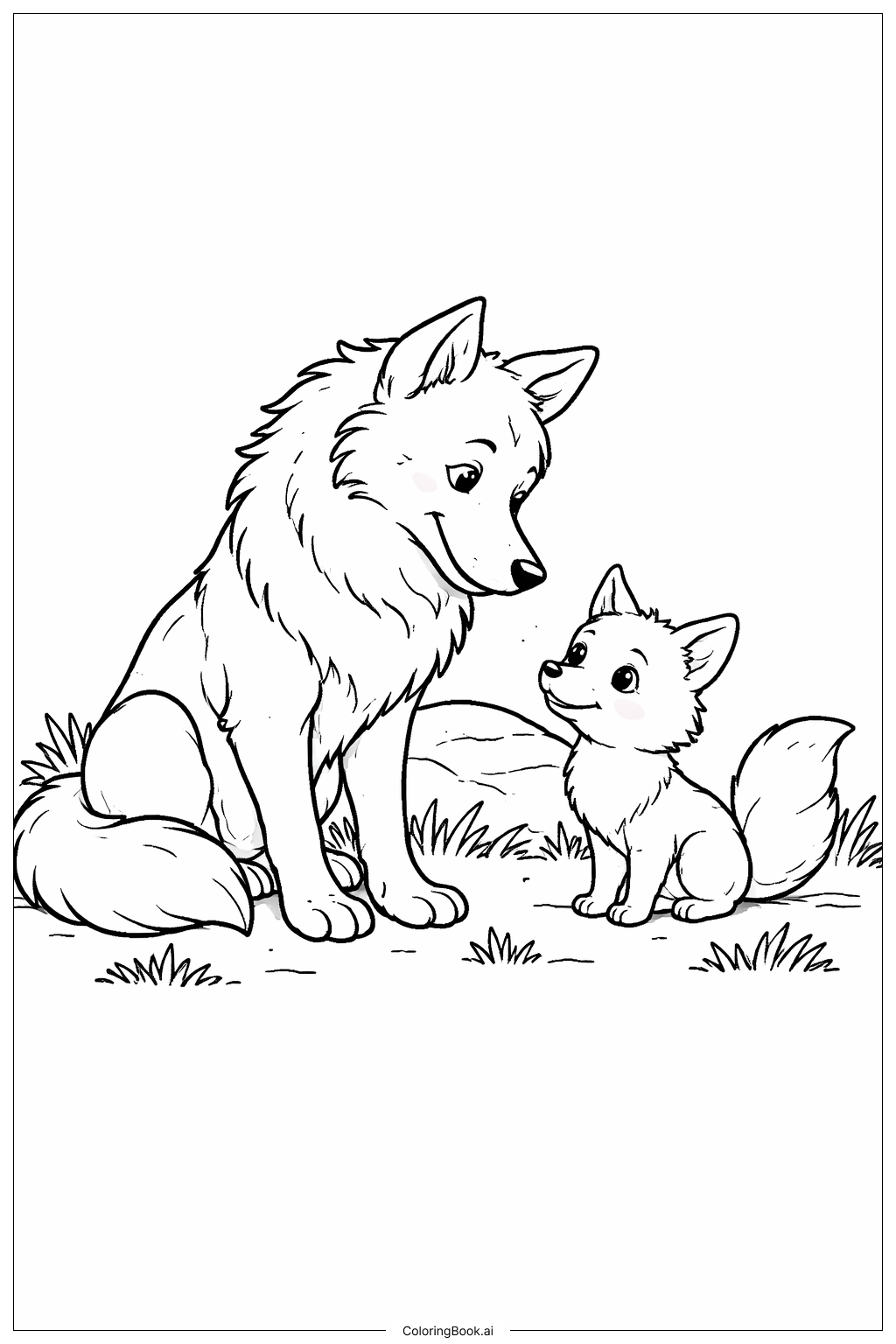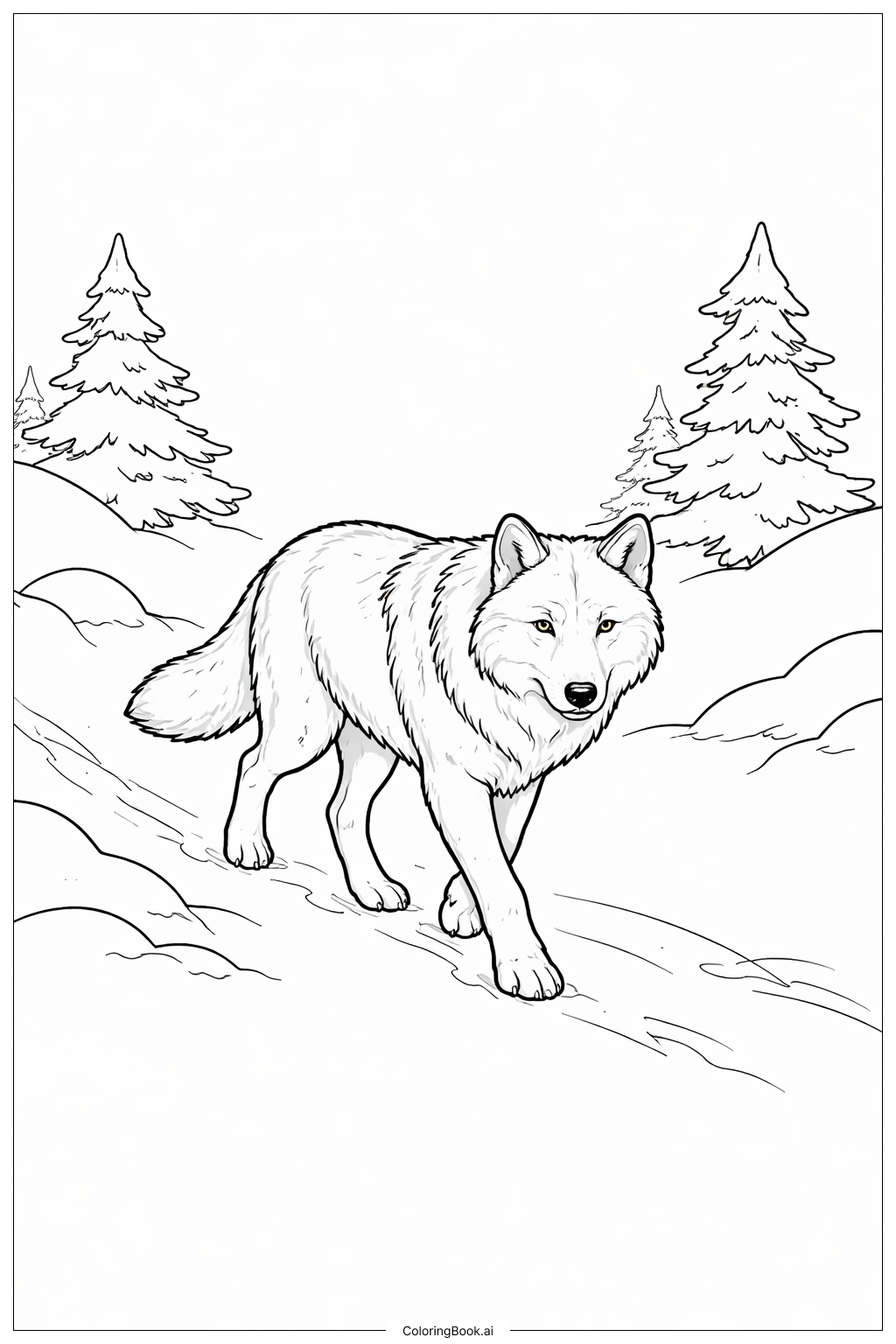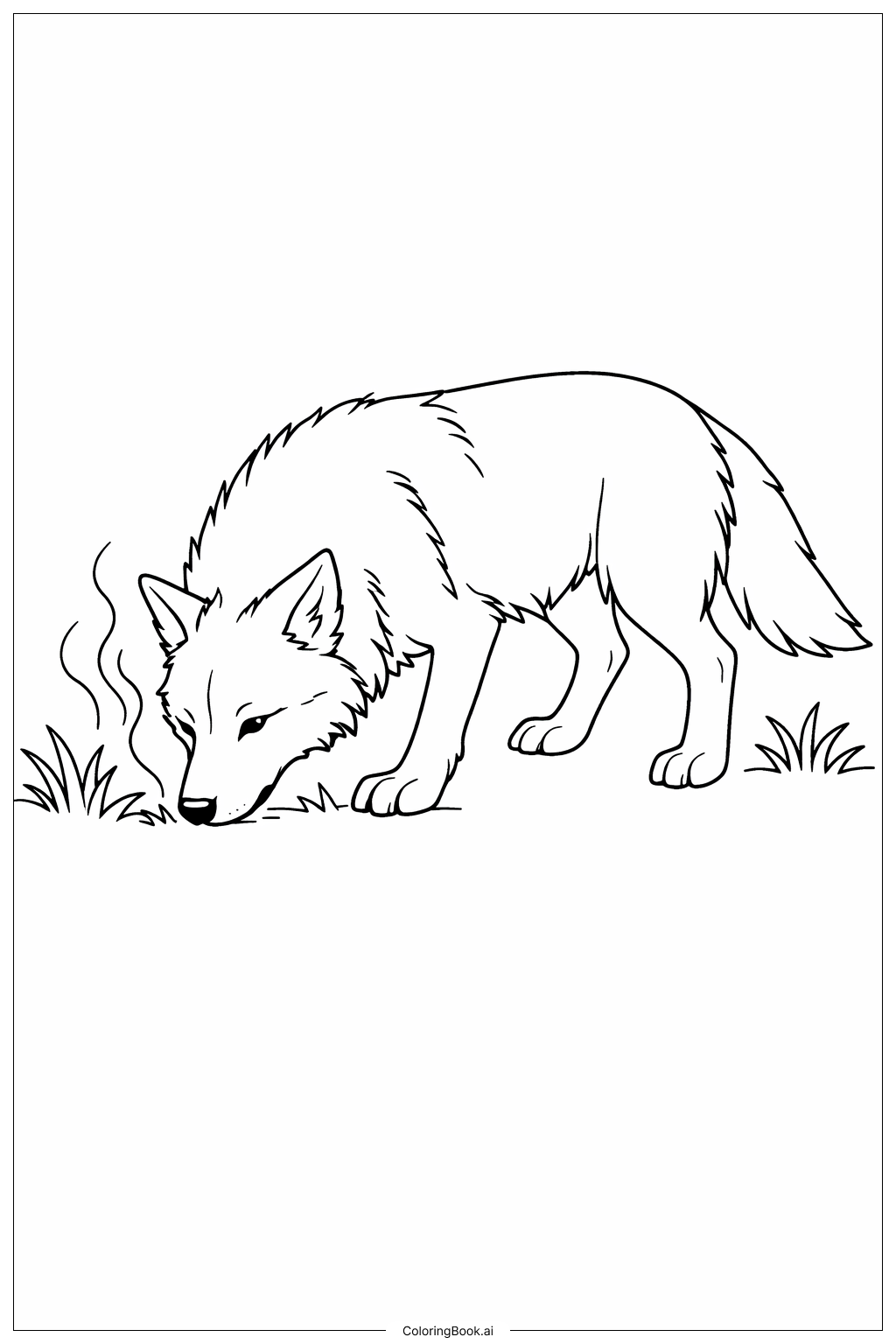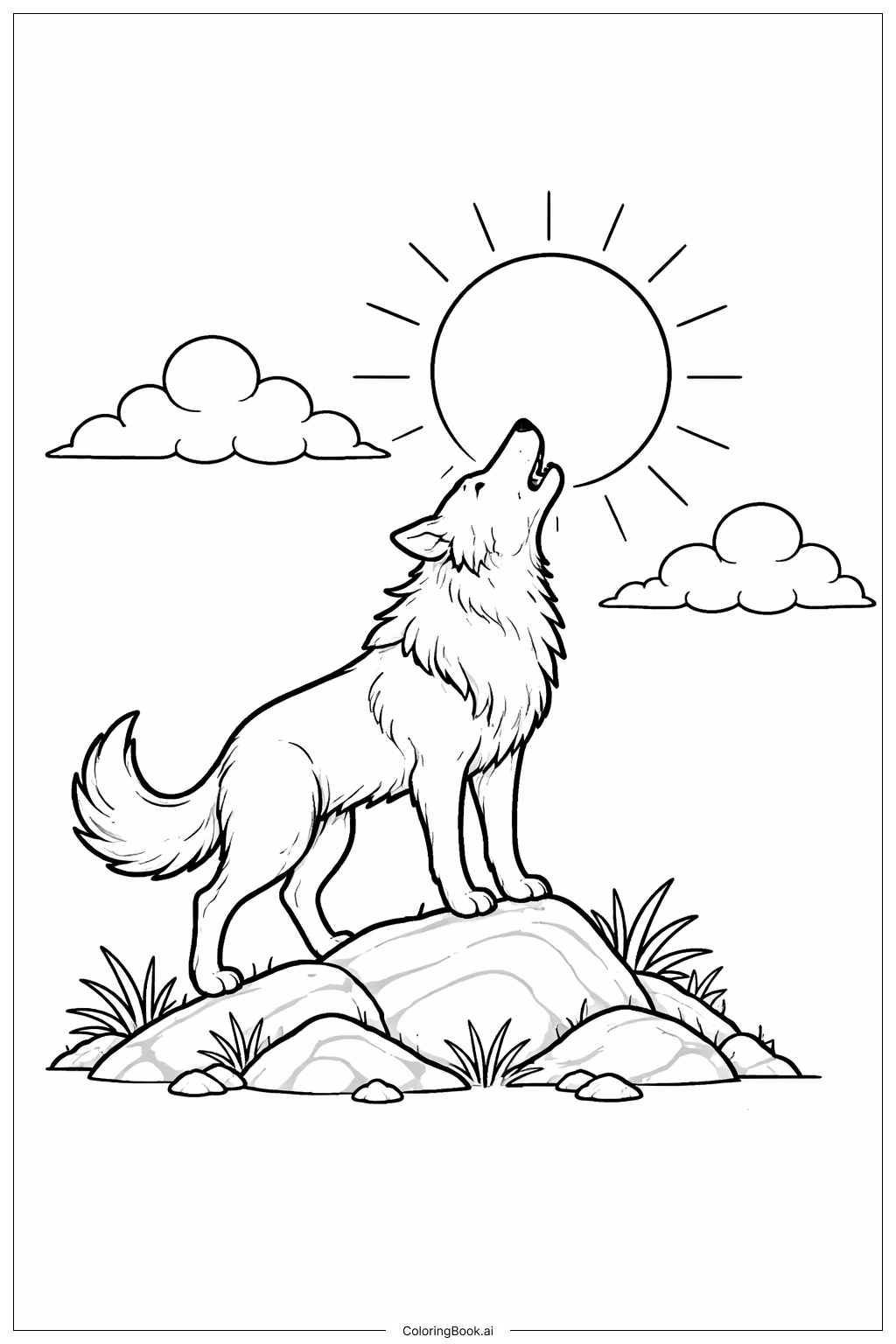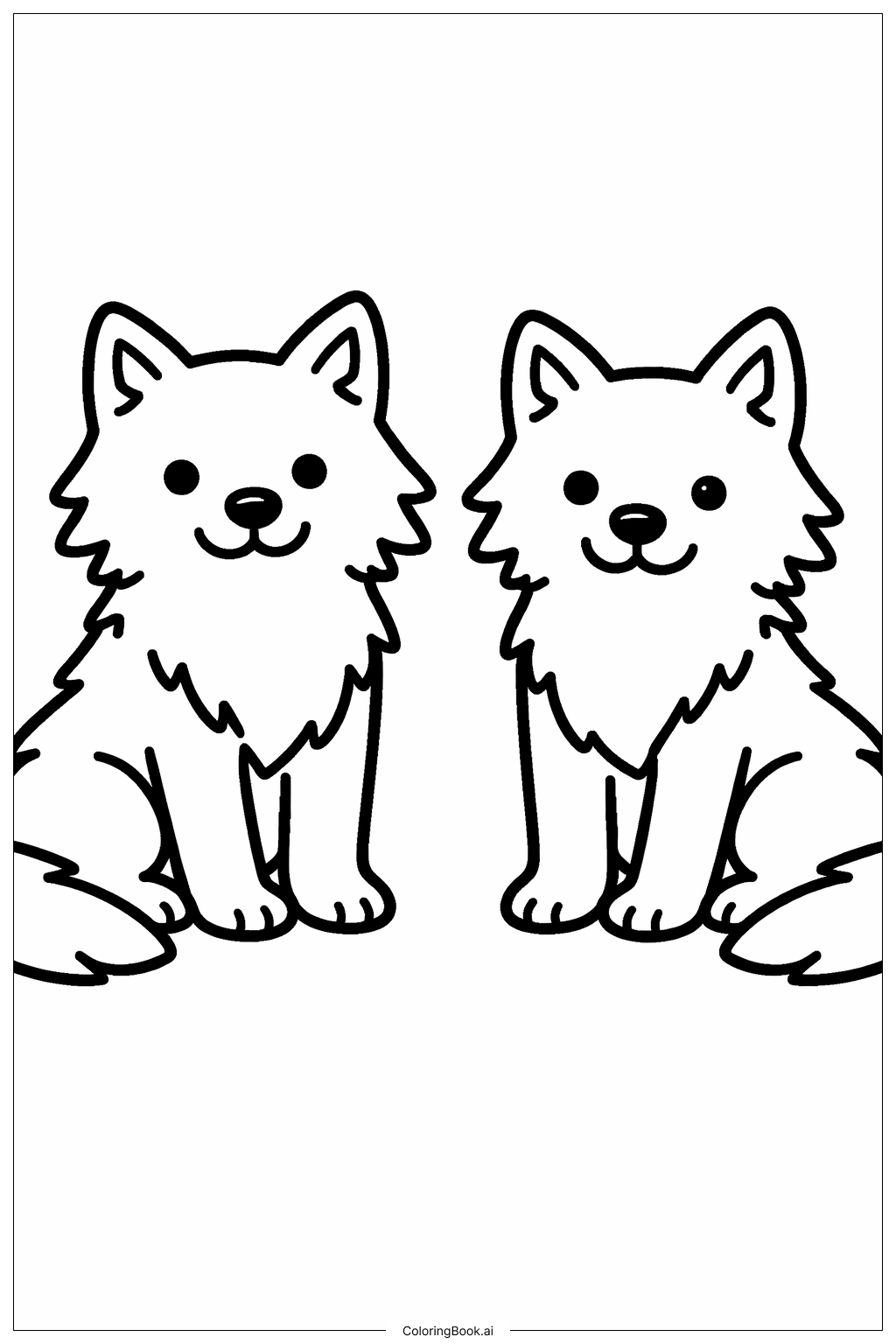
Coloring tips: How to color Wolves Sitting SideBySide coloring page well?
Use shades of gray, white, and brown for the wolves' fur. You can blend these colors for a more natural look. Try light gray for the body and white for the face and chest. Add darker gray or black at the tips of the ears, tail, and paws. Use soft pink or light red for the inside of the ears and nose. For the eyes, use black or dark brown. You can also add green or blue for the background to make the scene more lively. Remember to color carefully around the edges to keep the wolves clear and neat.
Coloring challenges: Which parts are difficult to color and need attention for Wolves Sitting SideBySide coloring page?
1. Fur Texture: The wolves have fluffy fur with many small lines. Coloring these smoothly can be tricky because it needs careful strokes to show the soft fur without coloring outside the lines.
2. Symmetry: Both wolves are very similar and side by side. Keeping both wolves colored evenly and consistently can be a challenge.
3. Small Details: The eyes, nose, and inner ears are small and need precise coloring to avoid mixing colors.
4. Layering Colors: If you want to blend different shades of gray and brown to create a natural fur effect, it may require patience and practice.
5. White Spaces: Deciding where to leave white or light color spaces is important to show the highlights on the fur and keep the image lively.
Benefits of coloring books: Advantages of drawing Wolves Sitting SideBySide coloring page
Coloring this picture helps children improve their attention to detail and fine motor skills. They learn to stay inside the lines and use different colors to make the wolves look real and beautiful. It encourages creativity and imagination, as kids can choose unique color patterns. Coloring the two wolves together can also teach about friendship and cooperation. Overall, this activity is fun and calming, helping kids relax and focus at the same time.