Coloring tips: How to color Wolves Pup Playing Ball coloring page well?
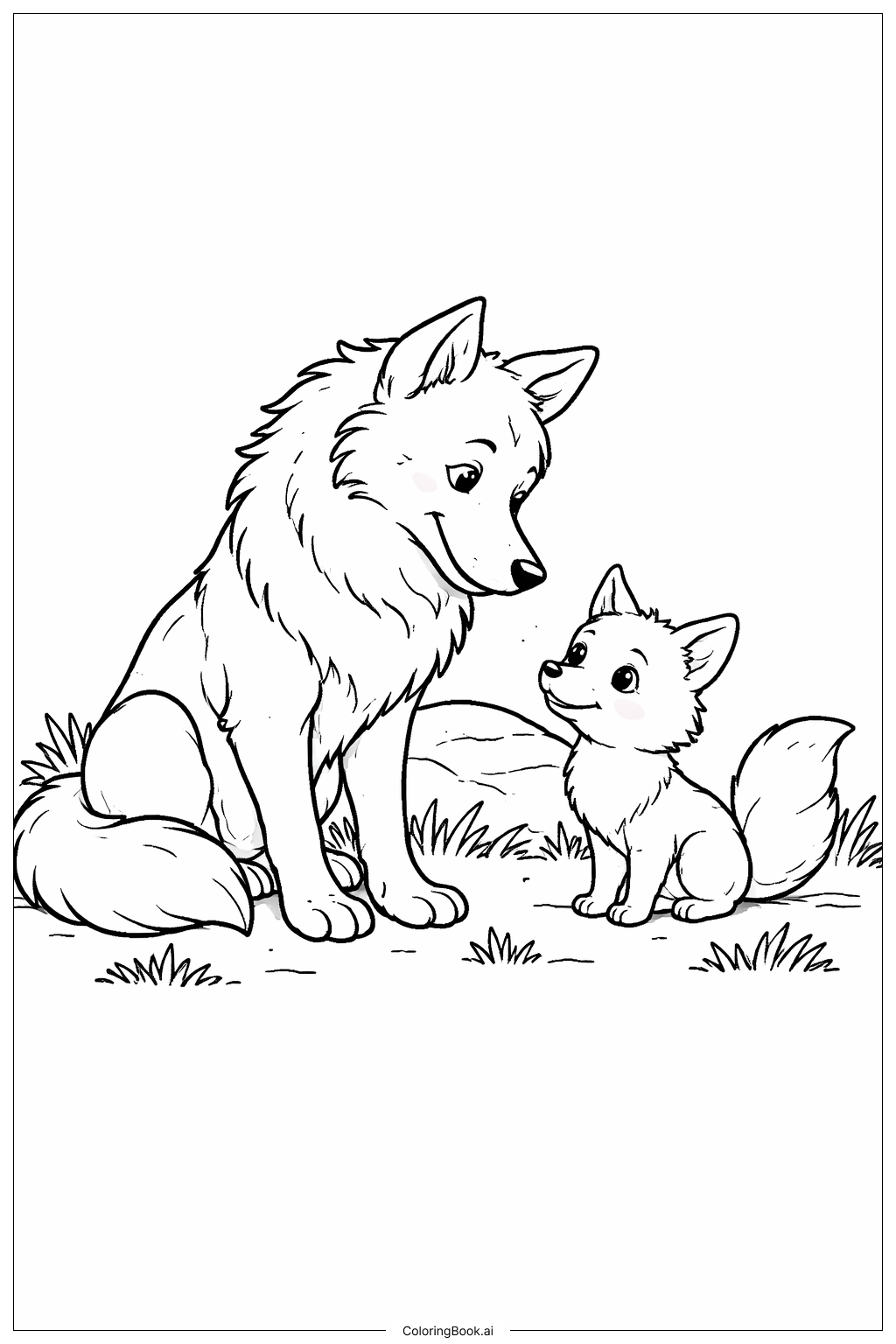
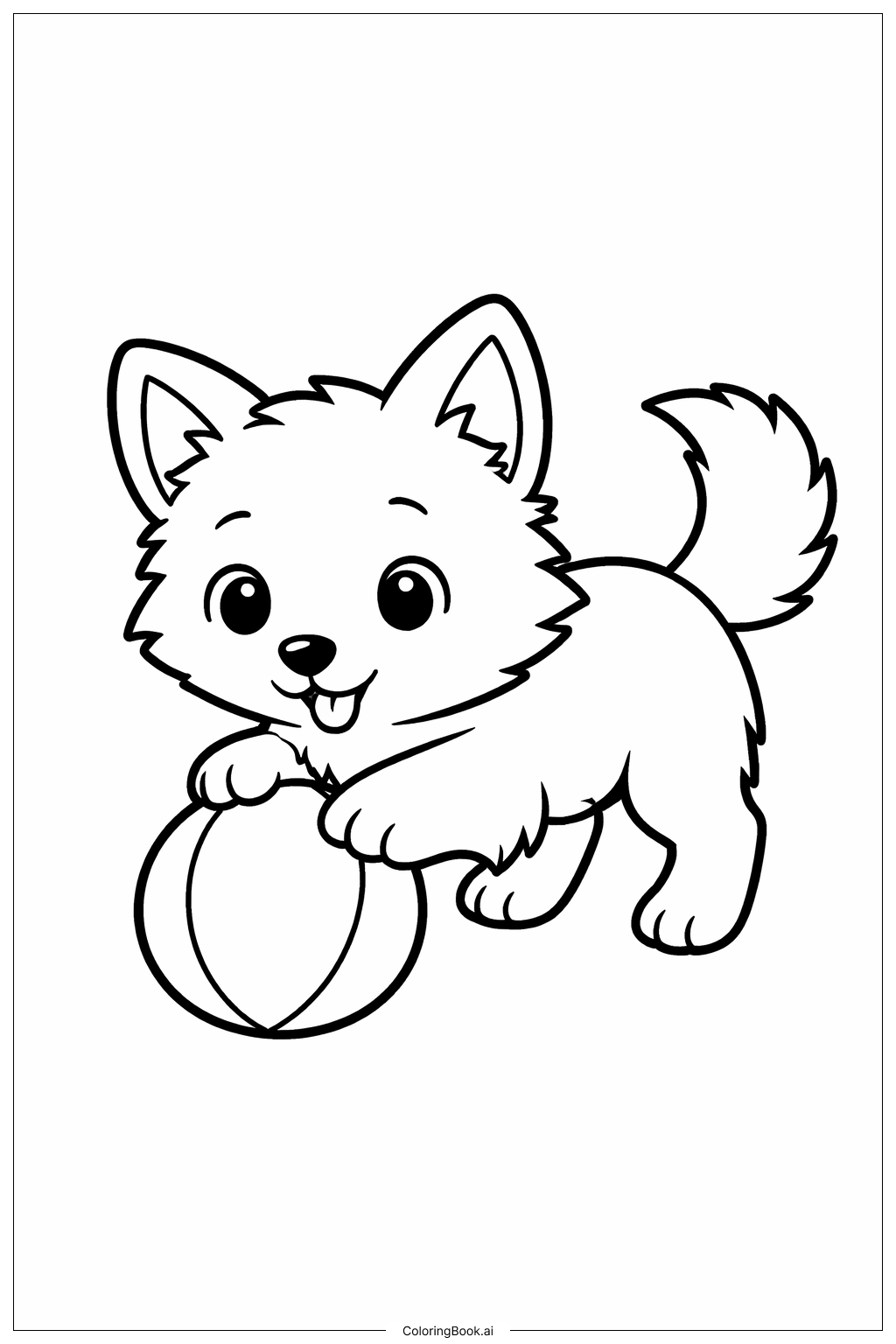
When coloring this Wolves Pup Playing Ball image, try using soft grays and browns for the wolf’s fur to create a realistic natural look. Add some lighter cream or white tones to highlight the puppy’s fluffy chest and face. The ball can be bright and colorful—red, blue, or green will make it pop and show the playful mood. For the grass or background elements, use different greens to add depth and contrast. You can also color the pup’s eyes and nose with darker shades, like black or deep brown, to give it character. Keep your strokes gentle to show the soft texture of the fur and make the pup feel warm and lively.
Coloring challenges: Which parts are difficult to color and need attention for Wolves Pup Playing Ball coloring page?
• Fur Texture Detail: Coloring the Wolves pup’s fur realistically can be challenging because it requires blending multiple shades smoothly to show softness and depth.
• Small Paw and Face Areas: The paws holding the ball and the facial features are small and detailed, needing careful coloring to avoid coloring outside the lines.
• Ball Surface: Coloring the round ball evenly while keeping a sense of light reflection and shadow to make it look three-dimensional can be tricky.
• Background Simplicity: Since the background is simple with minimal details like grass, it might be hard to add enough variation in green tones to keep it interesting without overwhelming the pup.
• Contrast Balance: Balancing colors between the pup’s mostly neutral fur tones and the vibrant ball can require planning to make sure both elements stand out clearly.
Benefits of coloring books: Advantages of drawing Wolves Pup Playing Ball coloring page
Coloring this Wolves Pup Playing Ball image helps children practice fine motor skills by carefully coloring small details like the pup’s face, paws, and the ball. It encourages creativity in choosing colors for natural elements such as the fur and grass, while also allowing freedom to brighten the ball with bold colors. This activity supports focus and patience as kids work to blend shades and keep their strokes controlled. Additionally, coloring an animal pup that is playful and happy can promote emotional connection and empathy with nature and animals. Overall, it is a fun and educational way to develop artistic skills and enjoy quiet time.