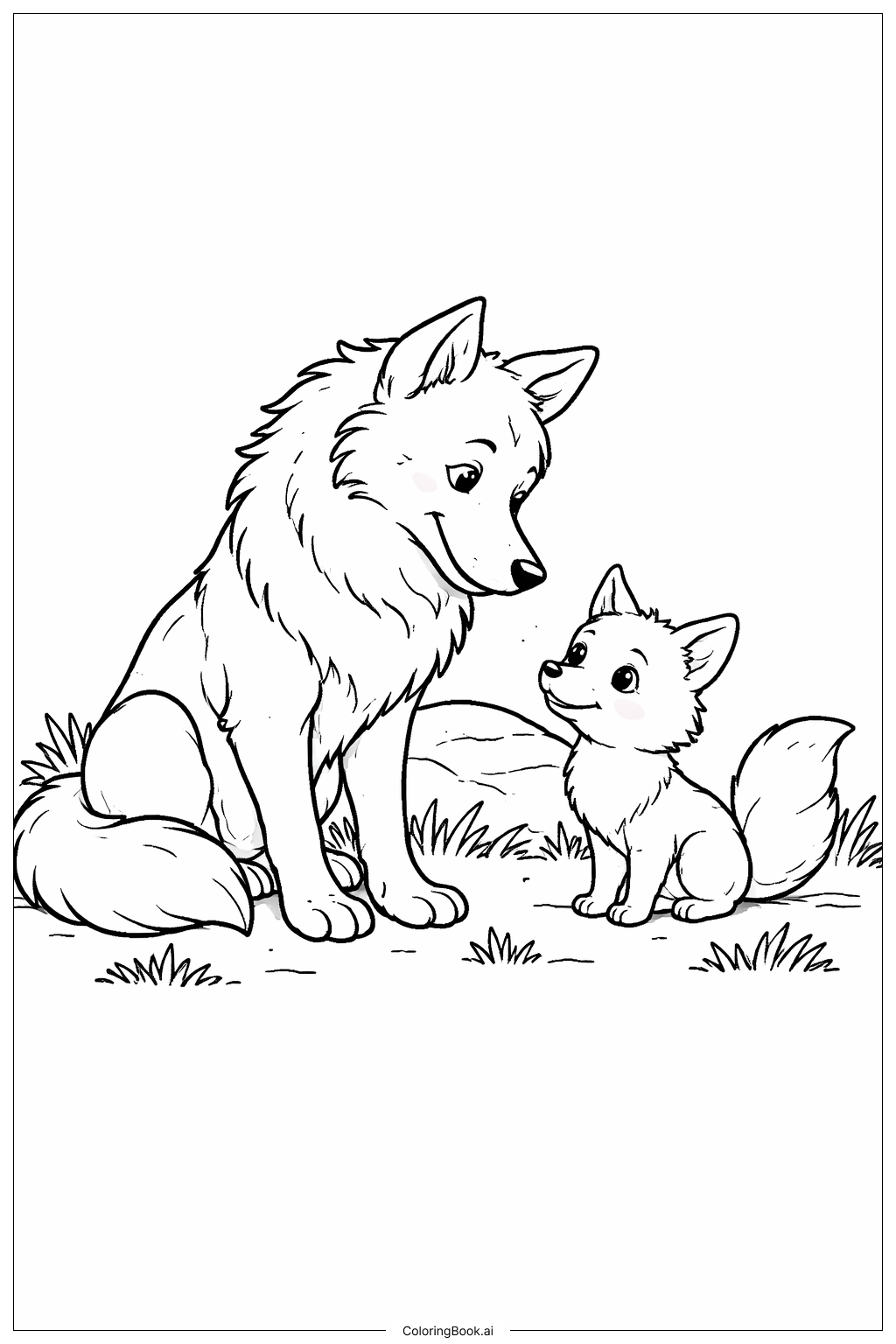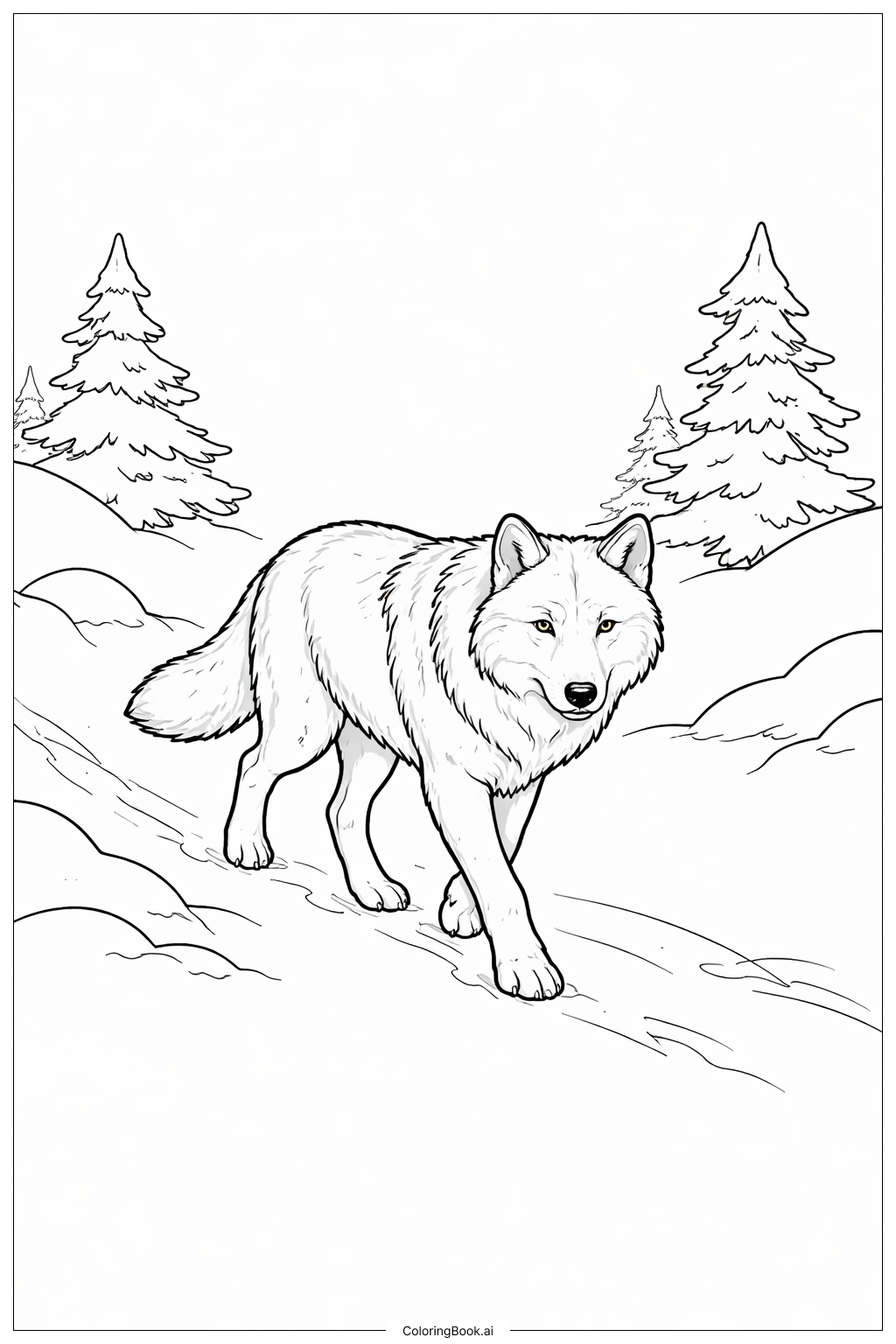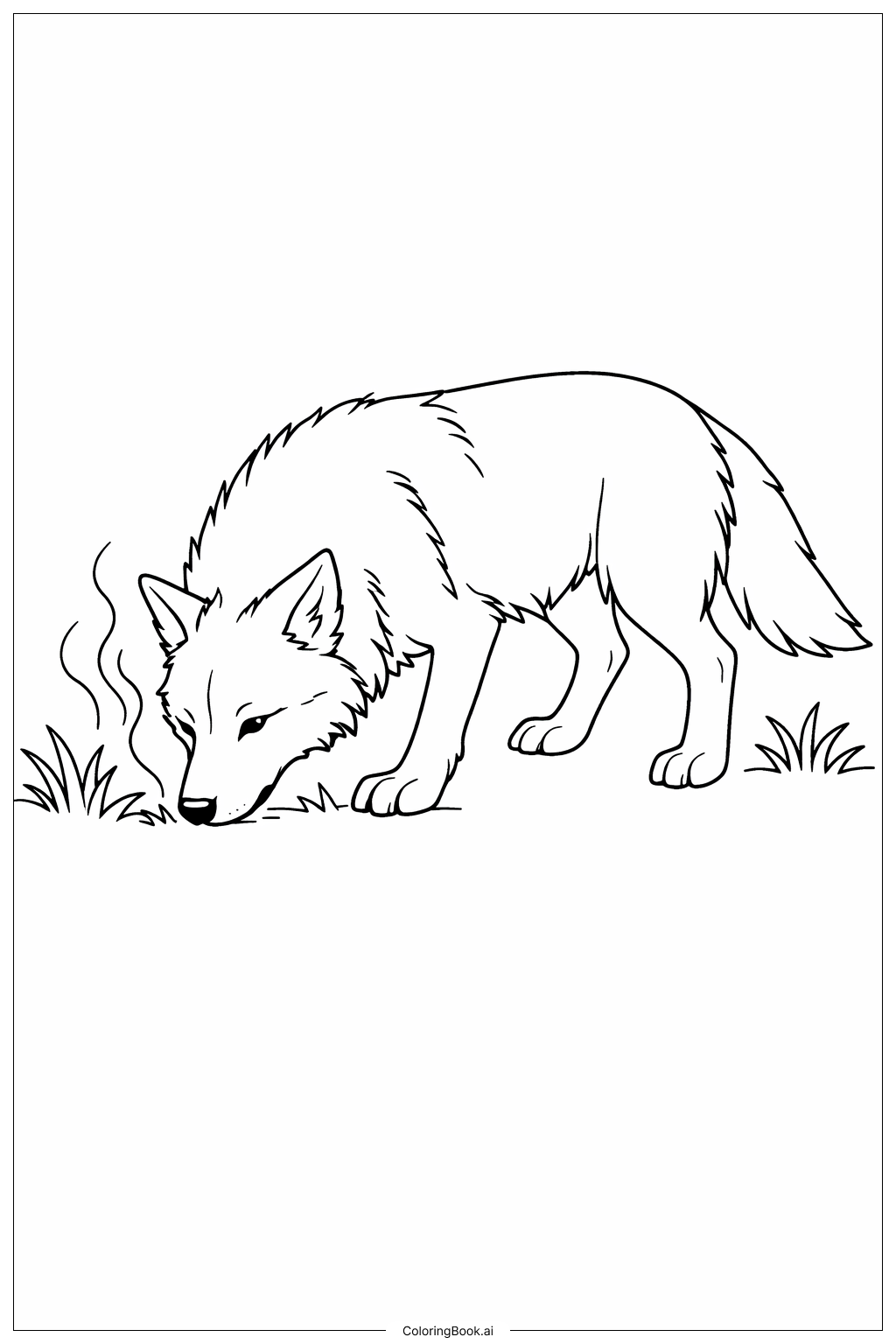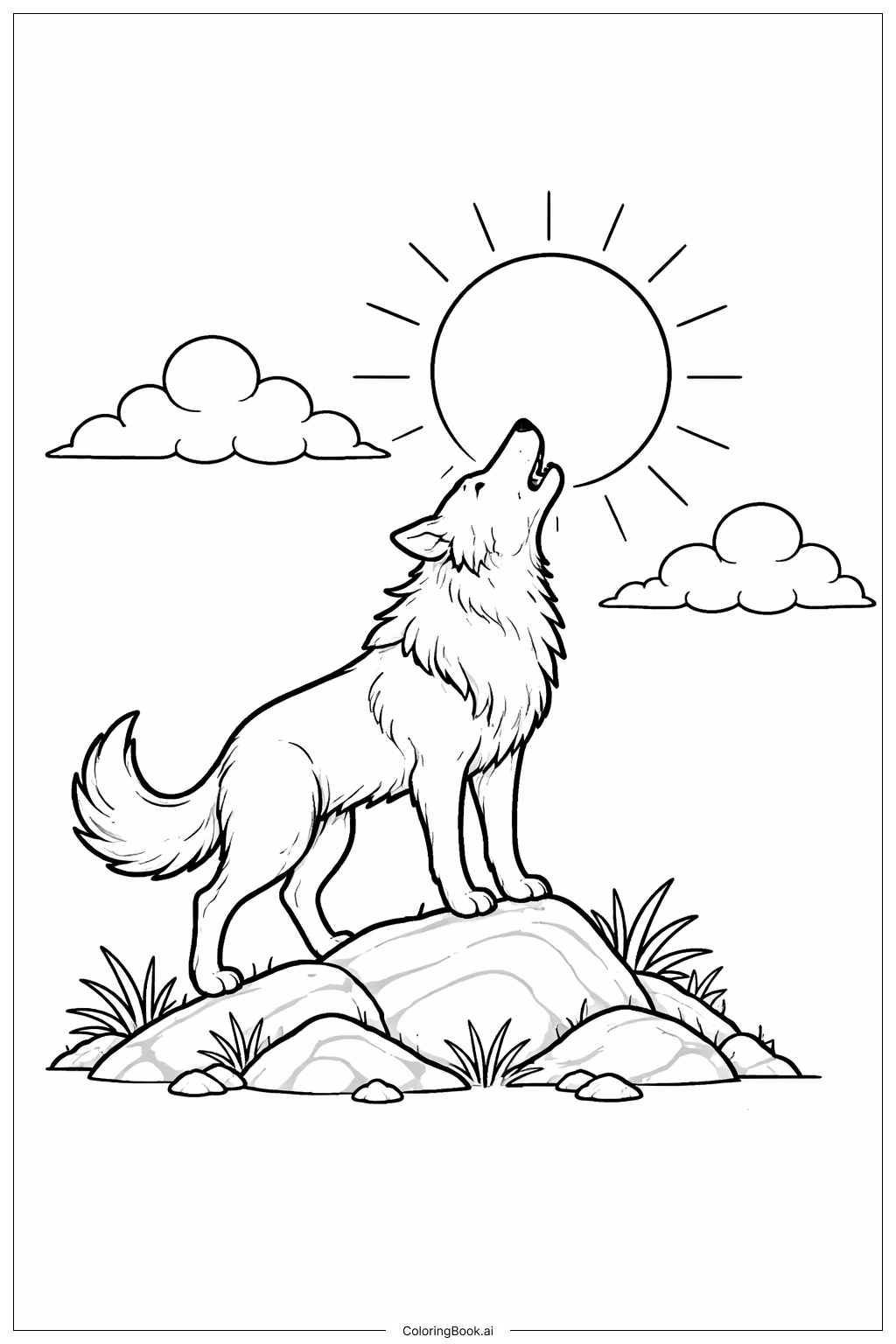
Coloring tips: How to color Wolves Near Log coloring page well?
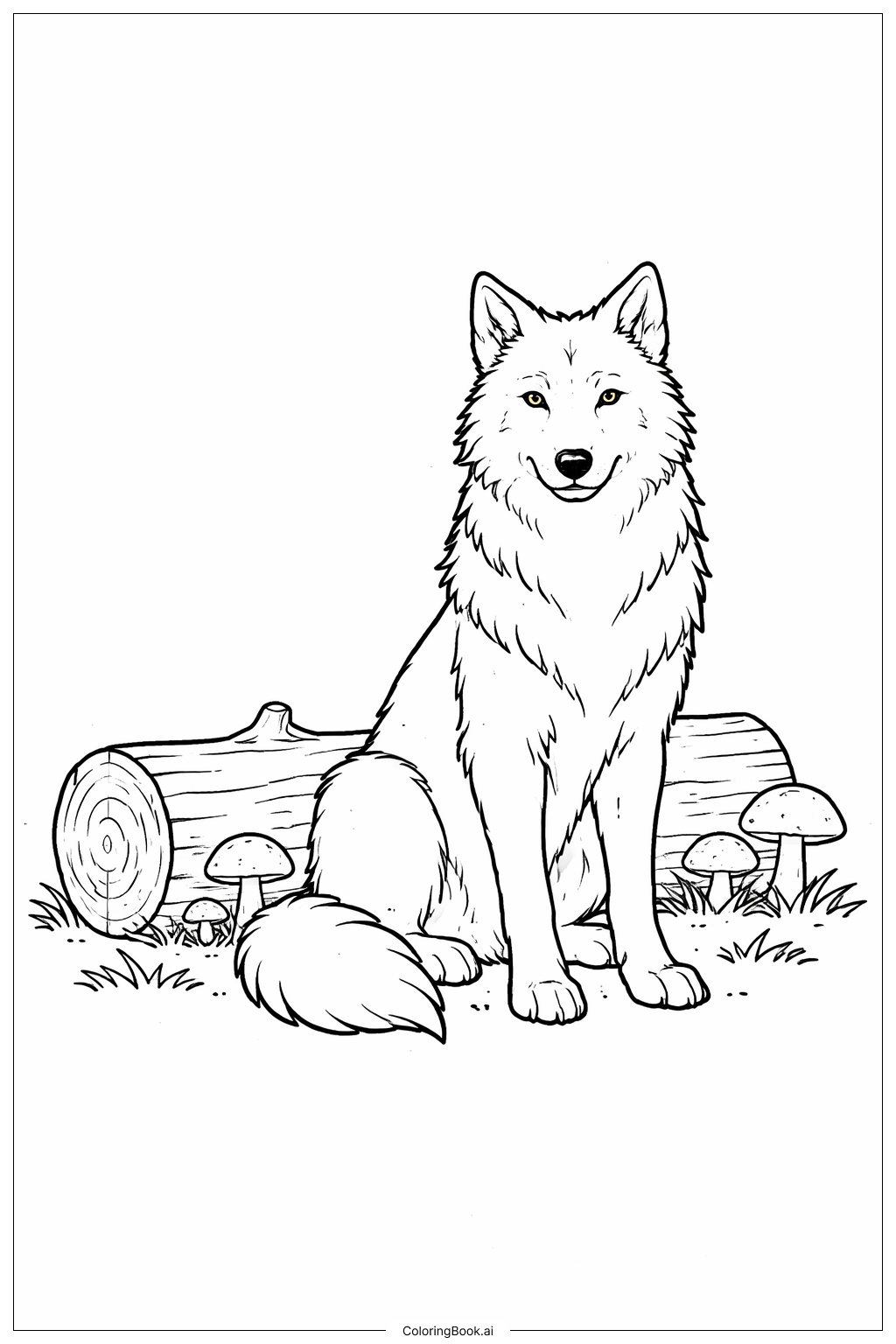
Use shades of grey or brown for the wolf to make it look natural. You can choose a darker color for the eyes and nose to make them stand out. Color the log with different browns to show the wood texture. For the grass, use green shades, and for the mushrooms, try red, orange, or yellow to add some bright spots. Don’t forget to use light and shadow effects by coloring one side darker to give depth to the wolf and the log.
Coloring challenges: Which parts are difficult to color and need attention for Wolves Near Log coloring page?
1. Fur Texture: Coloring the wolf’s thick fur can be tricky because it needs many small strokes to show its fluffiness without looking messy. 2. Wood Rings: The log’s circular wood rings require careful coloring to keep the round shape clear. 3. Shadows and Depth: Adding shadows to the wolf and log to make them look three-dimensional can be hard for beginners. 4. Mushroom Details: Mushrooms have small spots and different shapes which require attention to detail. 5. Consistent Coloring: Keeping the colors even and smooth on the wolf’s body and the background needs patience.
Benefits of coloring books: Advantages of drawing Wolves Near Log coloring page
Coloring this picture helps children learn about nature and animals, especially wolves. It encourages attention to detail as they color the wolf’s fur and the log’s rings. The mix of large and small areas improves fine motor skills. Using different colors for grass and mushrooms helps kids understand color choices and creativity. Overall, it is a fun way to develop focus, hand-eye coordination, and a love for wildlife.