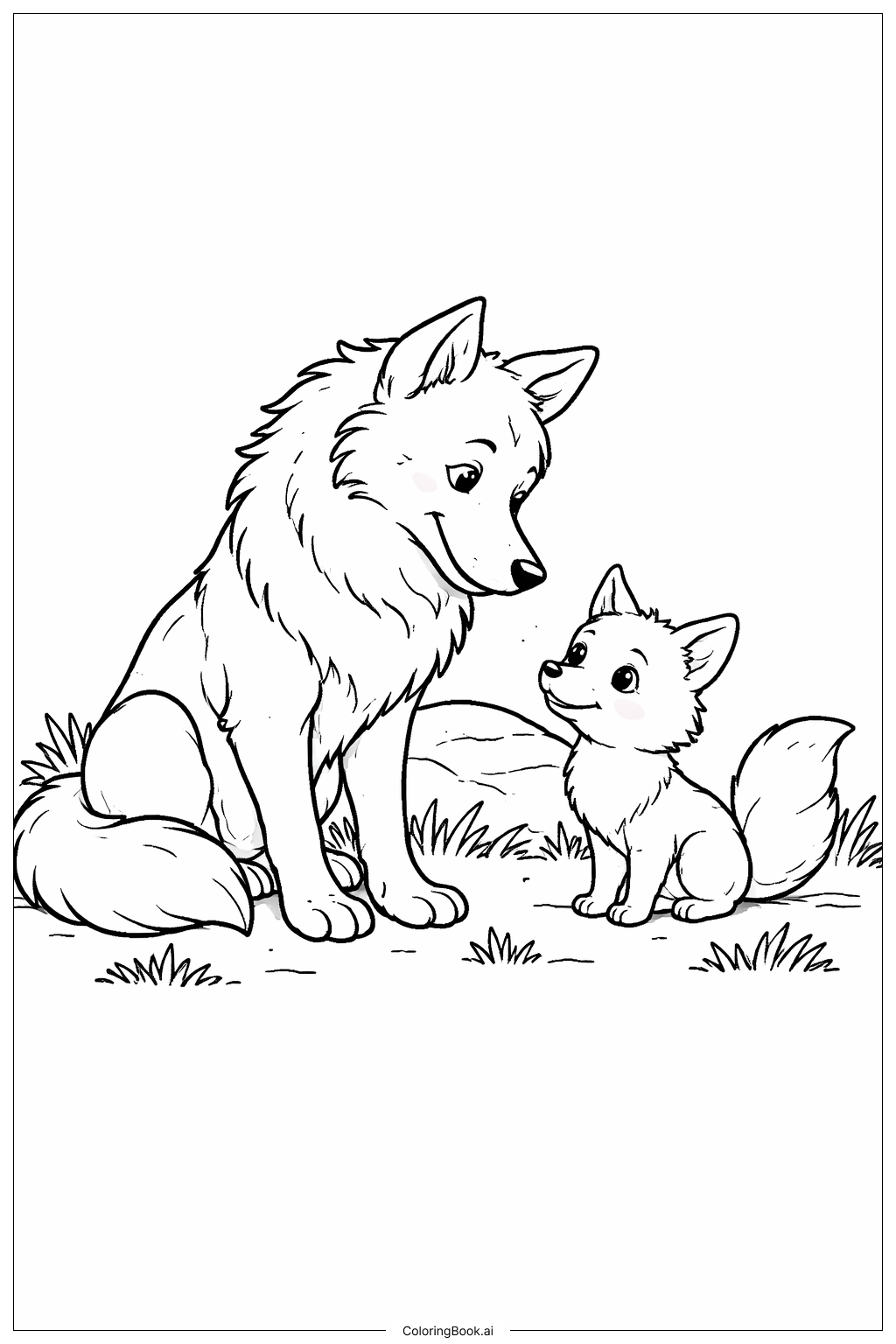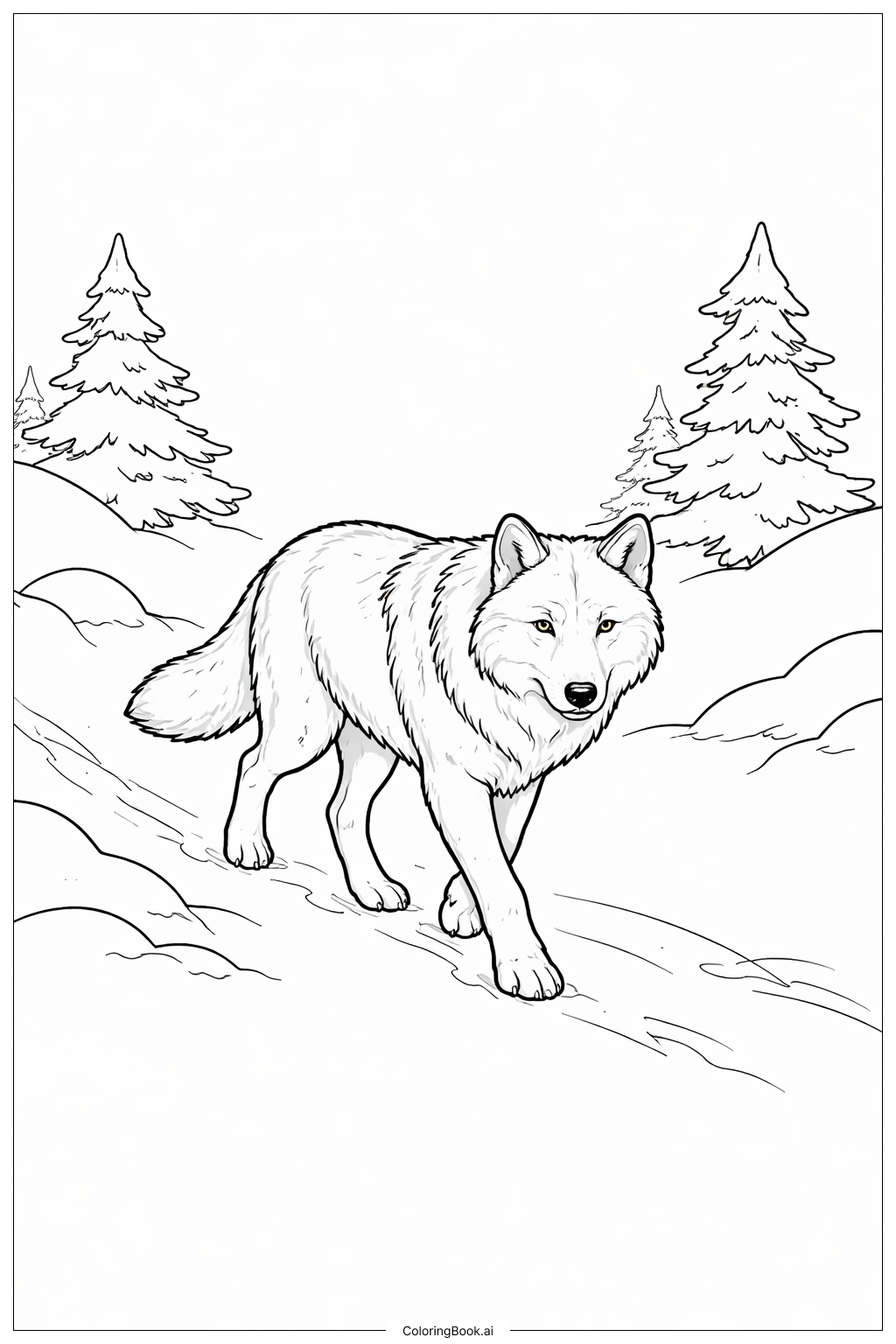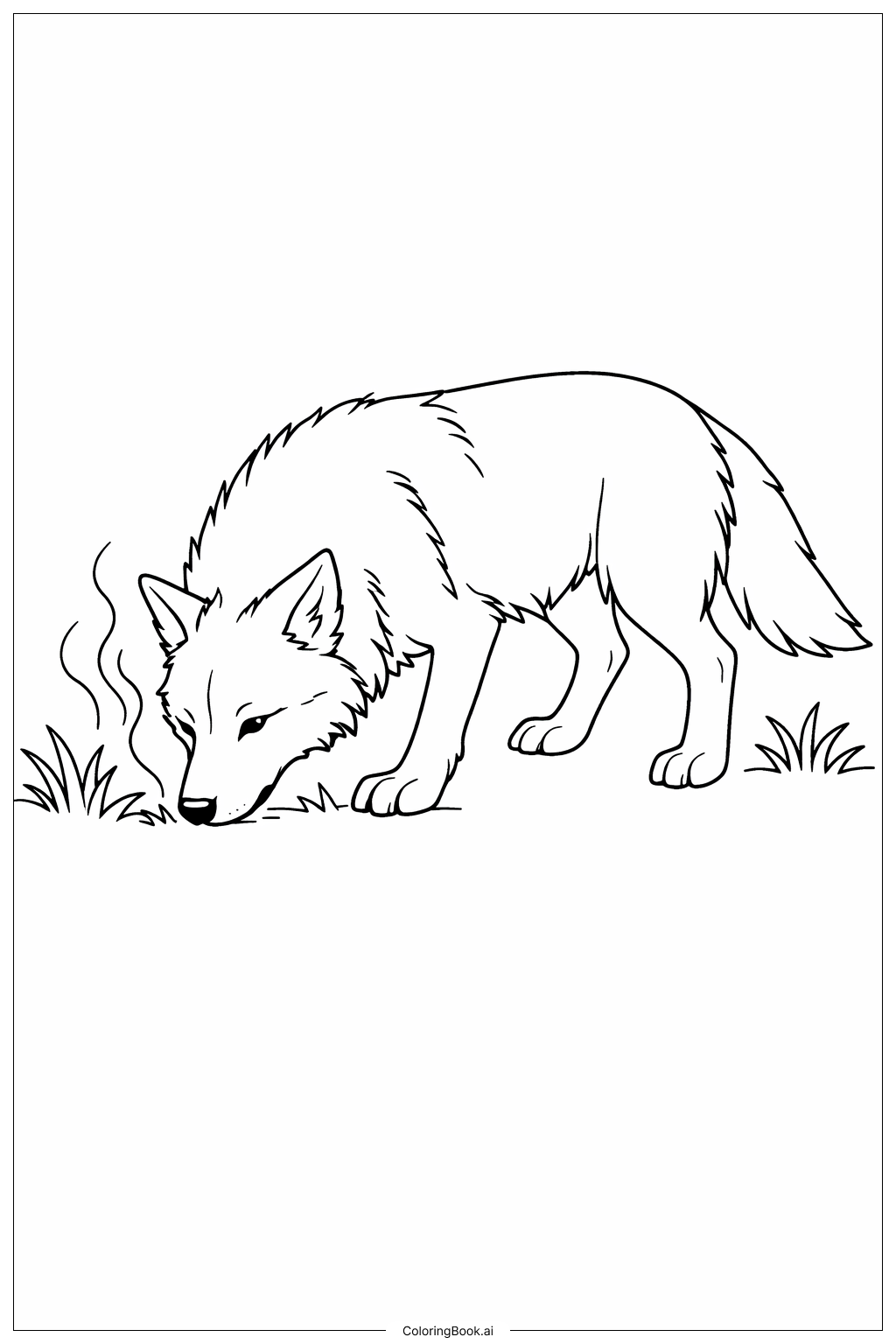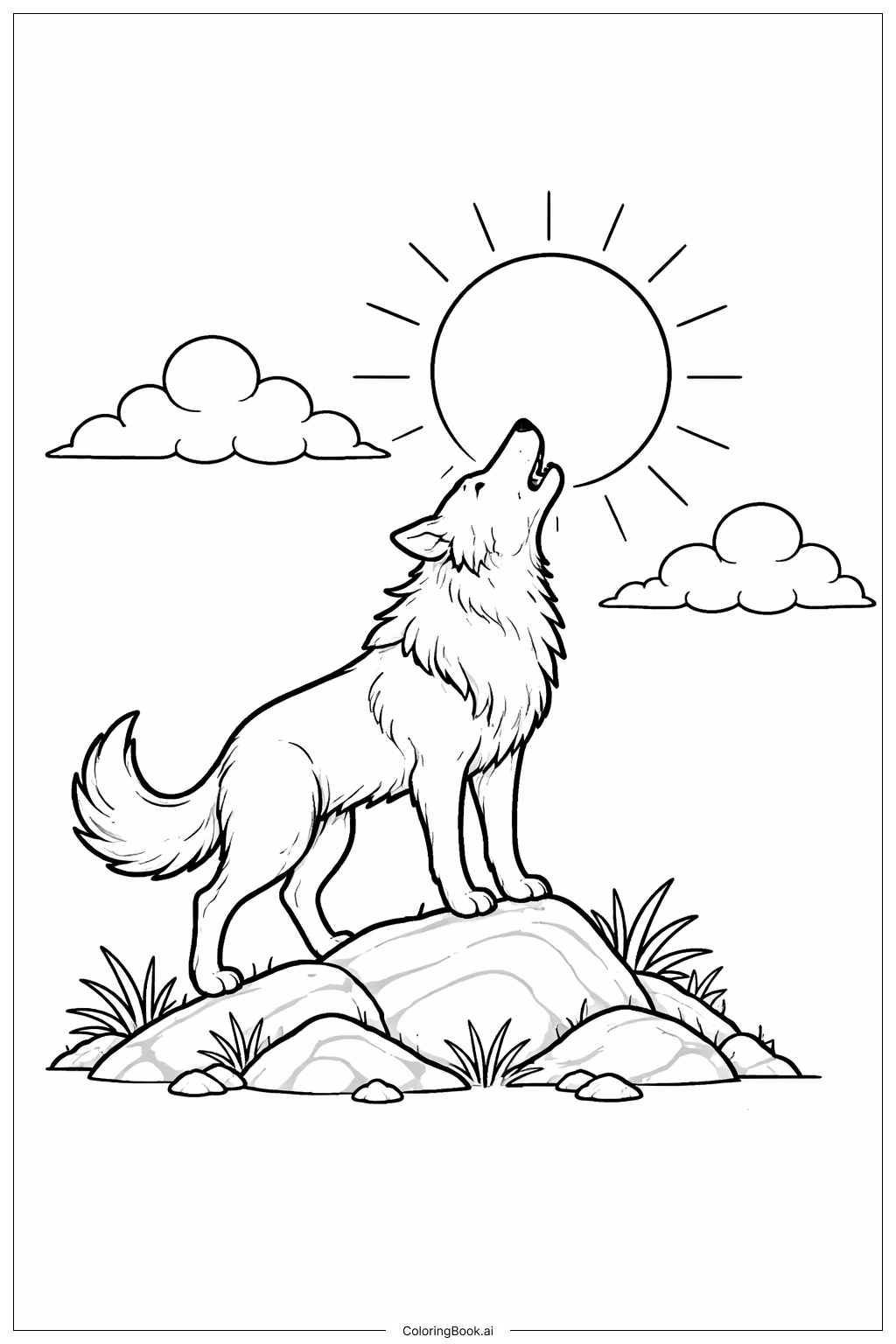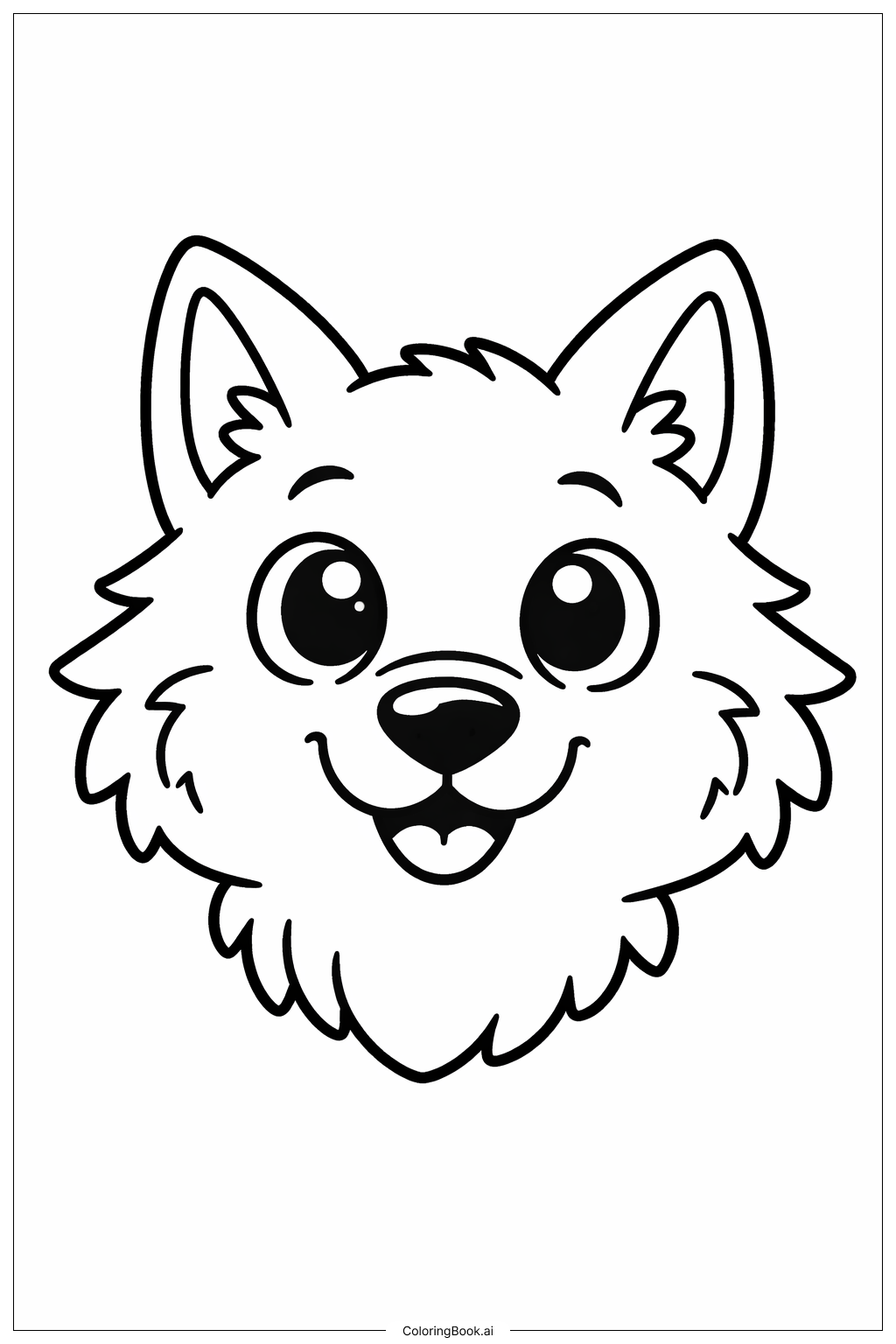
Coloring tips: How to color Wolves Face CloseUp coloring page well?
Use different shades of gray, white, and light brown for the wolf's fur to make it look soft and fluffy. You can color the ears with a lighter shade inside and a darker shade outside. Color the eyes black with white spots to make them shiny and lively. For the nose, use black or dark brown. The tongue can be colored pink or red. Try blending colors gently to add depth and texture to the fur. Don’t be afraid to use your imagination and add some bright colors if you like!
Coloring challenges: Which parts are difficult to color and need attention for Wolves Face CloseUp coloring page?
1. Coloring the fluffy fur evenly can be tricky because of the many small details and shapes around the cheeks and ears.
2. Adding depth to the eyes requires careful coloring so they look bright and shiny without going outside the lines.
3. The small area inside the ears and nose needs careful coloring with a steady hand.
4. Blending different shades to make the fur look natural might be hard for younger children.
5. Keeping the smile area clean and coloring around it without overlapping requires attention to detail.
Benefits of coloring books: Advantages of drawing Wolves Face CloseUp coloring page
Coloring this wolf picture helps improve focus and fine motor skills. It encourages children to practice staying inside the lines and using different colors carefully. The simple but detailed design invites creativity, helping kids think about how to mix colors to create texture. It also teaches patience and perseverance because some areas need gentle and careful coloring. Most importantly, it provides a fun way to learn about wolves and appreciate wildlife.