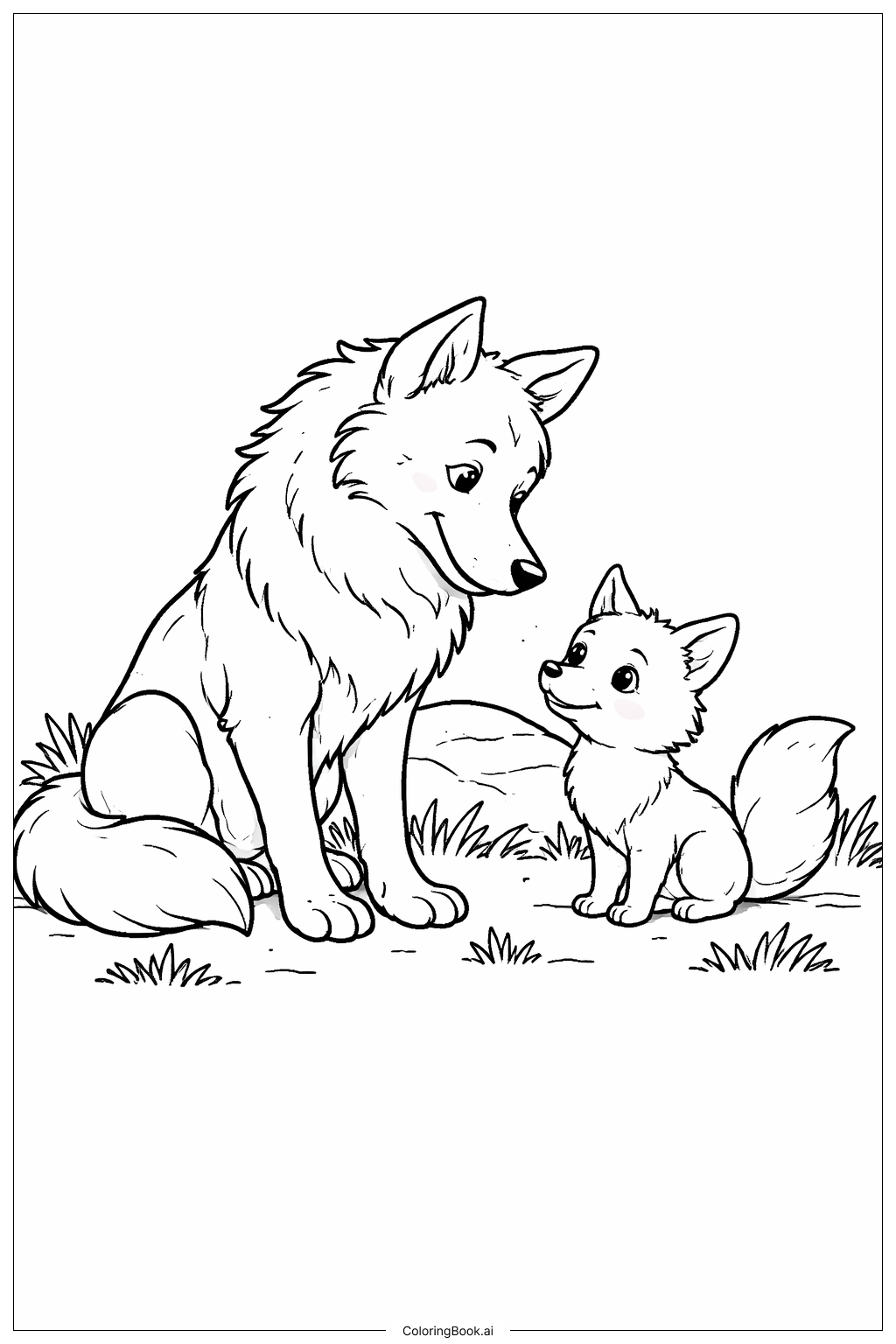
Coloring tips: How to color Happy Baby Wolves coloring page well?
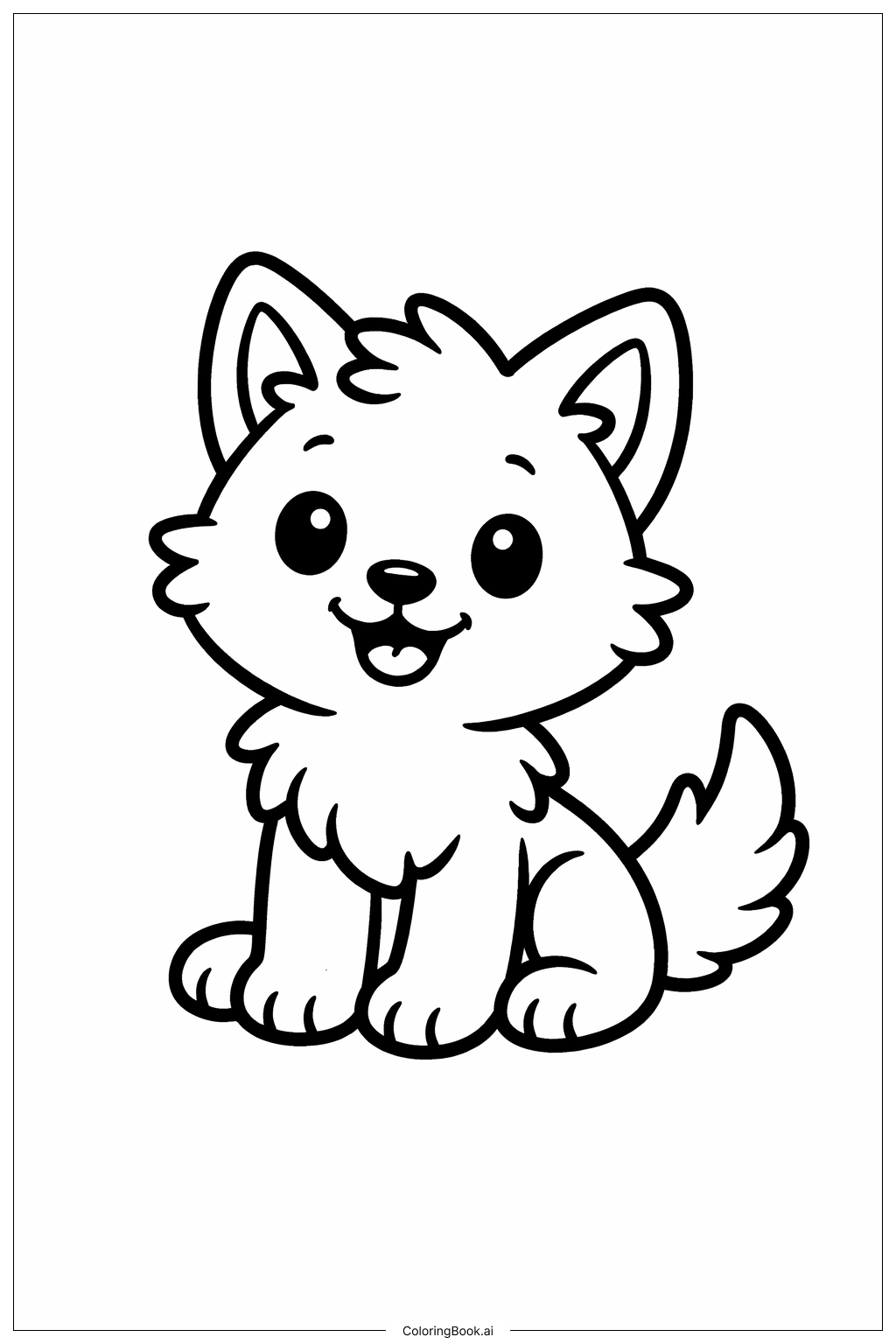
For this image, try using different shades of gray and brown for the baby wolves’ fur to make each one unique. You can add white highlights to show softness and fluffiness. The grass can be colored in fresh greens, with hints of yellow or light green to show sunlight. For the flowers, use bright colors like red, yellow, or purple to add cheerful spots of color. The wolves’ eyes can be colored amber, brown, or even a deep blue for a magical touch. Don’t forget their noses and the inside of their ears, which can be pink or dark gray. Use light blues or soft blues in the background if you want to suggest a clear, sunny day.
Coloring challenges: Which parts are difficult to color and need attention for Happy Baby Wolves coloring page?
• Fur Texture: Capturing the fluffy and soft look of the baby wolves’ fur can be tricky. It requires gentle strokes and blending of light and dark shades to create depth and realism.
• Facial Features: The wolves’ eyes, noses, and mouths are small but important for showing emotion. Coloring these details carefully is necessary to keep their cheerful expressions clear.
• Overlapping Shapes: Some wolves’ paws, tails, and bodies overlap, which makes staying within the correct lines challenging for younger colorists.
• Natural Background: Coloring the grass and leaves while keeping them distinct yet realistic demands attention to shades of green and layering.
• Small Details: Tiny flowers and grass blades require fine motor control and patience to color without going outside the lines.
Benefits of coloring books: Advantages of drawing Happy Baby Wolves coloring page
Coloring this image helps improve fine motor skills as children carefully color small areas like the wolves’ faces and tiny flowers. It encourages creativity in choosing colors for the wolves and the natural surroundings. Through shading and blending, colorists learn about light and shadow, which enhances artistic skills. Coloring animals also boosts empathy by connecting kids to nature and wildlife. Additionally, the happy expressions of the baby wolves can promote positive emotions and reduce stress, making this activity both fun and calming.