Coloring tips: How to color Whale Migrating in Ocean-2 coloring page well?
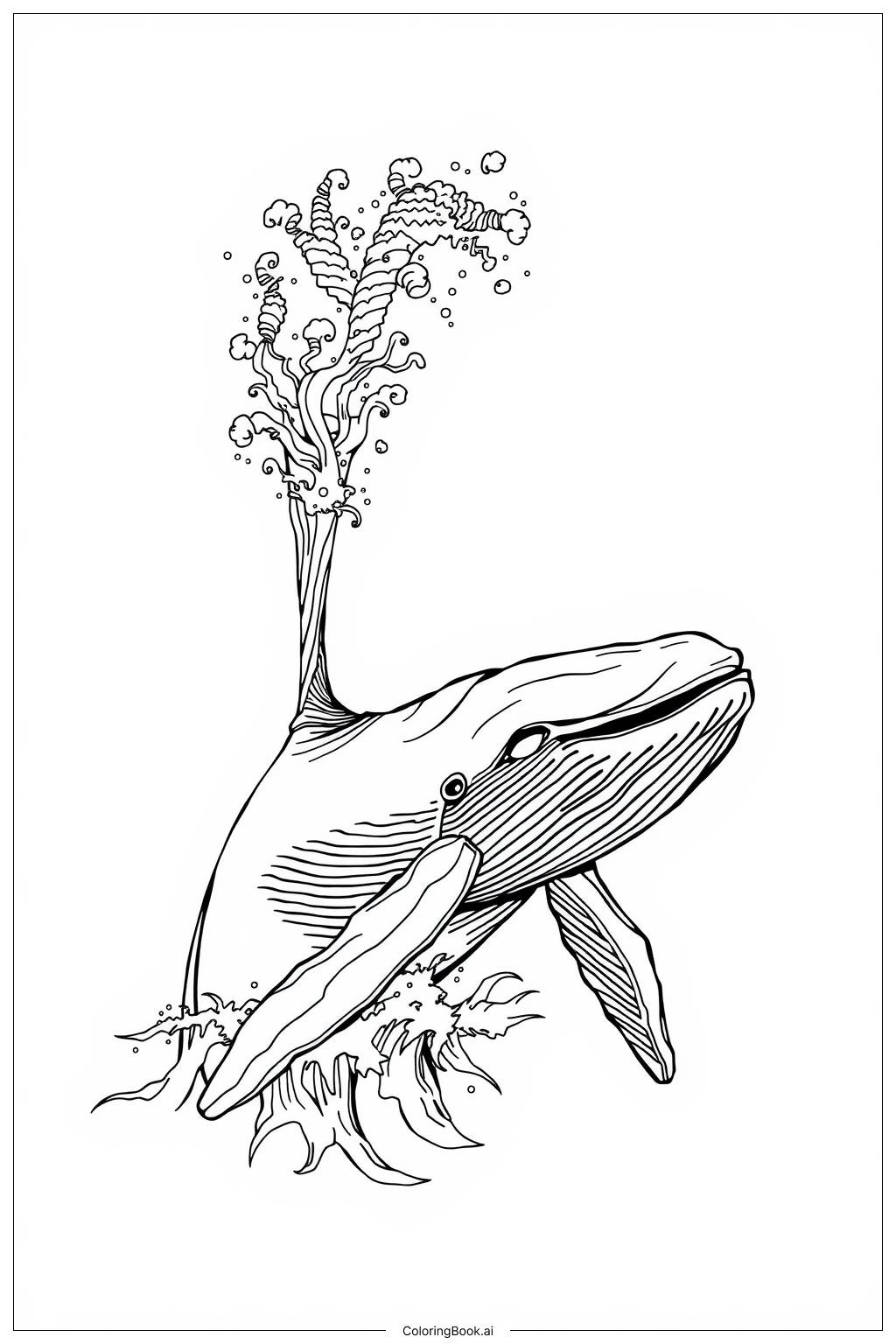
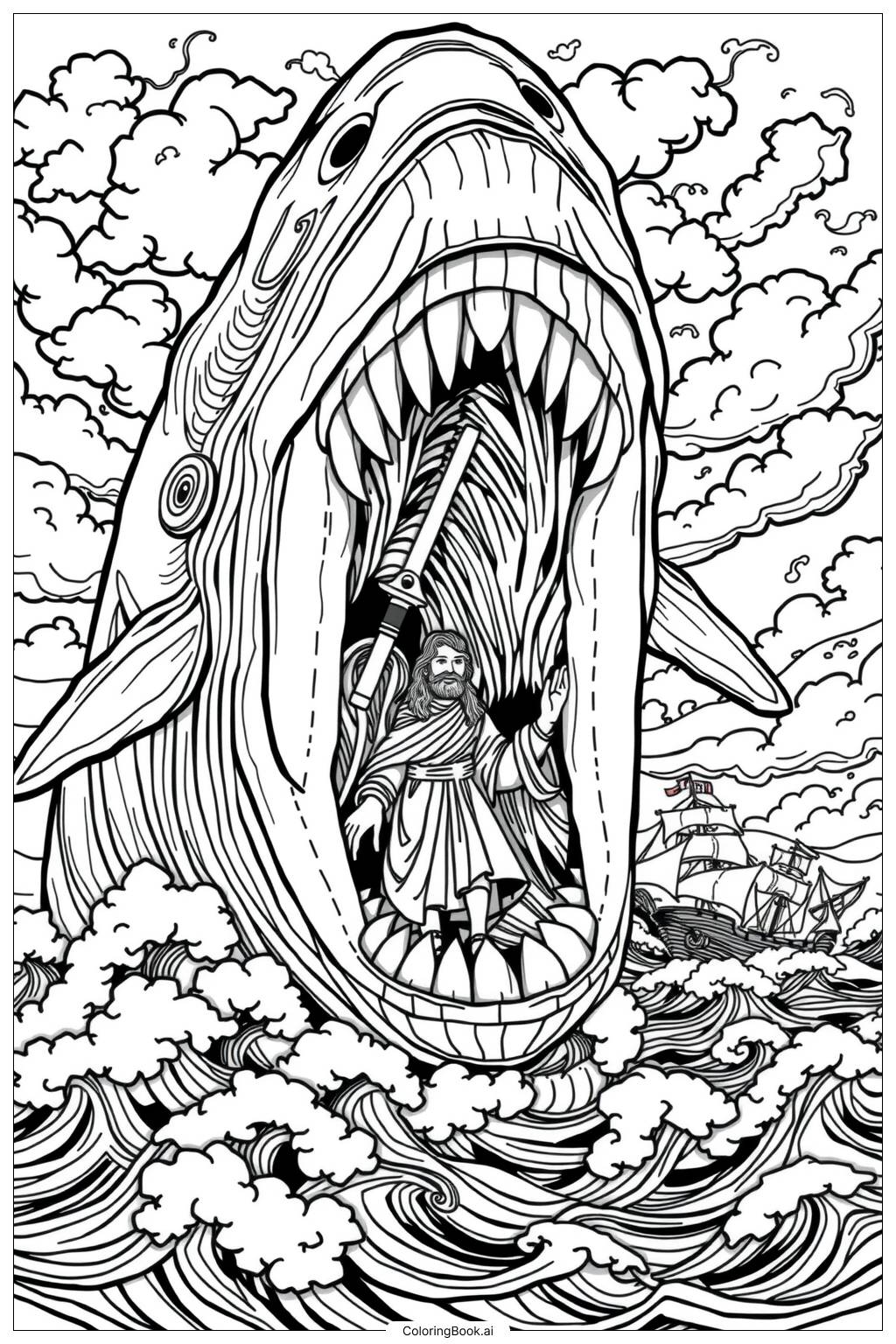
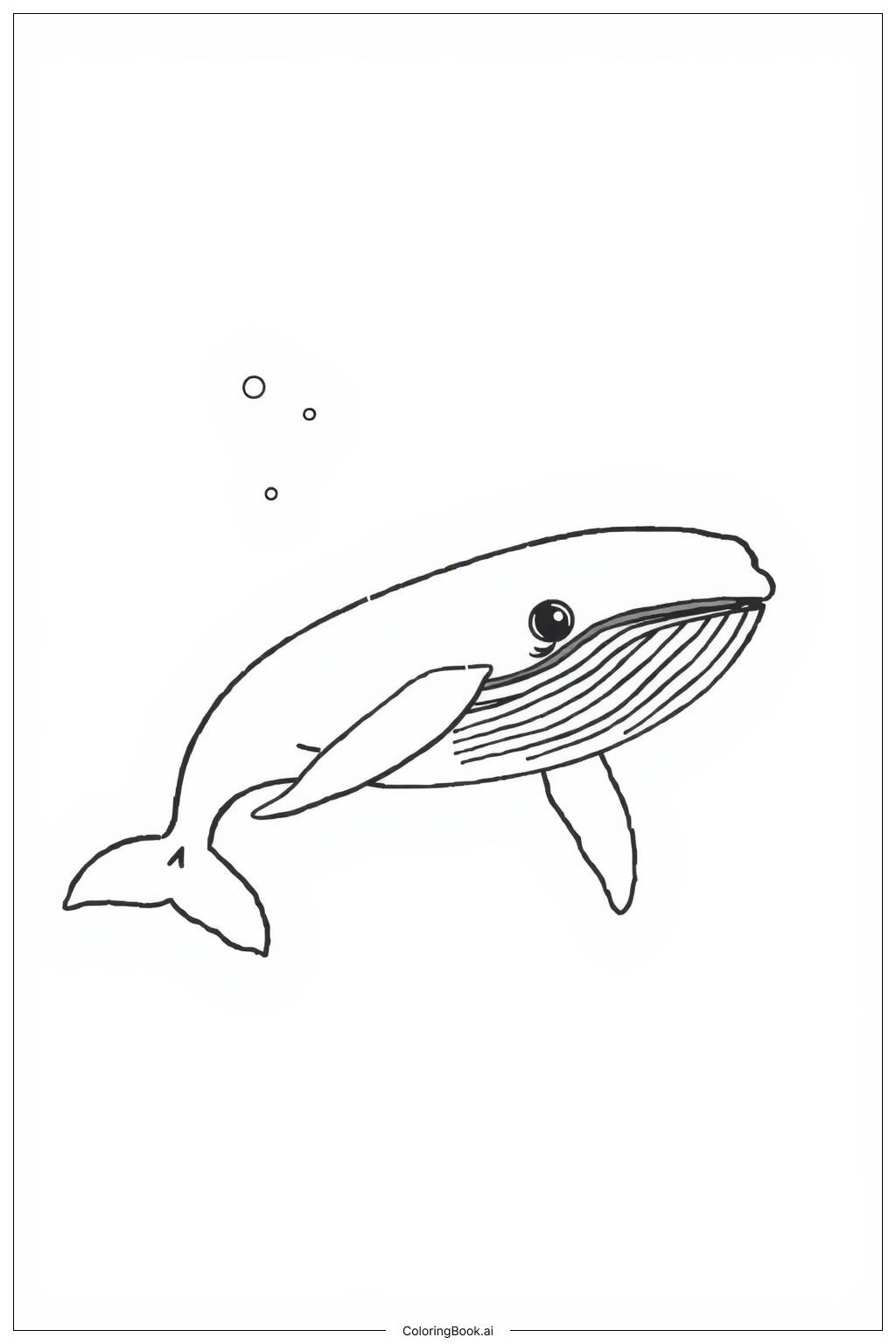
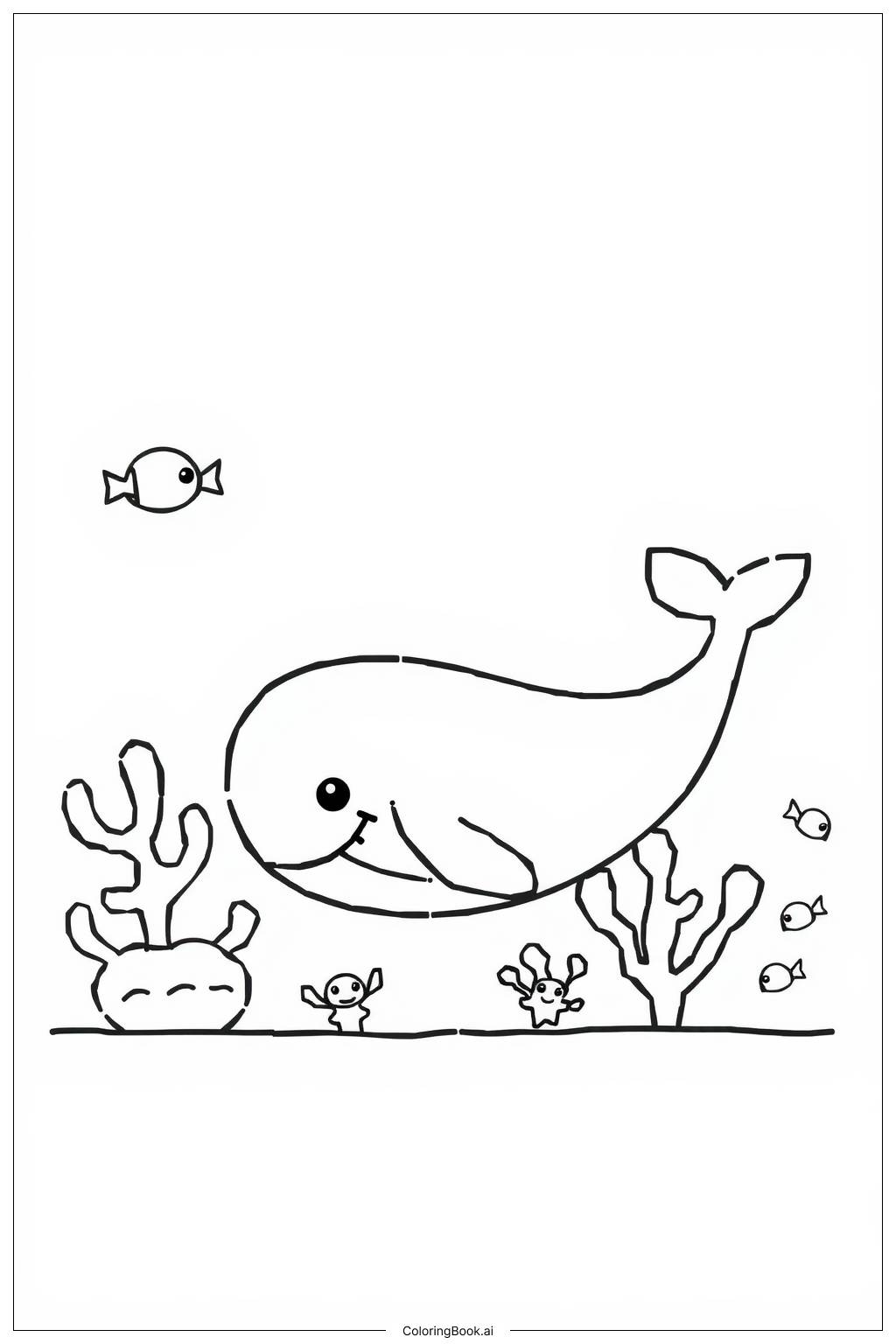
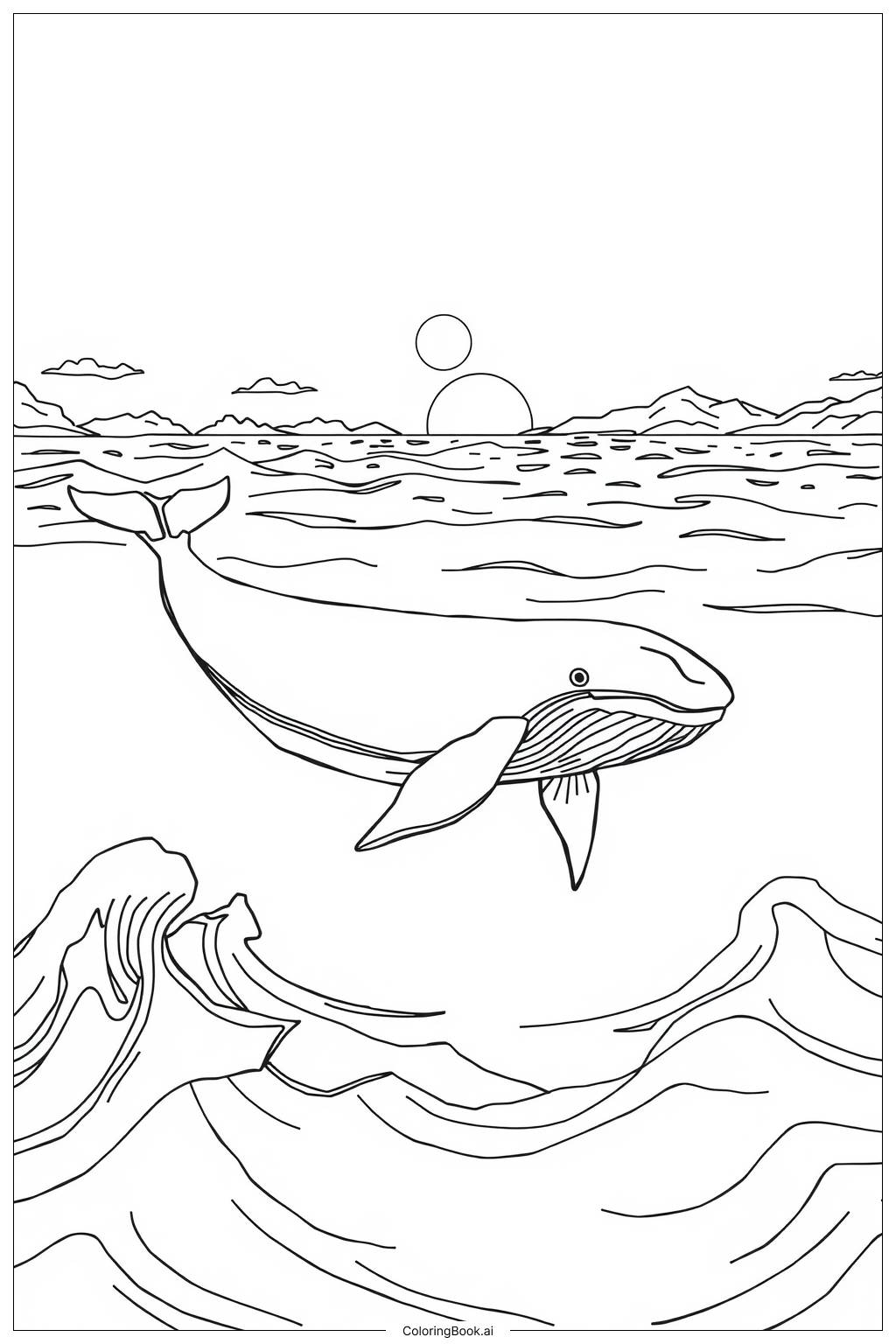
For coloring this image, try using different shades of blue to bring the ocean to life. You can use light blue and turquoise for the water near the surface, and darker blues for deeper parts. The whale’s body can be colored in grays and blues, with lighter tones on its underside to match real whale colors. Use some white or very pale blue to show the splashes of water and waves around the whale. Add some bright colors like orange or yellow to the small fish to make them stand out. Remember to color smoothly to show the whale’s smooth skin and the calm ocean water. This coloring page is perfect for experimenting with blending ocean colors.
Coloring challenges: Which parts are difficult to color and need attention for Whale Migrating in Ocean-2 coloring page?
• Whale Body Texture: Coloring the whale’s large, smooth body evenly can be challenging as you want to show shading without making it look flat. Using gradual color changes is important. • Ocean Waves: The waves around the whale have different shapes and sizes that can be tricky to color realistically. Capturing the feeling of moving water requires attention to light and shadow. • Small Details: Tiny elements like the fish and bubbles need careful coloring to avoid losing them in bigger areas of color. • Color Contrast: Balancing the contrast between the whale and the ocean background is challenging since many colors overlap in blue and gray tones. • Large Areas: The whale and ocean cover broad areas that may feel tiring to color, especially staying consistent and neat around the edges.
Benefits of coloring books: Advantages of drawing Whale Migrating in Ocean-2 coloring page
Coloring this whale migration image helps improve focus and attention to detail, as children need to carefully choose shades for the whale and water. It encourages creativity by allowing them to blend different blues and grays to create a realistic ocean scene. The theme introduces young learners to marine life and natural animal behavior, making it educational as well. Coloring large animals like whales can also develop fine motor skills through careful movement in broad and curved spaces. Overall, this activity supports relaxation and patience while fostering an appreciation for the beauty of nature.