Coloring tips: How to color Whale Spouting Water coloring page well?
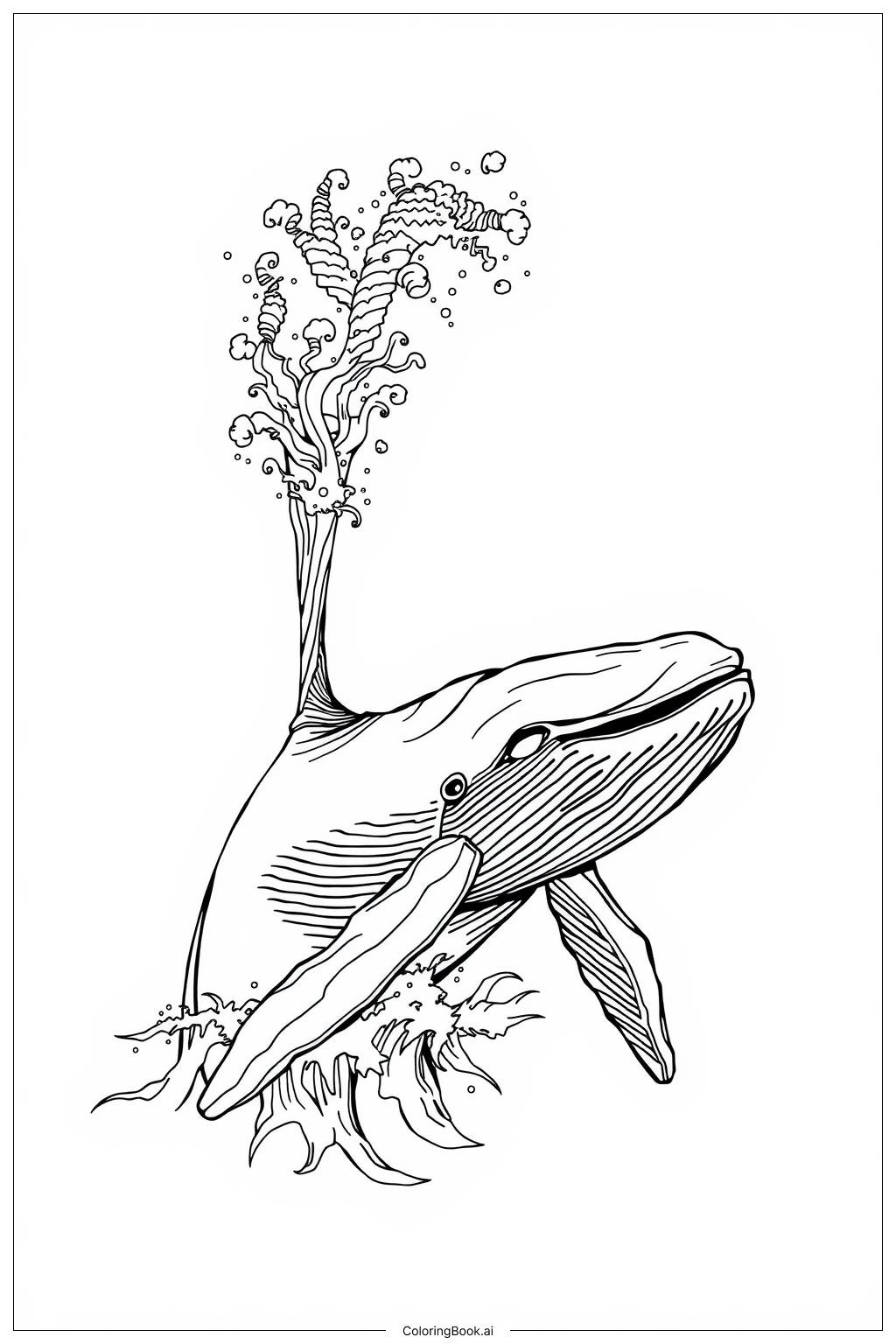
Try using shades of blue and gray for the whale’s body to show its smooth skin. You can add light highlights with white or very pale gray to make the whale look shiny and wet. For the spouting water, use different tones of blue and maybe a bit of light gray or white to show the spray and bubbles. The ocean waves can be colored in blue shades with some light reflections using white or silver. You could also add some green hints to the water to make it more natural. Keep the colors soft and blended for the sea, while the whale can be darker to stand out.
Coloring challenges: Which parts are difficult to color and need attention for Whale Spouting Water coloring page?
• Water Spray Detail: Coloring the spout of water is tricky because it includes many small splashes and bubbles that need gentle shading to appear realistic without overpowering the whale. • Smooth Surface: The whale’s skin is smooth and shiny, so showing these reflections requires careful blending of light and dark colors to avoid making the whale look flat. • Wave Motion: Capturing the motion of the ocean waves around the whale calls for varied blue tones and fine lines to make the water look lively but not messy. • Size and Proportion: Keeping the whale’s large body proportions correct within the image helps maintain realism and balance in the composition. • Contrast Management: Balancing dark shades on the whale with lighter water colors is essential to keep both elements clear and visually appealing.
Benefits of coloring books: Advantages of drawing Whale Spouting Water coloring page
Coloring this image helps develop fine motor skills by encouraging careful shading of the water spray and smooth blending on the whale’s body. It also improves attention to detail, as you must observe tiny splashes and subtle highlights. Children learn to work with contrasts by differentiating between the dark whale and light water. This activity invites creativity in choosing natural ocean colors and experimenting with blending techniques. Additionally, it promotes relaxation and mindfulness as you immerse in a calming underwater scene, fostering both artistic skills and a love for marine life.