Coloring tips: How to color Whale Diving Deep coloring page well?
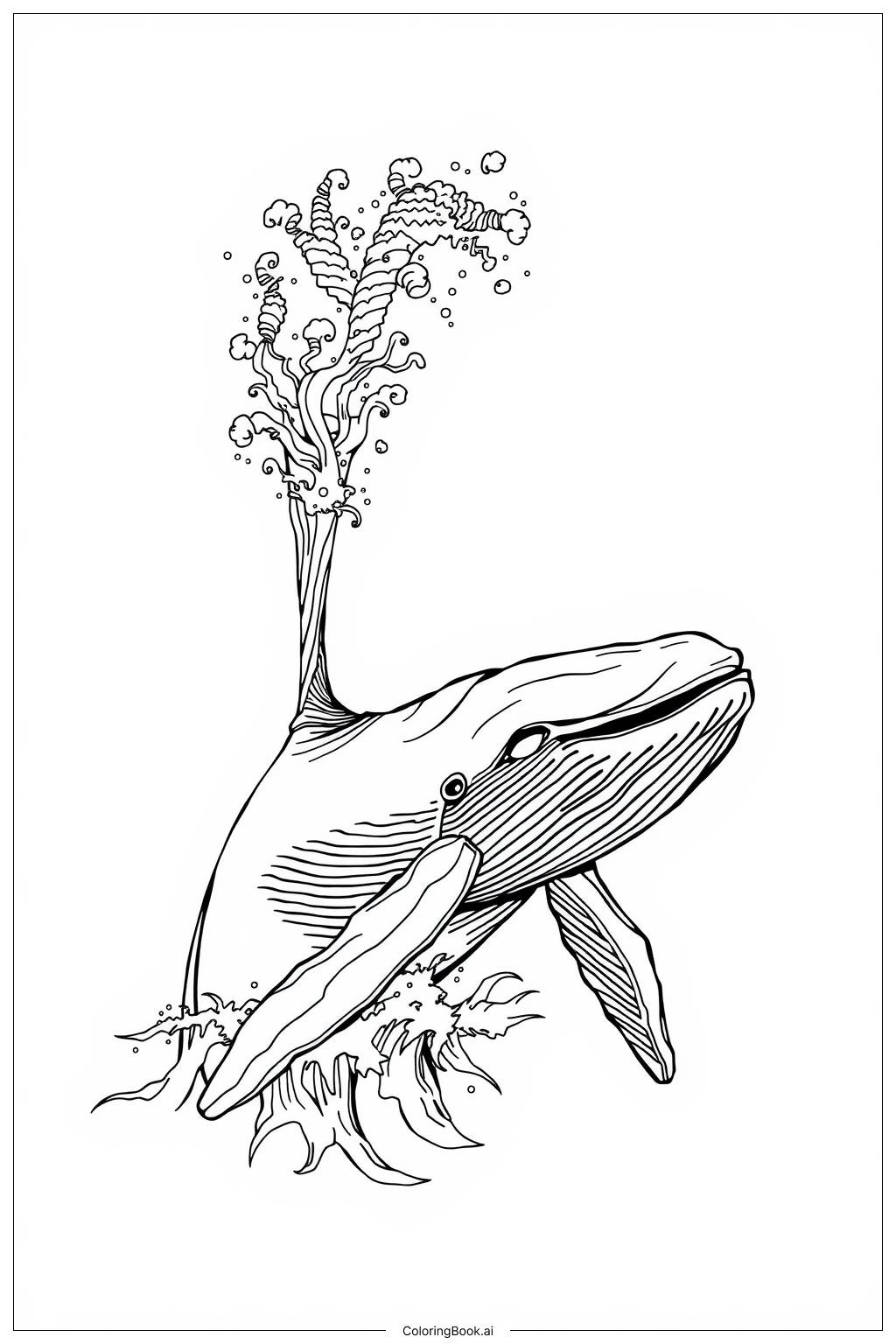
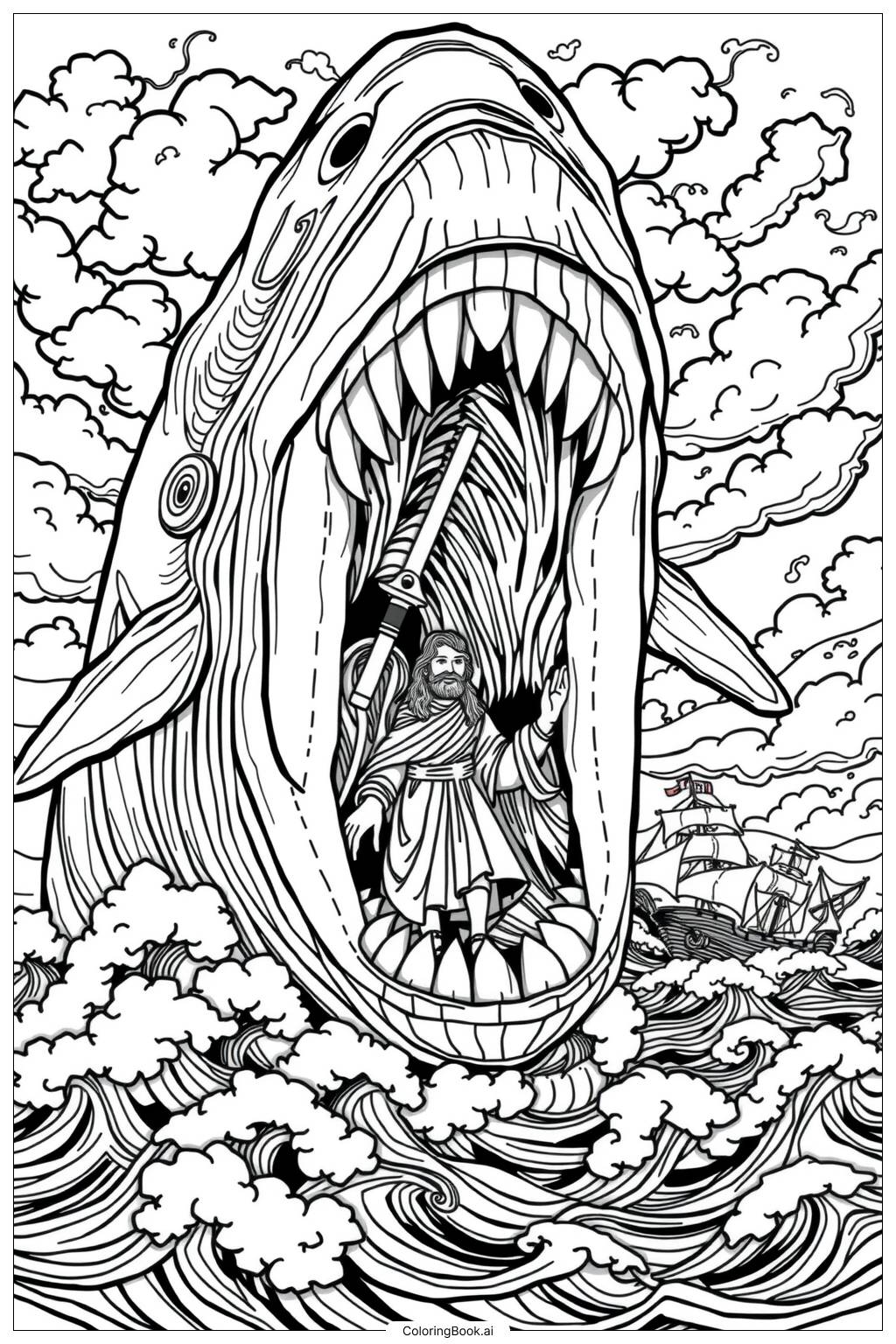
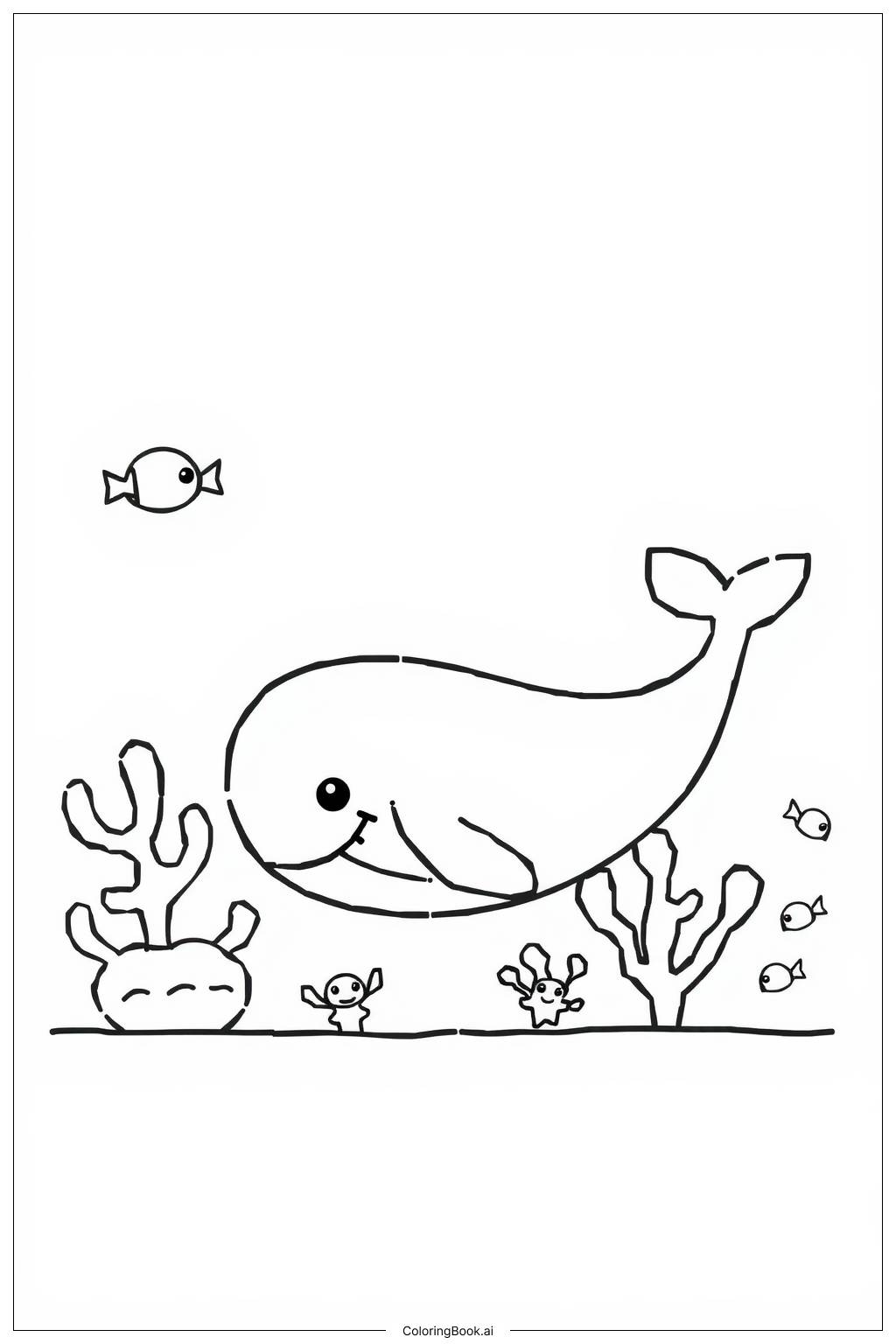
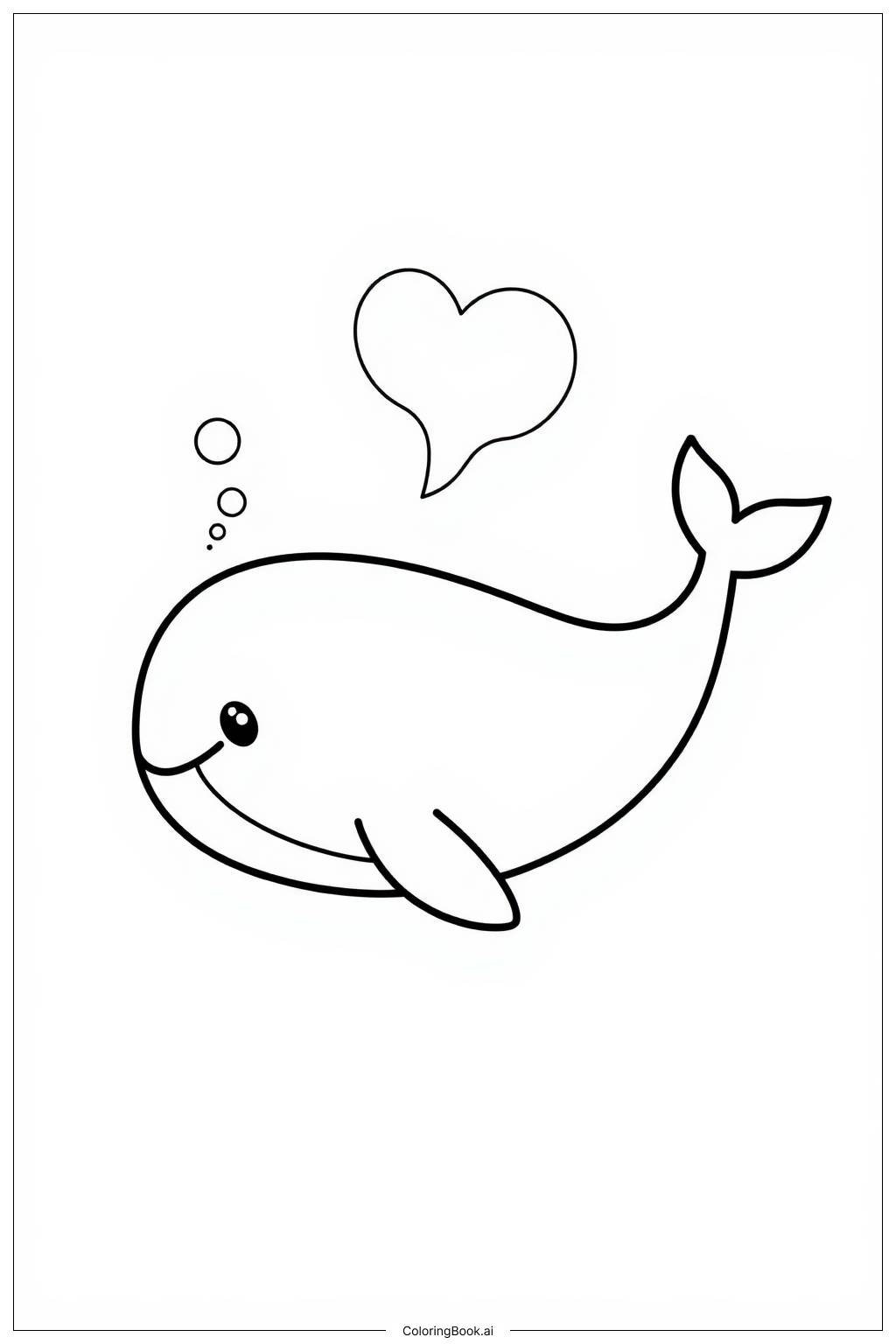
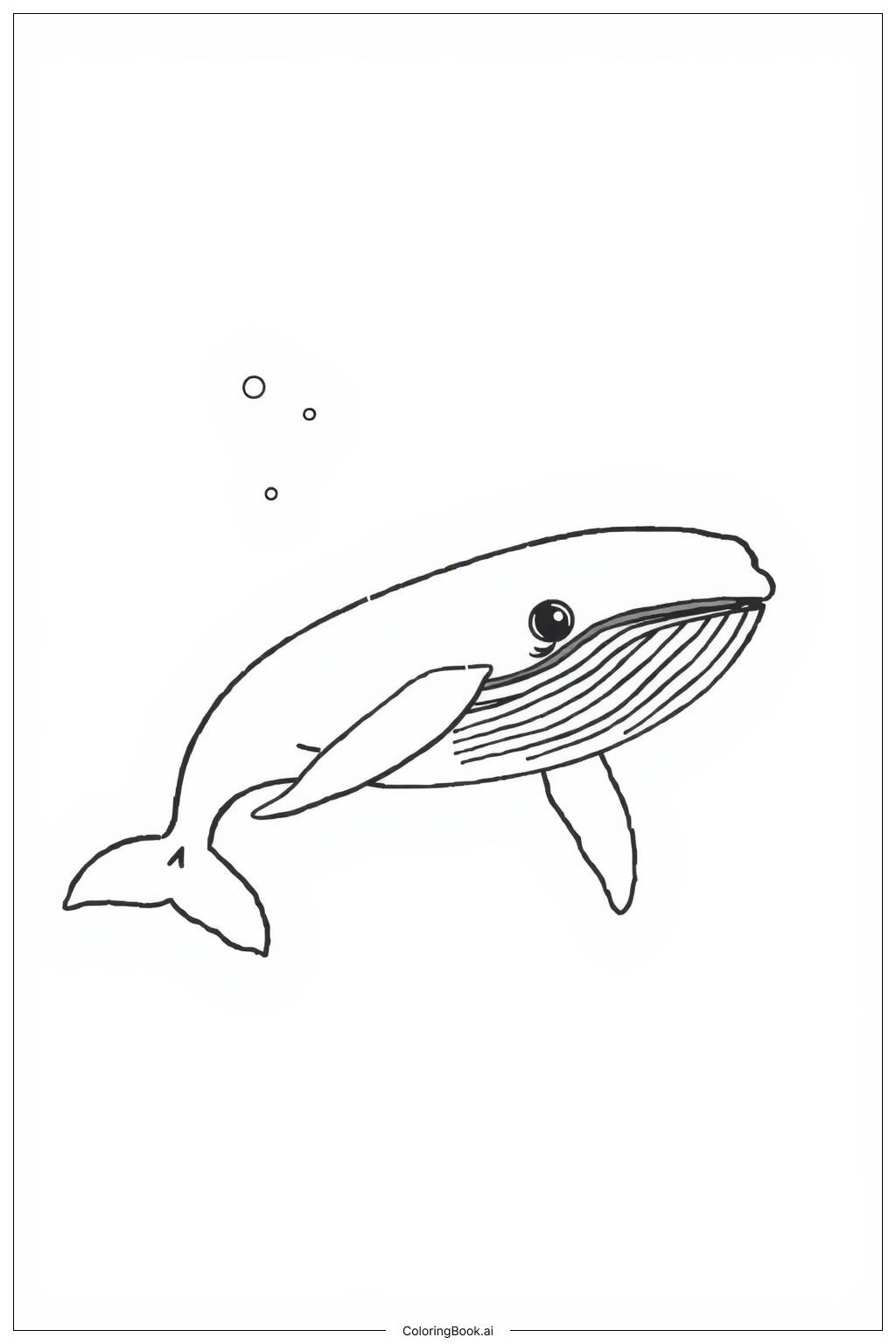
Try using different shades of blue for the ocean water to create a sense of depth. Start with lighter blues near the surface, then blend into darker blues as you move down the page. For the whale, shades of gray and blue-gray will help it look realistic. You can add white highlights on the whale’s belly to show light reflecting off its body. Use bright colors like orange, yellow, or red for the small fish to make them stand out. Feel free to add extra details, like seaweed or bubbles, with greens and light blues. This will make your picture lively and colorful.
Coloring challenges: Which parts are difficult to color and need attention for Whale Diving Deep coloring page?
• Large Smooth Surfaces: The whale’s body consists of big curved areas that may be challenging to color evenly without streaks or patches. Try using smooth, consistent strokes or blending tools to achieve a clean look. • Subtle Detail Shading: Capturing the whale’s shape and the way light falls on it requires careful shading to show form. Adding highlights and shadows can be tricky but important to create depth in the image. • Water Gradient: The ocean background needs gradual color changes from light to dark blue, which can be difficult to blend seamlessly with crayons or markers. • Small Fine Details: The small fish and bubbles require precision and steady coloring to avoid going outside the lines. Younger children might find these tiny parts challenging. • Creating Movement: Representing the flowing water around the whale with a sense of motion is subtle and takes practice to color in a way that feels dynamic rather than flat.
Benefits of coloring books: Advantages of drawing Whale Diving Deep coloring page
Coloring this page helps children develop both fine motor skills and creativity. Working on large areas like the whale’s body promotes hand control for smooth and careful coloring. Adding shading and blending is an excellent way to learn about light and shadow, which enhances artistic skills. The small fish and bubbles provide opportunities to practice precision and attention to detail. This scene also encourages imagination by inviting children to explore ocean colors and think about underwater life. Overall, coloring this image supports concentration, patience, and an appreciation for the beauty of nature.