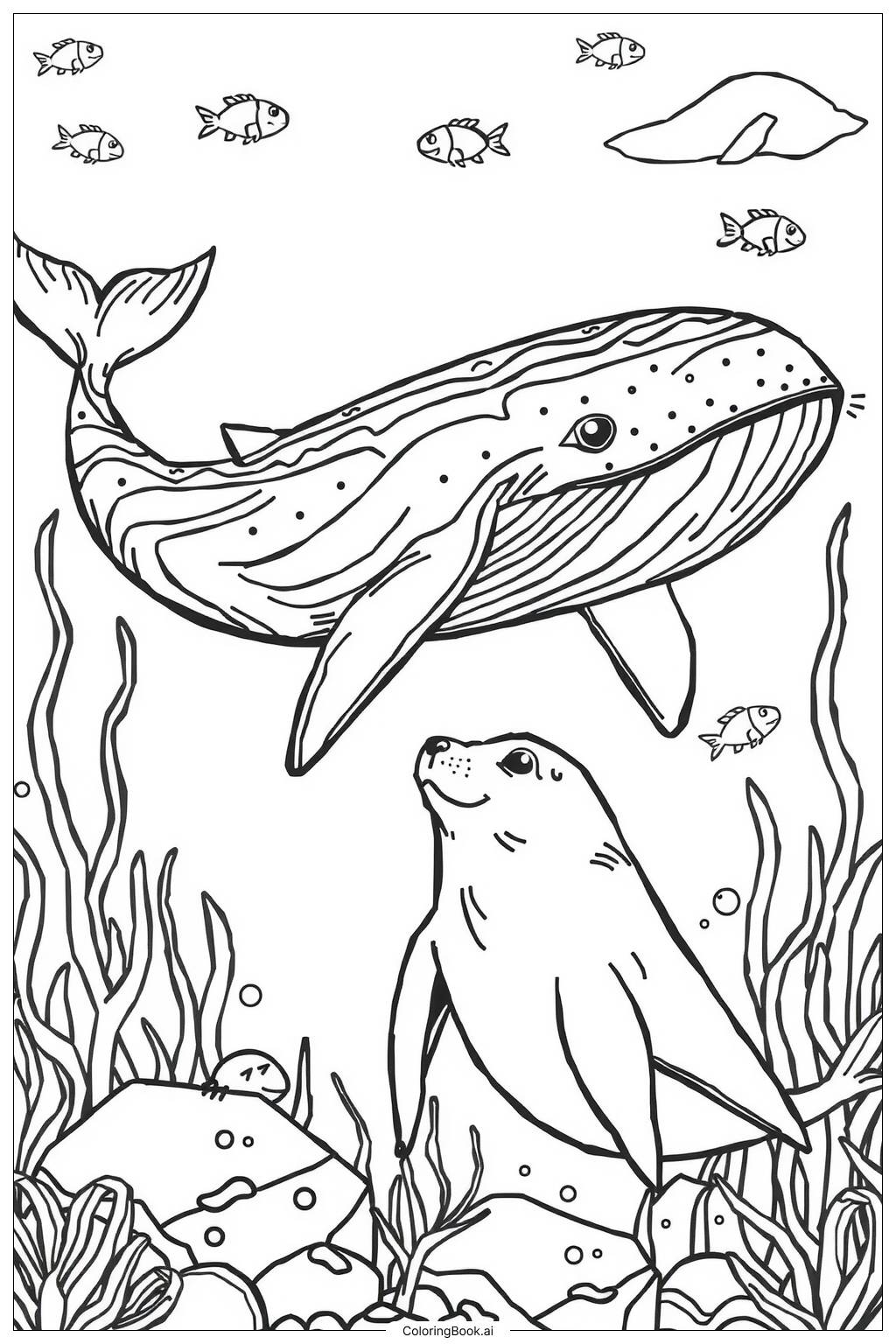
Coloring tips: How to color Whale Encounter with a Friendly Seal-2 coloring page well?
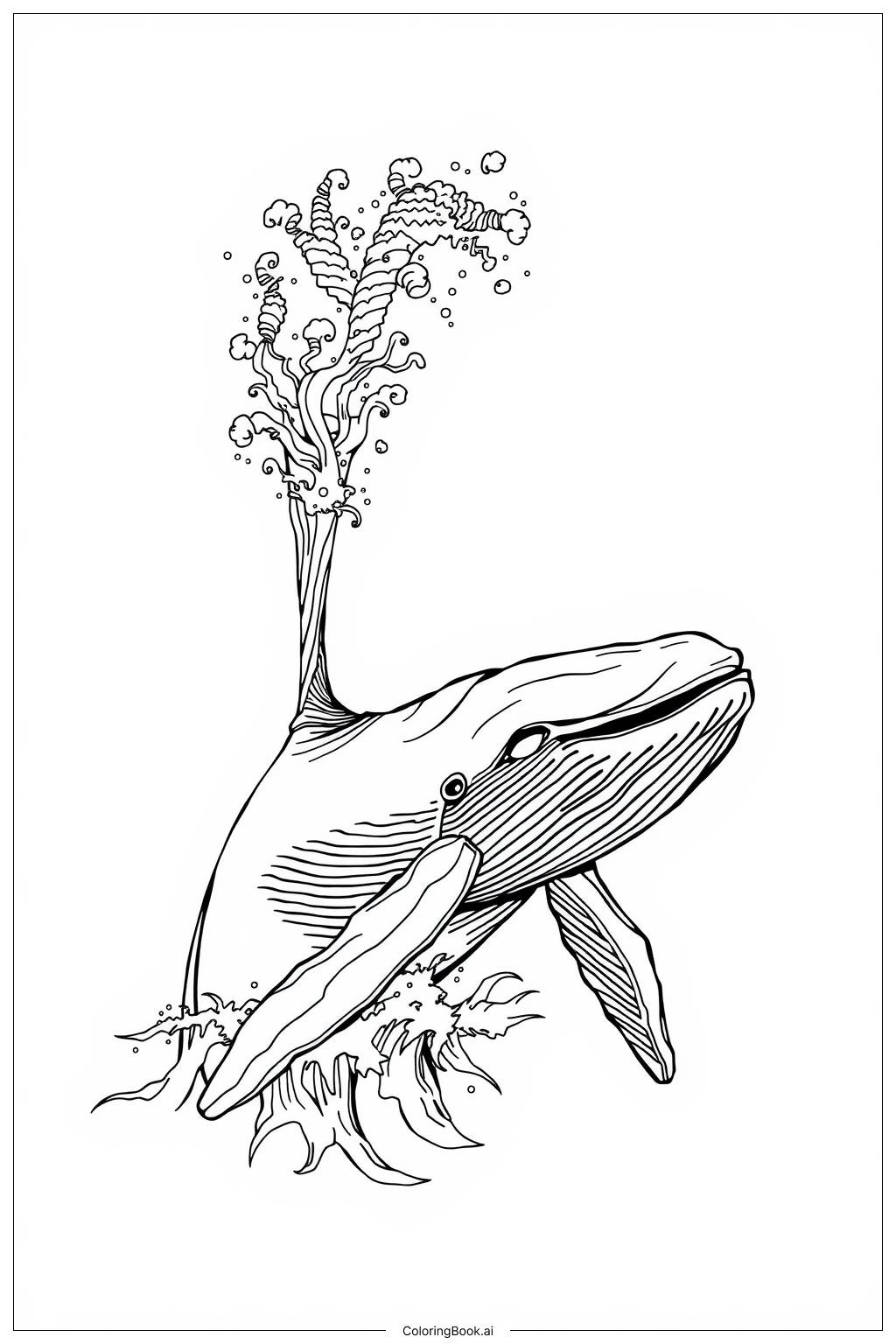
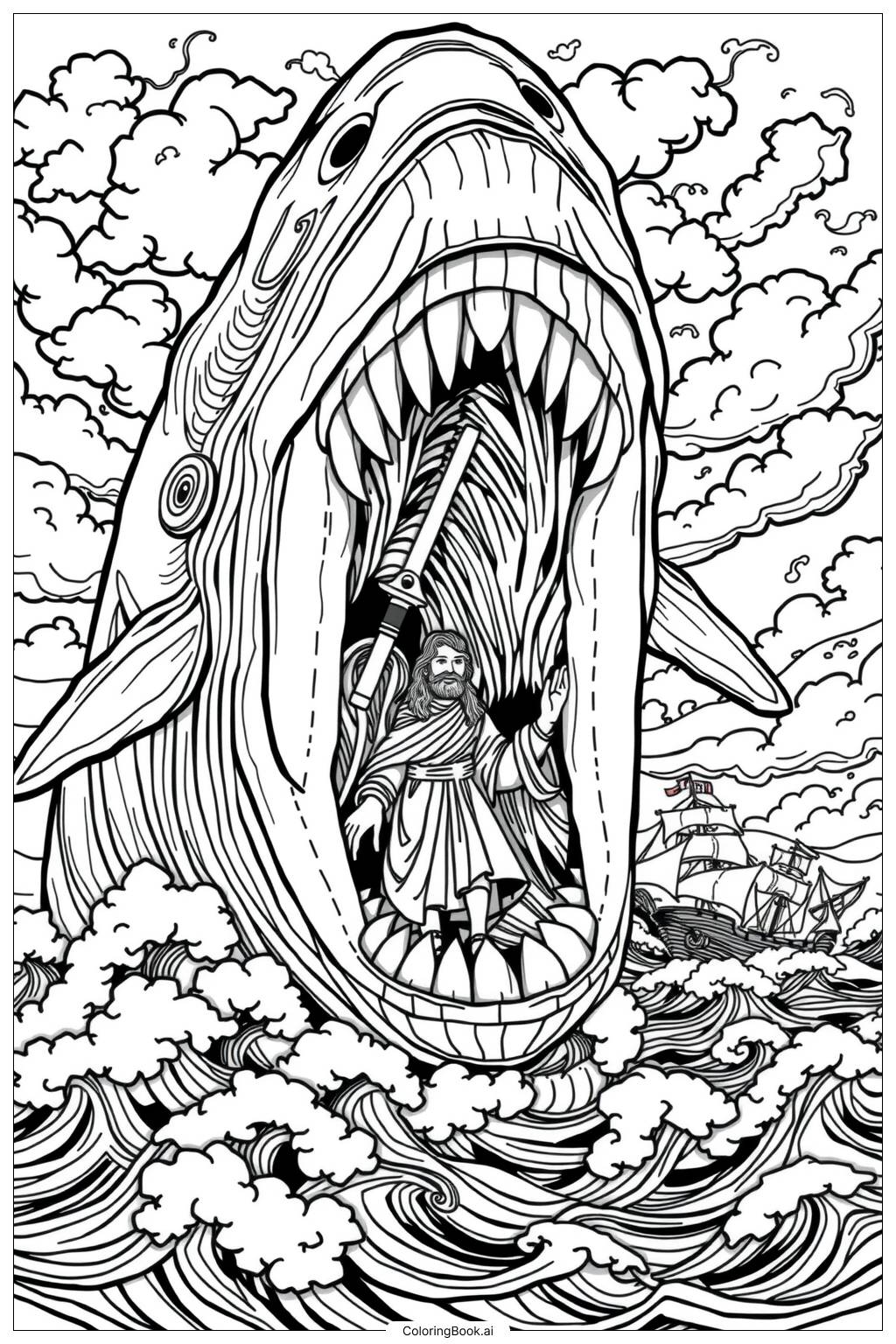
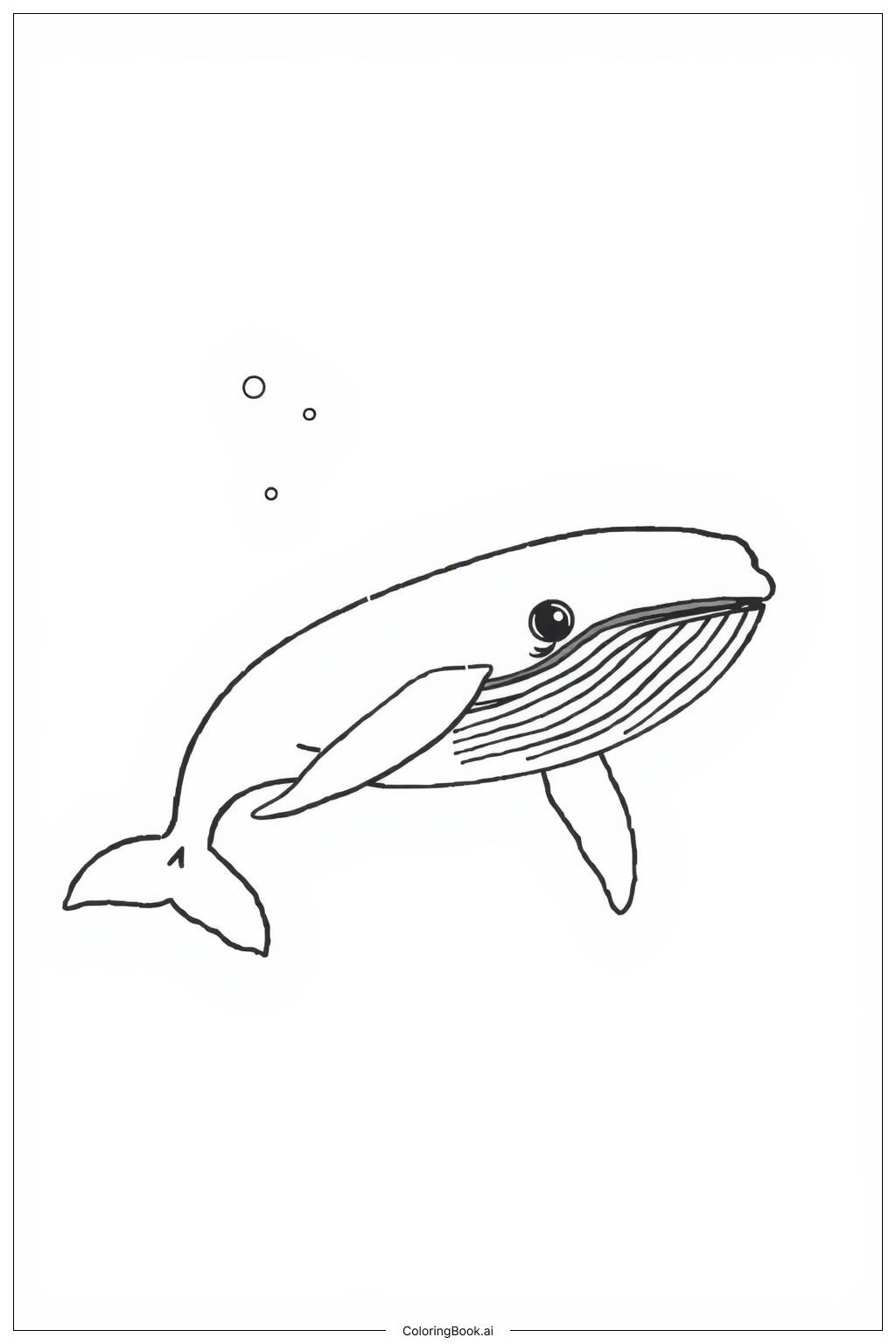
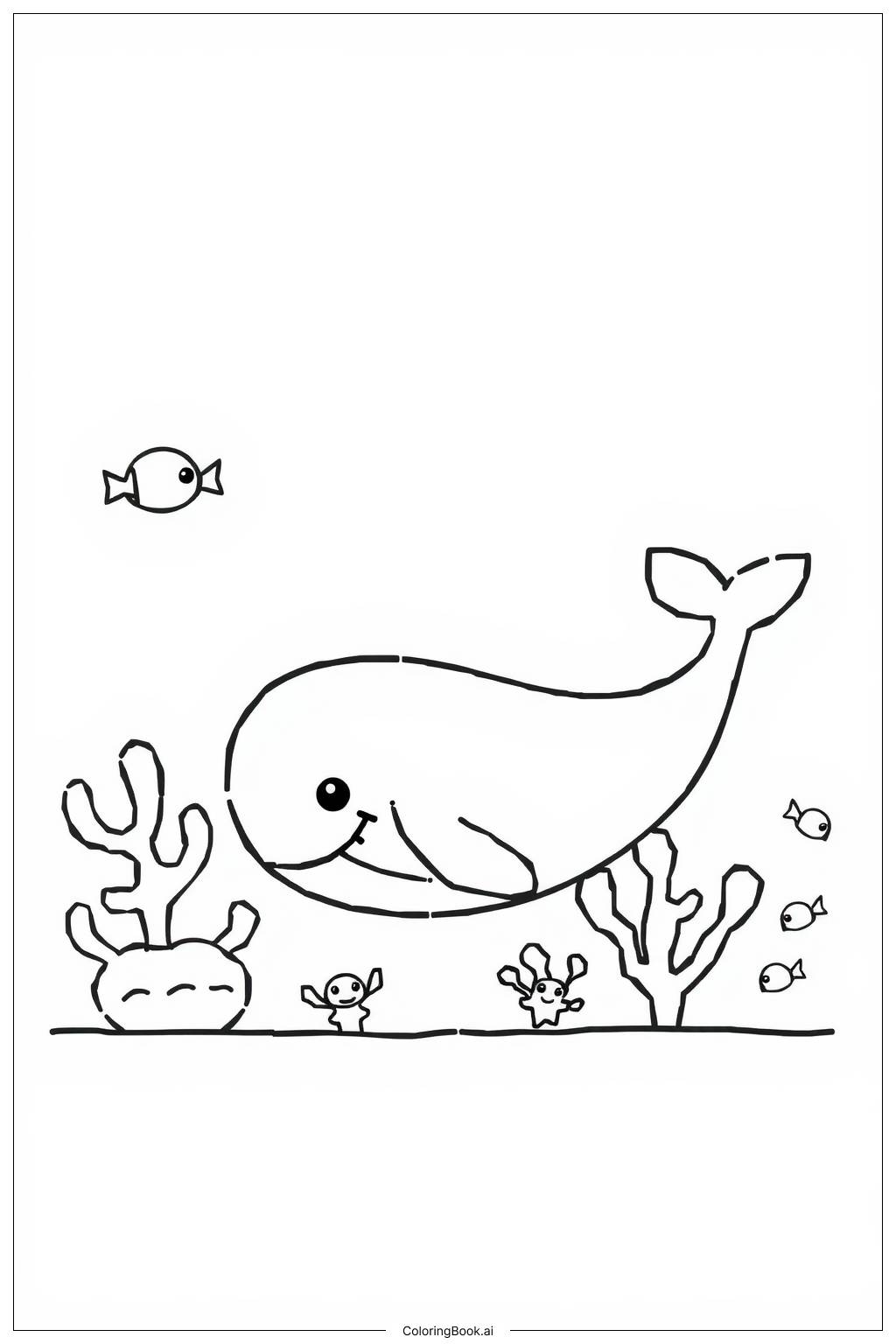
Use shades of blue and green to color the ocean water, giving it a calm and deep feeling. The whale can be colored in tones of gray or dark blue, with lighter highlights on its belly. The seal may look adorable with soft brown or gray, making it stand out against the whale. Add splashes of white or light blue around the bubbles to create a sense of movement. For the background, try soft colors like pale turquoise or seafoam to keep the underwater scene bright and cheerful. Feel free to add fun details like colorful fish or coral to make the picture lively and exciting.
Coloring challenges: Which parts are difficult to color and need attention for Whale Encounter with a Friendly Seal-2 coloring page?
• Large Smooth Areas: The whale’s big body has wide, smooth spaces that may be hard to color evenly without streaks or smudges. Staying within lines while maintaining smooth shading can be challenging. • Small Details: The seal’s face and flippers contain tiny details that require careful coloring to keep the image neat and clear. Younger children might find this tricky. • Shading and Depth: To make the ocean look realistic and deep, it is important to use different shades and blending techniques, which can be difficult for beginners. • Bubble Highlights: Capturing the translucent, shiny look of the bubbles involves subtle white highlights and careful attention to light effects, adding complexity. • Contrast Between Whale and Seal: Coloring these two animals distinctly so they do not blend together requires thoughtful color choices and controlled coloring to maintain the lively interaction in the image.
Benefits of coloring books: Advantages of drawing Whale Encounter with a Friendly Seal-2 coloring page
Coloring this image helps children practice fine motor skills by working on both large and small spaces. It encourages creativity in choosing colors for animals and ocean scenes while learning about underwater life. This activity also improves focus and patience, as children must color carefully around details like the whale’s fins and the seal’s features. Using different shades to create water depth fosters an early understanding of light, shadow, and color blending. Finally, coloring a friendly interaction between two animals promotes positive feelings about nature and empathy for wildlife.