Coloring tips: How to color Humpback Whale Leaping from the Water-2 coloring page well?
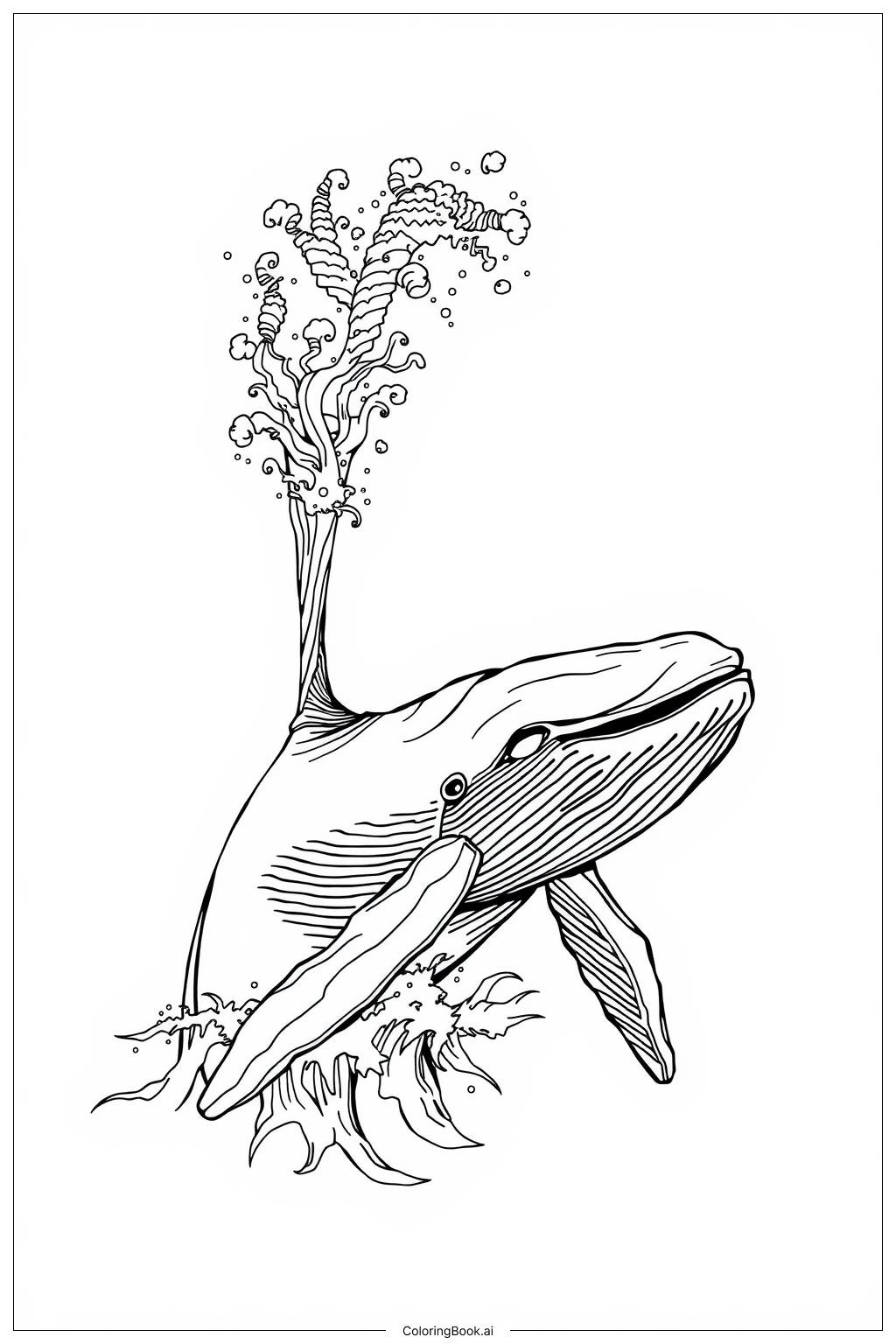
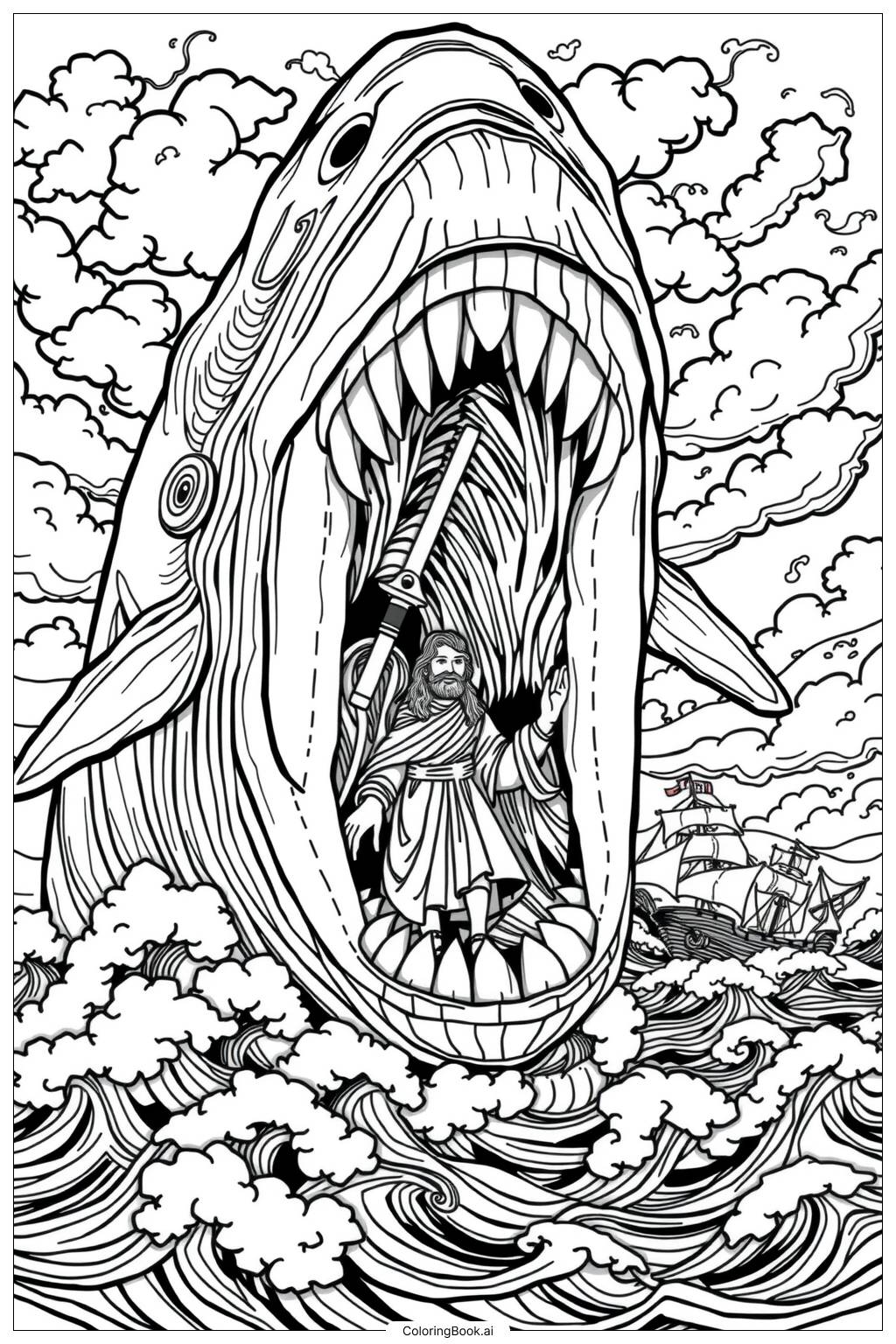
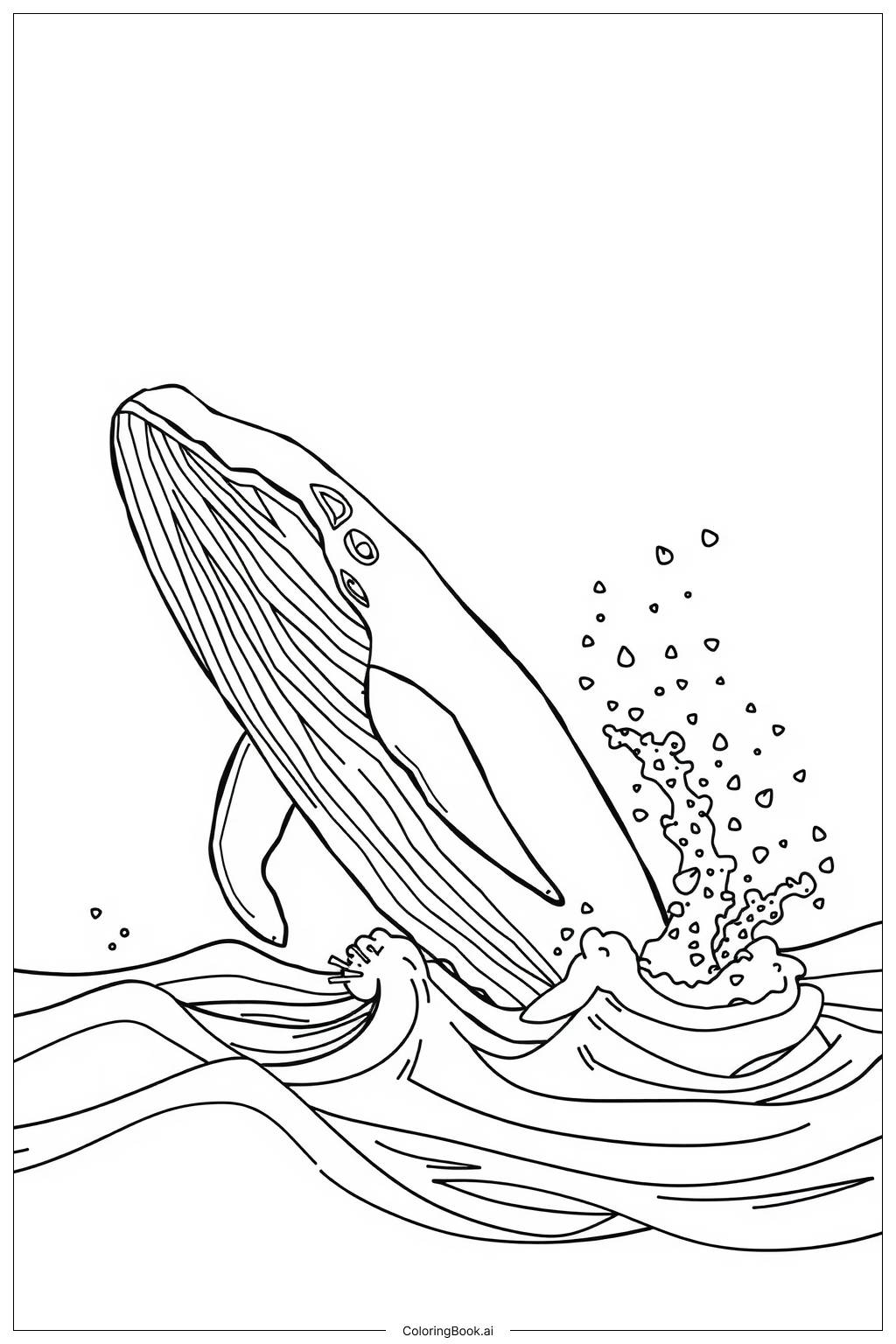
To bring this lively scene to life, use shades of blue for the ocean, ranging from deep navy to bright turquoise where the waves break. The whale can be colored using dark grays and blues, with lighter tones on its underbelly to show its distinctive markings. Adding subtle white highlights on the splashes will create a sense of motion. You may also want to color the sky with soft gradients of light blue or sunrise pinks for a calm background. For details like the whale’s fins and tail, use fine strokes to add texture and depth. This coloring page offers a fun chance to explore different blue tones and contrast to make the leaping whale stand out.
Coloring challenges: Which parts are difficult to color and need attention for Humpback Whale Leaping from the Water-2 coloring page?
• Water Movement Details: The splashes and waves have many small lines and curves. Coloring these carefully requires attention to avoid making the water look flat. Using multiple blue tones helps but can be tricky for young children. • Whale Texture: The humpback whale’s skin features rough patches and ridges shown by detailed lines. Keeping these details clear while coloring requires patience and a steady hand. • Contrast Balancing: The scene has contrasting elements like the whale’s dark body against the lighter water. It may be challenging to balance colors so that both the whale and ocean stand out nicely without blending too much. • Large Open Spaces: Coloring large areas such as the whale’s body or the open water evenly can be hard, especially for beginners. • Fine Details: Small droplets and the whale’s fins need careful coloring to keep them distinct and not colored outside the lines.
Benefits of coloring books: Advantages of drawing Humpback Whale Leaping from the Water-2 coloring page
Coloring this image helps develop fine motor skills as children learn to control their hand movements while filling in detailed sections. The dynamic scene encourages creativity in choosing colors and blending shades to show motion and texture. It also teaches observation skills as children focus on the whale’s shape and the water’s flow. This image can inspire curiosity about marine life and the environment, making coloring both enjoyable and educational. Additionally, working on contrast and balance in coloring supports visual thinking and patience.