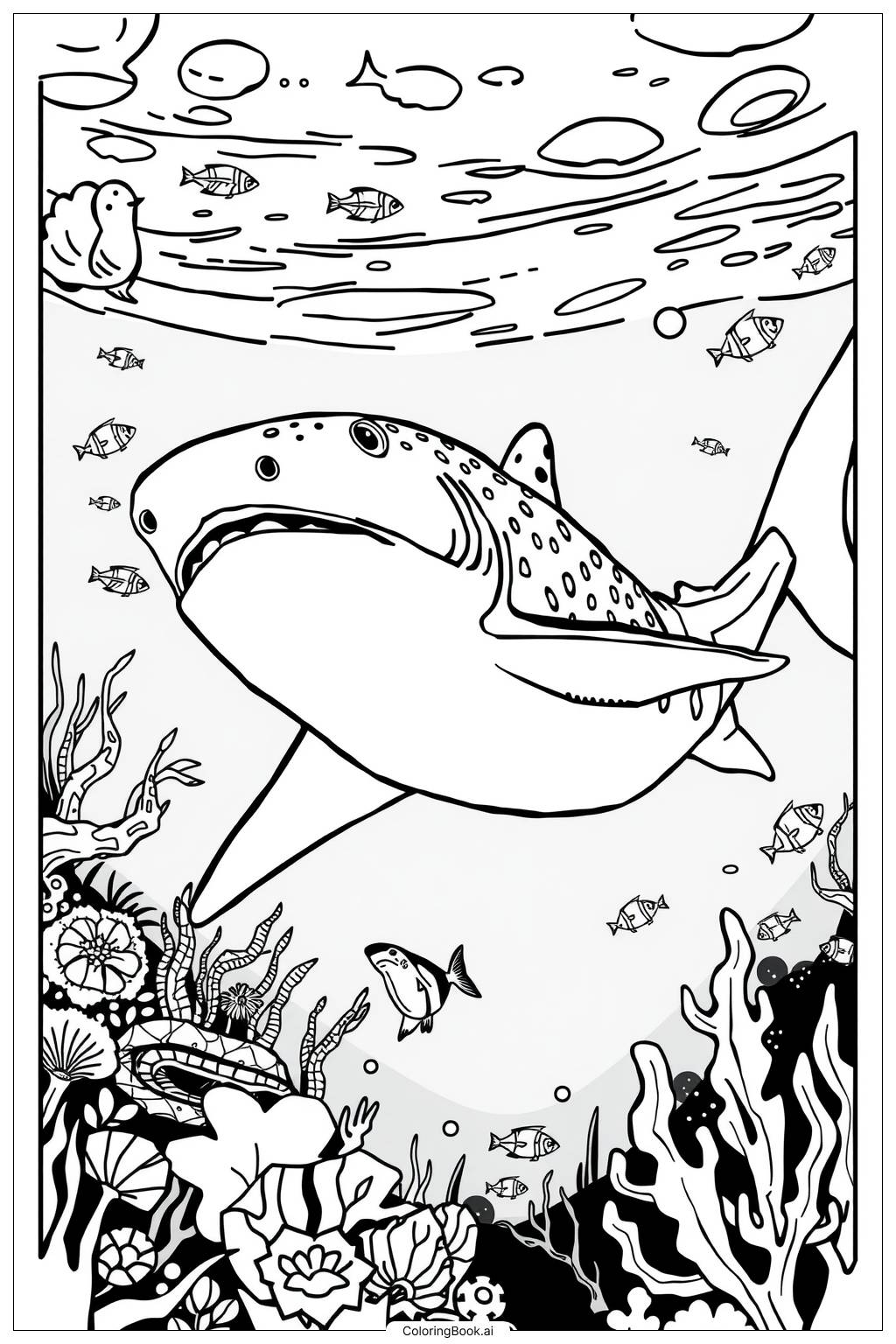
Coloring tips: How to color Detailed Blue Whale Anatomy-2 coloring page well?
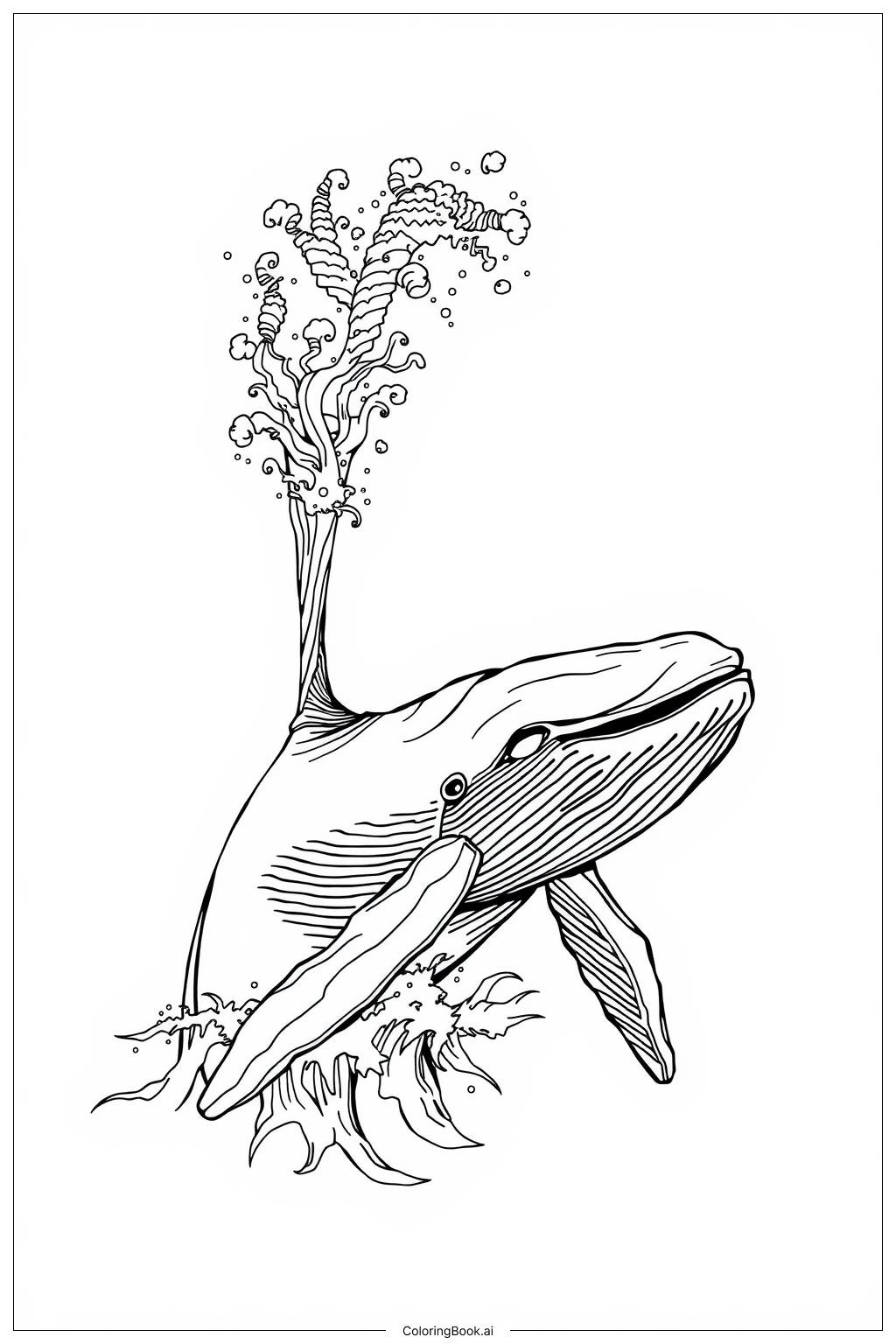
For coloring this image, start with shades of blue and gray to capture the blue whale’s natural colors. Use a soft, light blue or gray for the whale’s skin, but you can add darker tones to emphasize shadows and the whale’s grooves. The baleen inside the mouth can be colored pale yellow or off-white to show its unique texture. Use light pinks or reds for muscles and inner parts to make them stand out. Don’t forget to color the water if you wish to add a background. You can mix blues and greens to create a realistic ocean feel. Use a thin crayon or colored pencil to carefully fill in small details like the ribs and skull so the anatomy remains clear. Experimenting with different shades will make the anatomy come alive and be more engaging.
Coloring challenges: Which parts are difficult to color and need attention for Detailed Blue Whale Anatomy-2 coloring page?
• Fine Anatomical Details: The image includes many small and complex parts such as ribs, baleen plates, and internal organs which require careful attention to avoid coloring outside the lines.
• Balancing Realism and Creativity: It can be challenging to choose realistic colors for muscles and bones while also making the image bright and fun for coloring.
• Textured Areas: The whale’s throat pleats and skin folds need gentle shading to create a three-dimensional feel rather than flat color.
• Layering Colors: To show depth in this anatomy image, layers of light and dark shades are needed, which may require patience and skill.
• Maintaining Labels and Lines: Since this is an educational anatomy image, coloring must be done neatly to keep the important labels and outlines visible and clear.
Benefits of coloring books: Advantages of drawing Detailed Blue Whale Anatomy-2 coloring page
Coloring this detailed blue whale anatomy image helps children and learners develop focus and fine motor skills through careful coloring of small, precise areas. It encourages observation and attention to detail by requiring understanding of where different parts of the whale's body are located. This activity supports learning about marine biology in a hands-on way, making complex scientific concepts easier to remember. Additionally, coloring stimulates creativity as children choose colors that balance accuracy with personal expression. It also cultivates patience and concentration, as the image invites thoughtful layering and shading. Overall, coloring this page connects art and science, fostering curiosity about the natural world.