Coloring tips: How to color Baby Whale Playing with Dolphins coloring page well?
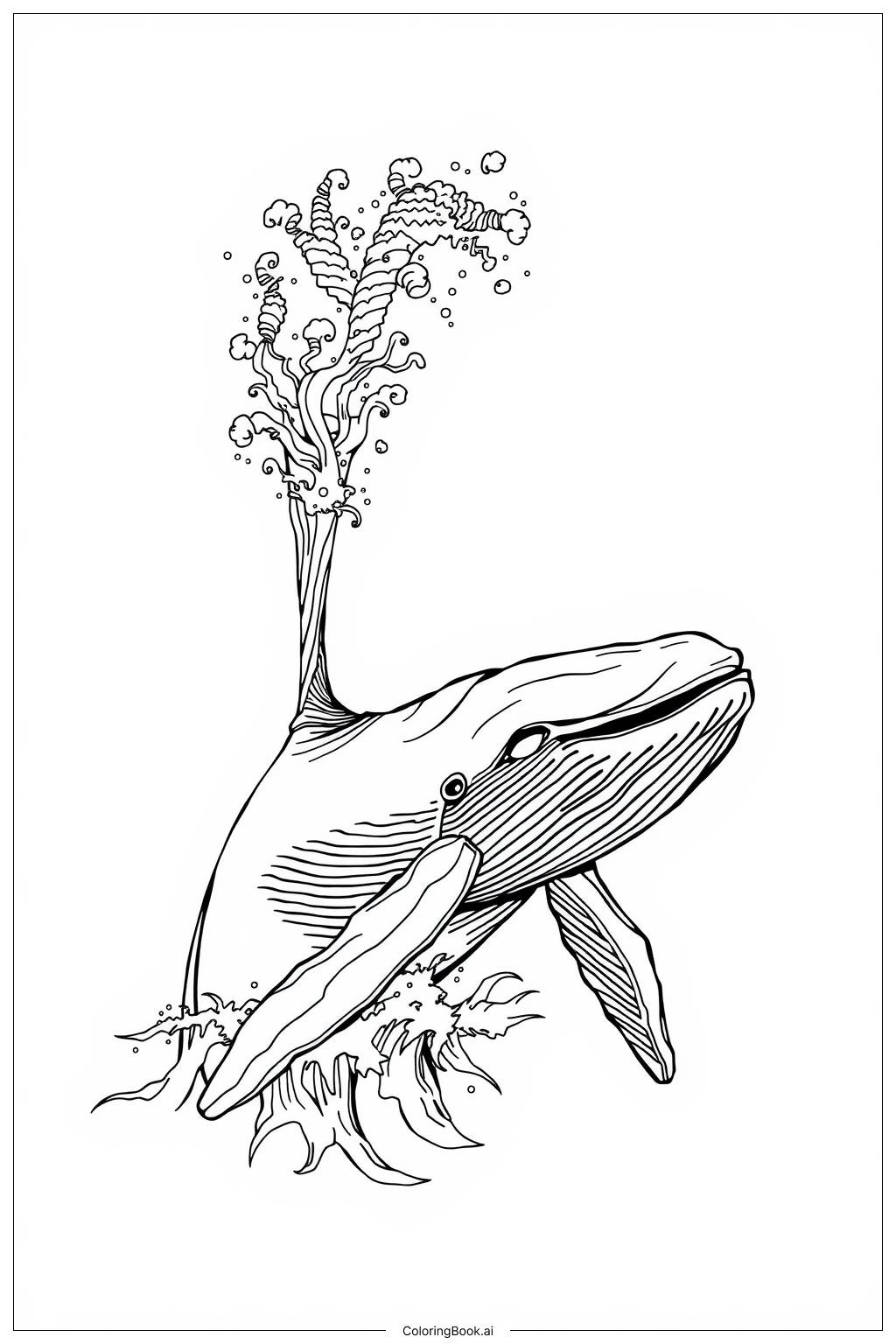
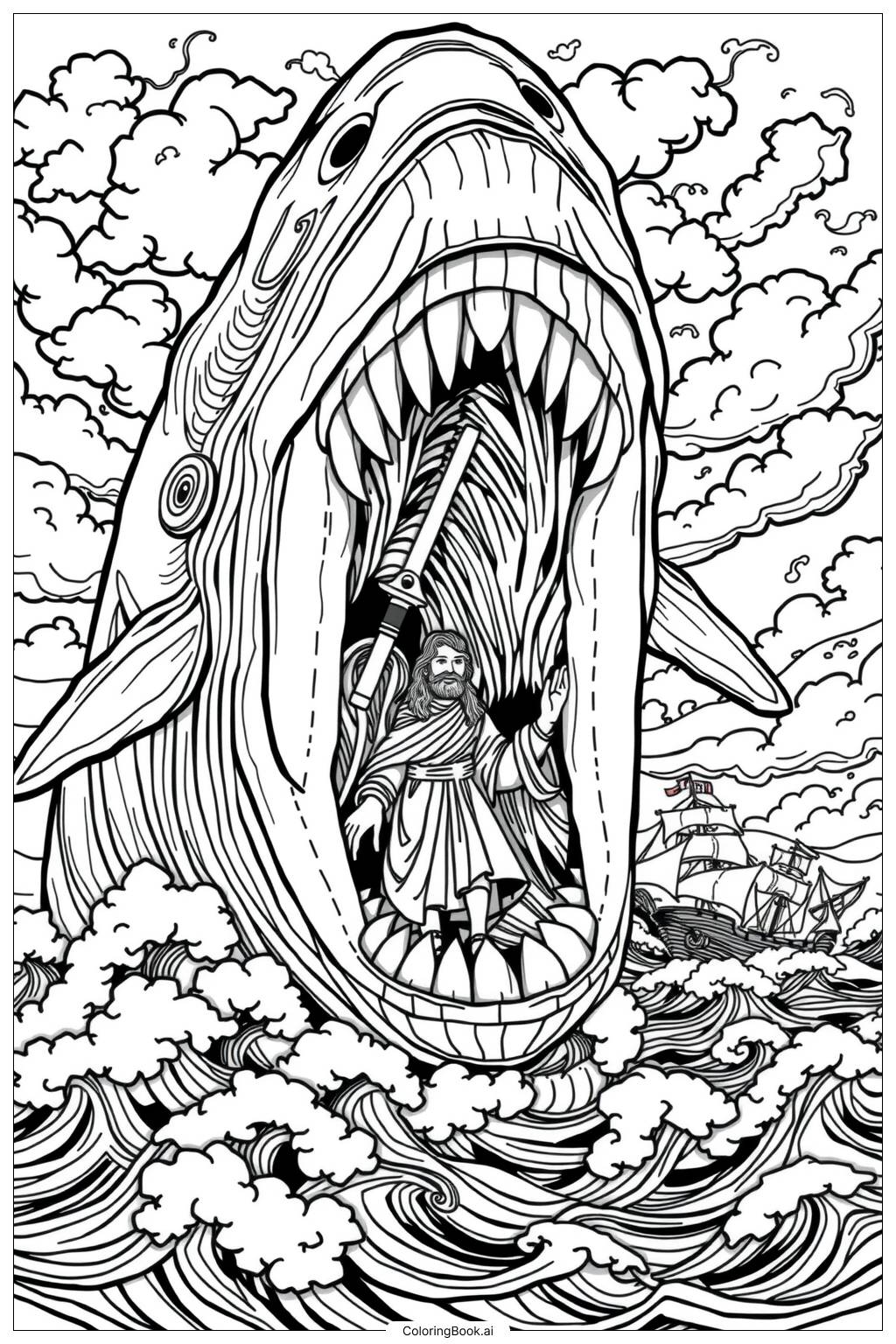
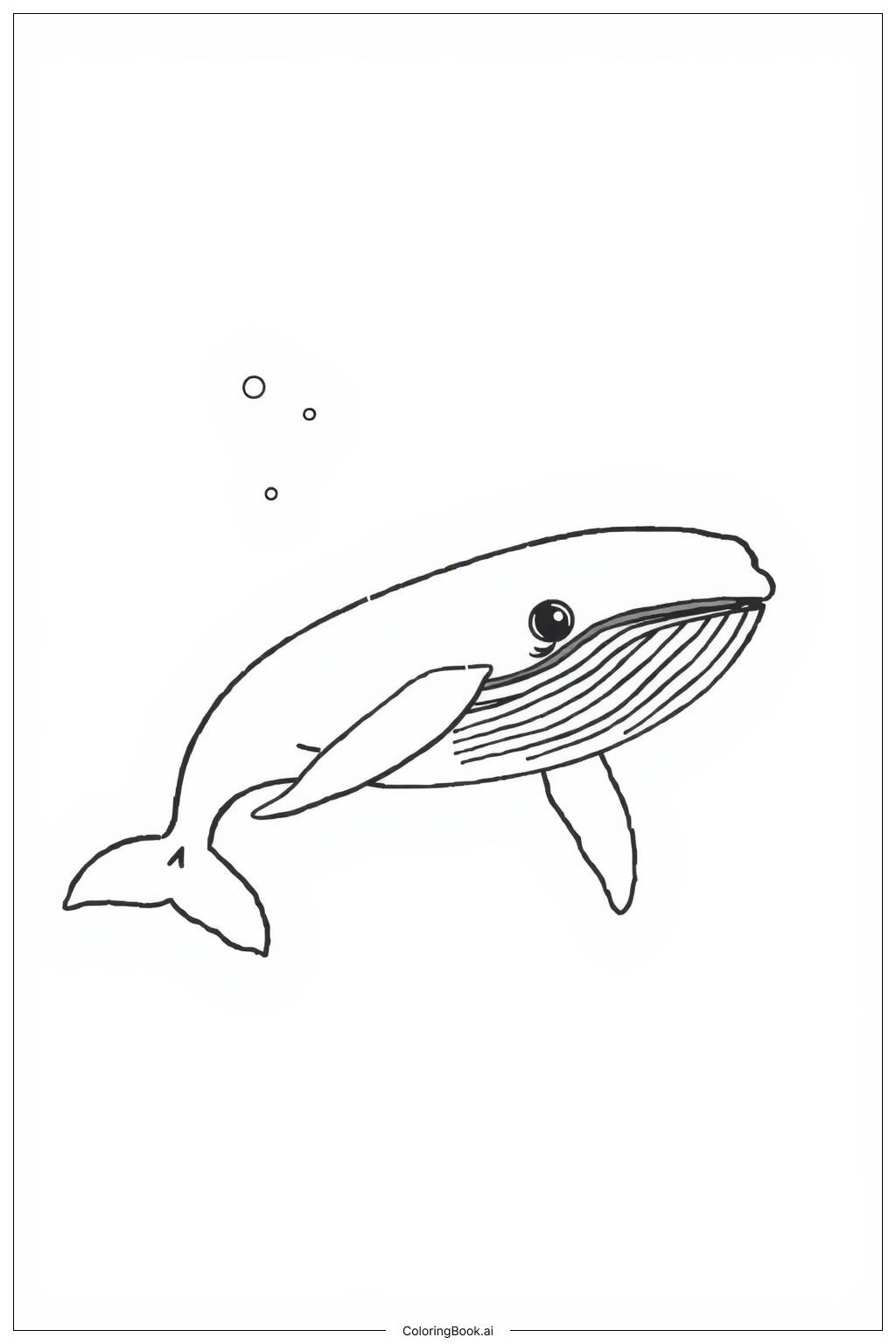
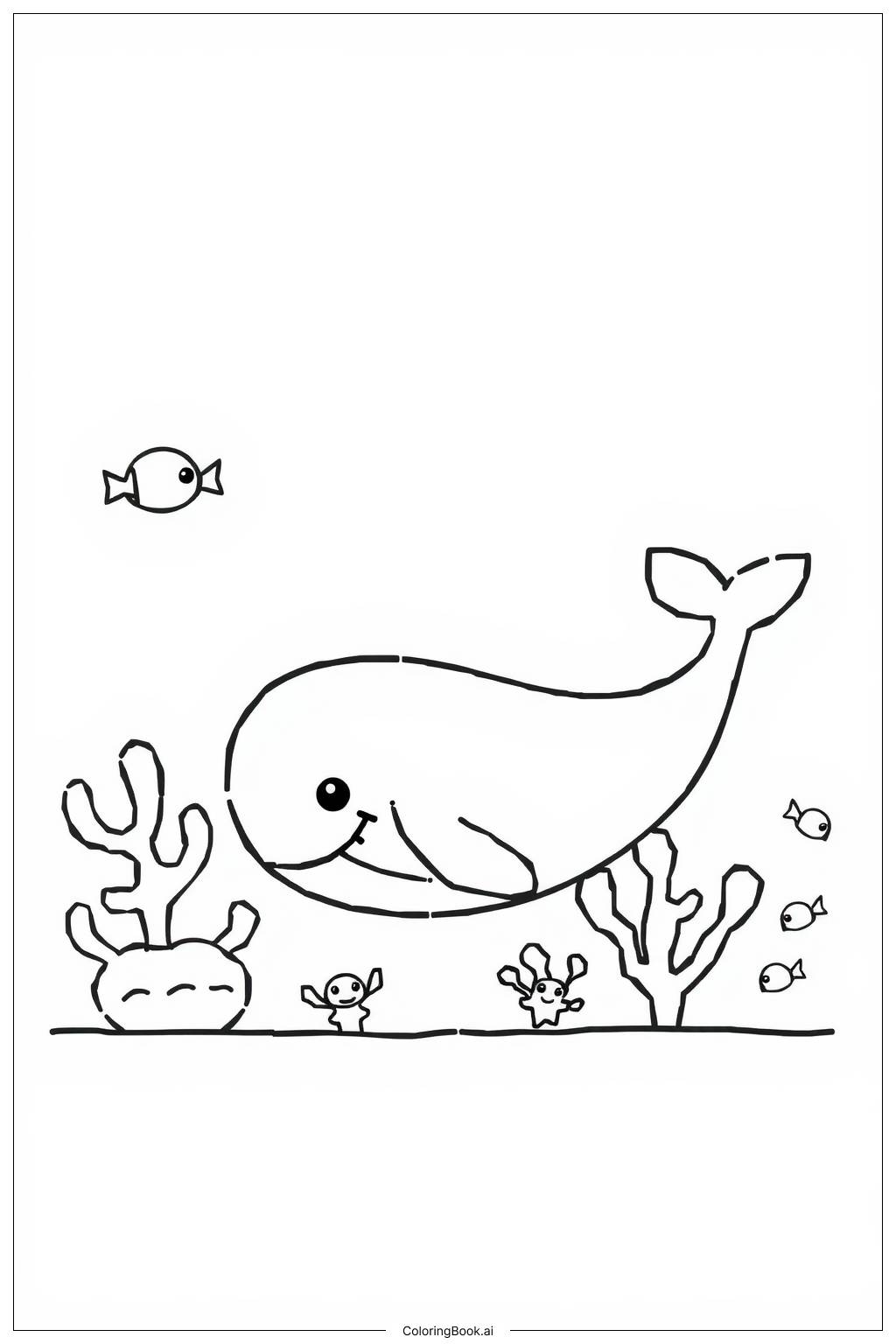
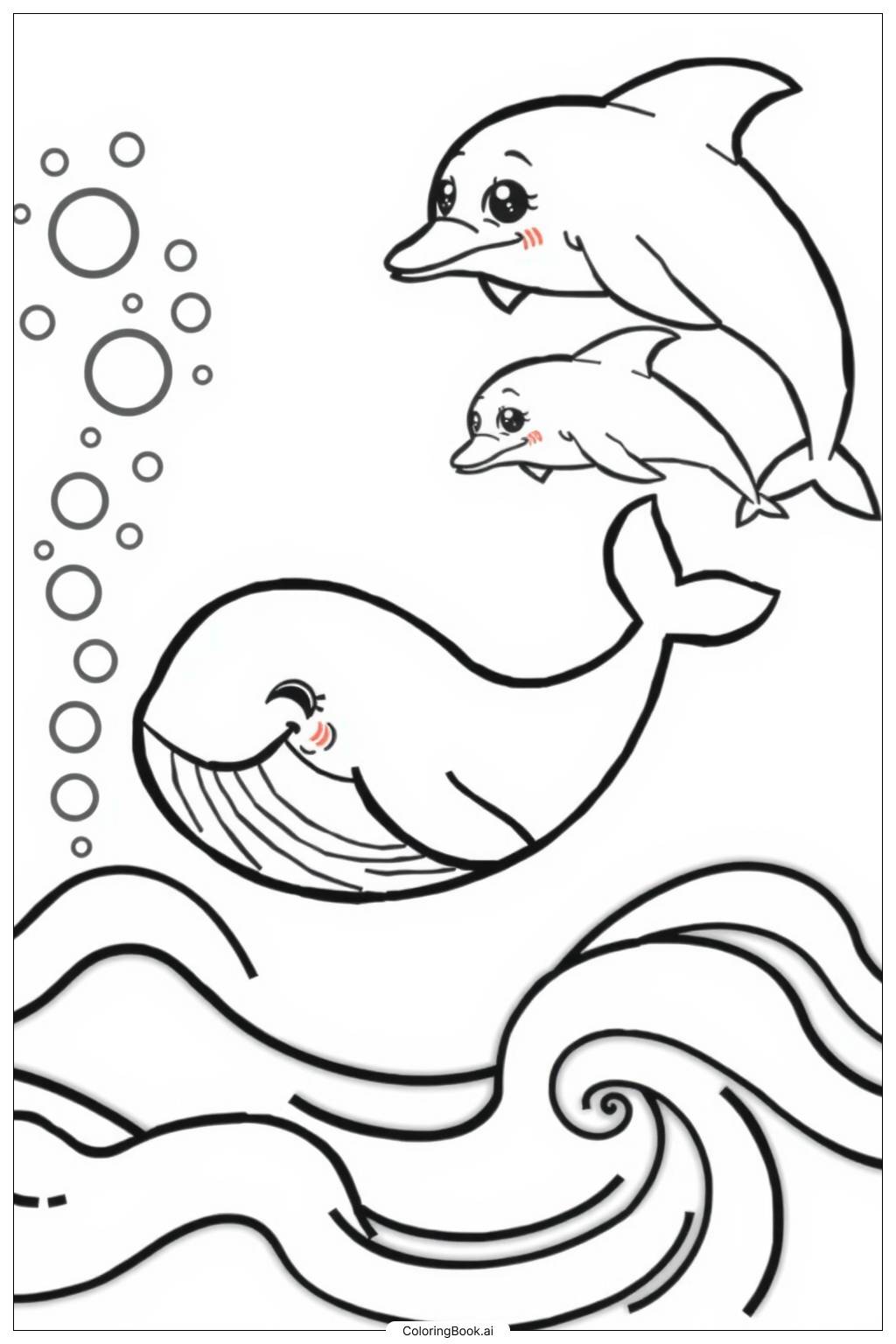
For this image, try using soft blues and aquamarine for the water to give a calm ocean feel. The baby whale can be colored in gentle shades of gray or blue-gray to appear cute and friendly. Use lighter tones on the whale’s belly and around its eyes for contrast. The dolphins can be a mix of light gray with white highlights to show their smooth skin. Add splashes of light blue or white for the spray of water and bubbles, which will look nice when colored delicately. Feel free to use brighter colors on the ocean waves or sky for extra fun. This page invites you to experiment with blending shades to create depth in the water and animals.
Coloring challenges: Which parts are difficult to color and need attention for Baby Whale Playing with Dolphins coloring page?
• Animal textures: Capturing the smooth yet slightly rough texture of the whale and dolphin skin can be tricky, especially when using crayons or markers that tend to leave consistent strokes.
• Water effects: Showing the transparency and motion of ocean waves and bubbles requires careful blending of blues and whites, which may be challenging for beginners.
• Small details: The water spray, bubbles, and facial expressions are small but important details that need precision to avoid coloring outside the lines.
• Balance of light and shadow: Creating a natural look for underwater animals involves understanding light reflection and shadow, which can be difficult without practice.
• Keeping colors vibrant: Since the image has many similar shapes close together, preventing colors from mixing or bleeding into each other can require careful control, especially with markers or watercolor paints.
Benefits of coloring books: Advantages of drawing Baby Whale Playing with Dolphins coloring page
Coloring this image helps children develop fine motor skills by encouraging precise strokes around the whale and dolphins. The variety of shapes and textures promotes hand-eye coordination and concentration. Choosing colors for water, animals, and bubbles stimulates creativity and color recognition. It also encourages learning about marine life and ocean environments in a fun way. This scene allows kids to practice blending and shading skills, improving artistic techniques. Most importantly, coloring a joyful and friendly animal scene can boost mood and inspire a positive connection with nature.