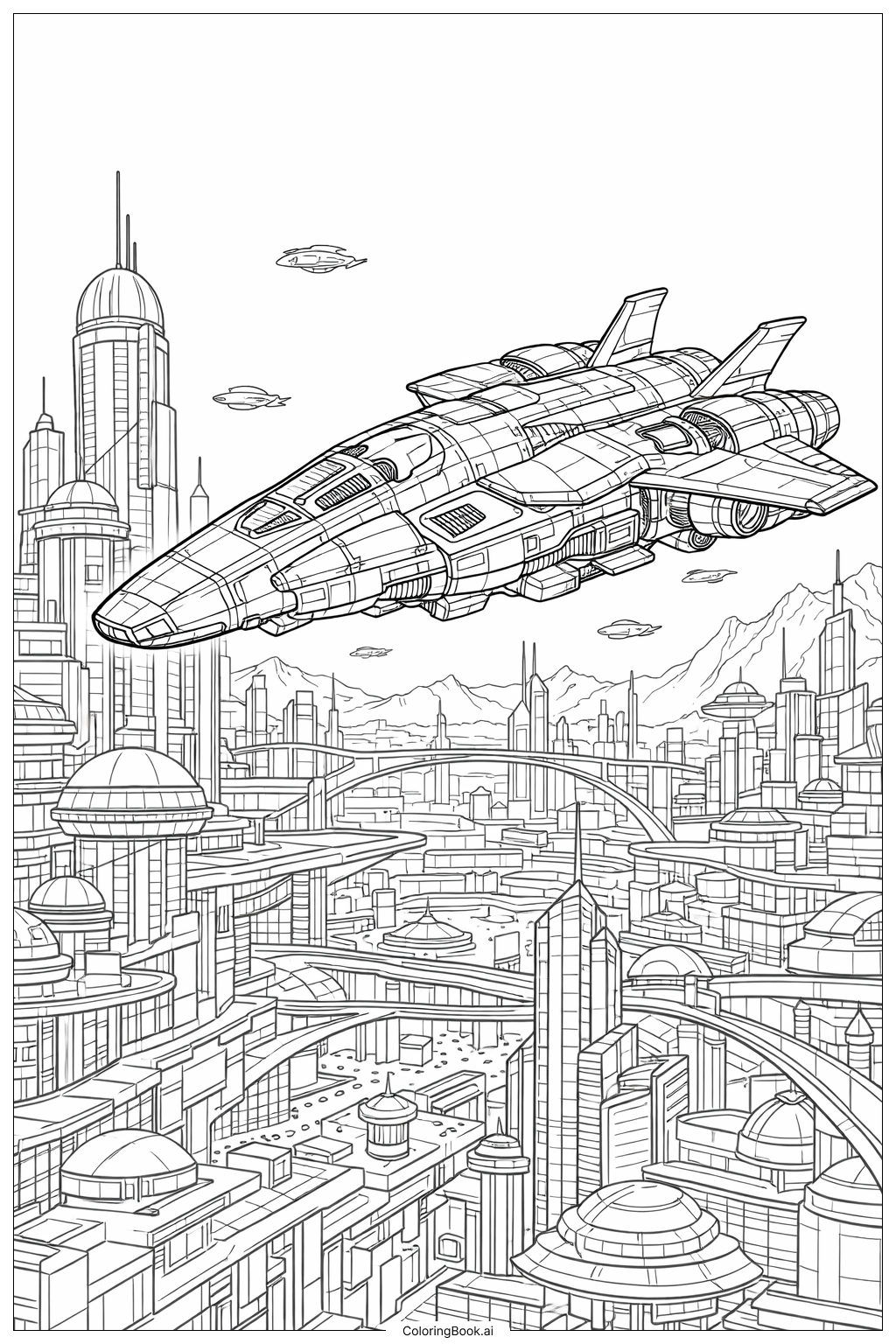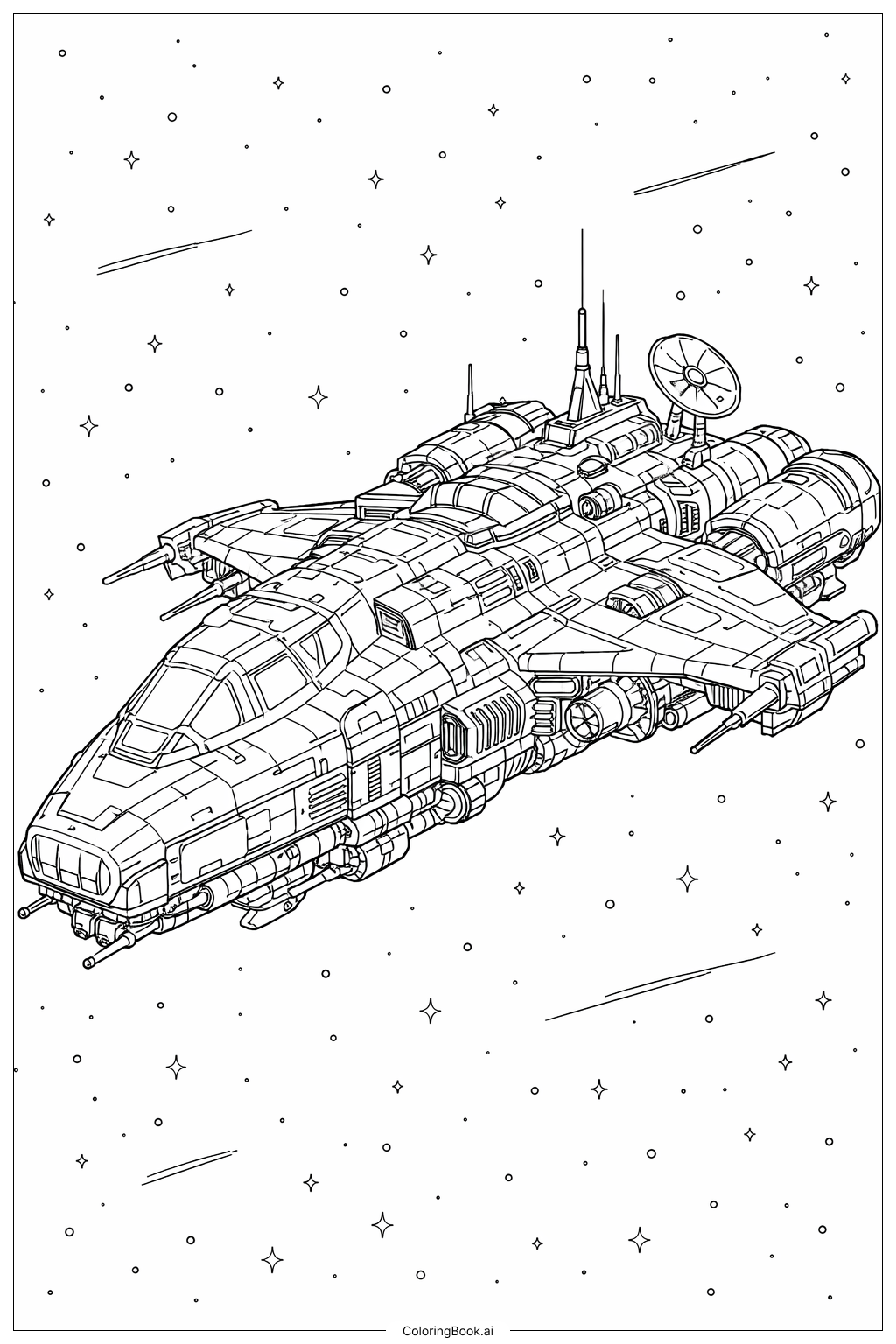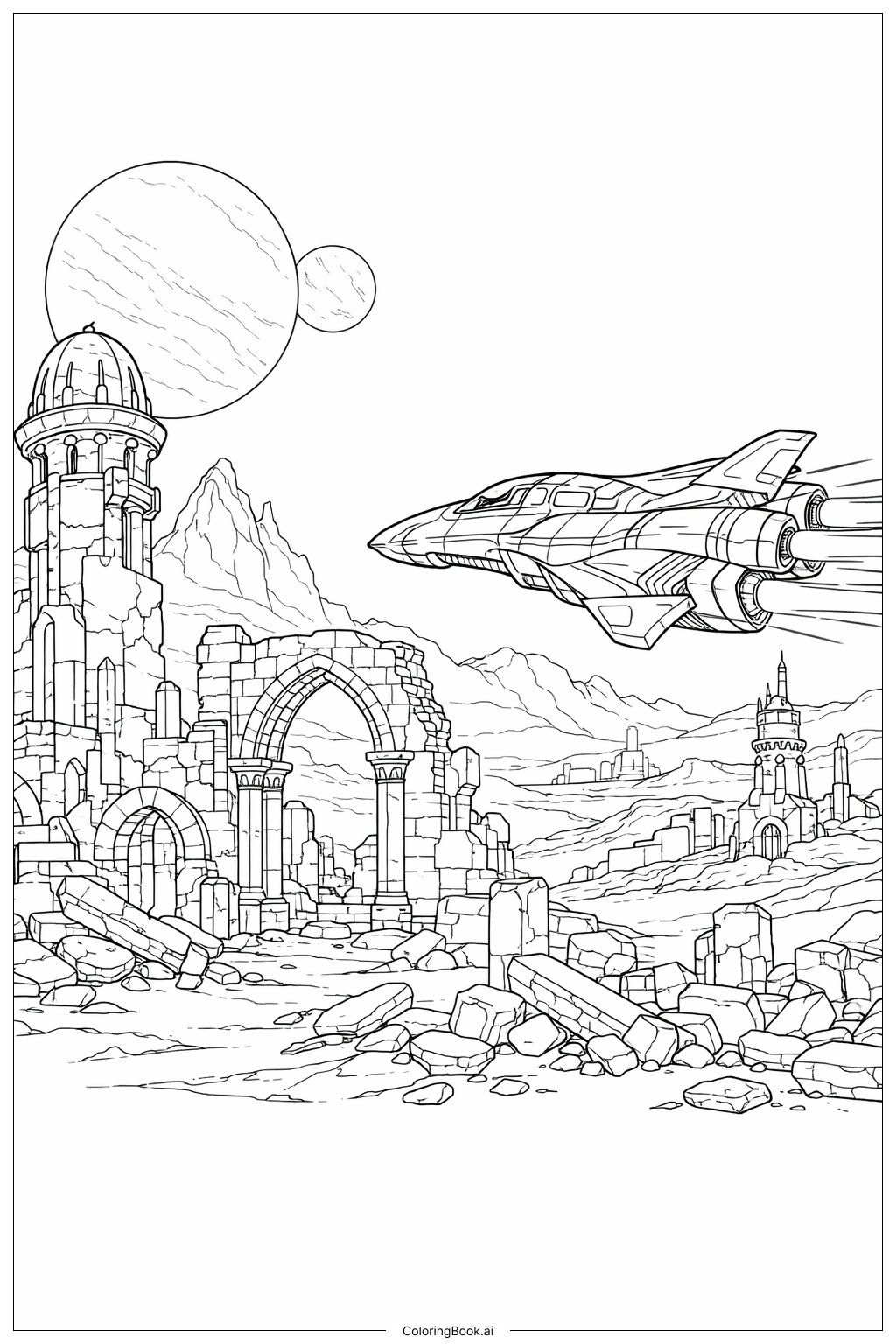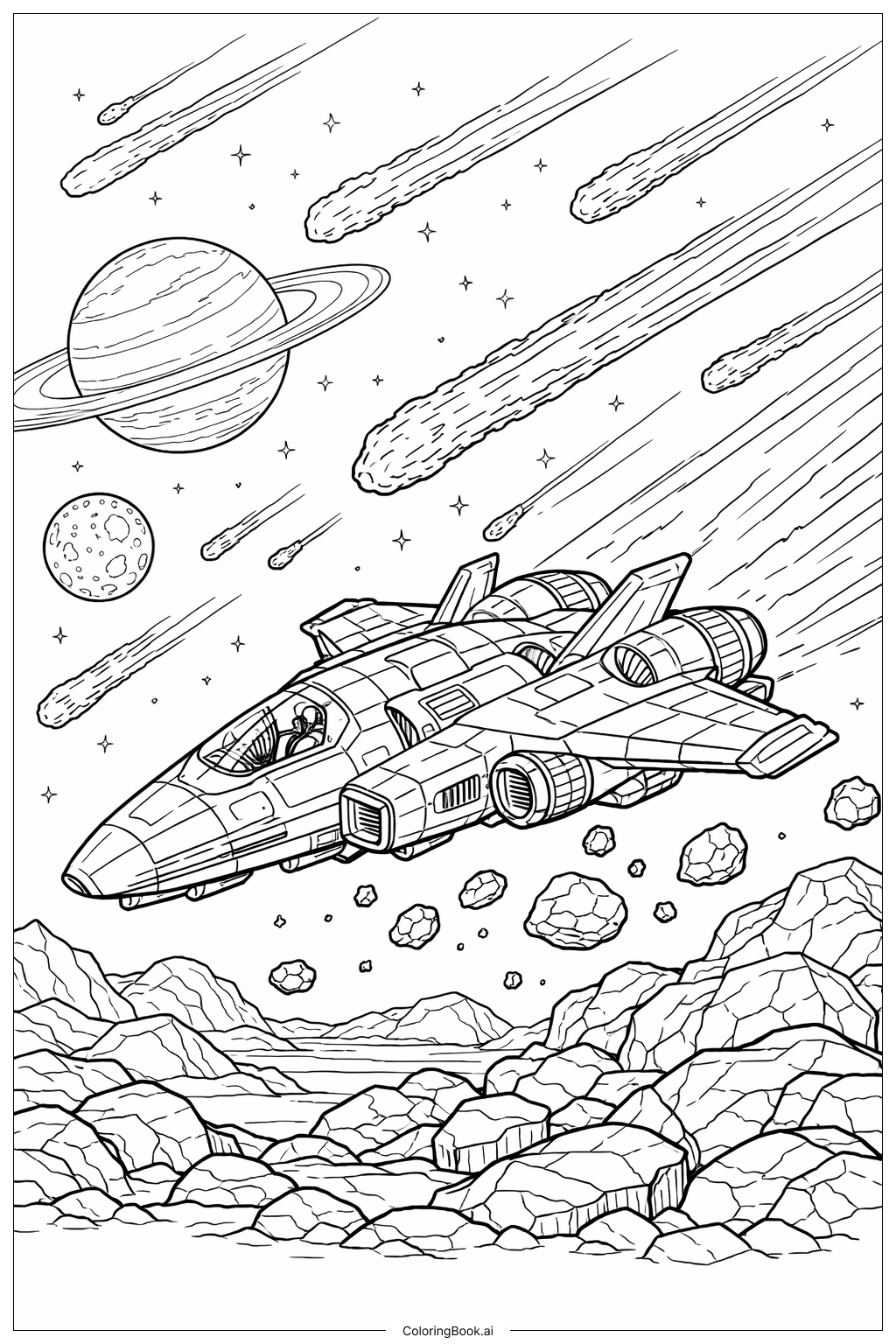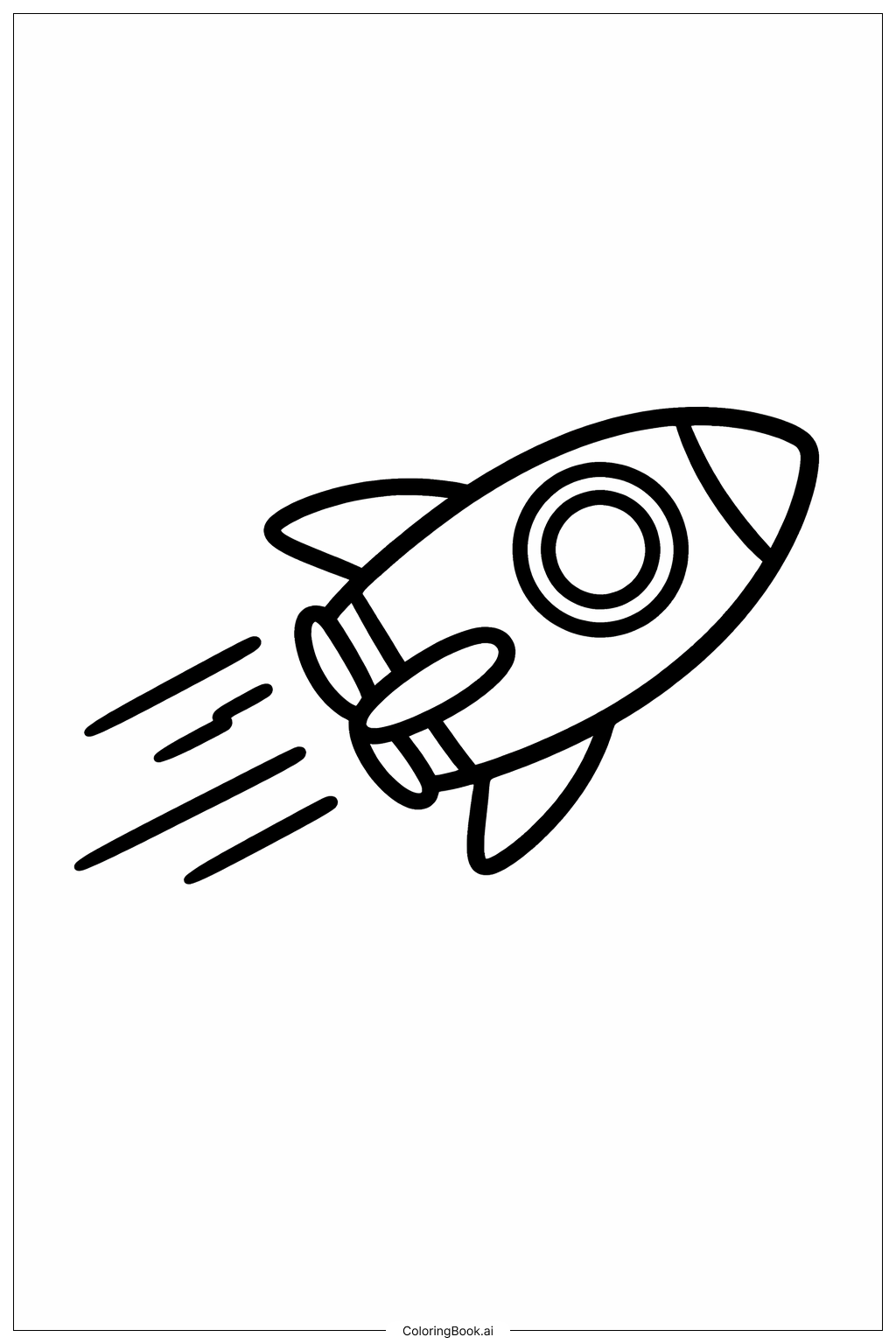
Coloring tips: How to color Simple Flying Spaceship coloring page well?
Start with the main body of the spaceship. You can use a cool metallic silver or a bright bold color like red, blue, or orange to make it pop. Color the cockpit window in a deep blue or green to look like reinforced glass. Use a darker shade of your chosen body color for the fins and panels to create depth. The thruster area at the back looks great in bright yellow, orange, or red to mimic rocket fire and heat. For the portholes, try a light blue or glowing yellow. The background can be a deep navy or black to represent outer space. Add streaks of white or light blue around the ship to show speed and motion. Younger colorists can keep it simple with just two or three colors, while older kids can experiment with gradients and shading to make the ship look three-dimensional and truly ready for liftoff.
Coloring challenges: Which parts are difficult to color and need attention for Simple Flying Spaceship coloring page?
• Cockpit Window Detail: The rounded cockpit window is a small, curved area near the front of the ship. Staying neatly inside this curved outline can be tricky, especially for younger colorists. Use a fine-tipped coloring tool and work slowly from the edges inward to avoid going outside the lines.
• Fin Symmetry and Shading: The swept-back fins on the spaceship have defined edges that need clean, even coloring. If you want to add shading to make the fins look dimensional, it can be hard to keep the gradient consistent on both sides. Try using two shades of the same color and blend them gently where they meet.
• Thruster and Flame Section: The thruster nozzles at the rear of the ship are small and closely spaced. Coloring each nozzle separately without blending into the hull color requires steady hands and patience. Use a pointed or thin tool to fill in each nozzle carefully.
• Background Space Fill: Covering the large open background evenly with a dark color like black or navy can result in streaks or uneven patches, especially with crayons or markers. Work in small, overlapping circular strokes to build up coverage gradually without visible lines.
• Small Portholes and Star Details: The tiny portholes and scattered stars around the ship are small accent shapes. Filling them with a bright contrasting color without bleeding into the surrounding areas takes precision. Consider outlining them lightly with a matching pencil before filling them in.
Benefits of coloring books: Advantages of drawing Simple Flying Spaceship coloring page
Coloring this Simple Flying Spaceship page offers a wide range of benefits for kids of all ages. First, it helps build fine motor skills. Carefully staying inside the lines of fins, windows, and small details strengthens hand muscles and improves pencil control, which supports writing development. Second, it sparks creativity and imagination. Choosing colors for a spaceship has no rules — kids are free to invent their own space fleet with any colors they love. This kind of open-ended creative thinking builds confidence and self-expression. Third, it encourages focus and patience. Completing a detailed illustration like this teaches children to slow down, concentrate, and work through a task step by step — skills that transfer directly to school and learning. Fourth, it introduces early STEM curiosity. Spaceships naturally invite questions about rockets, space travel, planets, and science, making this a great conversation starter for parents and educators. Finally, it is simply relaxing and fun. Sitting down with a coloring page gives kids a calm, screen-free activity that reduces stress and provides a satisfying sense of accomplishment when the picture is complete.