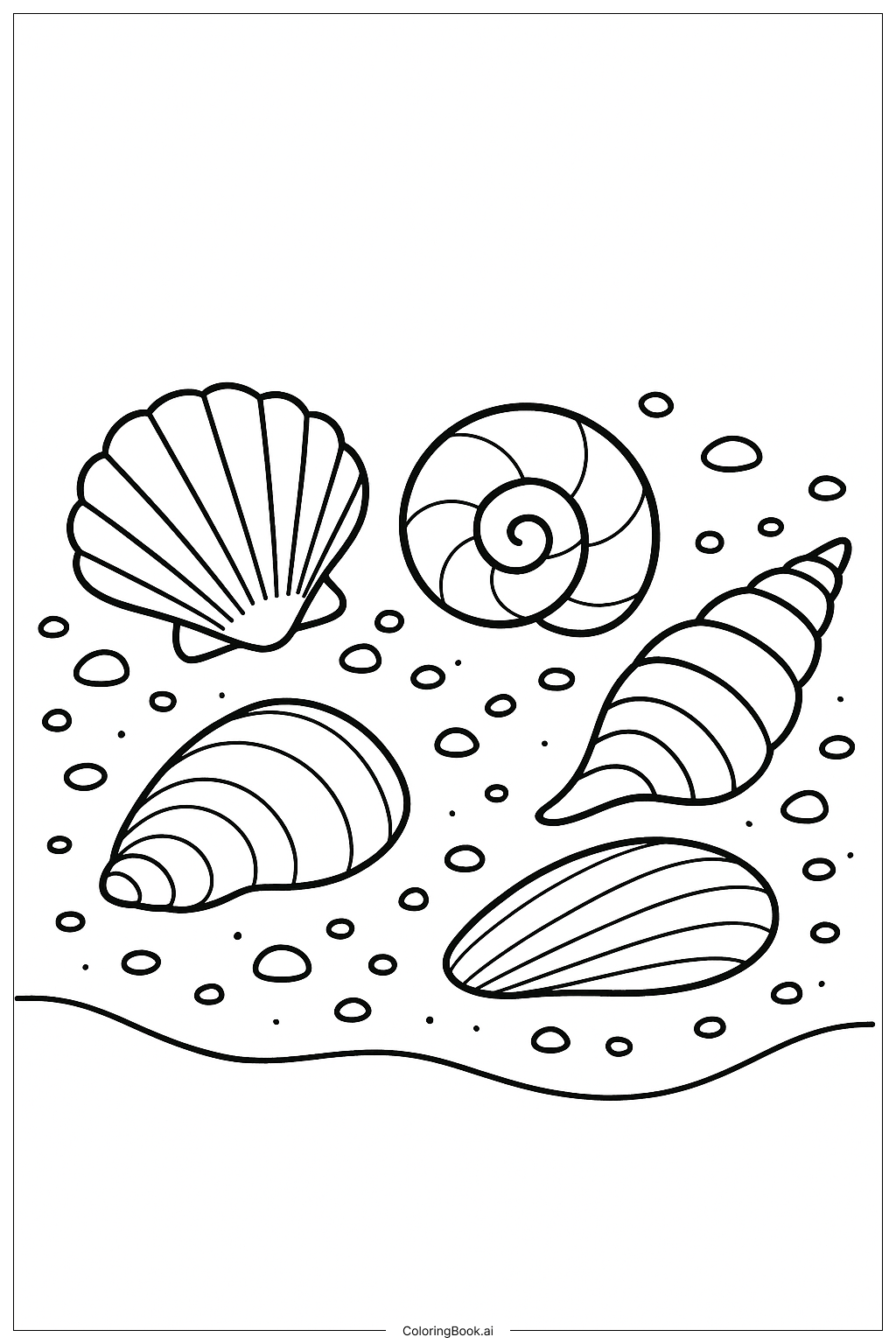
Coloring tips: How to color Sea Shells And Tiny Pebbles coloring page well?
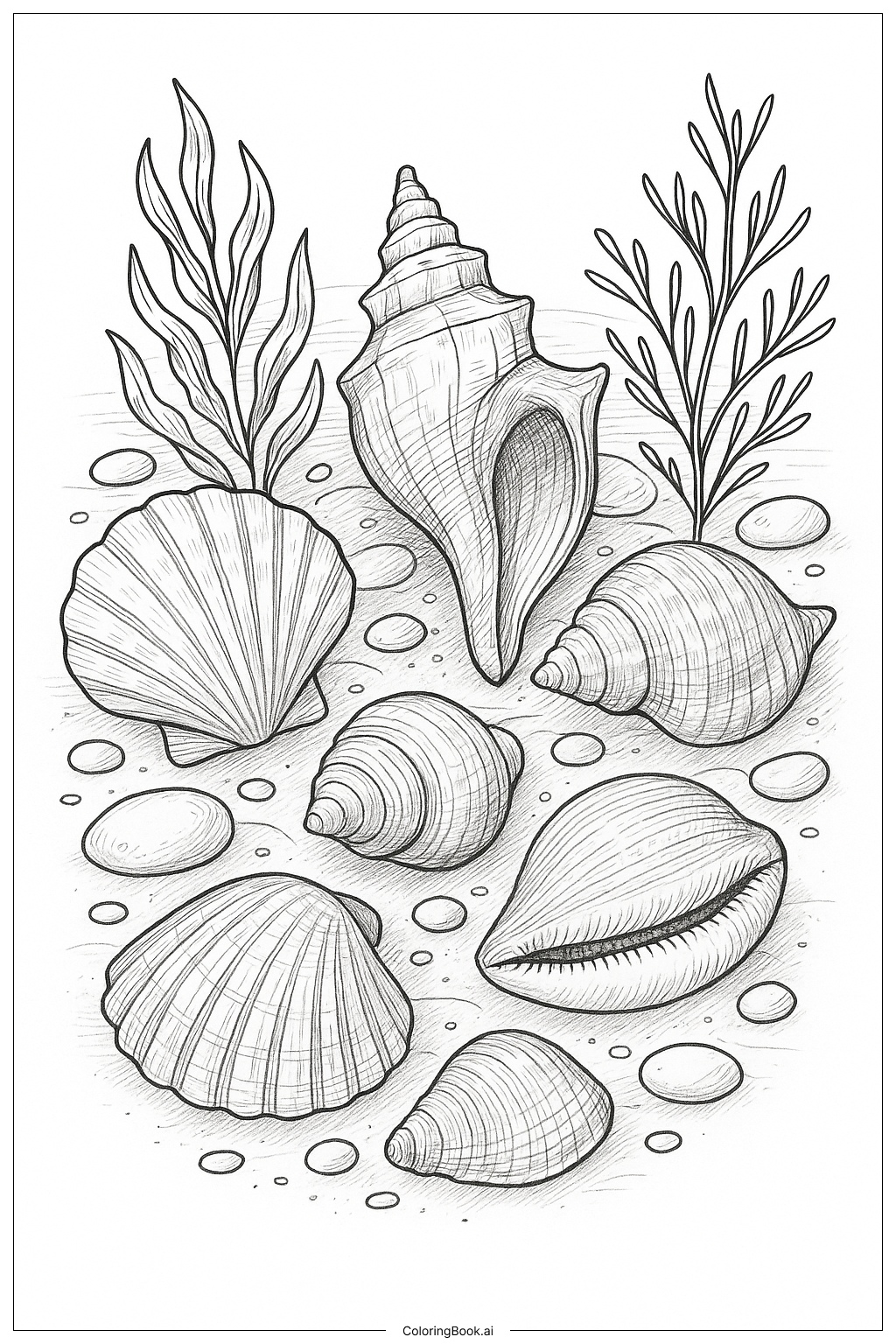
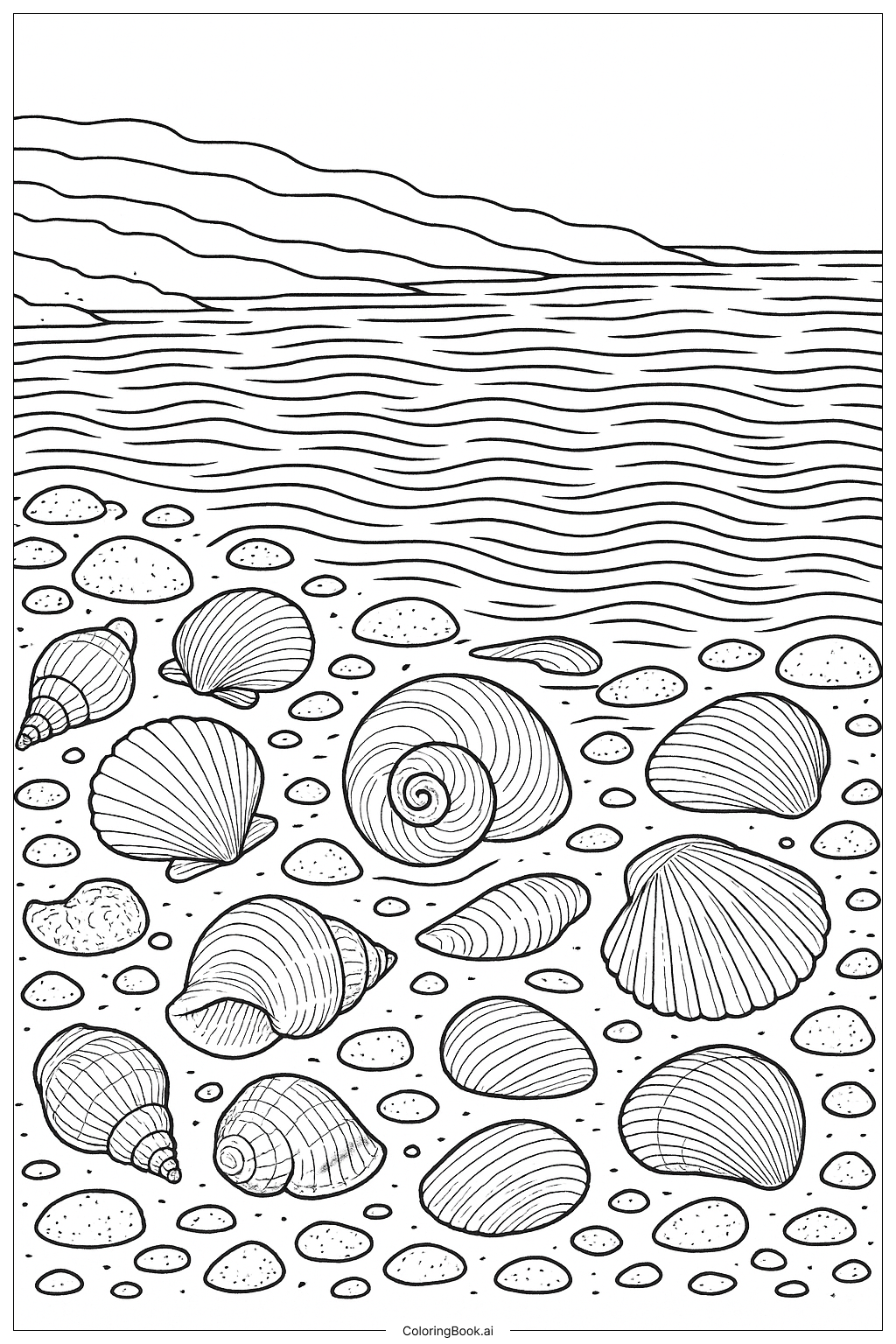
Use soft pastel colors to bring the seashells to life, like light pinks, blues, and yellows. You can add shading to the shells by coloring one side a little darker to show light and shadow. For the tiny pebbles, try using different shades of gray, brown, and white to give them a natural look. Don’t forget to color the sand with warm tones like beige or light brown. Be creative and try mixing colors to make the shells look shiny and realistic.
Coloring challenges: Which parts are difficult to color and need attention for Sea Shells And Tiny Pebbles coloring page?
1. The small pebbles can be tricky as they are many and close together, requiring careful coloring to stay inside the lines.
2. Creating smooth shading on the curved shells can be difficult to make them look three-dimensional.
3. Some shells have fine lines and patterns that need steady hand movements.
4. Balancing different colors to make the shells look natural without them clashing may pose a challenge.
5. Avoiding coloring outside the thin lines around the tiny pebbles needs patience and attention to detail.
Benefits of coloring books: Advantages of drawing Sea Shells And Tiny Pebbles coloring page
Coloring this picture helps improve focus and patience, especially because of the many small pebbles. It also encourages creativity in blending colors to make the shells look realistic and shiny. Coloring shells and natural objects promotes an interest in nature and learning about sea life. This activity supports fine motor skills development through careful and precise coloring. Overall, it’s a fun and educational way for children to relax and express themselves.