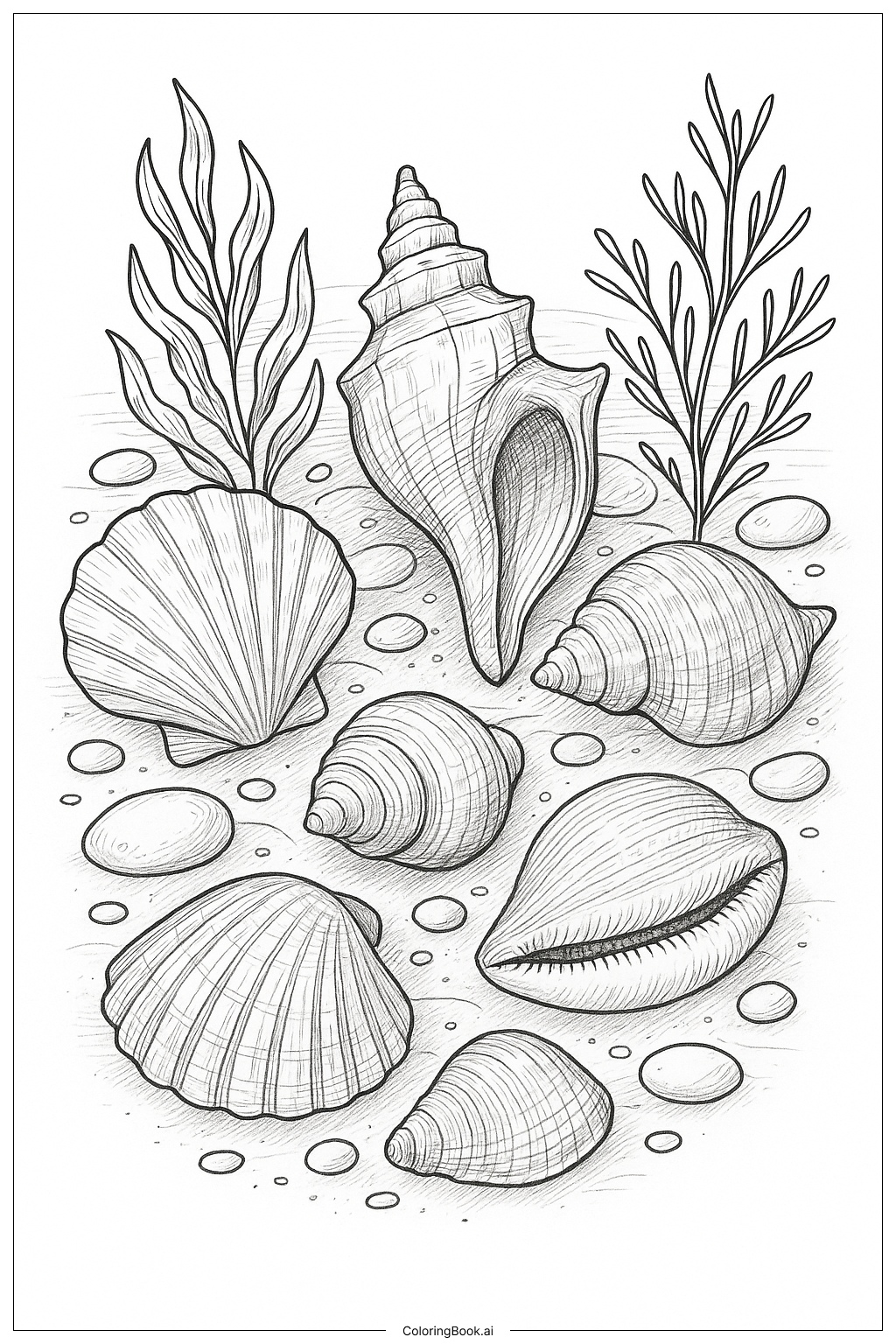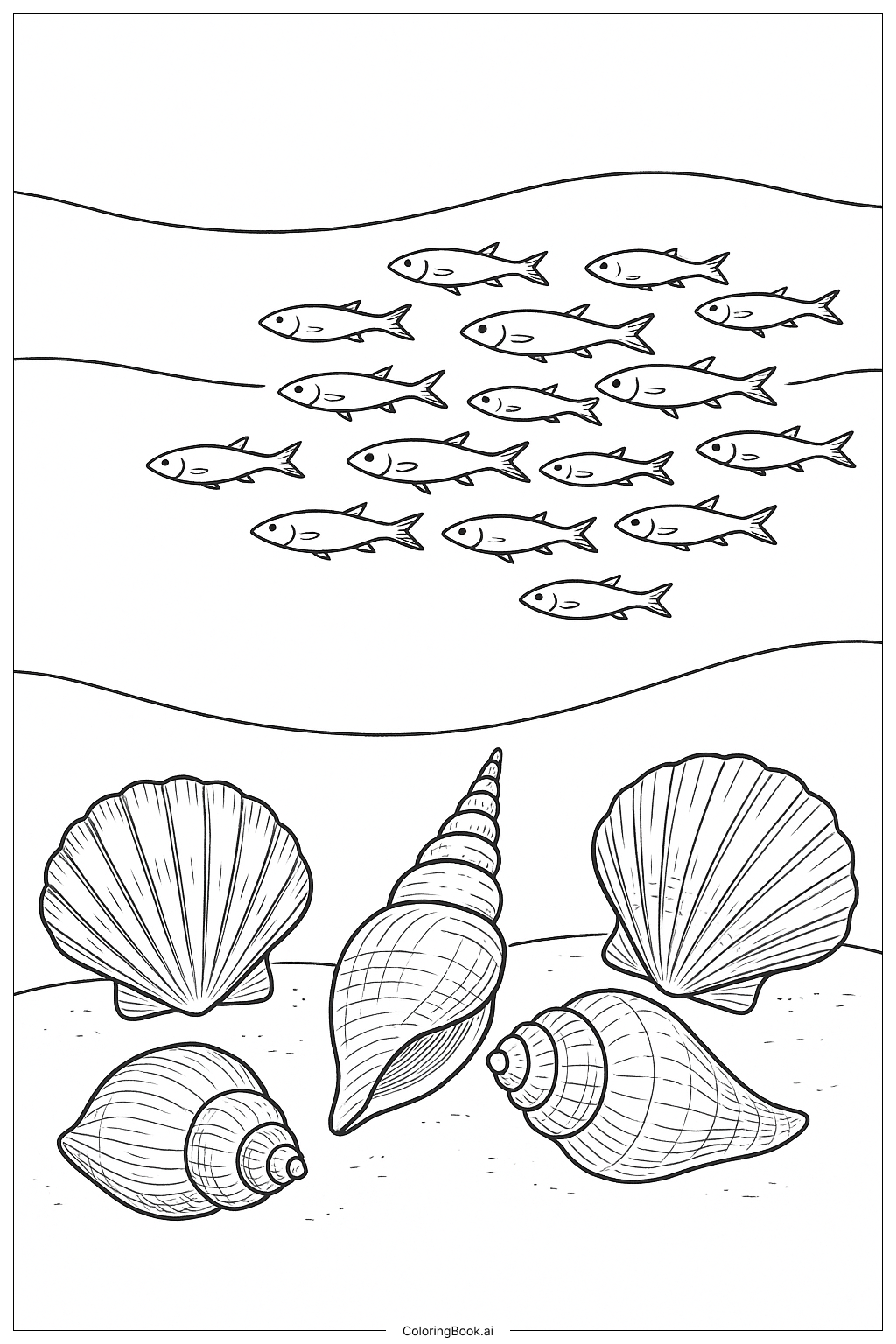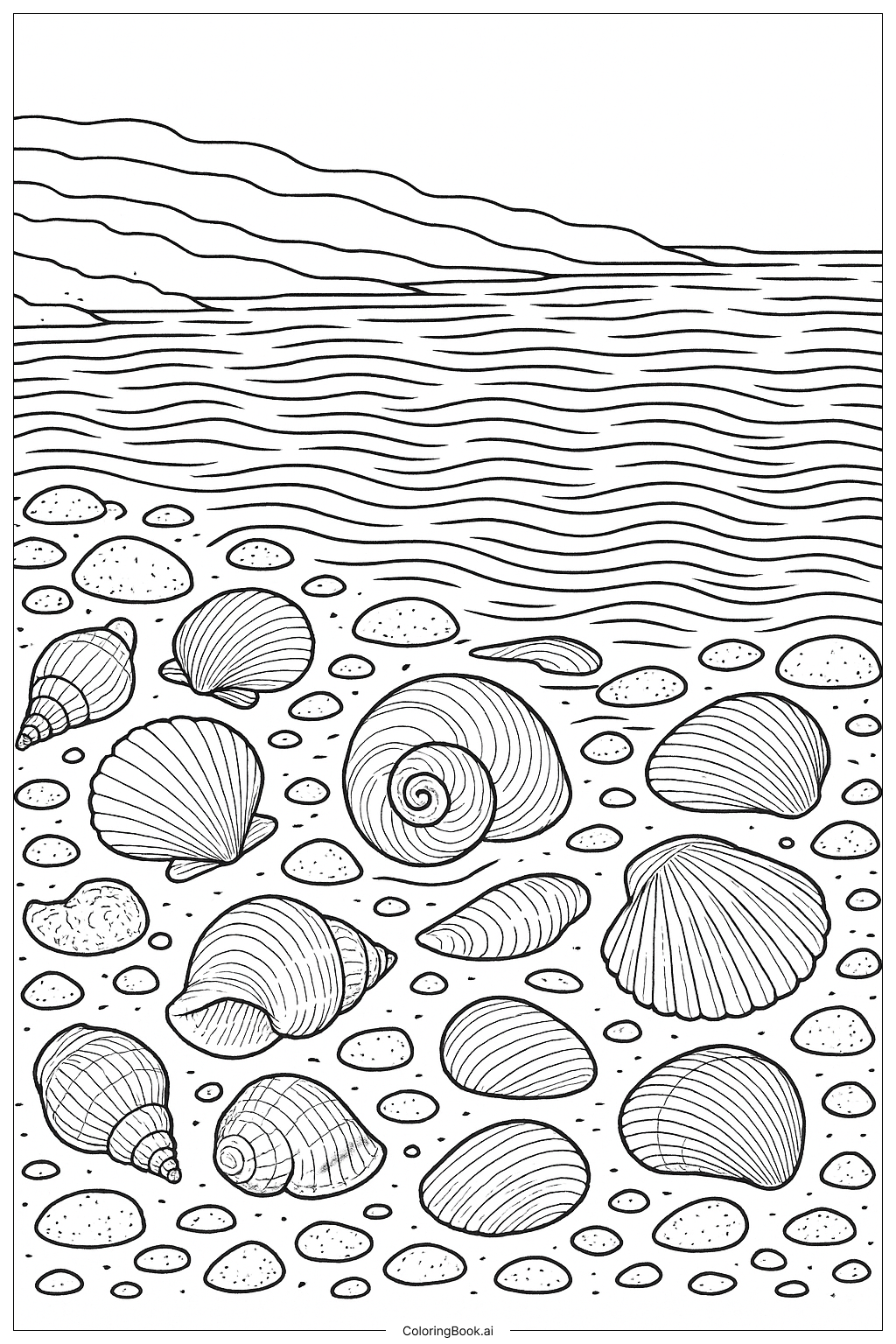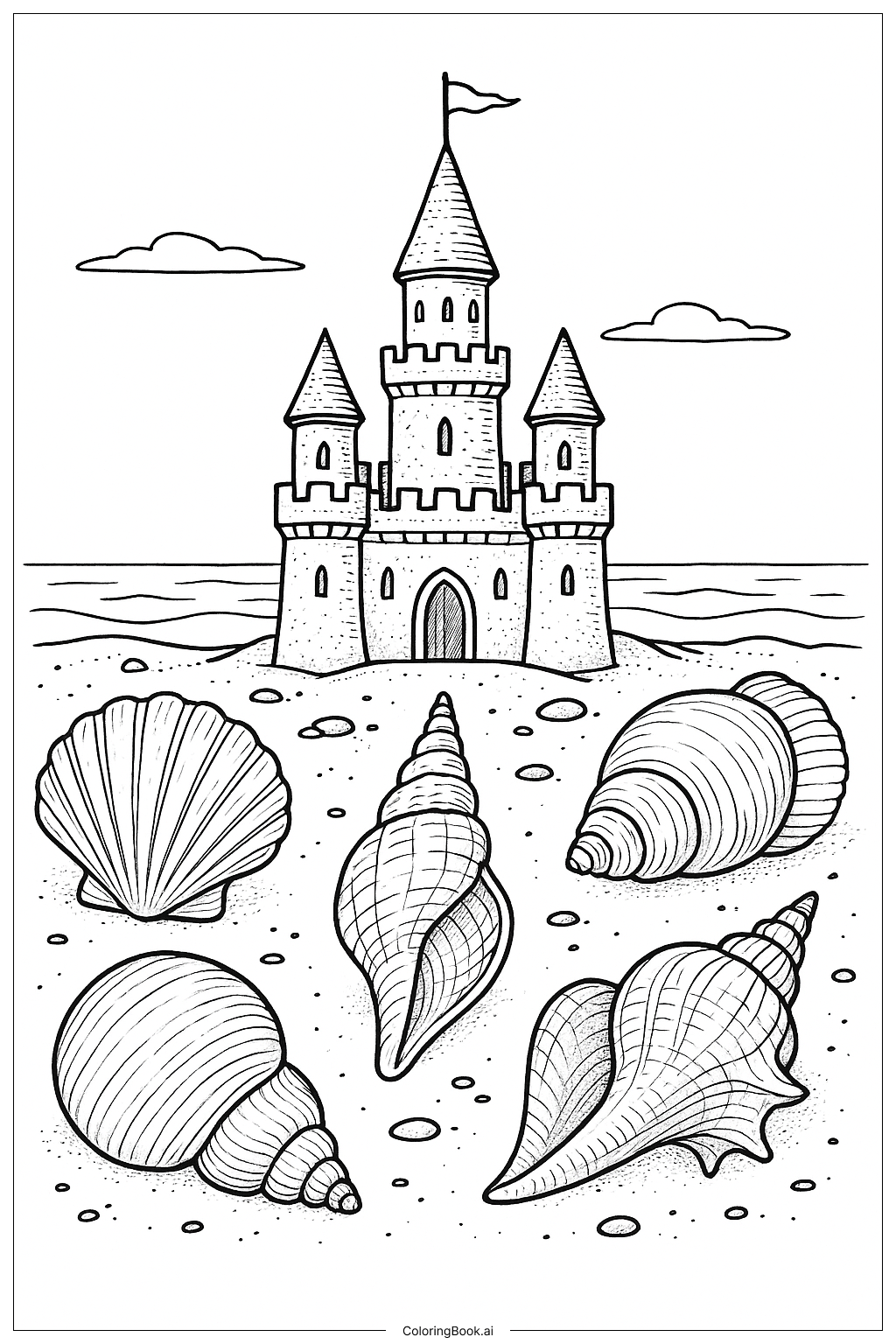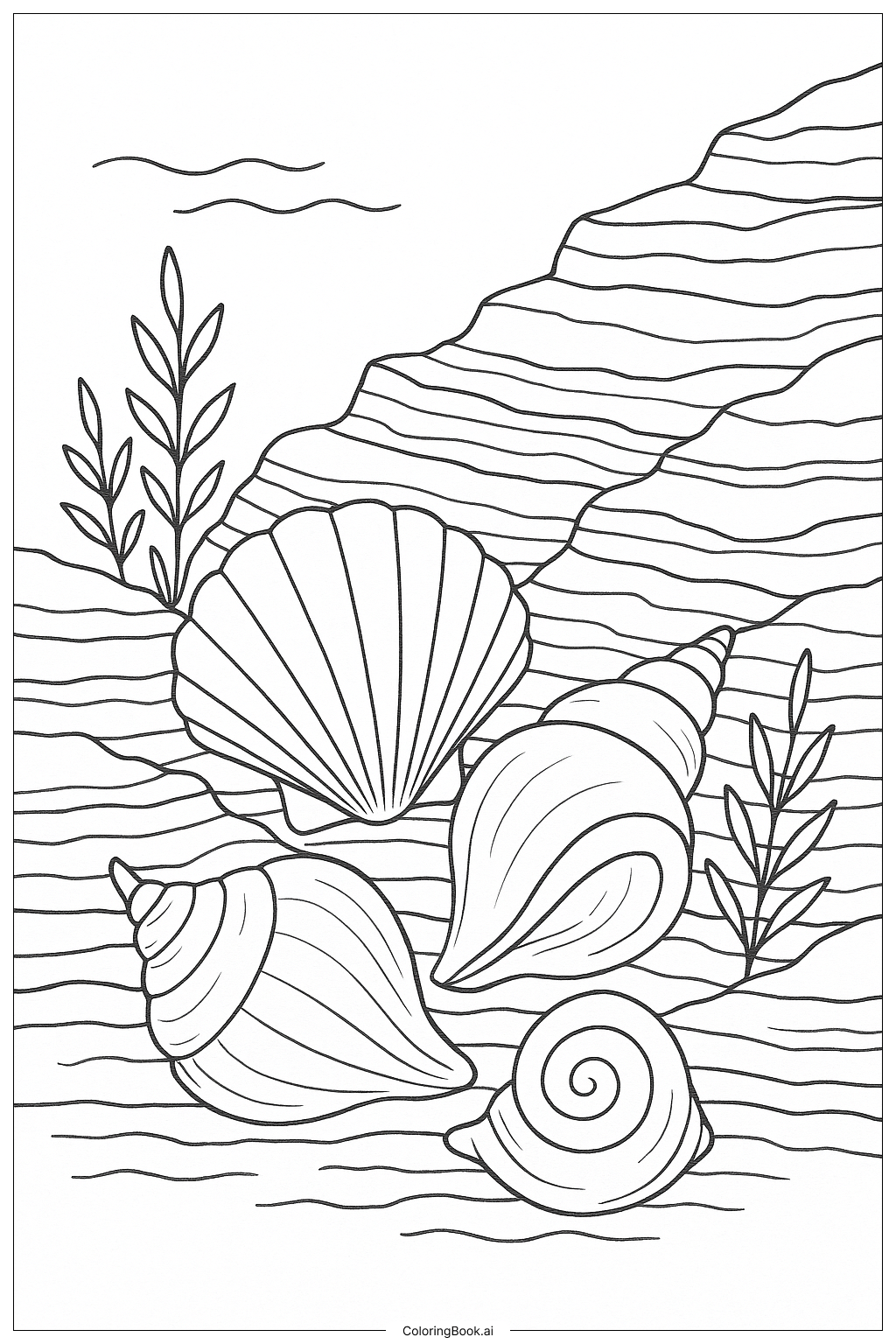
Coloring tips: How to color Sea Shells With Layered Rock Formations coloring page well?
Use soft colors like light blues, sandy yellows, and gentle browns for the layered rocks to show their natural look. For the sea shells, pick a mix of colors such as pearly whites, pinks, oranges, and soft purples to make them look bright and interesting. Green shades work well for the seaweed. You can also use light blues or aquas for the water effects on the surface. Try blending colors smoothly to show the roundness of the shells and the texture of the rocks.
Coloring challenges: Which parts are difficult to color and need attention for Sea Shells With Layered Rock Formations coloring page?
1. The layered rock formations have many thin, wavy lines close to each other. Coloring these requires patience to keep the lines clear and not color outside the spaces. 2. The sea shells have curved shapes with detailed lines. Coloring inside these curves carefully is tricky for younger children. 3. Blending colors smoothly on the shells to show their roundness may be hard for beginners. 4. The small seaweed plants need fine coloring to keep their shape clear. 5. Keeping the water surface waves light and soft without making them too dark can be challenging.
Benefits of coloring books: Advantages of drawing Sea Shells With Layered Rock Formations coloring page
Coloring this picture helps children improve fine motor skills by working on small and detailed areas like the shells and seaweed. It also encourages creativity with choosing different colors for the shells and rocks. Blending colors on curved shells teaches coloring techniques and shading. This activity can increase patience and focus due to the careful coloring needed for the layered rock lines and plant shapes. Finally, it introduces kids to natural ocean elements, sparking interest in sea life and nature.