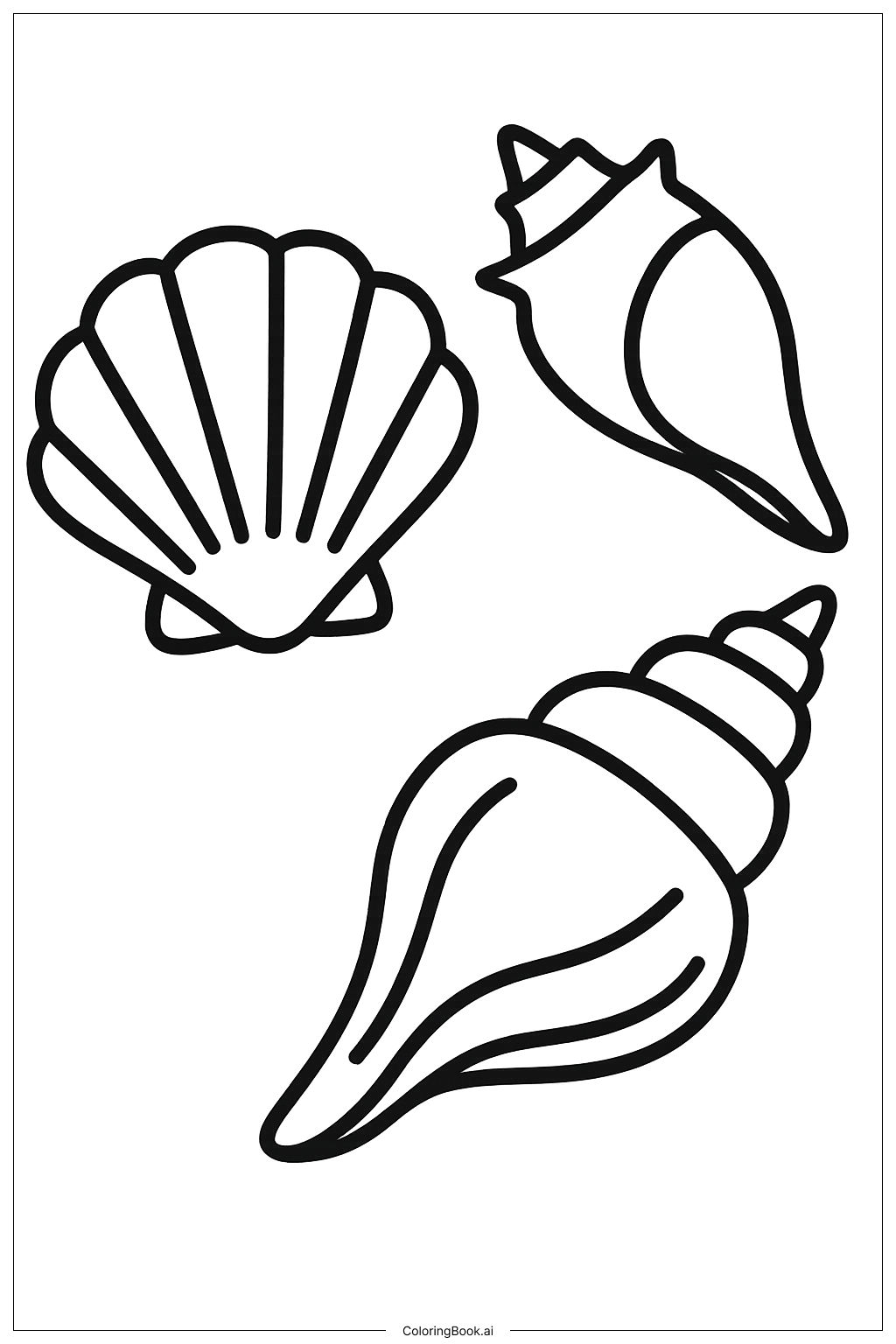
Coloring tips: How to color Large Sea Shells Outline coloring page well?
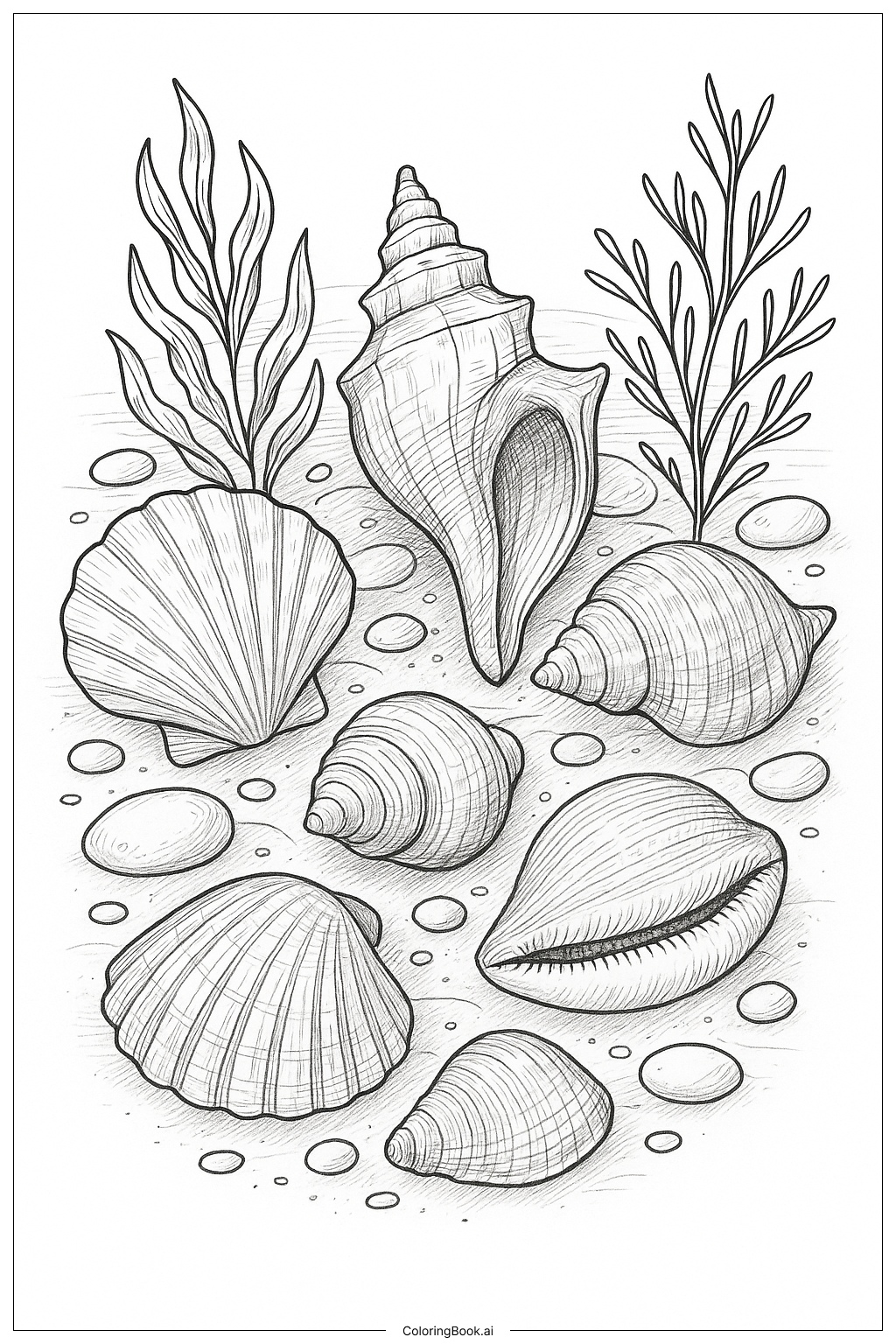
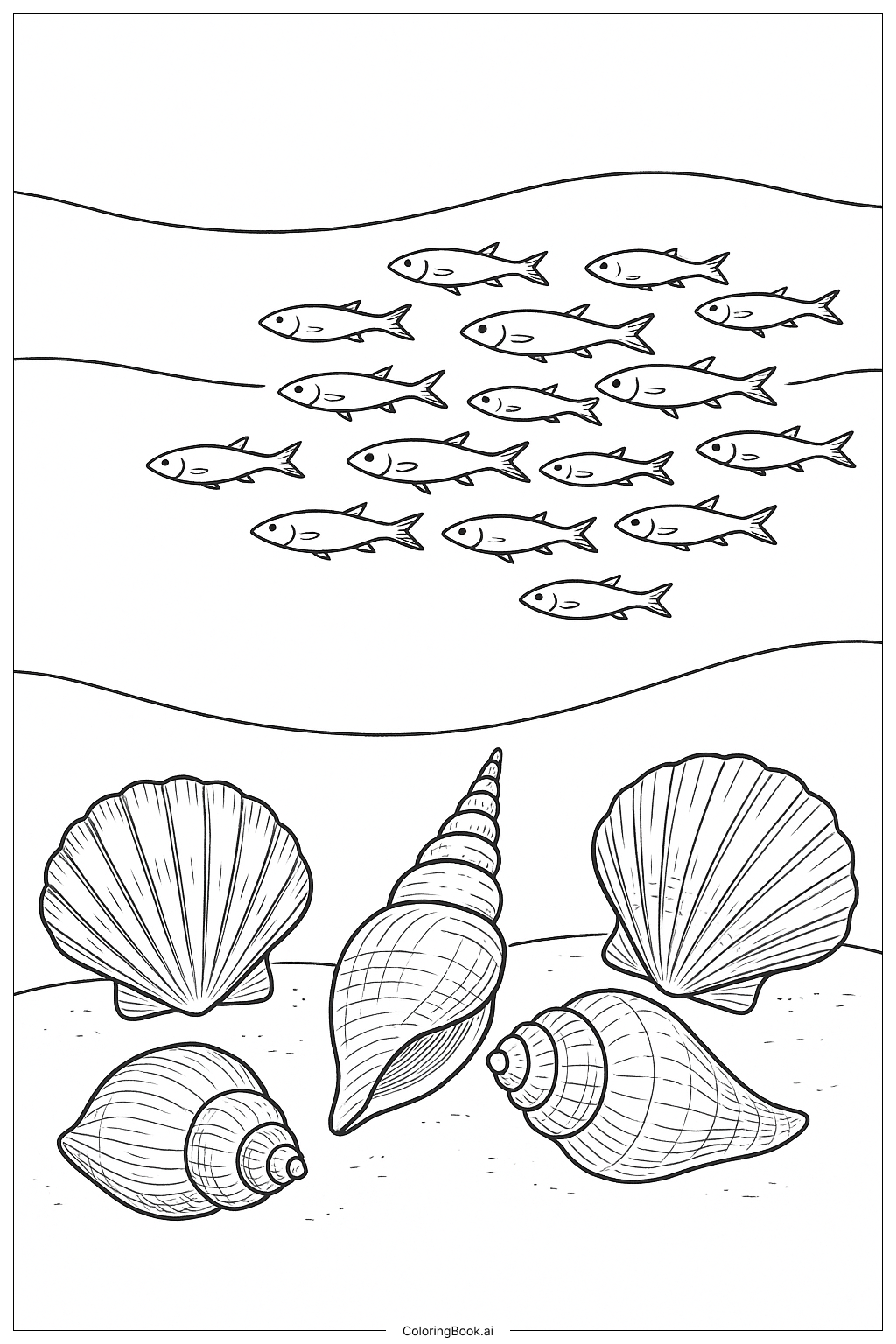
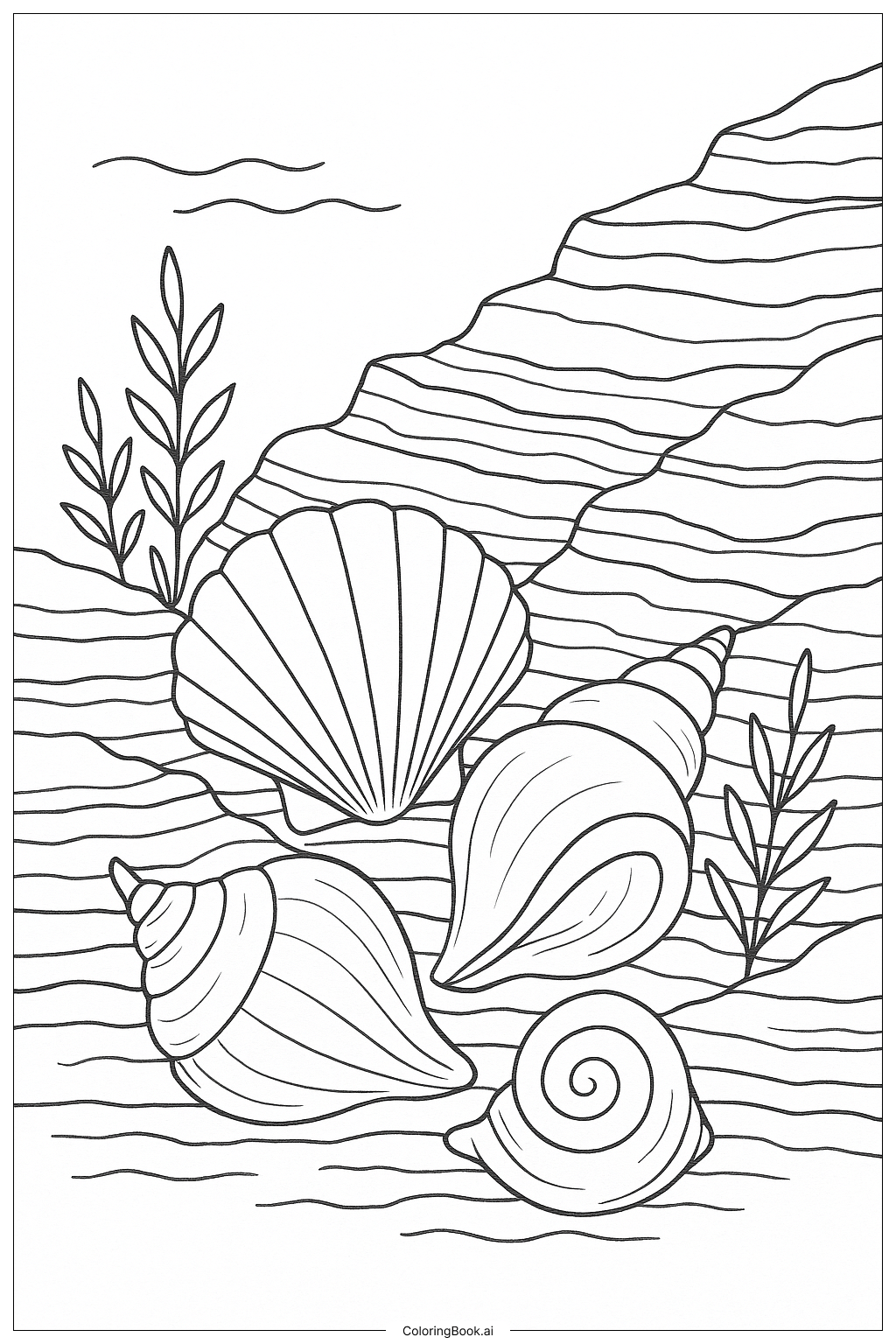
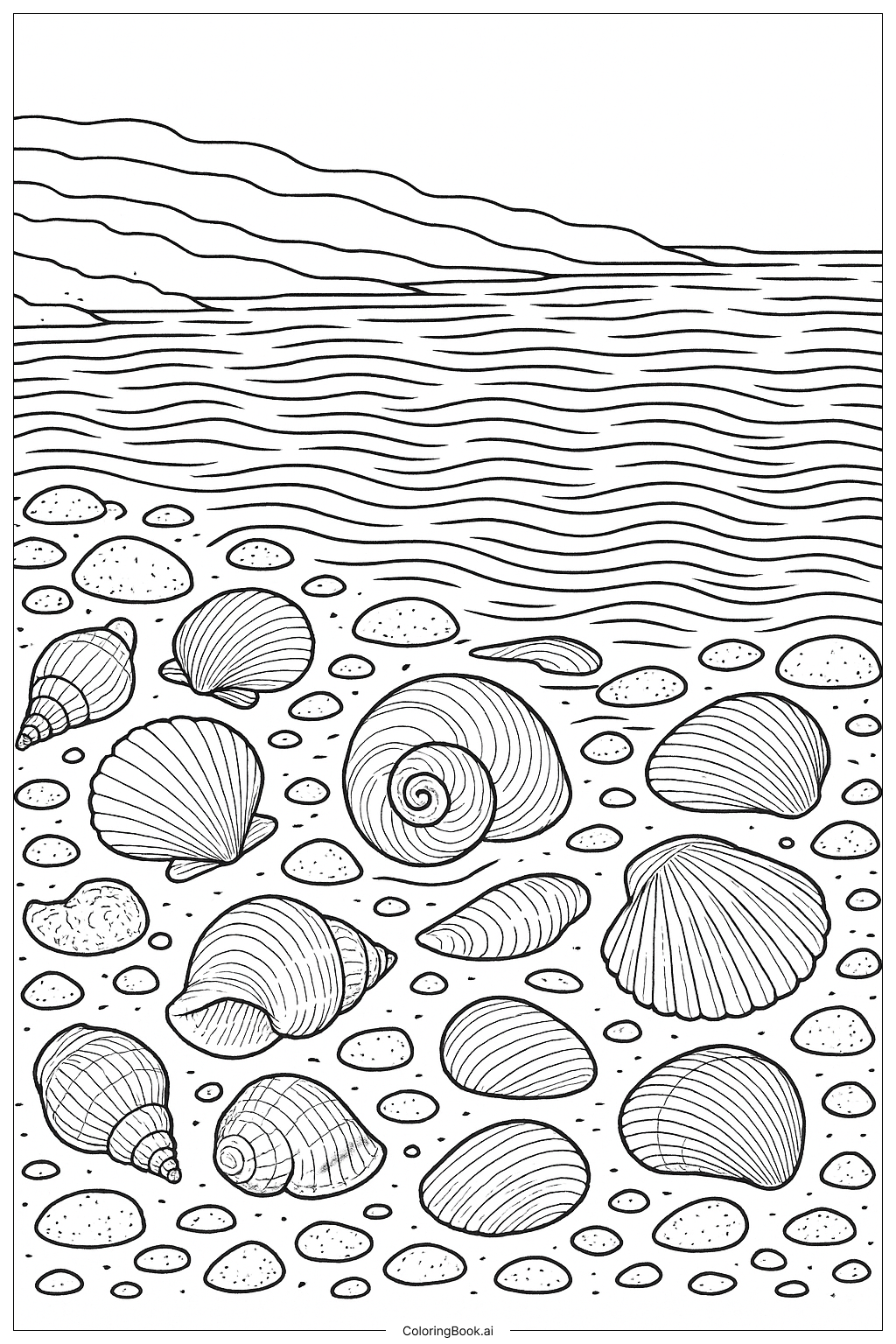
Use soft colors like creamy whites, soft pinks, and gentle oranges to bring the shells to life, just like real sea shells found by the shore. Bright colors such as coral pink, turquoise, or sandy beige can add variety and fun to each shell. For the ridges and spiral lines, try using a slightly darker shade to show depth. You can also mix in some light blues or sea greens in the background to suggest the water or sky. Feel free to be creative and imagine magical shells with bright or pastel tones to make your coloring page unique and beautiful.
Coloring challenges: Which parts are difficult to color and need attention for Large Sea Shells Outline coloring page?
• Detailed Patterns: Some shells have tiny ridges and spiral lines that need careful coloring to avoid going outside the lines.
• Different Shell Shapes: There are several types of shells, including spiral and fan-shaped, which require different coloring techniques to highlight their shape and texture.
• Layering Colors: To make the shells look realistic, layering different shades and blending colors without muddying them can be challenging for beginners.
• Staying Inside Outlines: The thin sections between ridges and curves can be tricky and need a steady hand.
• Consistency: Balancing color across multiple shells so they look part of a group while keeping each one unique may require planning and patience.
Benefits of coloring books: Advantages of drawing Large Sea Shells Outline coloring page
Coloring this image helps develop fine motor skills by encouraging precise control over coloring within tight spaces and detailed lines. It also provides an opportunity to learn about natural textures and shapes found in sea shells, sparking curiosity in marine life. The variety of shell shapes invites creativity in choosing different color combinations, making it a fun way to practice color theory and blending. For children, this activity can promote focus and patience while also offering a relaxing and enjoyable break. Overall, it supports artistic growth and appreciation for nature’s beauty.