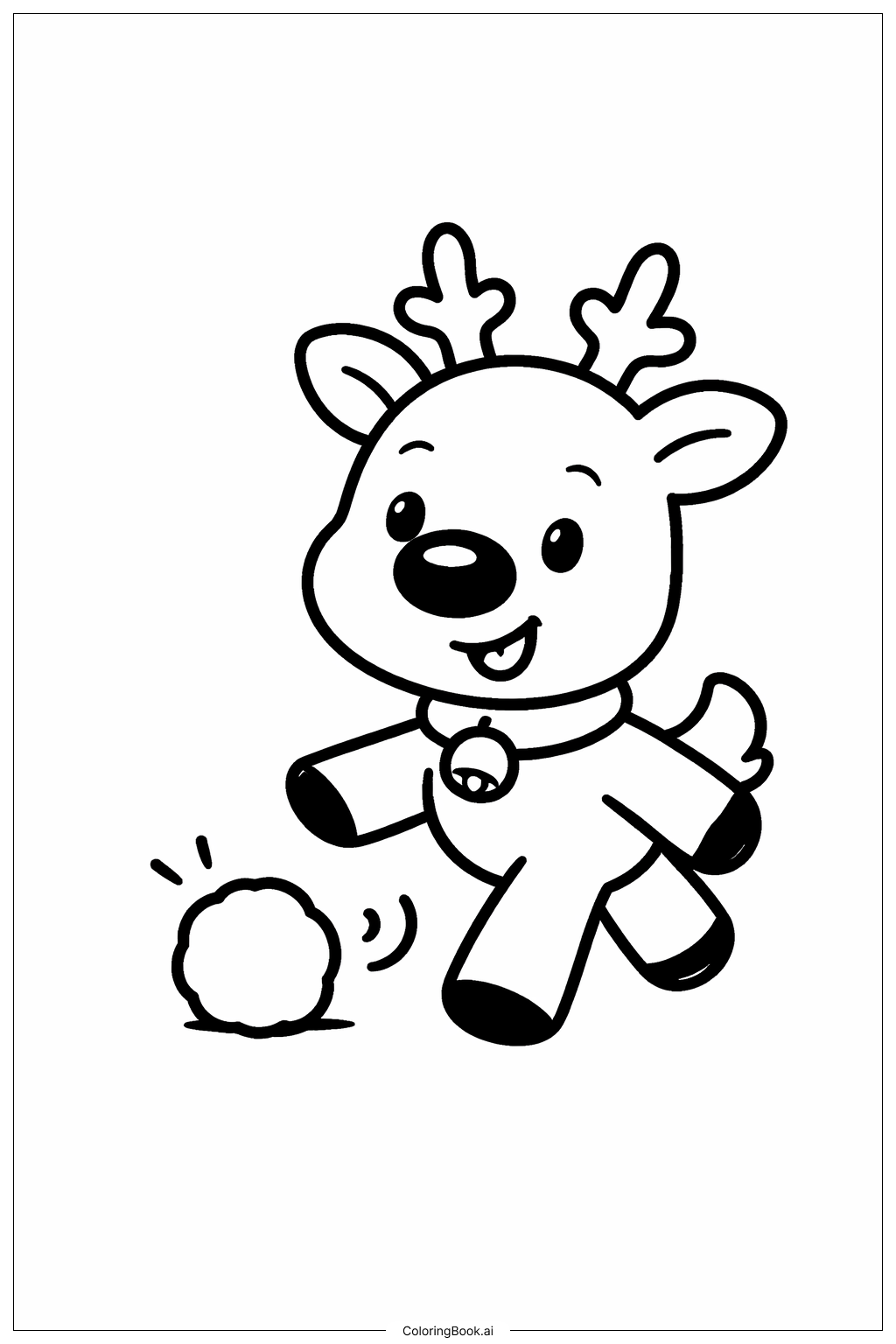
Coloring tips: How to color Rudolph Kicking Snow coloring page well?
Start with Rudolph's body by using warm shades of brown — try light tan for the belly and chest area, and a medium or dark brown for his back and sides. His iconic nose should be colored bright red or a vivid crimson to make it pop. Use a soft pink or peach for the inside of his ears. For his antlers, go with a darker brown or even a golden-brown tone to add depth. His eyes can be deep brown with a tiny white dot to create a lively sparkle. The snow around his hooves is a great place to play with color — try pale blue, lavender, or soft white to give the snow a cool, icy feel. Add light blue or silver to the flying snowflakes for extra shimmer. The background can be a deep navy blue or a pale winter sky tone to make Rudolph and the snow stand out beautifully. Have fun and let your creativity shine!
Coloring challenges: Which parts are difficult to color and need attention for Rudolph Kicking Snow coloring page?
• Rudolph's Fur Texture: Rudolph's body has a natural fur-like quality that can be tricky to color evenly. To make it look realistic, try layering two shades of brown — a lighter tone for the belly and face, and a darker one for the back. Use short, soft strokes to mimic the look of fur without pressing too hard.
• The Glowing Red Nose: Rudolph's nose is his most famous feature, and getting that glowing effect right takes a little patience. Start with a bright red base, then add a slightly darker red or orange around the edges. Leave a tiny highlight area uncolored or use white to suggest the glow. Blending carefully here makes a big difference.
• Flying Snow Details: The scattered snow chunks and snowflakes around Rudolph's kicking hooves have lots of small, irregular shapes that require a steady hand. Coloring each piece separately with cool tones like light blue, pale lavender, or white helps convey the sense of motion without muddying the image.
• Antler Branches: Rudolph's antlers have multiple branching points that create tight spaces between them. These narrow areas can be hard to fill in neatly, especially with thicker coloring tools. Colored pencils or fine-tip markers work best here to stay within the lines and add shading along the edges for a three-dimensional look.
• Conveying Movement and Energy: The whole scene is full of action, and capturing that sense of motion through color choices is a real creative challenge. Using lighter colors toward the tips of flying snow and slightly deeper tones near Rudolph's hooves helps suggest speed and energy, bringing the whole image to life.
Benefits of coloring books: Advantages of drawing Rudolph Kicking Snow coloring page
Coloring this lively image of Rudolph Kicking Snow brings a wide range of benefits for kids and families alike. First, it builds fine motor skills. Carefully staying within the lines of Rudolph's antlers, hooves, and flying snowflakes helps children develop hand control and pencil grip. Second, it encourages creativity. Choosing colors for the snow, the background, and Rudolph's fur lets kids make their own artistic decisions and express their personal style. Third, it teaches color blending. Trying to capture the glow of Rudolph's nose or the icy shimmer of flying snow introduces young colorists to the idea of layering and mixing colors. Fourth, it supports focus and patience. A detailed, action-packed scene like this one requires sustained attention, helping children practice sitting still and working toward a finished goal. Fifth, it sparks imagination and storytelling. Rudolph is a beloved holiday character, and coloring him in motion can inspire kids to make up their own adventure stories about where he is going and why he is kicking through the snow. Overall, this is a fun, festive activity that combines creativity, skill-building, and holiday joy all in one page.