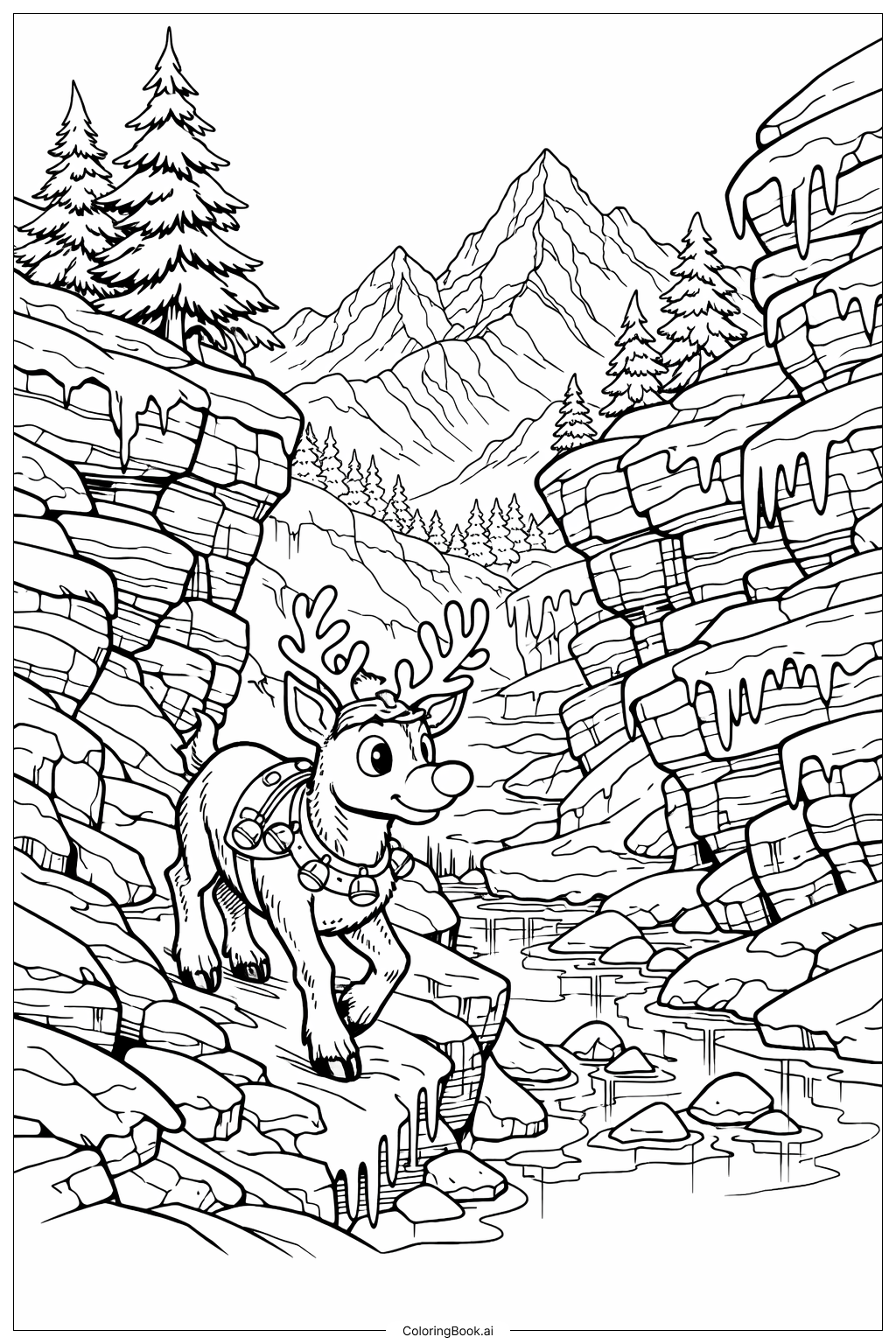
Coloring tips: How to color Rudolph Crossing Icy Mountain Pass coloring page well?
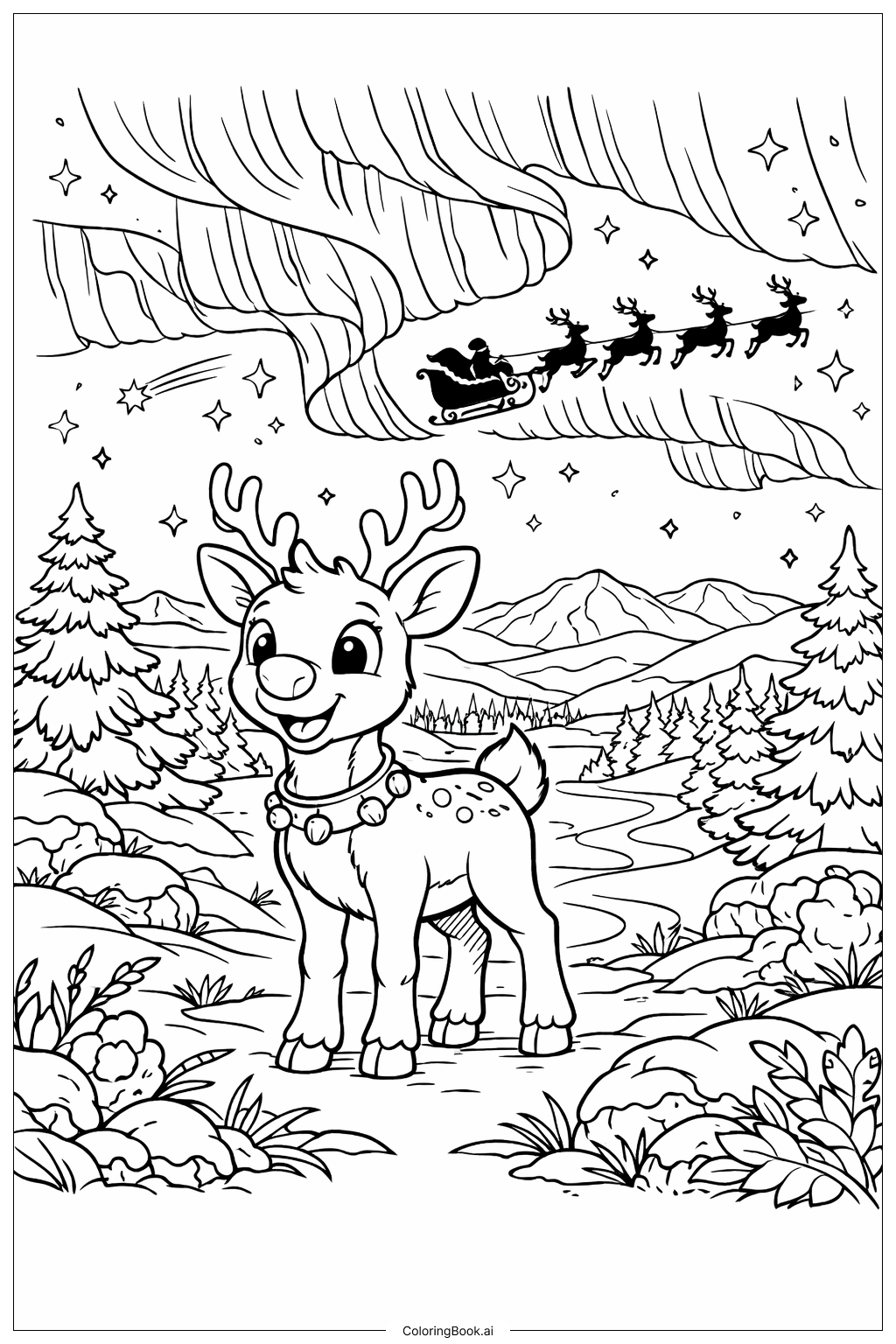
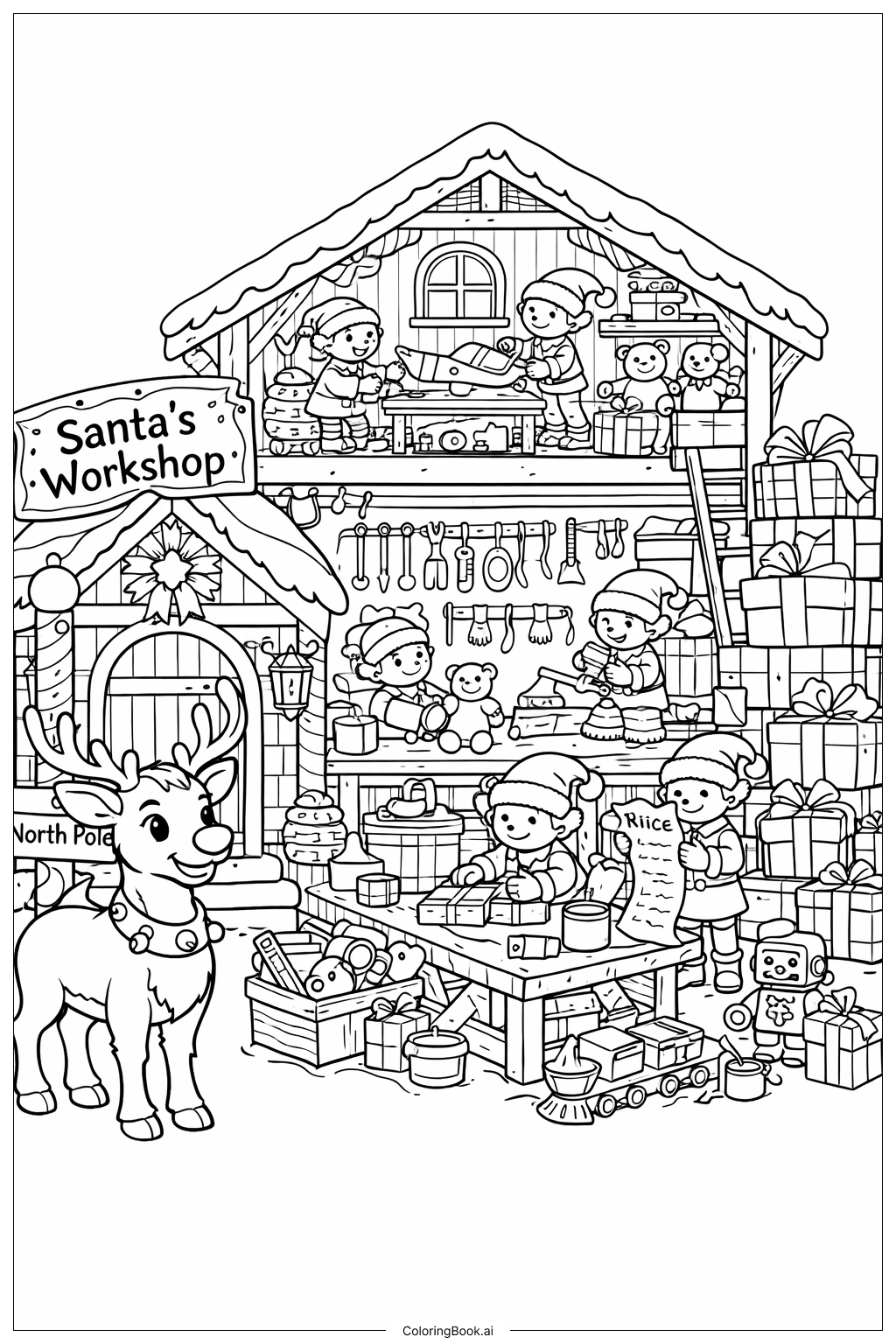
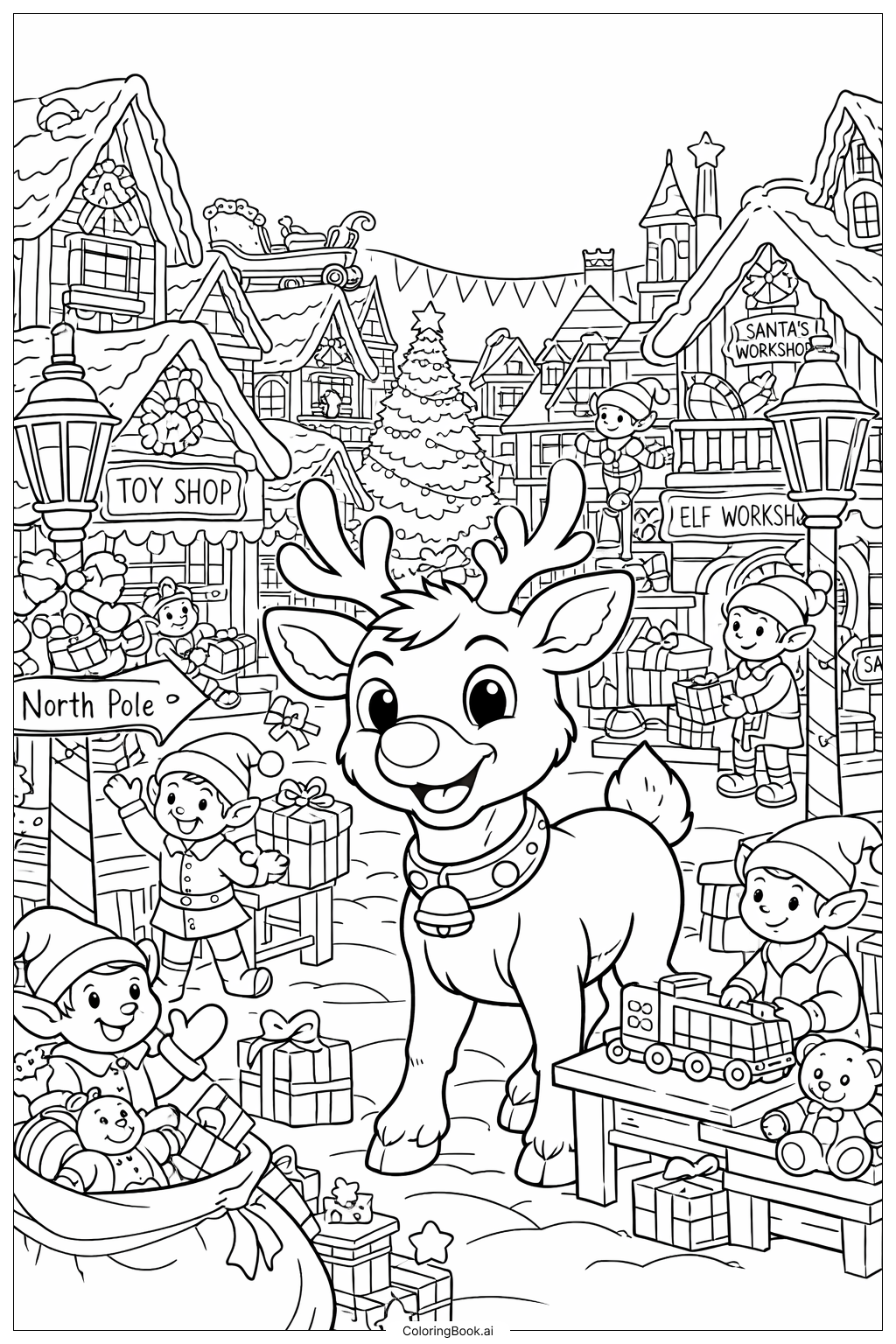
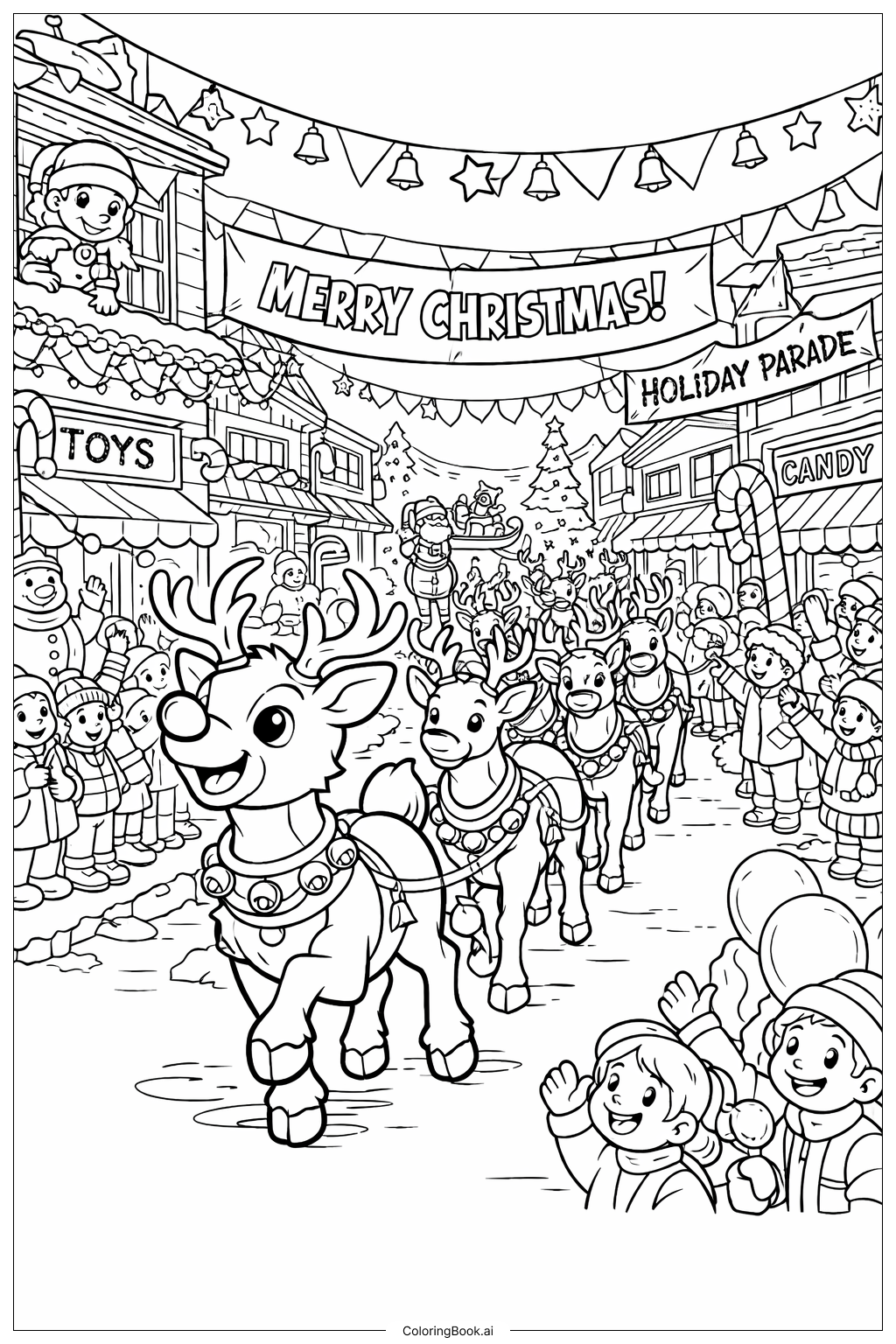
Try using bright colors for Rudolph’s nose and antlers to make him stand out against the cool icy background. Shades of brown and tan work well for his body, while white and pale blue can show the ice and snow on the mountain. Add soft gray and silver tones to the rocky cliffs to create texture. Use a light touch with blues and whites to make the snowy patches look cold and slippery. You can also add some gentle shading to show the wind and movement in the scene, giving it more depth. Bright reds and warm browns will help Rudolph feel lively in the chilly setting.
Coloring challenges: Which parts are difficult to color and need attention for Rudolph Crossing Icy Mountain Pass coloring page?
• Fine details of Rudolph’s fur and antlers: Capturing the texture of his fur and the delicate shape of his antlers requires careful coloring with small strokes to bring them to life. • Icy mountain surfaces: Showing the smooth, shiny nature of ice needs subtle color blending between whites, blues, and grays to create a realistic slippery effect. • Snow and wind effects: Representing softly falling snow and swirling wind patterns can be tricky since they require light colors and gentle gradients. • Depth and distance in mountains: The layered mountain peaks need careful shading and color variations to create a sense of depth and steepness. • Balancing contrast: It can be challenging to keep Rudolph as the focal point while still coloring the detailed background mountains and ice with enough contrast so nothing looks flat or dull.
Benefits of coloring books: Advantages of drawing Rudolph Crossing Icy Mountain Pass coloring page
Coloring this image helps develop children’s attention to detail and fine motor skills by working on Rudolph’s fur and the icy textures of the mountains. It encourages creativity through the use of various colors to depict cold winter elements and a glowing red nose. Kids also learn to apply shading techniques to represent light, shadow, and depth. This scene promotes patience and concentration as they carefully color both foreground and background elements. Most of all, it inspires imagination by telling the story of Rudolph’s brave journey across a challenging mountain pass.